What a Congenital Liver Shunt Does to a Havanese
Finding out your sweet Havanese puppy isn't quite thriving, or that their behavior seems a little "off," can be incredibly worrying for any devoted dog parent. It's truly heartbreaking to see your little companion struggle, especially when you're not sure why. Sometimes, these perplexing symptoms can point to a congenital liver shunt, a serious condition present from birth. This guide is here to shed light on what a congenital liver shunt means for a Havanese, how it impacts their health, and what steps you can take to help them live the happiest, healthiest life possible.
Understanding Congenital Liver Shunts in Havanese
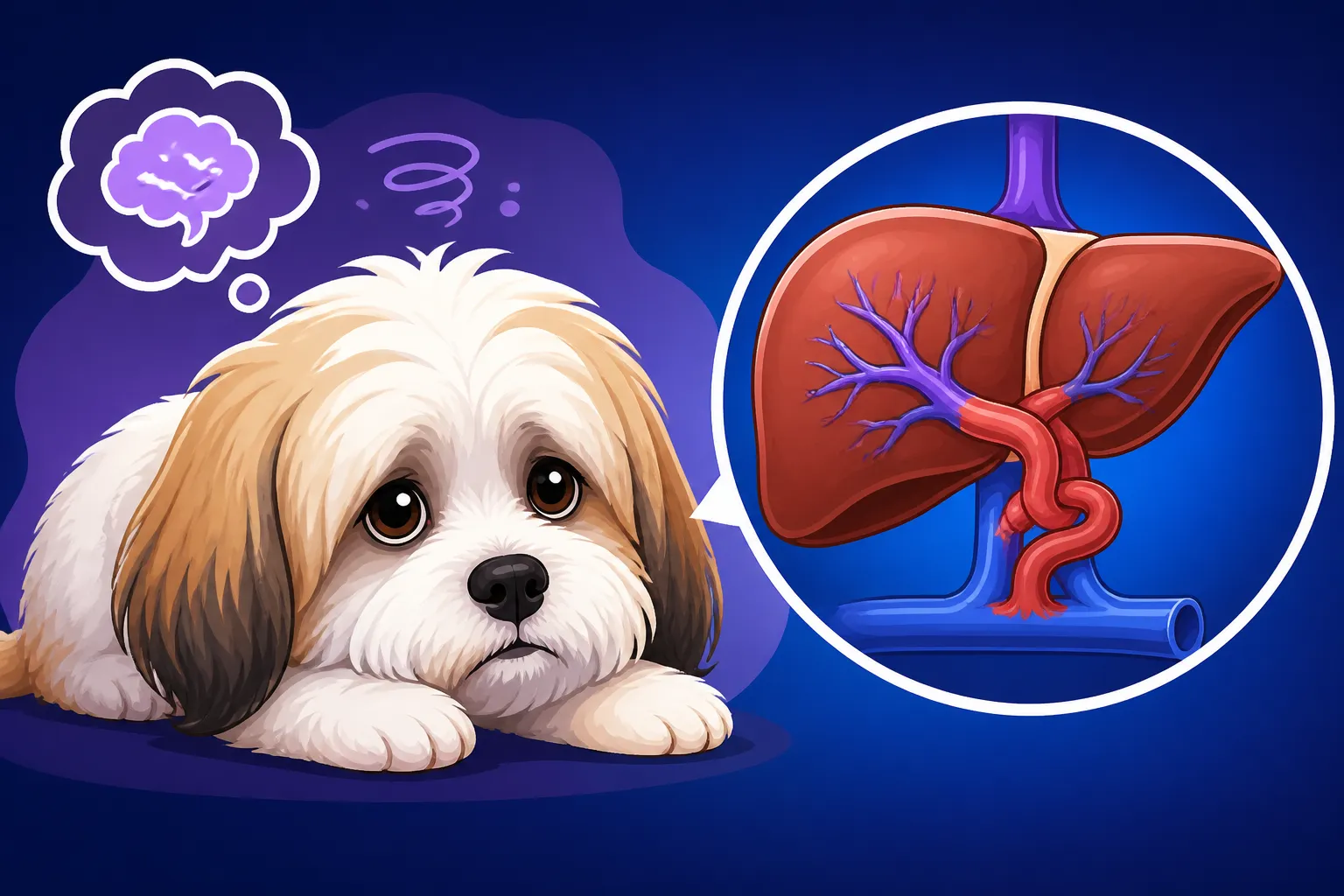
When we talk about a liver shunt, it sounds complex, and in many ways, it is. But at its core, it's a bypass in your Havanese's circulatory system that prevents blood from flowing through the liver as it should. Instead of being filtered and detoxified by the liver, this blood, full of metabolic waste products and nutrients, gets shunted directly back into the general circulation. For a tiny Havanese puppy, whose liver should be working hard to support rapid growth and development, this can lead to a cascade of health issues.
The Liver's Critical Role in a Havanese's Body
Think of your Havanese's liver as a multi-talented superstar organ, a bustling factory doing countless jobs around the clock. First and foremost, it's the body's primary detoxification center, filtering out toxins, drugs, and waste products from the blood. After your Havanese eats, nutrients absorbed from the digestive tract travel directly to the liver via the portal vein. The liver processes these nutrients, storing some, converting others, and releasing them as needed to fuel the body. It also produces essential proteins for blood clotting, bile for digestion, and helps regulate blood sugar.
Without a properly functioning liver, or when blood bypasses it, these vital processes go awry. Toxins build up, nutrient absorption is inefficient, and the body simply cannot function optimally. This is particularly devastating for a growing Havanese puppy, whose system is developing rapidly and needs all the support it can get. When you consider how much our little Havanese rely on these internal systems, it's easy to see why a shunt poses such a significant threat to their overall well-being.
Portosystemic Shunts Explained: Intrahepatic vs. Extrahepatic
A liver shunt is medically referred to as a portosystemic shunt (PSS), meaning there's an abnormal connection between the portal vein (which carries blood from the digestive organs to the liver) and the systemic circulation (the rest of the body's blood vessels). This bypass means the blood isn't processed by the liver. In Havanese, we typically see two main types of congenital shunts, distinguished by their location:
- Extrahepatic Shunts: These are the most common type in smaller breeds like the Havanese. An extrahepatic shunt occurs outside the liver, typically as a single large vessel that connects the portal vein to another vein, often the caudal vena cava, before reaching the liver. Imagine a detour built around a critical checkpoint – the blood skips the liver entirely. These shunts are generally more amenable to surgical correction because they are easier for a veterinary surgeon to locate and access.
- Intrahepatic Shunts: These shunts occur within the liver tissue itself, usually as a persistent fetal vessel that failed to close properly after birth. These are more common in larger breeds but can occasionally be seen in smaller dogs. Surgical correction for intrahepatic shunts is much more challenging and carries higher risks due to their location deep within the liver's delicate structure. Sometimes, specific techniques like coiling, where a metallic coil is used to gradually block the shunt, are employed.
Understanding this distinction is crucial because it often dictates the feasibility and approach to treatment. Your vet will need to perform specialized diagnostics to determine the exact type and location of the shunt.
Why Some Havanese Puppies Are Born with Shunts
The heartbreaking truth is that a congenital liver shunt means your Havanese puppy was born with this condition, it wasn't something they "caught" or developed later in life due to external factors. While the exact genetic mechanisms aren't fully understood for all breeds, there's a strong hereditary component. This suggests that certain genetic predispositions are passed down through breeding lines. For Havanese, like many small breeds, there's a recognized higher incidence of liver shunts compared to the general dog population.
This genetic link places a significant responsibility on breeders. Reputable Havanese breeders are acutely aware of the potential for inherited health conditions, including liver shunts, and will often conduct screenings or pedigree research to minimize the risk in their litters. However, sometimes these conditions can still appear unexpectedly, even in carefully bred lines, making it a complex challenge for everyone involved. It’s a stark reminder of the importance of choosing a breeder who prioritizes health testing and transparency, something we'll discuss more later. You might wonder, for instance, if Whether a Havanese Breeder Should Bile Acid Test is a standard practice – and it absolutely should be considered.
How a Liver Shunt Impacts Your Havanese's Health
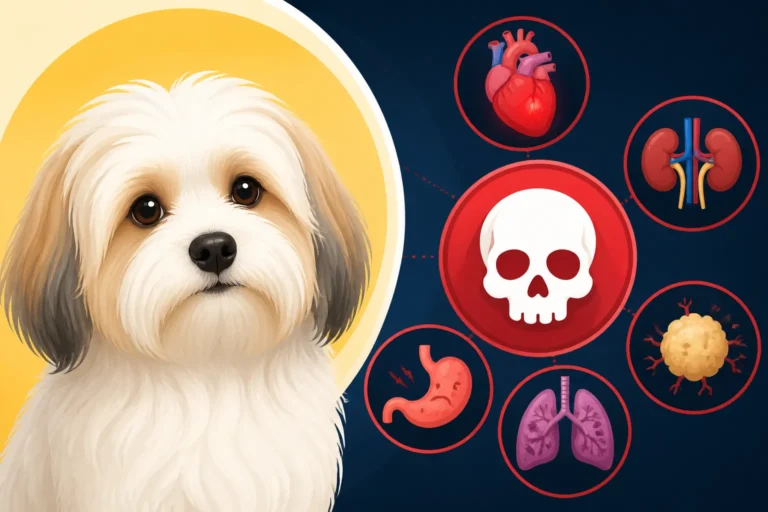
The ramifications of a liver shunt are wide-ranging, affecting nearly every system in your Havanese's body. Because the liver can't properly filter toxins or metabolize nutrients, a dog with a shunt essentially has "dirty" blood circulating, impacting brain function, growth, and overall vitality. It's not just a digestive issue; it's a systemic problem that can manifest in truly distressing ways.
Common Signs and Symptoms to Watch For
Recognizing the signs of a liver shunt can be challenging because they can mimic other conditions, and often, they are subtle at first. However, if you have a Havanese puppy exhibiting a combination of these symptoms, it’s a serious red flag that warrants immediate veterinary attention. Some of the most frequently observed signs include:
- Poor Growth and Small Size: This is often one of the first clues, especially if the affected puppy is noticeably smaller and less robust than its littermates. Despite eating well, they simply don't thrive. You might notice Whether a Havanese Puppy With a Shunt Is Small compared to its siblings.
- Neurological Symptoms: The buildup of toxins, particularly ammonia, in the bloodstream can directly affect the brain, leading to a condition called hepatic encephalopathy. This can cause a range of neurological issues such as disorientation, staring into space, aimless wandering, circling, head pressing against walls or furniture, and even seizures. It's incredibly distressing to witness your Havanese Whether a Havanese Circles or Presses Its Head in this manner.
- Gastrointestinal Issues: Vomiting, diarrhea, and decreased appetite are common. Some puppies may be very finicky eaters or show signs of discomfort after eating a protein-rich meal.
- Increased Thirst and Urination: The kidneys try to excrete the excess toxins, leading to more frequent drinking and peeing.
- Lethargy and Weakness: Affected puppies often lack energy, seem unusually sleepy, and don't engage in typical puppy play as much as they should.
- Temporary Blindness: While less common, in severe cases, the neurological effects can manifest as temporary vision loss.
- Behavioral Changes: Beyond the neurological symptoms, some Havanese with shunts might display unusual aggression or seem generally dull and unresponsive.
It's crucial to be vigilant, especially when your Havanese is young, as The Age a Havanese Shunt Shows Up is often before six months of age.
The Dangers of Toxins Bypassing the Liver
The liver's role in detoxification is paramount. When blood bypasses this filter, toxins that are normally processed and eliminated, such as ammonia, bile acids, and various metabolic byproducts, accumulate in the bloodstream. This build-up creates a toxic environment in the body, with the brain being particularly vulnerable.
Ammonia, a byproduct of protein digestion, is especially damaging. Normally, the liver converts ammonia into urea, which is then excreted by the kidneys. With a shunt, ammonia levels can skyrocket, leading to the severe neurological symptoms we discussed, known as hepatic encephalopathy. This condition can range from mild dullness to full-blown seizures, and in extreme cases, coma and death. Seeing your beloved Havanese Whether a Havanese Seizures From a Shunt is a truly terrifying experience for any owner, underscoring the severity of this condition. These toxins don't just affect the brain; they can also harm other organs over time, leading to broader systemic health problems.
Impact on Growth and Development in Puppies
For a Havanese puppy, the impact of a congenital liver shunt on growth and development can be profound and heartbreaking. Puppies are in a critical stage of rapid growth, requiring a constant supply of properly metabolized nutrients. When the liver isn't doing its job, the body simply can't get what it needs.
Imagine a construction site where the raw materials are arriving, but the processing plant is bypassed, so the correct building blocks aren't being manufactured or delivered. This metabolic inefficiency results in puppies that are often significantly undersized, underweight, and generally fail to thrive. They might have a poor hair coat, muscle wasting, and just seem frail compared to their littermates. This stunted growth isn't just cosmetic; it indicates a fundamental failure in their system to support healthy development. Without intervention, these puppies can remain chronically ill, with their quality of life severely compromised, and their overall lifespan significantly shortened.
Diagnosing a Congenital Liver Shunt
If you suspect your Havanese might have a liver shunt, getting an accurate diagnosis is the critical first step. This process can be a bit of a journey, involving several different tests, but each one provides a crucial piece of the puzzle. It’s an investment of time and emotion, but one that is absolutely necessary to understand what you're dealing with and plan for the best possible outcome.
Initial Veterinary Examination and Bloodwork
Your journey usually begins with a thorough physical examination by your veterinarian. They’ll assess your Havanese's general condition, looking for signs like poor body condition, dull coat, or any neurological abnormalities. This is where your detailed observations as an owner become incredibly important; noting when symptoms started, their frequency, and anything that seems to trigger them can give your vet valuable clues.
Following the physical, standard blood tests are typically performed. A complete blood count (CBC) and a biochemistry panel can reveal several indicators suggestive of a liver shunt:
- Low Blood Urea Nitrogen (BUN): The liver produces urea, so low BUN levels can indicate that the liver isn't processing proteins correctly due to bypassed blood flow.
- Low Albumin: Albumin is a protein produced by the liver. Low levels can suggest liver dysfunction or reduced production.
- Low Blood Glucose: In some cases, the liver's inability to regulate blood sugar can lead to hypoglycemia, especially in young puppies.
- Elevated Liver Enzymes: While not always present with a shunt, some liver enzymes might be mildly elevated if the liver is under stress or damaged.
- Small Red Blood Cells (Microcytosis): This can sometimes be seen in dogs with shunts, though the exact reason isn't always clear.
While these bloodwork abnormalities can strongly suggest a liver shunt, they aren't definitive on their own. They point your vet in the right direction for further, more specialized testing.
Advanced Imaging: Ultrasounds and CT Scans
To definitively diagnose a liver shunt and, crucially, determine its exact location and type (intrahepatic or extrahepatic), advanced imaging techniques are essential. This is where your vet might refer you to a veterinary specialist, as these procedures require specialized equipment and expertise.
- Abdominal Ultrasound: This non-invasive imaging technique is often the first specialized step. A skilled veterinary ultrasonographer can often visualize the abnormal vessel bypassing the liver. The ultrasound can identify if the shunt is extrahepatic (outside the liver) or intrahepatic (within the liver). While highly useful, sometimes smaller shunts or those in difficult locations can be missed, or their exact nature can't be fully determined.
- Computed Tomography Angiography (CTA): This is often considered the gold standard for diagnosing and mapping liver shunts. During a CTA, a contrast dye is injected into your Havanese's bloodstream, and a series of X-ray images are taken as the dye flows through the vessels. This creates detailed 3D images that allow the veterinary radiologist to precisely pinpoint the location, size, and number of shunts. This level of detail is invaluable for surgical planning, as it provides the surgeon with a "roadmap" of the abnormal vasculature. Before undergoing such a procedure, it's wise to consider pet insurance from providers like Healthy Paws, as these advanced diagnostics can be quite costly. Understanding What an Echocardiogram Costs on a Havanese or a CT scan can prepare you for potential financial outlay.
These imaging techniques are vital not just for diagnosis but also for treatment planning, helping to determine Whether a Havanese Shunt Can Be Repaired surgically.
The Role of Bile Acid Tests
One of the most specific and widely used diagnostic tests for a liver shunt is the bile acid test, often called a pre- and post-prandial (before and after eating) bile acid test. This test specifically assesses the liver's function in processing bile acids, which are produced by the liver, stored in the gallbladder, and released into the intestines to aid in fat digestion.
Here's how it works:
- Fasting Sample: A blood sample is taken after your Havanese has fasted for 8-12 hours. This is the "pre-prandial" sample.
- Meal and Second Sample: Your Havanese is then fed a small, fatty meal. This stimulates the gallbladder to release bile acids into the intestines. These bile acids are normally reabsorbed into the bloodstream and then processed by the liver.
- Post-Prandial Sample: A second blood sample is taken two hours after the meal. If the liver is functioning correctly, it should have efficiently removed most of the bile acids from the blood, so the post-prandial level should not be significantly higher than the fasting level.
In a Havanese with a liver shunt, the bile acids absorbed from the intestines bypass the liver and remain elevated in the systemic circulation. Therefore, both the pre- and especially the post-prandial bile acid levels will be significantly increased. This test is highly sensitive for liver dysfunction caused by shunts and can even pick up on subtle cases where other bloodwork might seem relatively normal. It's often debated Whether a Bile Acid Test Belongs on a Havanese Puppy as a routine screening, but if symptoms are present, it's a cornerstone of diagnosis.
| Test Type | What it Assesses | Key Findings with Shunt | Importance for Havanese Owners |
|---|---|---|---|
| Physical Exam | Overall health, neurological signs, growth | Small size, dullness, head pressing, disorientation | Initial indication, guides further testing |
| Blood Chemistry | Organ function, metabolic processes | Low BUN, low albumin, low glucose, mild liver enzyme changes | Strong indicators, but not definitive for shunt location |
| Bile Acid Test | Liver's ability to clear bile acids | Significantly elevated pre- and post-prandial levels | Highly specific for liver dysfunction caused by shunts |
| Abdominal Ultrasound | Visualization of abdominal organs, blood flow | Identification of an abnormal vessel (shunt) | Locates shunt, distinguishes intrahepatic/extrahepatic |
| CT Angiography | Detailed 3D mapping of blood vessels | Precise location, size, and number of shunts | Gold standard for surgical planning, highly detailed |
Managing and Treating a Havanese Liver Shunt
Receiving a diagnosis of a congenital liver shunt for your Havanese can feel overwhelming, but it's important to remember that there are management and treatment options available. The approach depends heavily on the type and severity of the shunt, as well as your Havanese's overall health. The goal is always to improve their quality of life and prognosis, and this often involves a combination of medical and surgical strategies.
Dietary Management and Medications for Stabilization
For many Havanese diagnosed with a liver shunt, especially while awaiting surgery or if surgery isn't an option, medical management is the first line of defense. The primary goal of this approach is to reduce the production and absorption of toxins in the gut, thereby minimizing the impact of hepatic encephalopathy.
- Specialized Diet: A low-protein, highly digestible diet is crucial. Protein, while essential, produces ammonia when metabolized, which is detrimental for a shunted liver. Your vet will likely recommend a prescription therapeutic diet formulated for liver disease. These diets provide high-quality protein in controlled amounts, ensuring your Havanese gets necessary nutrients without overloading the system. Brands like Hill's Prescription Diet l/d, Royal Canin Hepatic, or Purina Pro Plan Veterinary Diets Hepatic are often prescribed. It’s a common question Whether Diet Alone Manages a Havanese's Shunt, and while it helps tremendously, it often needs to be paired with medication.
- Lactulose: This synthetic sugar is a cornerstone medication. It works in two ways: by making the colon more acidic, which traps ammonia in the gut, preventing its absorption into the bloodstream; and by acting as a laxative, promoting more frequent bowel movements to excrete toxins.
- Antibiotics: Certain oral antibiotics (e.g., Metronidazole, Neomycin) may be prescribed to reduce the number of ammonia-producing bacteria in the gut. This further helps to lower the toxic load on your Havanese's system.
- Anti-seizure Medication: If your Havanese experiences seizures, anticonvulsants may be necessary to manage these neurological episodes.
These medications and dietary adjustments can significantly improve symptoms and stabilize your Havanese, making them a better candidate for surgery or providing ongoing palliative care.
Surgical Correction: What to Expect
Surgical correction is generally considered the preferred treatment for many congenital liver shunts, especially extrahepatic ones, as it offers the best long-term prognosis. The goal of surgery is to close or constrict the abnormal vessel, forcing blood to flow through the liver where it can be properly filtered.
- Procedure: The specific surgical technique depends on the type and location of the shunt. For extrahepatic shunts, a surgeon typically identifies the shunting vessel and places a constricting device around it. This could be a ligature (a simple stitch) or, more commonly, an ameroid constrictor or a cellophane band. An ameroid constrictor is a metal ring with a casein interior that gradually swells over several weeks as it absorbs bodily fluids, slowly occluding the shunt. A cellophane band works similarly, inciting an inflammatory reaction that gradually closes the vessel. This gradual occlusion is preferred over immediate complete closure, which can lead to life-threatening portal hypertension.
- Intrahepatic Shunts: These are more complex. Traditional ligation is often difficult or impossible without causing significant damage to the liver. Techniques like transvenous coil embolization, where coils are inserted into the shunt via a catheter to induce clotting and gradual closure, are sometimes used. This is a specialized procedure often performed by interventional radiologists.
- Pre-Surgical Care: Your Havanese will typically undergo medical stabilization before surgery. This ensures they are in the best possible health to withstand anesthesia and the procedure itself. Blood tests, IV fluids, and continued dietary management are all part of this preparation. It’s important to acknowledge that Whether a Havanese Reacts Badly to Anesthesia is a concern for small breeds, and careful monitoring is always essential.
Potential Complications and Post-Operative Care
While surgical correction offers the best hope, it's not without potential complications, and proper post-operative care is crucial for a successful recovery. It's important to have realistic expectations and be prepared for dedicated follow-up.
- Portal Hypertension: This is a serious, potentially life-threatening complication where the pressure in the portal vein system becomes too high. It can occur if the shunt is closed too quickly or completely, overwhelming the liver’s capacity to handle the sudden increase in blood flow. Signs include abdominal fluid accumulation (ascites), vomiting, and diarrhea. This is why gradual occlusion methods are often preferred.
- Seizures: Even after successful surgery, some Havanese may experience post-ligation seizures. The exact cause isn't always clear, but it's thought to be related to the sudden change in cerebral blood flow or detoxification, or even transient electrolyte imbalances. These can be managed with medication.
- Infection and Incision Site Issues: As with any surgery, there's a risk of infection or issues at the incision site.
- Ongoing Medical Management: Even after surgery, some Havanese may need continued dietary modifications or medications like lactulose for a period, or even long-term, especially if there was only partial shunt occlusion or if the liver took a hit prior to surgery.
- Follow-up Diagnostics: Regular follow-up appointments, including repeat bile acid tests, are necessary to monitor the liver's function and ensure the shunt has closed effectively. This might also involve follow-up imaging to confirm the closure. This is where having pet insurance, perhaps from a provider like Healthy Paws, can be invaluable for managing ongoing costs. It's truly life-changing for many Havanese Whether a Havanese Lives Normally After Shunt Surgery, and with dedicated care, many do!
Living with a Havanese Diagnosed with a Liver Shunt
A liver shunt diagnosis changes things, there's no denying that. But it doesn't mean the end of a happy life for your Havanese. Whether your dog undergoes surgery or is managed medically, your commitment to their ongoing care will be the most significant factor in their quality of life. It’s about adapting, learning, and providing consistent, loving support.
Long-Term Outlook with and Without Surgery
The long-term prognosis for a Havanese with a congenital liver shunt varies considerably depending on whether surgical correction is possible and successful, or if the condition is managed medically.
- With Surgical Correction: For Havanese who undergo successful surgical correction of an extrahepatic shunt, the prognosis is generally very good. Many dogs go on to live full, normal lives, free from symptoms. Studies show that a large percentage of dogs experience significant improvement or resolution of clinical signs. However, some dogs might still require lifelong dietary management or occasional medication, especially if they had severe liver damage before surgery or if the shunt wasn't completely closed. The goal is to avoid relapses of hepatic encephalopathy.
- Without Surgical Correction (Medical Management Only): The prognosis for Havanese managed solely with diet and medication is more guarded. While medical management can effectively control symptoms in many cases and improve quality of life, it's often a lifelong commitment. These dogs are at higher risk for episodic crises of hepatic encephalopathy and may not achieve the same growth and vitality as surgically treated dogs. They also tend to have a shorter lifespan compared to unaffected dogs or those with successful surgical outcomes. However, dedicated owners can still provide a good quality of life for several years through vigilant care.
It's a tough conversation, but understanding the realistic outcomes helps you make the best decisions for your Havanese, aiming for them to experience The Fourteen to Sixteen Years a Havanese Lives.
Ongoing Monitoring and Lifestyle Adjustments
Regardless of the treatment path, a Havanese with a liver shunt will require ongoing monitoring and specific lifestyle adjustments. This isn't a "fix it and forget it" situation; it's a marathon of dedicated care.
- Dietary Vigilance: Maintaining the prescribed low-protein, highly digestible diet is paramount. Even small deviations can trigger symptoms. You'll need to be extremely careful with treats and any "people food" that might inadvertently contain too much protein.
- Medication Adherence: If your Havanese is on lactulose or antibiotics, consistent administration as prescribed by your vet is crucial. Missing doses can lead to a rapid return of symptoms.
- Regular Veterinary Check-ups: Frequent visits to the vet will be necessary, especially in the initial months post-diagnosis or post-surgery. These check-ups will include physical exams and repeat blood tests, particularly bile acid tests, to monitor liver function and ensure the chosen treatment plan is effective. Your vet will also look out for any new or worsening symptoms.
- Observation at Home: You are your Havanese's best advocate. Pay close attention to their behavior, appetite, thirst, and urination habits. Any return of neurological signs like disorientation, head pressing, or excessive lethargy should be reported to your vet immediately, as it could indicate a build-up of toxins.
- Environmental Considerations: Minimize stress, ensure a calm environment, and provide a comfortable, safe space for your Havanese. While regular exercise is important for overall health, avoid overexertion, especially if they are not fully recovered or are medically managed.
Providing the Best Quality of Life
Beyond the medical protocols, providing a high quality of life for your Havanese with a liver shunt is about showering them with love, understanding, and patience. They may not always feel their best, and some days might be tougher than others.
- Mental Stimulation: Even if physical activity needs to be tempered, mental enrichment is vital. Puzzle toys, gentle training sessions (using low-protein treats), and cuddles can keep their minds engaged and spirits high.
- Comfort and Routine: Havanese thrive on routine. A consistent schedule for meals, potty breaks, and rest can reduce stress and help manage their condition. Ensure they have soft, comfortable bedding and a warm, safe place to sleep.
- Patience and Empathy: It can be frustrating when your Havanese isn't acting like a typical bouncy puppy, but remember they aren't choosing to feel unwell. Your patience, gentle encouragement, and understanding will mean the world to them.
- Support System: Don't hesitate to lean on your veterinary team for advice and support. Connecting with other Havanese owners who have managed similar conditions can also provide invaluable practical tips and emotional understanding. And again, having pet insurance like Healthy Paws can lift a significant financial burden, allowing you to focus on your Havanese’s care without the added stress of vet bills. This includes consideration for Insuring a Havanese Against Knees and Heart, or other common health conditions.
Breeding Considerations and Prevention
Understanding congenital liver shunts is especially crucial for anyone involved in Havanese breeding. Since this condition has a genetic component, responsible breeding practices are the strongest defense against perpetuating it within the breed. It’s not just about individual puppies; it's about the health and integrity of the Havanese breed as a whole.
The Genetic Link and Responsible Breeding Practices
There's clear evidence suggesting that congenital portosystemic shunts are inherited in many breeds, including the Havanese. While the exact mode of inheritance can be complex, involving multiple genes or incomplete penetrance, the familial patterns observed strongly point to a genetic predisposition. This means that a Havanese carrying certain genes might pass on the increased risk of developing a shunt to their offspring, even if they don't show clinical signs themselves.
For responsible breeders, this genetic link demands careful consideration in their breeding programs. It means:
- Avoiding Affected Animals: Absolutely no Havanese diagnosed with a congenital liver shunt, whether surgically corrected or medically managed, should ever be used for breeding. This is a fundamental ethical principle.
- Screening Relatives: If an animal has produced offspring with shunts, or if shunts appear in close relatives (e.g., siblings, parents), those animals should ideally be removed from breeding programs. This can be a tough decision, especially if the affected animal is otherwise excellent in temperament and conformation, but it's vital for breed health.
- Health Certifications: Reputable breeders should be transparent about the health testing they undertake. While there isn't a universally available DNA test specifically for liver shunts in Havanese yet, screening tools like bile acid tests are paramount. You should always inquire about the health clearances of both parents, and ask about the incidence of shunts in their lines.
The goal is to reduce the frequency of these problematic genes in the Havanese gene pool, slowly making the breed healthier over generations.
Screening Parents and Puppies
Active screening plays a crucial role in preventing the spread of liver shunts. It's not just about reacting to symptoms but proactively identifying potential risks.
- Parental Screening: While not foolproof, some breeders choose to perform bile acid tests on potential breeding stock to assess their liver function. While a normal bile acid test doesn't guarantee that an animal won't carry a gene for shunts, it provides a snapshot of liver health. However, as some carriers may have normal liver function, this isn't a perfect screening for genetic carriers. Nevertheless, it's a valuable part of a comprehensive health screening battery.
- Puppy Screening: For breeds with a known incidence of shunts, some breeders advocate for pre-purchase or pre-sale bile acid testing on entire litters before they go to their new homes. While this adds to the cost and complexity for breeders, it’s a proactive measure to identify affected puppies early. If a puppy shows elevated bile acids, further diagnostic imaging (like ultrasound or CTA) would be recommended to confirm or rule out a shunt. This ensures that new owners are aware of any potential health issues and can make informed decisions. This ties back to the question Whether a Havanese Breeder Should Bile Acid Test their puppies.
- Veterinary Check-ups: Early and thorough veterinary check-ups for all puppies, including careful auscultation (listening with a stethoscope) for heart murmurs (which can sometimes be associated with shunts, though not directly caused by them), are essential. Any signs of poor thriving or neurological abnormalities should prompt immediate investigation.
Making Ethical Choices for the Breed's Future
Ultimately, preventing congenital liver shunts in Havanese comes down to ethical choices made by breeders and informed decisions by prospective puppy owners. The desire for a perfect, healthy puppy is universal, and understanding the risks associated with certain breeding practices helps achieve that.
- Transparency: Breeders should be open and honest about any health issues in their lines, including liver shunts. A breeder who discusses potential health concerns and the steps they take to mitigate them is far more trustworthy than one who claims their line is "perfect" and free of all issues.
- Education: As a prospective Havanese owner, educate yourself on common breed health concerns. Ask questions, understand health clearances, and don't be afraid to delve into a breeder's practices. A good breeder will welcome your questions and be eager to educate you.
- Support for Research: Supporting veterinary genetic research into the specific genes responsible for liver shunts in Havanese is a long-term strategy for prevention. Advances in genetic testing could one day provide a definitive tool for breeders to identify carriers and make even more informed breeding decisions.
By prioritizing health, transparency, and ethical breeding, we can all contribute to a future where congenital liver shunts become a less common concern for our beloved Havanese.
Disclaimer
The information provided in this guide is for general educational purposes only and should not be considered a substitute for professional veterinary advice. Always consult with a qualified veterinarian for any health concerns or before making any decisions related to your Havanese's medical care.