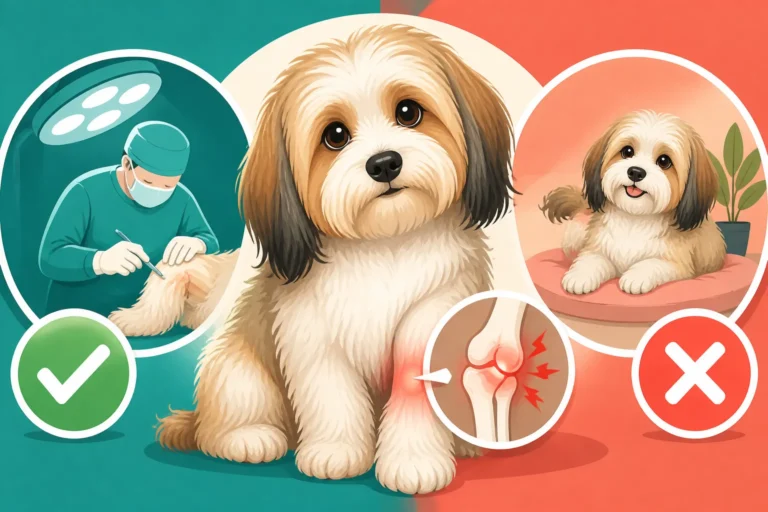
Whether Cataract Surgery Suits a Havanese
Finding out your beloved Havanese is developing cataracts can be incredibly worrying. You see those cloudy eyes and immediately picture them struggling to navigate their familiar home, bumping into furniture, and losing that sparkle in their curious gaze. It’s a frightening prospect, and naturally, you want to know what can be done to help, and whether a big step like surgery is truly the right path for your little companion. This guide is here to walk you through everything you need to consider about cataract surgery for your Havanese, helping you understand the condition, the procedure, and what to expect so you can make the most informed decision possible.
Understanding Cataracts in Your Havanese
Cataracts are more than just a cloudy look in your dog's eyes; they represent a significant change in the lens itself, affecting how light passes through and ultimately, how well your Havanese can see the world around them. When you notice these changes, it's natural to feel a pang of worry about their future quality of life.
What Exactly Are Cataracts?
At its simplest, a cataract is an opacity or cloudiness that develops in the lens of the eye. Think of it like a window gradually frosting over; eventually, very little light can get through. The lens's job is to focus light onto the retina, which then sends visual information to the brain. When a cataract forms, it scatues the light, leading to blurred vision, and in severe cases, complete blindness. Unlike the normal age-related nuclear sclerosis, which causes a bluish-gray haze but usually doesn't significantly impair vision, cataracts are progressive and truly block sight. It’s a real challenge for a dog, especially one as reliant on their environment as a Havanese.
These opacities can vary in size and density, ranging from tiny specks that barely affect vision to a complete clouding of the entire lens. A small, immature cataract might only cause mild visual impairment, perhaps making your Havanese a little more hesitant in dimly lit rooms. However, a mature cataract, covering the entire lens, will lead to profound vision loss, often resulting in your dog being unable to see anything beyond light and dark. It’s a spectrum of severity, and where your Havanese falls on that spectrum will heavily influence any treatment decisions.
Genetic Predisposition and Onset in Havanese
Unfortunately, like many purebred dogs, Havanese are known to have a genetic predisposition to certain health issues, and cataracts are on that list. While they can develop cataracts due to diabetes, trauma, or other eye conditions, hereditary cataracts are a significant concern for Havanese owners. This means that even with the best care, some Havanese are simply more likely to develop them because of their genetic makeup. This is why responsible breeders will conduct genetic testing and eye certifications as part of their health screening protocols. Understanding The Eye Diseases a Havanese Inherits is crucial for any potential or current owner.
Hereditary cataracts in Havanese often fall into the category of "juvenile cataracts," meaning they can appear relatively early in life, sometimes even before a year or two of age. This can be particularly heartbreaking, as you envision a long life ahead for your puppy, only to find their vision beginning to fail prematurely. However, cataracts can also develop later in life, as a geriatric condition. For insights into age-related occurrences, you might find it helpful to read about The Age Cataracts Appear in a Havanese. The exact age of onset and rate of progression can vary wildly, even within the same breed, making regular veterinary check-ups and eye examinations vital.
Deciding on Cataract Surgery for Your Havanese
The thought of your little Havanese undergoing surgery can be daunting, and it's a decision that requires careful consideration of many factors, not just the physical procedure itself. It’s about weighing the potential benefits against the risks and ensuring it truly aligns with your dog’s overall well-being and your family's capacity to provide post-operative care.
Initial Signs and Veterinary Assessment
You might first notice your Havanese starting to bump into things in dimly lit rooms, or perhaps they become more hesitant to jump off furniture they once navigated with ease. Their pupils might appear cloudy or bluish-white, especially when light catches them just right. These are all cues that it's time for a veterinary visit. Your general practitioner can perform an initial eye exam, but for a definitive diagnosis and assessment of cataracts, a referral to a veterinary ophthalmologist is almost always necessary. This specialist has the sophisticated equipment and expertise to properly evaluate the lens and the rest of the eye, determining the exact type and stage of the cataract. They’ll also be looking for other potential eye issues, as sometimes cataracts are just one piece of a larger puzzle. This is also why Whether a Havanese Needs a Yearly Eye Exam is such a pertinent question for Havanese owners.
During this specialized exam, the ophthalmologist will conduct a thorough assessment, including evaluating tear production, intraocular pressure (to check for glaucoma), and the condition of the retina. The health of the retina is paramount; if the retina is damaged or diseased, even a successful cataract surgery won't restore vision, making the surgery essentially pointless for that particular eye. The ophthalmologist will use tools like an indirect ophthalmoscope and a slit-lamp biomicroscope to get a detailed view of the eye's internal structures. This comprehensive evaluation is critical for determining if your Havanese is a suitable candidate for surgery and helps manage your expectations regarding the outcome.
Factors Influencing Candidacy for Surgery
Not every Havanese with cataracts is a candidate for surgery, and that’s an important truth to grasp. Several factors play a role in this complex decision. The dog's overall health is paramount; they need to be healthy enough to undergo general anesthesia and recover from surgery. This means pre-surgical blood work, sometimes an ECG, and a thorough physical exam are non-negotiable. If your Havanese has underlying conditions like heart disease or significant kidney issues, the risks associated with anesthesia might outweigh the benefits of vision restoration. This is where your regular vet and the ophthalmologist will collaborate closely. You might consider asking Whether a Havanese Needs a Yearly Blood Panel to keep track of their general health.
The type, stage, and cause of the cataract also weigh heavily. Immature or incipient cataracts might not yet warrant surgery, as vision is still present. Over-ripe cataracts, however, can cause significant inflammation within the eye, increasing surgical risks. If the cataract is secondary to another condition, like advanced diabetes, the underlying issue needs to be managed first. The temperament of your Havanese also plays a role; while most Havanese are docile, an overly anxious or aggressive dog might struggle with the intensive post-operative care, which involves frequent eye drops and restricted activity. Finally, your ability to commit to the rigorous post-operative medication schedule and follow-up appointments is a huge factor, as compliance is key to a successful outcome.
What to Expect: The Surgical Journey and Recovery
Once the decision for cataract surgery has been made, understanding the journey ahead is crucial. This isn't a quick fix; it's a dedicated process involving detailed preparation, a delicate surgical procedure, and a committed post-operative recovery period.
Pre-Operative Preparations and the Procedure
Before your Havanese even gets near the operating table, a battery of pre-operative tests will be performed. This usually includes comprehensive blood work to assess organ function and ensure they can safely handle anesthesia. An electroretinogram (ERG) will be done to confirm that the retina is functional, as a non-functional retina means surgery won't restore vision. An ocular ultrasound might also be performed to look for any hidden issues behind the cataract, like retinal detachment, that wouldn't be visible otherwise. These tests are vital to maximize the chances of a successful outcome and prevent unnecessary surgery.
The surgery itself, known as phacoemulsification, is remarkably similar to human cataract surgery. It involves making a tiny incision in the cornea, through which a small probe is inserted. This probe uses ultrasonic vibrations to break up the cloudy lens into tiny fragments, which are then suctioned out. Once the old lens material is removed, an artificial intraocular lens (IOL) is typically implanted to restore proper focusing ability. This entire procedure is performed under a surgical microscope with extreme precision by a board-certified veterinary ophthalmologist. Your Havanese will be under general anesthesia for the duration, with their vital signs carefully monitored throughout. It's truly a marvel of modern veterinary medicine, offering a second chance at sight.
Post-Operative Care and Medication
This is arguably the most critical phase for a successful outcome. Your Havanese will likely go home the same day or the next, and your job begins immediately. Expect a strict regimen of multiple eye drops several times a day for several weeks, if not months. These drops are essential to control inflammation, prevent infection, and manage pain. Missing doses or administering them incorrectly can lead to serious complications, including vision loss. Your vet will demonstrate exactly how to administer the drops, and practicing beforehand with a saline solution can be helpful.
Your Havanese will also need to wear an Elizabethan collar (the "cone of shame") continuously for several weeks to prevent them from rubbing or scratching their eyes, which could cause severe damage. Activity will be restricted, meaning no running, jumping, or rough play. Leash walks for potty breaks only, and no stairs if possible. This can be challenging for an active Havanese, but it's non-negotiable for proper healing. Regular follow-up appointments with the ophthalmologist, often starting within 24 hours of surgery, are crucial to monitor healing, check eye pressure, and adjust medications. This intensive period requires immense dedication from you, the owner, to ensure the best possible recovery.
Life After Diagnosis: Surgical and Non-Surgical Paths
Whether your Havanese undergoes cataract surgery or not, life will change. Understanding the realistic outcomes and how to adapt, both with and without surgery, is key to maintaining their happiness and quality of life.
Risks, Benefits, and Expectations of Surgery
While cataract surgery boasts a high success rate in restoring functional vision (often 80-90% for straightforward cases), it’s not without risks. Potential complications include post-operative inflammation that can be severe, glaucoma (increased pressure in the eye), retinal detachment, or infection. While rare, these can sometimes lead to further vision loss or even the need for eye removal in extreme cases. This is why strict adherence to post-operative care is so vital. It’s important to discuss all these potential risks thoroughly with your veterinary ophthalmologist.
The benefits, however, can be life-changing. Imagine your Havanese, who was bumping into furniture, suddenly navigating their home with confidence, spotting squirrels in the yard, and making eye contact with you again. Improved vision profoundly enhances their quality of life, restoring their independence, confidence, and ability to engage with their world. For many Havanese, who thrive on interaction and exploration, this can mean a return to their joyful, energetic selves. Setting realistic expectations is crucial: vision might not be 20/20, but it should be functional, allowing them to lead a full and happy life. It’s also worth considering how Whether a Havanese Recovers Fully From Hip Surgery might offer some parallel insights into recovery expectations from major operations.
Managing Cataracts Without Surgery
For some Havanese, surgery simply isn’t an option due to age, underlying health conditions, financial constraints, or if the cataract is not significantly impacting their quality of life. In these cases, adapting to vision loss becomes the focus. Dogs are remarkably adaptable creatures, relying heavily on their other senses. Maintaining a consistent home environment is critical – don't rearrange furniture, keep food and water bowls in the same spot, and create clear pathways. Use scent markers or textured mats to help them identify key areas. Verbal cues become even more important, and a gentle tap on the floor can guide them.
Supportive care may involve anti-inflammatory eye drops to manage any discomfort or inflammation caused by the cataract, though these won't restore vision. Regular veterinary check-ups are still important to monitor eye health and rule out secondary issues like glaucoma. Many dogs with complete vision loss can still lead incredibly fulfilling lives, provided their owners are patient, understanding, and committed to their safety and comfort. For an older Havanese, Caring for a Havanese Past Twelve provides excellent advice on accommodating their changing needs, including potential vision loss. Ultimately, the goal is to ensure your Havanese feels secure, loved, and engaged with the world in ways that are accessible to them.
Financial Considerations and Pet Insurance
Cataract surgery is a specialized procedure, and as such, it comes with a significant cost. The total expense can vary widely depending on your geographic location, the veterinary ophthalmologist's fees, the complexity of the case, and the extent of pre- and post-operative care required. Typically, you can expect costs to range from $3,000 to $5,000 per eye, and often both eyes need surgery. This includes the initial consultation, pre-operative diagnostics (ERG, ultrasound), the surgery itself (anesthesia, surgeon's fees, artificial lens), and the necessary post-operative medications and follow-up visits. It's a substantial investment, and understanding What Cataract Surgery Costs on a Havanese can help you prepare.
| Service | Estimated Cost (per eye, USD) |
|---|---|
| Initial Ophthalmologist Consultation | $150 – $300 |
| Pre-operative Diagnostics (ERG, US) | $500 – $1,000 |
| Surgical Procedure (Phacoemulsification, IOL) | $2,000 – $3,500 |
| Post-operative Medications (drops) | $100 – $300 |
| Post-operative Follow-up Visits | $200 – $500 |
| Total Estimated Cost (per eye) | $2,950 – $5,300 |
This is where pet insurance can be an absolute lifesaver. Policies from companies like Healthy Paws can significantly offset these costs, especially if you enrolled your Havanese before the cataracts developed or were diagnosed, as most policies consider pre-existing conditions. Many owners who have pet insurance through providers such as Healthy Paws have found that it gives them peace of mind and the ability to choose the best medical options without being solely driven by financial constraints. While it's a monthly expense, a good pet insurance plan can make a world of difference when a major health issue like cataracts arises. For more general advice on coverage, you might also look into Whether a Havanese Is Worth Insuring. Always review policy details carefully to understand what is covered, waiting periods, and deductibles, especially regarding breed-specific conditions or hereditary issues. It’s always best to be prepared for the unexpected when it comes to your pet's health.
Disclaimer
This article is intended for informational purposes only and does not constitute veterinary medical advice. Always consult with a qualified veterinarian or veterinary ophthalmologist for any health concerns or before making any decisions about your Havanese's care, especially regarding surgical procedures. Individual outcomes and recommendations may vary.