The Age a Havanese Shows Hip Pain
It’s truly disheartening when you start noticing little changes in your beloved Havanese – maybe a slight hesitation before jumping, a shift in their playful energy, or even a subtle limp. These small signs often trigger a cascade of worries about their well-being, especially when it comes to something as fundamental as hip health. This comprehensive guide aims to illuminate the various reasons a Havanese might experience hip pain, shedding light on the typical ages when these issues tend to manifest, so you can be better prepared to support your furry family member.
Understanding Hip Health in Your Havanese Companion
When we think of hip problems, our minds often jump to larger breeds like German Shepherds or Labradors, but even our pint-sized Havanese can experience discomfort and pain in their joints. It’s a common misconception that small dogs are somehow immune to skeletal issues, but their delicate structures require just as much, if not more, attention.
Why Havanese Can Be Prone to Joint Issues
While Havanese are generally a healthy and robust breed, they aren't entirely exempt from genetic predispositions or developmental conditions that can affect their hips and other joints. Their lineage, stemming from the Bichon family, means they share some vulnerabilities. Their small size doesn't necessarily make their joints stronger; in fact, the mechanics of their small bones and rapid growth phases can sometimes put them at a particular risk for certain conditions. A Havanese's active and often bouncy nature can also put stress on their joints over time, making early detection and proactive care incredibly important.
The Anatomy of a Havanese Hip
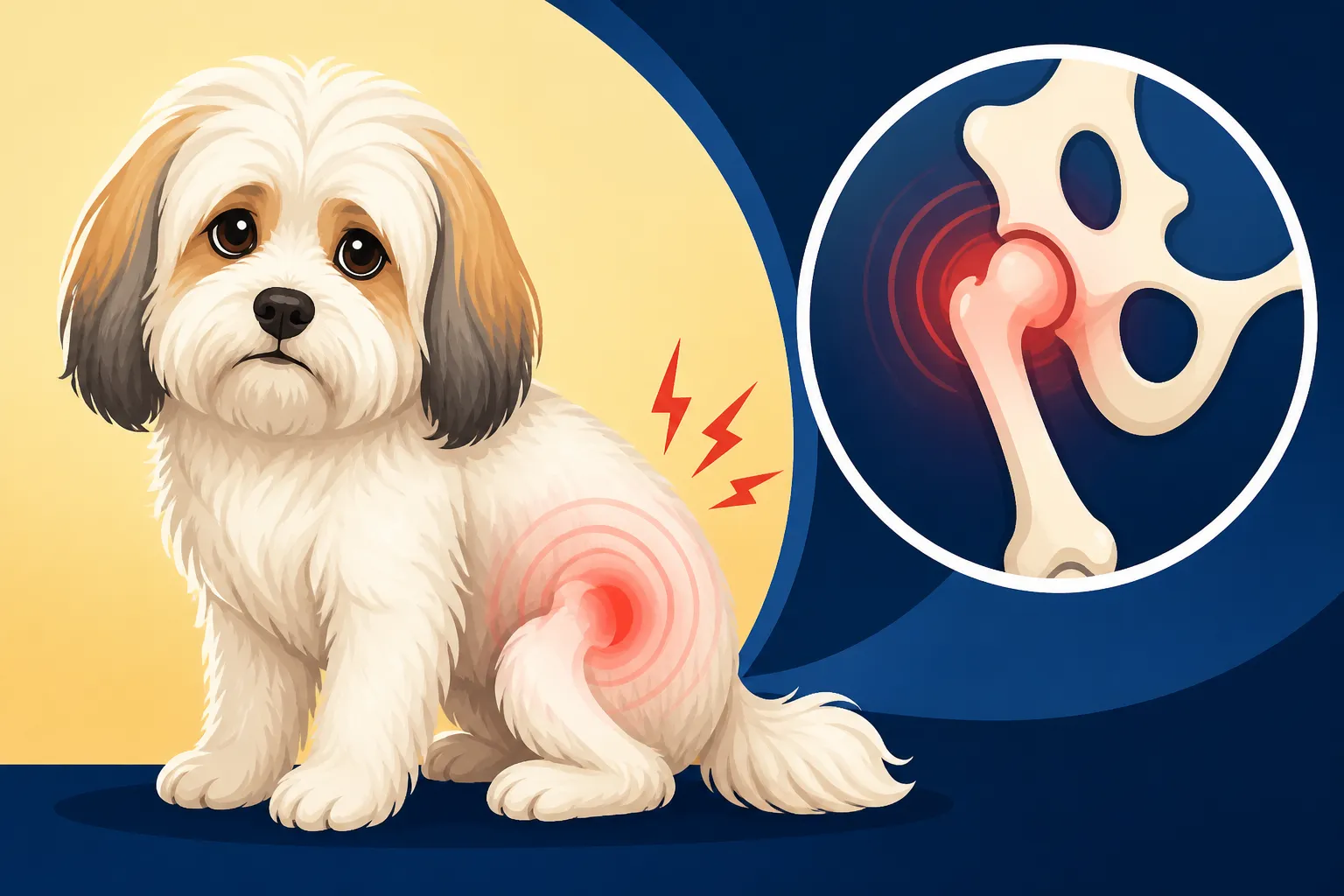
To truly understand hip pain, it helps to know a little about the hip itself. A Havanese's hip joint is a classic ball-and-socket joint, much like our own. The "ball" is the head of the femur (thigh bone), and the "socket" is a part of the pelvis called the acetabulum. These two surfaces are covered in smooth cartilage, allowing for seamless movement, and are held together by strong ligaments and muscles. When everything works perfectly, your Havanese can run, jump, and twist with incredible agility. However, if any part of this intricate system—the bone, cartilage, ligaments, or surrounding muscles—is compromised, pain and reduced mobility can quickly follow. Understanding this basic structure helps us grasp why issues like developmental abnormalities or wear-and-tear can lead to such significant discomfort for our little friends.
Early Warning Signs of Hip Discomfort in Your Havanese
Spotting hip pain in a Havanese can be tricky because their pain tolerance varies, and they often try to mask discomfort. They might not yelp or cry out, but instead, show subtle behavioral and movement changes that are easy to miss if you're not paying close attention. It's often the small shifts in their daily routine that are the biggest red flags.
Subtle Changes in Gait and Movement
One of the most telling signs of hip discomfort in a Havanese is a change in how they move. You might notice them favoring one leg slightly, or perhaps their usual energetic run looks a bit off. A common observation is a "bunny hopping" gait, where they use both back legs simultaneously to move forward, rather than alternating them. This is often an attempt to reduce pressure on a painful hip. They might also appear stiff, especially after resting or first waking up. You might also notice a decreased range of motion in their hind legs, or a reluctance to extend their legs fully when stretching. Sometimes, you’ll just have a gut feeling that their bounce isn’t quite as springy as it used to be.
Behavioral Indicators of Pain
Beyond physical movement, a Havanese experiencing hip pain might exhibit behavioral changes. They might become less enthusiastic about activities they once loved, like chasing a ball or going for a walk. Jumping onto the couch or bed, a common Havanese pastime, might become a struggle or something they avoid entirely. You may notice them choosing to lie down in different positions, perhaps on their side with legs extended, trying to find a comfortable spot that alleviates pressure. Some dogs might become a bit more withdrawn, less playful, or even show a slight irritability if touched in the painful area. It’s their way of telling you something isn't right, even if they can't speak the words.
What to Watch For in Puppies vs. Older Dogs
The manifestation of hip pain can differ significantly between a Havanese puppy and a senior dog. In puppies, hip pain usually points to developmental issues. You might see a young Havanese puppy showing reluctance to play, yelping when picked up, or displaying an unusual gait like the aforementioned bunny hop. Their growth plates are still developing, making them susceptible to conditions that affect bone formation.
For older Havanese, around the age of twelve and beyond, hip pain is more often associated with degenerative conditions like arthritis. You might see a gradual slowing down, difficulty getting up after naps, stiffness in the mornings, or a general reduction in their activity levels. They might still want to play, but their body just isn’t quite as willing. Recognizing these age-specific cues can help you bring your concerns to your vet more effectively.
Common Causes of Hip Pain and Their Typical Onset Ages
When it comes to hip pain in Havanese, it's rarely a single, straightforward issue. There are a few key culprits that owners should be aware of, each with its own typical timeline for showing symptoms. Understanding these conditions can help you better identify what might be happening with your furry friend.
Legg-Calve-Perthes Disease LCPD
This is a condition that most often affects young, small breed dogs, including our Havanese. It's a spontaneous degeneration of the head of the femur – the "ball" part of the hip joint. Essentially, the blood supply to the femoral head is interrupted, causing the bone to die and then collapse. This leads to severe pain and lameness.
Symptoms of Legg-Calve-Perthes Disease (LCPD) typically appear between 4 to 12 months of age, though sometimes they can be seen as early as 3 months or as late as 18 months. You might notice your Havanese puppy suddenly developing a limp in one of their hind legs, which can progressively worsen. They might be reluctant to bear weight on the affected leg, show muscle atrophy in the thigh, or cry out when the hip is manipulated. It’s a heartbreaking sight to see such a young dog in so much pain. For a deeper dive into how this condition develops, you can read more about how Legg Calve Perthes starts in a Havanese. The age a Havanese shows hip pain due to LCPD is quite specific to their puppyhood, making early veterinary intervention crucial. While it usually affects one hip, it can occasionally affect both. Often, the best course of action for this condition is surgical, and understanding whether a Havanese needs femoral head surgery is a critical discussion to have with your vet.
Luxating Patella and Its Impact on Hips
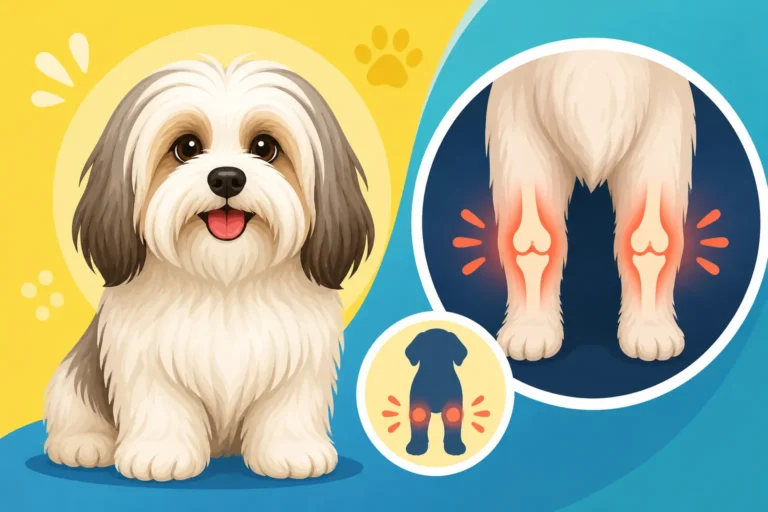
While a luxating patella is primarily a knee (stifle) issue, it absolutely can contribute to hip pain and gait abnormalities. A luxating patella, often referred to as a "slipping kneecap," occurs when the patella (kneecap) dislocates from its normal groove in the femur. This is one of the most common orthopedic problems in Havanese and other small breeds.
The kneecaps a Havanese slips can cause them to skip a step or hold up a leg for a few strides before popping it back into place and resuming normal activity. While the direct pain is in the knee, the consistent alteration in their gait and weight distribution as they compensate for the slipping kneecap puts unnatural stress on their hip joints. Over time, this abnormal biomechanics can lead to secondary hip pain, muscle imbalances, and even degenerative changes in the hips. Symptoms of luxating patella can often appear in puppyhood, sometimes as early as 4-6 months, and persist throughout life if untreated. The severity is typically graded, and understanding grading a Havanese's luxating patella can help predict its impact on overall mobility. The constant compensation can lead to a host of issues, making early management important. You might be surprised at how common slipping kneecaps are in a Havanese, and how much they can indirectly affect other joints.
Osteoarthritis and Degenerative Joint Disease
Unlike LCPD which is a developmental disease, osteoarthritis (OA) is a degenerative condition that typically affects older dogs, much like arthritis in humans. It's characterized by the breakdown of cartilage within the joint, leading to bone-on-bone friction, inflammation, and pain.
For Havanese, osteoarthritis usually begins to show symptoms as they enter their senior years, often around 8-10 years of age, but sometimes earlier if they have pre-existing joint issues like chronic luxating patella or unresolved trauma. You'll often see a gradual onset of stiffness, especially after rest, reduced activity levels, difficulty with stairs or jumping, and sometimes a noticeable limp. The progression is often slow and insidious, making it hard for owners to pinpoint the exact moment it started. While it's a natural part of aging for many dogs, proactive management can significantly improve their comfort and quality of life. Caring for a Havanese past twelve often involves managing the symptoms of arthritis to ensure they remain comfortable and happy in their golden years.
Hip Dysplasia
Though significantly more common and severe in larger breeds, it is not unheard of for a Havanese to get hip dysplasia. Hip dysplasia is a genetic condition where the ball and socket of the hip joint don't fit together perfectly, leading to looseness in the joint, abnormal wear, and eventually degenerative joint disease.
When hip dysplasia does occur in Havanese, it can manifest at various ages. Some puppies might show signs of discomfort or an abnormal gait as early as 5-8 months, particularly after exercise. Others might not show significant symptoms until they are adults or even seniors, when the chronic instability leads to secondary osteoarthritis. The signs can be subtle in small dogs – a slight bunny hop, reluctance to jump, or a decreased desire to play. Because it's less prevalent in Havanese compared to giants, it might not be the first thing a vet suspects, but it's important to keep in mind, especially if a puppy shows persistent hind leg lameness.
The Diagnostic Journey for Havanese Hip Pain
When you notice your Havanese is showing signs of hip pain, the next crucial step is an accurate diagnosis from your veterinarian. It can feel like a stressful journey, wondering what’s going on, but your vet has a systematic approach to get to the bottom of it.
Initial Veterinary Examination
Your journey will begin with a thorough physical examination by your veterinarian. They’ll want to hear all about what you’ve observed – when the symptoms started, what makes them better or worse, and any changes in your Havanese's behavior. They'll then perform a hands-on orthopedic examination. This involves palpating (feeling) the hip joints, gently manipulating the legs through their range of motion, and checking for pain, clicking, grinding, or instability.
Don't be surprised if your vet also watches your Havanese walk, trot, and stand. They might ask you to walk your dog back and forth to observe their gait and identify any lameness or compensatory movements. Sometimes, the vet might perform specific tests, like the Ortolani sign or Bardens test, which are designed to check for hip laxity. This initial assessment is vital for narrowing down the potential causes of discomfort and deciding on the next diagnostic steps.
Imaging Techniques
Once your vet has a good idea of what might be happening from the physical exam, they’ll almost certainly recommend imaging. X-rays are the most common and often the most useful diagnostic tool for hip issues. Your Havanese will usually need to be sedated or given light anesthesia for X-rays, as proper positioning is critical to get clear images of the hip joints without discomfort. The X-rays will allow the vet to visualize the bones and joints, looking for signs of LCPD (such as femoral head collapse), hip dysplasia (joint laxity, shallow acetabulum), or osteoarthritis (cartilage loss, bone spurs).
In some more complex cases, or if the X-rays are inconclusive, your vet might suggest advanced imaging techniques. This could include a CT scan (Computed Tomography) or an MRI (Magnetic Resonance Imaging). These provide much more detailed, three-dimensional views of the bones, cartilage, ligaments, and soft tissues. While these are more expensive and often require referral to a specialist, they can be invaluable for pinpointing the exact nature and extent of the problem, especially when considering surgical options or if the issue isn't purely bone-related.
Managing and Treating Hip Pain in Your Havanese
Finding out your Havanese is in pain can be incredibly upsetting, but the good news is that there are many effective ways to manage and treat hip issues, ranging from conservative approaches to surgical interventions. The goal is always to reduce pain, improve mobility, and enhance your dog's overall quality of life.
Conservative Management Strategies
For many Havanese, especially those with mild to moderate hip pain or conditions like early-stage osteoarthritis, conservative management is the first line of defense. This approach focuses on alleviating symptoms without surgery.
- Medication: Your vet might prescribe Non-Steroidal Anti-Inflammatory Drugs (NSAIDs) to reduce pain and inflammation. These are very effective but need to be used under veterinary guidance due to potential side effects. Other pain medications might also be used in conjunction with NSAIDs or as alternatives.
- Weight Management: This is absolutely critical. Even a few extra pounds can put immense strain on a Havanese's small joints. Keeping your dog at a healthy, lean weight can significantly reduce pain and slow the progression of degenerative joint disease. This is one of the easiest, yet most impactful, things you can do at home.
- Physical Therapy and Rehabilitation: Just like in humans, physical therapy can do wonders. This might include hydrotherapy (underwater treadmill), therapeutic exercises, massage, and gentle stretching. A certified canine rehabilitation therapist can design a program tailored to your Havanese's specific needs, helping to build muscle strength, improve range of motion, and reduce pain.
- Joint Supplements: Many owners turn to joint supplements containing ingredients like glucosamine, chondroitin, MSM, and Omega-3 fatty acids. These can help support cartilage health and reduce inflammation. While they aren't a cure, whether joint supplements help a Havanese is a question many vets answer with a cautious "yes," as they can often provide noticeable comfort, especially when used consistently over time.
Surgical Interventions
Sometimes, conservative management just isn't enough, or the nature of the condition, like advanced LCPD or severe hip dysplasia, necessitates a surgical solution. Modern veterinary surgery offers several options for hip issues in Havanese.
For Legg-Calve-Perthes Disease, a Femoral Head Ostectomy (FHO) is a common procedure. This involves removing the head and neck of the femur, allowing scar tissue to form a "false joint" that is pain-free. While it sounds drastic, smaller dogs like Havanese tend to do exceptionally well with FHOs, often regaining excellent function. Knowing what femoral head surgery costs a Havanese owner can help you prepare for the financial aspect of this intervention. The recovery period involves careful physical therapy, and the question of whether a Havanese recovers fully from hip surgery after an FHO is often met with positive outcomes, especially with diligent post-operative care.
For severe hip dysplasia, more complex surgeries like total hip replacement are available, although they are less commonly performed on small breeds like Havanese due to the specialized implants and expertise required. These procedures can dramatically improve a dog's quality of life by replacing the damaged joint with prosthetic components. Your vet will discuss the pros and cons of surgical options based on your Havanese's specific condition and your family's situation.
Long-Term Care and Quality of Life
Living with a Havanese who has chronic hip pain means a commitment to ongoing care. This isn’t a one-and-done situation; it’s about consistently providing support to maintain their comfort and mobility.
This might involve regular vet check-ups to monitor their condition, adjusting medication as needed, and continuing with gentle exercise routines tailored to their capabilities. Creating a comfortable home environment is also key. Consider orthopedic dog beds, ramps or steps for accessing furniture (especially important for keeping a Havanese off furniture it should not jump from, to protect their joints), and non-slip mats on hard floors. These small modifications can make a huge difference in their daily comfort and ability to move around safely. Pet insurance, such as plans offered by Healthy Paws, can be an invaluable resource when facing the long-term costs of managing chronic hip conditions, providing peace of mind and ensuring you can always provide the best care. Your dedication to their long-term care will ensure your Havanese continues to live a full and happy life, even with joint challenges.
Proactive Steps for Havanese Hip Health
While some hip issues are beyond our control due to genetics, there's actually quite a lot we can do as Havanese owners to promote optimal hip health and potentially prevent or delay the onset of painful conditions. It's all about being informed and proactive from the start.
Importance of Responsible Breeding and Health Testing
One of the most powerful tools against inherited joint diseases lies in responsible breeding practices. Reputable Havanese breeders are diligent about health testing their breeding stock for common conditions that can affect the breed, including hip and knee issues. This means ensuring that parents are certified free of hip dysplasia (though not strictly required for Havanese by OFA, good breeders still screen) and, more commonly for Havanese, luxating patella.
When looking for a puppy, always ask to see the health clearances of the parents. This often includes certifications from organizations like the Orthopedic Foundation for Animals (OFA) or the Canine Health Information Center (CHIC). A breeder who can transparently share the health test results of their breeding dogs is demonstrating a commitment to the long-term health of their puppies. Delving into the details of the health tests both Havanese parents should have can provide immense insight into a puppy's potential genetic predispositions. Choosing a puppy from health-tested lines significantly reduces the risk of inheriting debilitating hip conditions.
Nutritional Support and Supplements
Nutrition plays a foundational role in joint health throughout a Havanese's life. During puppyhood, feeding a high-quality, balanced diet specifically formulated for small breed puppies ensures they grow at an appropriate rate, which is crucial for proper bone and joint development. Overfeeding a puppy can lead to rapid growth and increased stress on developing joints, predisposing them to issues.
For adult and senior Havanese, maintaining a lean body weight through a balanced diet is paramount. As discussed, even slight obesity drastically increases stress on the hips. Incorporating joint-supporting nutrients can also be beneficial. Many dog foods today are fortified with glucosamine and chondroitin, but supplements can provide an extra boost. Omega-3 fatty acids, found in fish oil, are excellent for their anti-inflammatory properties, which can help alleviate joint pain and improve overall joint health. When considering whether joint supplements help a Havanese, speak with your vet about appropriate dosages and types, as not all supplements are created equal. Pet insurance, like that from Healthy Paws, can also help cover the costs of prescription diets or supplements if they are deemed medically necessary for a diagnosed condition.
Safe Exercise and Home Environment
Daily exercise is vital for muscle development and maintaining joint flexibility, but it needs to be appropriate for a Havanese's size and age. Avoid excessive high-impact activities, especially during puppyhood when their growth plates are still open. Instead, focus on moderate, consistent exercise like walks, gentle play sessions, and mental stimulation.
Your home environment also plays a big role in protecting their hips. Havanese love to jump, but repeated impact from jumping off high surfaces like beds, couches, or even stairs can strain their joints over time. Provide ramps or steps to allow them safe access to elevated areas. Consider whether a Havanese should use steps to the couch to prevent unnecessary stress. Similarly, address slippery floors. Hardwood or tile floors can cause small dogs to splay out, leading to slips and falls that can injure their hips and other joints. Placing rugs or runners in frequently trafficked areas can provide much-needed traction. You might also want to read up on whether stairs damage a Havanese's knees, as knee issues often contribute to hip problems through compensatory movements. By being mindful of their environment, we can help protect their delicate joint health for years to come.
Disclaimer
The information provided in this guide is intended for general educational purposes only and should not be considered a substitute for professional veterinary advice. Always consult with a qualified veterinarian for any health concerns or before making any decisions related to your Havanese's medical care.