Whether Both of a Havanese’s Knees Go
One of the most heart-wrenching things to witness as a Havanese owner is that sudden skip, that momentary hesitation in their happy trot, or even a full-blown limp that signals something is amiss with their little legs. While many of us brace for the possibility of a slipping kneecap in one leg, the thought of both knees succumbing to patellar luxation can feel overwhelming and genuinely scary. This guide is here to shed light on what it means when both of your Havanese's knees are affected, how to navigate this challenge, and what you can do to support your beloved companion.
The Reality of Both Kneecaps Slipping in Havanese
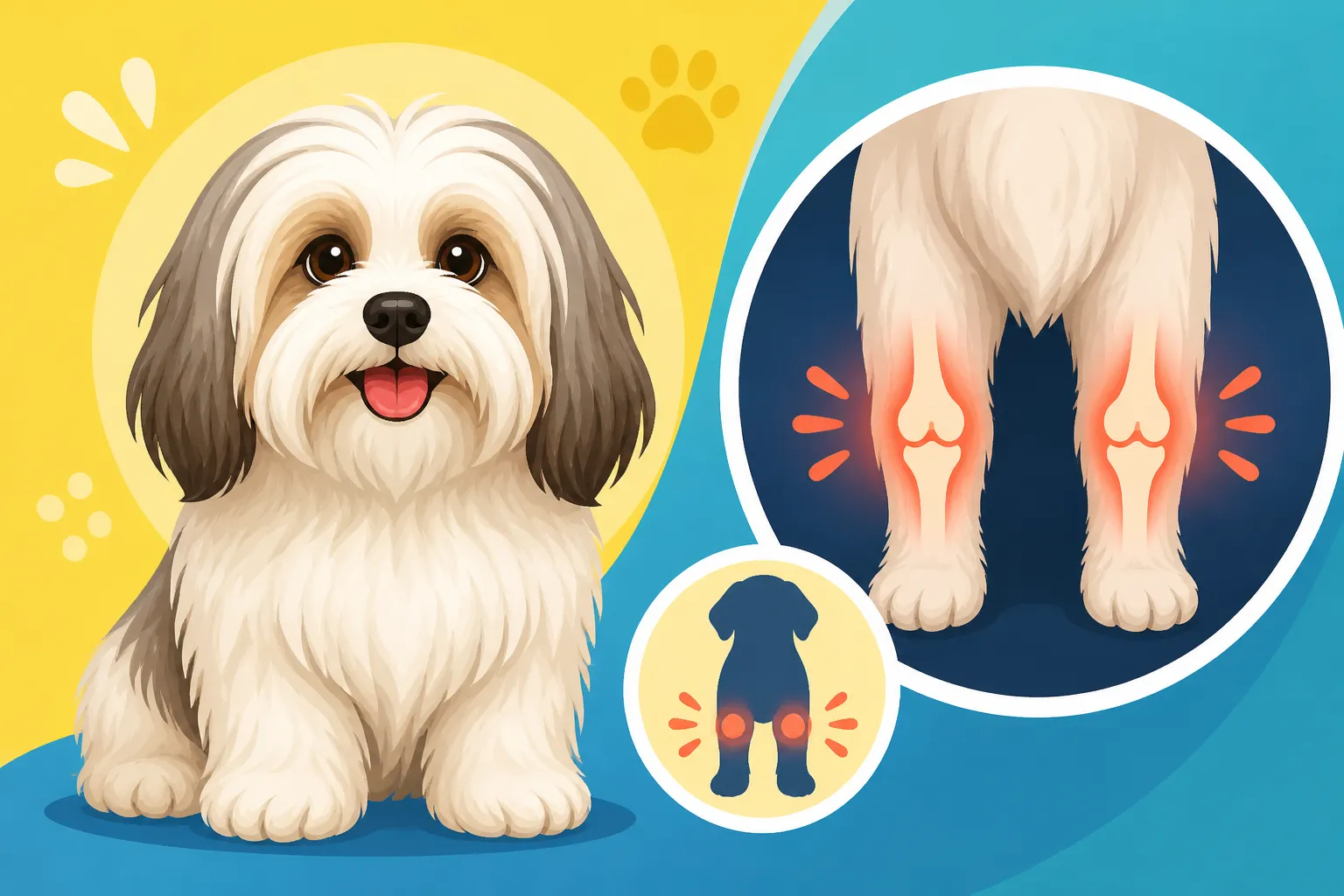
It’s a common misconception that if a Havanese develops patellar luxation, it will only affect one leg. Unfortunately, for many Havanese, the genetic predisposition or structural issues that lead to this condition can manifest in both hind limbs, a condition known as bilateral patellar luxation. This can certainly be more challenging to manage, both for the dog and for you, as their dedicated caregiver. The good news is that understanding the nuances of this condition is the first step toward effective management and ensuring your Havanese still lives a joyful, active life.
How Patellar Luxation Presents in Our Havanese Friends
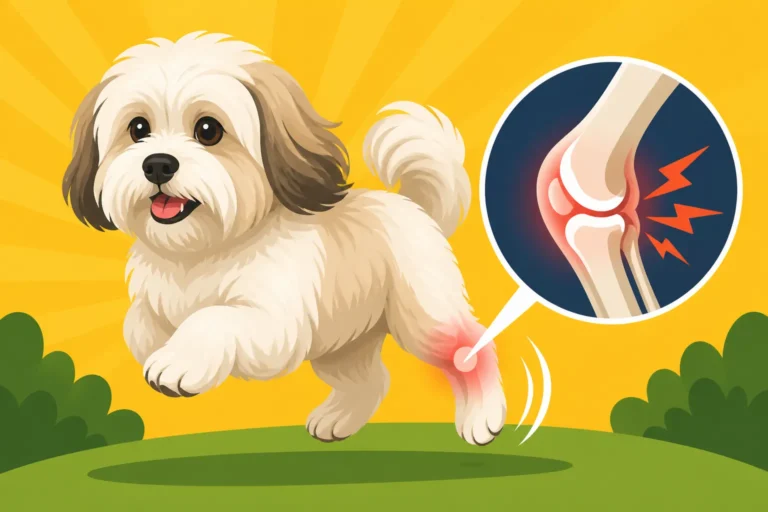
Patellar luxation, often called "slipping kneecap," occurs when the patella (kneecap) dislocates or moves out of its normal groove in the femur (thigh bone). In Havanese, it's typically medial luxation, meaning the kneecap slips towards the inside of the leg. This can range from a very mild, occasional skip where the kneecap pops back into place on its own, to a severe, constant dislocation that causes significant pain and lameness. You might notice your Havanese suddenly holding up a back leg for a few steps, shaking it, and then resuming normal activity as if nothing happened. This is often described as "The Skip That Means a Havanese's Knee Has Gone", and it's a classic sign.
When both knees are affected, the signs can be more pronounced or, paradoxically, more subtle if both knees are equally problematic. Instead of a distinct limp on one leg, you might observe a more generalized stiffness, an unusual "bunny hop" gait where both hind legs move together, or a reluctance to jump, climb stairs, or engage in their usual playful antics. Sometimes, puppies might develop bowed legs, which can be an indication of underlying skeletal issues contributing to patellar luxation. These persistent signs are often the first hint that you're dealing with more than just an occasional unilateral slip.
Understanding Why Both Knees Can Be Affected
The primary reason why patellar luxation often affects both knees in Havanese is due to its strong genetic component. This isn't just a random injury; it's typically an inherited structural abnormality where the bones of the leg (femur, tibia), the ligaments, and the muscles are not perfectly aligned. When the trochlear groove (the slot in the femur where the kneecap normally sits) is too shallow, or the attachment points for the quadriceps muscle are out of alignment, the kneecap is prone to slipping. Since these skeletal characteristics are inherited, it’s not uncommon for both hind limbs to possess similar anatomical predispositions. This is why reputable breeders are diligent about health screening, trying to reduce the incidence of conditions like The Kneecaps a Havanese Slips.
Think of it like this: if your Havanese inherited slightly misaligned leg structures, it's likely both legs received that same blueprint. Sometimes, even if one knee starts to slip first, the dog might compensate by shifting weight to the other leg, which can then put undue stress on that knee, eventually leading to luxation there too. It's a cascade effect, where the body tries to adapt, but in doing so, can sometimes exacerbate a pre-existing weakness in the "good" leg. Understanding this genetic link underscores the importance of choosing a puppy from parents who have been screened for orthopedic health issues.
Spotting the Signs and Navigating Diagnosis
Detecting patellar luxation, especially when it's bilateral, requires keen observation on your part and a thorough examination by your veterinarian. Because Havanese are generally playful and stoic, they might try to hide discomfort, making it crucial to pay close attention to even minor changes in their movement or behavior.
From Subtle Skips to Consistent Limping
The signs of patellar luxation in a Havanese can be incredibly varied. Initially, you might see just a fleeting skip or hop in their gait, almost as if they tripped, but they quickly recover. This often happens after vigorous play or jumping. If only one knee is affected, the limp will be clearly localized to that side. However, with bilateral luxation, things can be more ambiguous.
Your Havanese might exhibit a more generalized stiffness, especially after resting. They might seem reluctant to use the stairs, or struggle to get onto the couch or bed, even if they used to jump effortlessly. Sometimes, you’ll notice an alteration in their posture, carrying their hindquarters lower, or walking with a peculiar crouch. For a Havanese puppy, the initial signs might be a less energetic play style compared to littermates or an inability to properly bear weight on their back legs. Over time, if left unaddressed, the condition can worsen, leading to persistent lameness in one or both legs, muscle atrophy in the hindquarters, and even arthritis. It’s always best to consult your vet if you notice any unusual gait, a new reluctance to move, or any signs of pain.
The Diagnostic Journey with Your Veterinarian
When you bring your Havanese to the vet with concerns about their knees, the diagnostic process typically begins with a thorough physical examination. Your veterinarian will carefully palpate each knee, manipulating the patella to assess its stability and how easily it can be luxated. This is where they will often determine the "Grading a Havanese's Luxating Patella" from Grade I (mild, occasional slip) to Grade IV (severe, permanently luxated). This grading is crucial for deciding the best course of action.
It’s not uncommon for a vet to find luxation in both knees during this initial exam, even if your observations primarily focused on one leg. To get a complete picture, X-rays are usually recommended. These images help assess the overall bone structure, the depth of the trochlear groove, and the alignment of the tibia and femur. X-rays can also reveal any secondary issues like arthritis, which can develop over time due to the abnormal joint mechanics. Don't be shy about asking questions during this process; a good veterinarian will explain everything in detail. If the condition appears complex or severe, they might refer you to a board-certified veterinary orthopedic surgeon for a specialist opinion and further advanced imaging. Many owners find that a good pet insurance plan, like those offered by Healthy Paws, can really help mitigate the costs of these diagnostic steps and specialist consultations.
Table: Comparison of Unilateral vs. Bilateral Patellar Luxation in Havanese
| Feature | Unilateral Patellar Luxation | Bilateral Patellar Luxation |
|---|---|---|
| Affected Limbs | One hind leg | Both hind legs |
| Primary Symptom | Intermittent limping, "skipping" on one leg | "Bunny hop" gait, generalized stiffness, reluctance to move, crouching stance |
| Pain Level | Can range from mild discomfort to severe pain | Often more pervasive, affecting overall mobility and quality of life |
| Progression | Can worsen over time if untreated | Often progresses in both legs; compensatory actions can worsen the "less affected" leg |
| Surgical Plan | Focus on correcting one limb | More complex, may require staged surgeries on each leg |
| Recovery | Typically faster, as one limb can bear more weight | Can be longer, as both limbs are recovering; more intense physical therapy |
| Long-Term Outlook | Generally good with appropriate treatment | Good with appropriate treatment, but requires dedicated management and rehabilitation |
Treatment Paths and Long-Term Management for Bilateral Issues
Dealing with bilateral patellar luxation can feel like a daunting challenge, but it’s absolutely manageable with the right approach. Your vet will work with you to devise a comprehensive treatment plan that considers the severity of the luxation in each knee, your Havanese's age, overall health, and your lifestyle.
Weighing Surgical Intervention for Two Knees
For many Havanese with Grade II or higher bilateral patellar luxation, surgical correction is often the most effective long-term solution. The goal of surgery is to deepen the trochlear groove, realign the patella, and often transpose the tibial tuberosity (the bony prominence where the patellar ligament attaches) to ensure the kneecap tracks correctly. Deciding on surgery for both knees brings up additional considerations. It’s rare for both knees to be operated on simultaneously due to the extensive recovery required. Typically, your vet will recommend addressing the more severely affected knee first, followed by the second knee once the first has healed sufficiently, usually a few months later.
This staged approach allows your Havanese to regain strength and mobility in one leg before the other is taken out of commission for recovery. The recovery period itself is critical and involves strict rest, pain management, and often physical therapy. It’s a commitment, both in terms of time and finances. Understanding What Femoral Head Surgery Costs a Havanese Owner or other knee-related surgeries can be a significant concern, but many pet insurance policies, such as those from Healthy Paws, can significantly reduce the financial burden of these essential procedures. It's important to remember that while surgery is highly successful, it doesn't guarantee that a Havanese will never experience a knee issue again, and it's essential to follow all post-operative instructions carefully to maximize the chances of Whether Knee Surgery Fixes a Havanese for Good.
Non-Surgical Support and Lifestyle Adjustments
Even if surgery is elected, non-surgical approaches are crucial components of long-term care, especially during recovery or for dogs with very mild luxation. For Havanese with Grade I patellar luxation in both knees, or those who are not surgical candidates, conservative management focuses on minimizing discomfort and preventing progression.
One of the most impactful things you can do is to maintain your Havanese at a healthy weight. Extra pounds put immense stress on already compromised joints, making luxation more likely and recovery harder. Talk to your vet about the ideal weight for your Havanese and how to achieve it. Beyond weight, joint supplements containing glucosamine, chondroitin, and MSM can offer supportive benefits for cartilage health and reduce inflammation. Omega-3 fatty acids are also excellent for their anti-inflammatory properties. You might want to explore Whether Joint Supplements Help a Havanese.
Environmental modifications are also key. Provide ramps or steps for access to furniture, preventing risky jumps that can injure knees. This addresses the common issue of Keeping a Havanese Off Furniture It Should Not Jump From. Ensure your home has non-slip surfaces, especially in areas where your Havanese plays or runs, as slipping can cause the patella to luxate. Regular, controlled exercise, like leash walks, helps strengthen the muscles around the knee, but avoid high-impact activities or sudden twists. Physical therapy, including hydrotherapy (swimming), can also be incredibly beneficial for building muscle strength and improving range of motion without putting excessive strain on the joints. Your commitment to these daily care routines makes a world of difference in the comfort and mobility of your Havanese with bilateral patellar luxation.
Important Disclaimer
This article is for general informational purposes only and does not constitute professional advice. Laws, prices and regulations vary by location and change over time. Consult a qualified professional for guidance on your specific situation.