Whether a Havanese Puppy’s Legs Should Look Straight
It’s an entirely natural concern when you’re watching your little Havanese puppy scamper around, full of boundless energy, to suddenly wonder, "Are those legs supposed to look like that?" Many new Havanese owners, myself included, have found themselves scrutinizing their pup's adorable, fluffy limbs, trying to figure out if they're developing normally or if something seems a bit off. This comprehensive guide is here to walk you through what's considered normal for a Havanese puppy's leg development and what might be signs that it's time for a chat with your vet.
Understanding Normal Havanese Puppy Leg Development
When you first bring home a Havanese puppy, everything about them is new and exciting, but also a little bit worrying. Their tiny bodies are undergoing rapid changes, and sometimes their growth spurts can make things look a little odd for a while. Let’s dive into what you can generally expect when it comes to their precious little legs.
The Typical Havanese Build and Conformation
Havanese are a toy breed, and they have a distinct build that is sometimes misunderstood by those more familiar with larger dogs. They are not built like a miniature Golden Retriever, for instance. A healthy Havanese should be slightly longer than they are tall, giving them a rectangular profile rather than a square one. Their legs, while not overly long, should be sturdy and well-boned, providing a good foundation for their active, springy gait.
When we talk about "straight" legs in a Havanese puppy, it’s important to understand this within the context of their breed standard. You're not looking for pin-straight, perfectly vertical columns like you might see in some larger working breeds. Instead, you're looking for proportionality, good angulation, and a lack of obvious bowing, splaying, or knuckling. From the front, their legs should appear parallel, neither too close nor too wide apart. From the side, there should be a moderate angulation at the shoulder and stifle (knee) that allows for their characteristic lively movement. It’s about balance and proper alignment rather than absolute straightness in a rigid sense. For more on their structure, you might find information on Whether a Havanese Is Meant to Have Short Legs particularly insightful.
Growth Stages and What to Expect
Havanese puppies, like all puppies, go through various growth stages, and their leg development is a continuous process during their first year.
- Birth to 8 Weeks: At this stage, puppies are mostly wobbly and uncoordinated. Their bones and joints are still very soft and developing rapidly. You’ll see rapid growth, but it’s hard to assess structural straightness with any real accuracy during this period. What you want to see is that they can bear weight on all four limbs and move around without obvious pain or severe deformity. Breeders are usually very attentive at this stage, checking for any early signs of issues.
- 8 Weeks to 4 Months: This is often when puppies arrive in their new homes. They're growing quickly, and sometimes their bodies can look a bit "leggy" or disproportionate. This gangly stage is often completely normal. Their bones are lengthening, and muscles are developing. You should observe them walking, running, and playing. Look for fluidity of movement. They might still stumble or be a bit clumsy, but they should be able to move freely without a noticeable limp or favoring one leg consistently.
- 4 Months to 12 Months: As they approach their first birthday, their growth starts to slow down, and their adult conformation begins to set. This is when their legs should really start to look sturdy and well-formed. Any subtle issues might become more apparent now, especially those related to joint stability or bone development.
It's a dynamic process. One day, your puppy might look a bit awkward, and the next, they seem to have grown into their paws. Consistent observation is key, looking for persistent patterns rather than momentary oddities.
Recognizing Potential Leg Issues in Havanese Puppies
While many puppies go through awkward stages, some leg appearances and gaits can indicate underlying health concerns. Knowing what to look for can help you identify problems early and seek veterinary advice.
Bowed Legs and Other Conformation Irregularities
One of the most concerning signs a Havanese owner might observe is what appears to be "bowed" legs. This often points to a condition called chondrodysplasia, which is a genetic disorder affecting cartilage and bone development. While the Havanese naturally has moderately short legs compared to some breeds, they should not be bowed or abnormally curved.
- What Bowed Legs Look Like: If your Havanese puppy’s front legs appear to curve outwards in an arc, or their hind legs seem to angle inwards at the hocks (knees), it could be a sign. It's not just about how they look when standing still; watch them walk. Do their legs move in a straight line, or do they swing outwards or inwards significantly? Spotting Bowed Legs in a Havanese Puppy can give you a visual idea of what to watch for.
- Chondrodysplasia Concerns: This condition isn't merely cosmetic; it can lead to lifelong joint pain, arthritis, and mobility issues. It's a significant health concern in Havanese lines that carry the gene. A responsible breeder will screen their dogs for this condition. Knowing The Chondrodysplasia That Runs in Certain Havanese Lines can help you understand the genetic background. If your puppy exhibits bowed legs, it's crucial to discuss this with your vet and potentially the breeder. Early diagnosis and management are important.
Limping, Hopping, or Uneven Gait
Beyond the visual appearance of the legs themselves, how your puppy uses their legs is equally, if not more, important. Any persistent limping, hopping, or an uneven gait should always be a cause for concern.
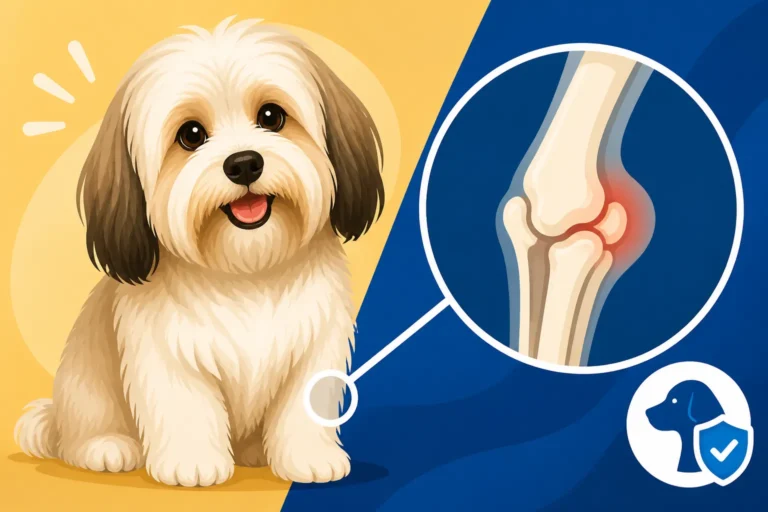
- Luxating Patella (Slipping Kneecap): This is incredibly common in small breeds like the Havanese. A luxating patella means the kneecap (patella) slips out of its groove in the thigh bone (femur). You might notice your puppy suddenly yelping, holding up a back leg for a few steps, or doing a little hop or skip before continuing as if nothing happened. This can happen intermittently. If you notice your Havanese puppy exhibiting this "skip" or "hop," it could indicate that The Skip That Means a Havanese's Knee Has Gone. Vets grade luxating patella from 1 (mild) to 4 (severe), and the severity dictates the course of action.
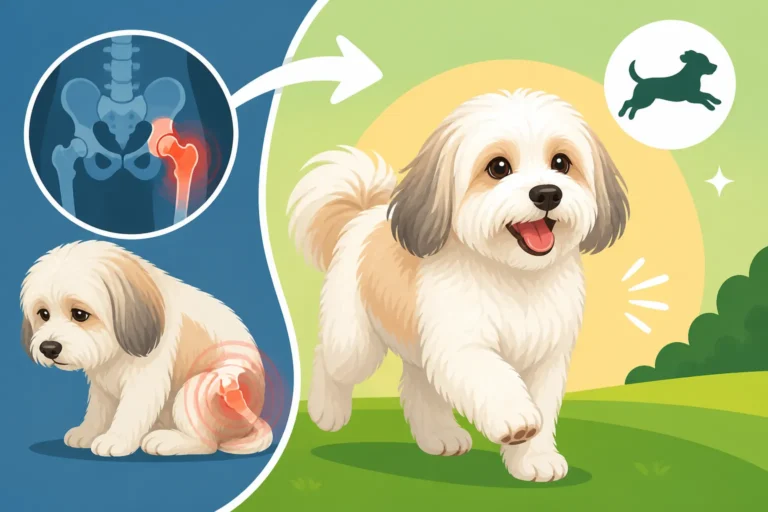
- Legg-Calve-Perthes Disease (LCP): This condition affects the hip joint, specifically the head of the femur, leading to its degeneration. It typically affects small breed puppies between 4 to 12 months of age. You might notice a gradual onset of lameness, usually in one hind leg, which worsens over time. The puppy might become reluctant to put weight on the affected leg, experience muscle wasting in the thigh, and show pain when the hip is manipulated. Understanding How Legg Calve Perthes Starts in a Havanese is important, as early signs can sometimes be subtle.
- Other Causes of Lameness: Beyond these specific conditions, limping can also be caused by simple sprains, strains, minor injuries (like jumping off furniture), or even paw pad issues. However, if the limp is persistent, severe, or accompanied by swelling, pain, or fever, it warrants immediate veterinary attention.
It's easy to dismiss a momentary limp as "just puppy clumsiness," but being vigilant about persistent changes in gait is critical for your Havanese's long-term comfort and mobility.
When to Consult Your Veterinarian About Your Havanese Puppy's Legs
It’s always better to be safe than sorry when it comes to your puppy’s health. If you have any concerns about your Havanese puppy's legs, a visit to the vet is the best course of action.
Identifying Concerning Symptoms
Beyond outright bowing or severe limping, there are other signs that should prompt a veterinary visit:
- Persistent Limping or Hopping: If the limping doesn't resolve within a day or two, or if the hopping due to a suspected luxating patella becomes more frequent or severe.
- Reluctance to Play or Bear Weight: If your normally playful Havanese puppy is suddenly hesitant to run, jump, climb stairs, or put weight on a specific leg.
- Pain or Sensitivity: If your puppy yelps, cries, or snaps when you touch or examine a particular leg or joint.
- Swelling or Heat: Any noticeable swelling, redness, or warmth around a joint or bone.
- Deformed Appearance: If a leg appears visibly twisted, bowed, or shorter than its counterpart.
- Changes in Activity Level: A significant decrease in energy or desire to move, which could indicate discomfort.
- Muscle Atrophy: If you notice that the muscles on one leg seem smaller or wasted compared to the other.
Keep a journal of when you notice these symptoms, how long they last, and what, if anything, seems to make them better or worse. This information can be invaluable to your vet.
Veterinary Examinations and Diagnostics
When you take your Havanese puppy to the vet for leg concerns, they will perform a thorough physical examination. This will involve:
- Palpation: The vet will gently feel your puppy’s legs, joints, and spine to check for pain, swelling, instability, or abnormal bone structure. They will specifically check the knees for luxating patellas, moving the patella to see if it slips out of place and assessing the grade of any luxation. They will also manipulate the hip joints to check for range of motion, pain, and stability, which helps diagnose issues like LCP or Whether a Havanese Gets Hip Dysplasia.
- Gait Analysis: They will observe your puppy walking and trotting to assess their movement, weight bearing, and identify any lameness or unusual gait patterns.
- X-rays: If a skeletal or joint issue is suspected, X-rays are often necessary. These can reveal bone deformities (like those seen in chondrodysplasia), joint abnormalities, hip degeneration, or fractures. For a comprehensive diagnosis of LCP, for example, X-rays are crucial.
- Blood Tests: In some cases, blood tests might be ordered to rule out other underlying systemic conditions or to prepare for potential surgery.
Don't be afraid to ask your vet questions during this process. They understand your concern and want to help you understand what's happening with your precious pup.
The Role of Pet Insurance
Veterinary care for leg and joint issues can sometimes be extensive and costly, especially if surgery is required. For instance, What Femoral Head Surgery Costs a Havanese Owner can be a significant expense. This is where pet insurance can be a real lifesaver. Companies like Healthy Paws offer coverage for unexpected illnesses and accidents, which can include conditions like luxating patella, Legg-Calve-Perthes, and other orthopedic problems. Having pet insurance can alleviate the financial stress, allowing you to focus on getting your Havanese puppy the best possible care without worrying about the bill. It’s definitely something to consider from the moment you bring your puppy home.
Supporting Your Havanese Puppy's Joint Health
Even if your Havanese puppy's legs are developing perfectly, proactive care can go a long way in supporting their joint health throughout their life.
Nutrition and Weight Management
One of the easiest and most impactful ways to support your Havanese's joint health is through proper nutrition and maintaining a healthy weight.
- High-Quality Diet: Feed your puppy a high-quality commercial dog food appropriate for their life stage and size. Look for foods specifically formulated for small breed puppies, as they have different nutritional needs than large breeds. These foods are usually balanced with the right amounts of protein, fat, vitamins, and minerals to support healthy bone and joint development. Consult your vet for recommendations on the best food for your Havanese.
- Portion Control: It's incredibly tempting to overfeed an adorable puppy, but excess weight puts undue stress on developing joints. This is especially critical for a toy breed like the Havanese, whose small frames are not designed to carry extra pounds. Overweight puppies are at a higher risk for developing joint problems later in life, including exacerbating conditions like luxating patella. Always follow the feeding guidelines on your dog food bag, adjusting as needed to keep your puppy at an ideal body condition. Ask your vet to help you assess your puppy's ideal weight and body score. The phrase Whether a Havanese Should Be Kept Slim for Its Joints really hits home here – it's a critical aspect of preventative care.
Safe Exercise and Environment
Havanese puppies are playful, but their small, growing bodies need appropriate exercise and a safe environment to prevent injuries.
- Controlled Exercise: Avoid excessive jumping, long runs on hard surfaces, or strenuous activity, especially during their rapid growth phases. While they need exercise, it should be in moderation. Short, frequent play sessions on soft surfaces like grass are ideal. Supervise playtime with other dogs to ensure your Havanese isn't overexerted or injured by a larger playmate.
- Joint-Friendly Home: Take steps to make your home safe for your puppy’s joints.
- Ramps or Steps: Havanese love to be near their people, often meaning they want to join you on the couch or bed. However, repeated jumping off high furniture can be detrimental to their small joints over time. Provide ramps or steps to allow them to safely get on and off furniture. Consider this a key step in preventing unnecessary wear and tear.
- Slippery Floors: Hardwood or tile floors can be challenging for puppies, leading to slips and falls that can cause injury. Use rugs or runners in areas where your puppy frequently walks or plays to provide better traction.
- Veterinary Care and Check-ups: Regular vet visits are paramount. Your vet can monitor your Havanese puppy's growth and development, perform physical examinations to detect early signs of joint issues, and offer guidance on preventative care. This partnership with your vet is vital for a healthy, happy Havanese. It's often reassuring to know that if unexpected issues arise, a good pet insurance policy, like those offered by Healthy Paws, can provide a financial safety net.
Considering Joint Supplements
For some Havanese, particularly those with a genetic predisposition to joint issues or those showing early signs of wear and tear, joint supplements can be beneficial.
- Types of Supplements: Common joint supplements include glucosamine, chondroitin, MSM, and Omega-3 fatty acids. These ingredients are believed to support cartilage health, reduce inflammation, and improve joint lubrication.
- Consult Your Vet First: It’s crucial to speak with your veterinarian before starting any supplements. They can recommend the appropriate type and dosage based on your puppy's individual needs, age, and any existing conditions. Not all supplements are created equal, and your vet can guide you toward reputable brands and ensure they won’t interact negatively with any other medications or conditions. While supplements can certainly Whether Joint Supplements Help a Havanese, they are not a substitute for proper veterinary care and should be part of a holistic approach to joint health.
- Prevention Over Cure: Remember, the goal is always prevention. Maintaining a healthy weight, providing a safe environment, and ensuring proper nutrition are the cornerstones of lifelong joint health for your Havanese. Even with the best care, genetic factors can sometimes play a role, making vigilant observation and regular vet check-ups invaluable. Having pet insurance, perhaps from a provider like Healthy Paws, can give you peace of mind that you’re prepared for whatever comes your way in your Havanese’s long and happy life.
| Feature | Normal Havanese Puppy Legs | Potentially Concerning Leg Appearance/Movement |
|---|---|---|
| Appearance | Sturdy, well-boned; parallel from front; moderate angulation; proportionate to body. | Bowed outwards (front) or inwards (back/hocks); visibly twisted; uneven length. |
| Movement | Fluid, springy gait; bears weight evenly; occasional puppy clumsiness. | Persistent limping; frequent hopping/skipping; reluctance to bear weight; stiffness. |
| Behavior | Energetic, eager to play; comfortable with normal handling of legs. | Yelping/crying when touched; reluctant to play/run; favoring a limb; changes in activity. |
| Age of Onset | (Normal growth phases) | Often between 4-12 months for LCP/Patella; can be earlier for severe bowing. |
| Associated Pain | None | Often present with limping, sensitivity to touch, or reluctance to move. |
This table provides a quick reference, but always remember that your personal observation and a vet's professional assessment are the most reliable tools.
Disclaimer
This article is intended for informational purposes only and does not constitute veterinary advice. Always consult with a qualified veterinarian for any health concerns or before making any decisions about your pet's care.