The Age Legg Calve Perthes Hits a Havanese
It's incredibly distressing to see your lively Havanese puppy suddenly develop a limp, especially when they're at an age where they should be full of boundless energy and playful antics. That sudden hesitation, the reluctance to put weight on a tiny leg, can send a wave of worry through any devoted pet parent. This guide is here to shed light on a particular condition, Legg-Calve-Perthes disease (LCP), explaining when it typically affects Havanese puppies and what you need to know to recognize and address it.
Understanding Legg-Calve-Perthes Disease in Havanese
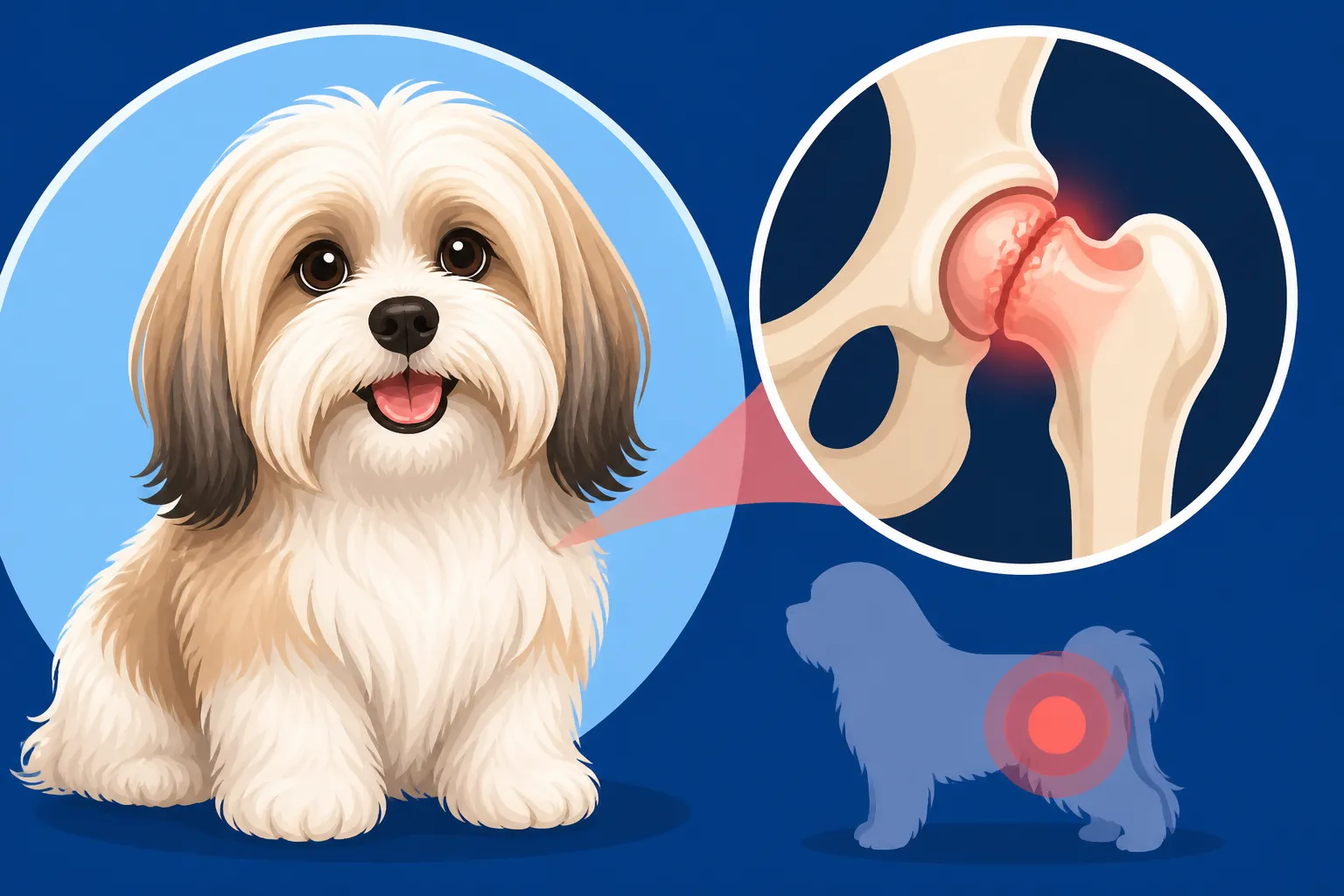
Legg-Calve-Perthes disease, often simply called LCP, is one of those conditions that sounds incredibly complex but boils down to a significant problem in the hip joint of young, growing dogs. It's a non-inflammatory degeneration of the femoral head, which is the "ball" part of your dog's ball-and-socket hip joint. Essentially, the blood supply to this crucial part of the bone is interrupted, causing the bone cells to die. This leads to a weakening and eventual collapse of the femoral head, which is, as you can imagine, extremely painful and debilitating.
What Exactly is LCP?
Imagine the top of your thigh bone, where it fits into your hip. That's the femoral head. In LCP, for reasons not entirely understood but strongly linked to genetics, the blood vessels supplying this tiny bone stop working properly. Without a proper blood supply, the bone tissue starts to necrotize – it literally dies. This dead bone then weakens, flattens, and eventually fragments, causing an irregular, painful joint surface. Instead of a smooth, gliding motion, every movement grinds, leading to inflammation, pain, and lameness. It's a progressive disease, meaning it usually gets worse over time if left untreated.
Why Small Breeds Like Havanese are Susceptible
While LCP can theoretically affect any dog, it has a strong predilection for small and toy breeds. Our beloved Havanese, with their delicate structures, unfortunately fall into this category of higher risk. Other breeds commonly affected include Yorkshire Terriers, West Highland White Terriers, and Miniature Poodles. The exact genetic mechanism isn't fully mapped out, but it’s widely accepted among veterinarians and breeders that there's an inherited component. This is why a reputable breeder will always emphasize the importance of healthy parentage and transparent health screenings. Knowing if a Havanese puppy's parents or littermates have shown signs of Legg-Calve-Perthes can be crucial information for new owners. To learn more about other common orthopedic issues, you might want to read about The Kneecaps a Havanese Slips.
The Typical Age of Onset for LCP in Havanese
This is often the first question on a worried Havanese owner's mind: "Is my puppy too young, or too old, for this to be LCP?" The age of onset is a significant diagnostic clue, helping your vet narrow down the possibilities when faced with a limping Havanese.
Puppyhood and Early Adulthood: The Critical Window
For most Havanese affected by Legg-Calve-Perthes, symptoms typically begin to manifest between 4 and 12 months of age. This is a very active period in a puppy's life, full of rapid growth and boisterous play, making the sudden onset of lameness particularly noticeable. While 4-12 months is the most common range, some puppies might show signs a little earlier, perhaps around 3 months, or occasionally later, up to 18 months, though this is less frequent. It’s rare to see a Havanese develop LCP symptoms once they are fully grown adults, as the disease is directly related to problems in bone development during growth. If your older Havanese is showing signs of hip pain, other conditions like arthritis or even The Heart Murmur an Older Havanese Develops (which can affect activity) might be more likely culprits.
Why Age is a Key Diagnostic Factor
When your veterinarian examines your limping Havanese, the dog's age is one of the first pieces of information they'll consider. The fact that LCP primarily affects growing puppies helps distinguish it from other conditions that might cause similar symptoms but typically occur at different life stages. For instance, hip dysplasia, while also affecting the hip, is often seen in larger breeds and can manifest later in life or show up in more subtle ways in puppies. Fractures, infections, or other traumatic injuries can happen at any age, but a gradual onset of limping in a Havanese within that 4-12 month window immediately flags LCP as a strong possibility. Understanding How Legg Calve Perthes Starts in a Havanese can provide further clarity.
Recognizing the Early Signs of LCP in Your Havanese Puppy
Catching LCP early can be beneficial for managing the condition and potentially improving the outcome. As a Havanese parent, you are your dog's best advocate, so knowing what to look for is paramount.
The Gradual Limp and Muscle Wasting
The hallmark sign of LCP is a progressive lameness, most commonly affecting one hind leg, though it can sometimes affect both. Initially, you might notice your Havanese puppy exhibiting a subtle skip or a slight limp after exercise. Over several weeks or months, this limp usually becomes more pronounced, turning into a persistent lameness where they clearly favor one leg. You might observe them holding the affected leg up, refusing to put weight on it, or walking with a peculiar "bunny hop" gait, especially when running.
Another noticeable sign is muscle atrophy or wasting in the affected hind leg. Because the puppy isn't using the leg properly due to pain, the muscles will gradually shrink. If you gently feel both hind legs, you might notice one thigh feeling thinner or less muscular than the other. This muscle wasting further contributes to the leg's weakness and the severity of the limp. It’s a sad cycle, where pain leads to disuse, and disuse leads to muscle loss, making the pain worse. This can often be mistaken for simple growing pains or a minor sprain, which is why close observation and veterinary consultation are so important. A Havanese that limps on one back leg should always be checked out.
Changes in Behavior and Activity Levels
Beyond the physical limp, a Havanese puppy suffering from LCP will often show behavioral changes due to chronic pain. They might become reluctant to play, especially avoiding activities that involve running, jumping, or climbing stairs. You might notice they are slower to get up after resting, or they may struggle to jump onto furniture they previously accessed with ease. Some affected puppies might become irritable or withdrawn, snapping or crying out when the hip area is touched or if they move in a way that causes pain.
Observing these subtle shifts in your Havanese's personality or activity patterns is just as critical as spotting the limp. A typically vivacious Havanese who suddenly seems less enthusiastic about their daily walk or playtime, or who seems to avoid certain movements, is trying to tell you something. They might even whine softly when they shift position in their sleep. Any deviation from their normal, happy-go-lucky self warrants a visit to the vet. This attention to detail is key in discerning serious issues from minor bumps and scrapes.
What to Do if You Suspect LCP in Your Havanese
Finding a good veterinarian is probably the most important thing you can do for your Havanese. If you notice any of the signs of LCP, don't delay in seeking professional advice. Early diagnosis can make a significant difference in treatment success and your puppy's comfort.
Seeking Prompt Veterinary Attention
The moment you suspect something is wrong with your Havanese's gait or activity level, especially if they are in that 4-12 month age range, it's time to call your veterinarian. Don't wait to see if it "gets better on its own." LCP is a progressive condition, and delaying diagnosis can lead to more significant bone damage, more intense pain, and potentially a more complex recovery process. Your vet will perform a thorough physical examination, observing your Havanese's gait, palpating their hip joints, and checking their range of motion. They’ll be looking for signs of pain, crepitus (a grinding sound or sensation), and muscle atrophy. This initial assessment is vital for ruling out other causes of lameness and confirming LCP.
Diagnostic Process: X-rays and Physical Examination
To confirm a diagnosis of LCP, your vet will almost certainly recommend X-rays of your Havanese's hips. These images are crucial because they allow the vet to visualize the femoral head and assess its condition. On an X-ray, signs of LCP include increased joint space, decreased bone density in the femoral head, and irregularities or flattening of the femoral head. In later stages, fragmentation and collapse of the femoral head will be evident. Sometimes, your vet might need to take multiple views or even sedate your Havanese slightly to get clear, pain-free images. This diagnostic step is definitive in confirming Legg-Calve-Perthes and will guide the subsequent treatment plan. If you're concerned about costs, it's worth noting that pet insurance providers like Healthy Paws often cover diagnostic imaging and surgical procedures for conditions like LCP, which can provide immense peace of mind.
Managing and Treating LCP
Once a diagnosis of LCP is confirmed, your veterinarian will discuss the available treatment options. The goal is always to alleviate pain and restore as much normal function to the hip as possible.
Conservative vs. Surgical Approaches
Treatment for LCP typically falls into two main categories: conservative management and surgical intervention.
Conservative management might be considered in very mild cases, or when a puppy is too young or has other health issues that make surgery risky. This usually involves strict rest, pain medication, anti-inflammatory drugs, and physical therapy to maintain muscle mass and joint mobility. However, for most Havanese with LCP, conservative management is often not enough to fully resolve the pain and lameness, especially as the disease progresses and the femoral head continues to degenerate. It can sometimes delay the inevitable surgical route, but rarely replaces it entirely.
For the vast majority of LCP cases, surgery is the recommended and most effective treatment. The most common surgical procedure is a Femoral Head Ostectomy (FHO). During an FHO, the surgeon removes the damaged femoral head and neck. While this sounds drastic, it eliminates the painful bone-on-bone grinding. Over time, the body forms a "false joint" of fibrous tissue, and the surrounding muscles provide support, allowing the dog to regain mobility with much less pain. It's truly life-changing for many small dogs suffering from this condition. If your Havanese needs surgery, understanding What Femoral Head Surgery Costs a Havanese Owner can help you prepare.
Post-Operative Care and Recovery
After an FHO surgery, the journey to recovery is critical and requires dedication from you as the pet parent. Your Havanese will need careful post-operative care, including pain medication and anti-inflammatory drugs to manage discomfort. Restricted activity is usually prescribed for several weeks, meaning no running, jumping, or rough play. Leash walks will gradually be introduced and increased.
Physical therapy is often a cornerstone of successful FHO recovery. This might involve gentle range-of-motion exercises, passive flexion and extension of the hip, and controlled walking exercises to rebuild muscle strength. Your vet or a certified canine rehabilitation therapist can guide you through these exercises. Consistency is key here; the more you commit to the rehabilitation, the better your Havanese's chances of a full and comfortable recovery. Many pet insurance plans, including those from Healthy Paws, will cover a significant portion of these post-operative and rehabilitation costs, making comprehensive care more accessible. While the initial few weeks can be challenging, most Havanese recover remarkably well from FHO surgery and go on to live active, pain-free lives. For more on recovery, consider reading Whether a Havanese Recovers Fully From Hip Surgery.
Comparing LCP Onset with Other Havanese Joint Issues
It's helpful for Havanese owners to understand how the typical age of LCP onset compares to other common joint-related problems that can affect this breed. This can help you and your vet narrow down possibilities when your dog shows symptoms.
| Condition | Typical Age of Onset (Havanese) | Primary Symptoms | Affected Joint(s) |
|---|---|---|---|
| Legg-Calve-Perthes (LCP) | 4-12 months (puppy/adolescent) | Gradual hind leg limp, muscle wasting, reluctance to move | Hip (femoral head) |
| Luxating Patella | Any age, often noticed 4-12 months (can be congenital) | Intermittent "skip" or hop, holding leg up, yelping | Knee (kneecap) |
| Chondrodysplasia | Present at birth (evident early puppyhood) | Bowed or shortened limbs, abnormal gait | Long bones, joints |
| Arthritis (Osteoarthritis) | Senior dogs (8+ years) | Stiffness, lameness, pain after rest, reduced activity | Any joint, often hips/knees |
This table shows that while several joint issues can affect Havanese, LCP is quite specific to that younger age range, making it a distinct concern for growing puppies. When you see your puppy limping, it's always best to consult your veterinarian to get an accurate diagnosis.
Disclaimer
The information provided in this article is for educational purposes only and is not intended to be a substitute for professional veterinary advice, diagnosis, or treatment. Always seek the advice of your veterinarian or other qualified health provider with any questions you may have regarding a medical condition.