Whether a Havanese Limps on One Back Leg
It’s incredibly unsettling to watch your beloved Havanese suddenly start limping on one of their back legs. One minute they’re pracing happily, tail wagging, and the next, you see that tell-tale skip or a reluctance to put weight down. This can be a frightening sight, immediately sparking worries about pain, injury, and what it might mean for their long-term comfort and mobility. This guide will walk you through the most common reasons why a Havanese might limp on a back leg, what steps you should take, and how to support their recovery and well-being.
Understanding the Causes of Hind Leg Limping in Havanese
When your little Havanese starts favoring a back leg, it's natural to jump to conclusions, and often, those conclusions are pretty scary. However, many causes of limping in smaller breeds, especially Havanese, are common and manageable with proper veterinary care. Let's break down the usual suspects.
Luxating Patella: The Common Culprit
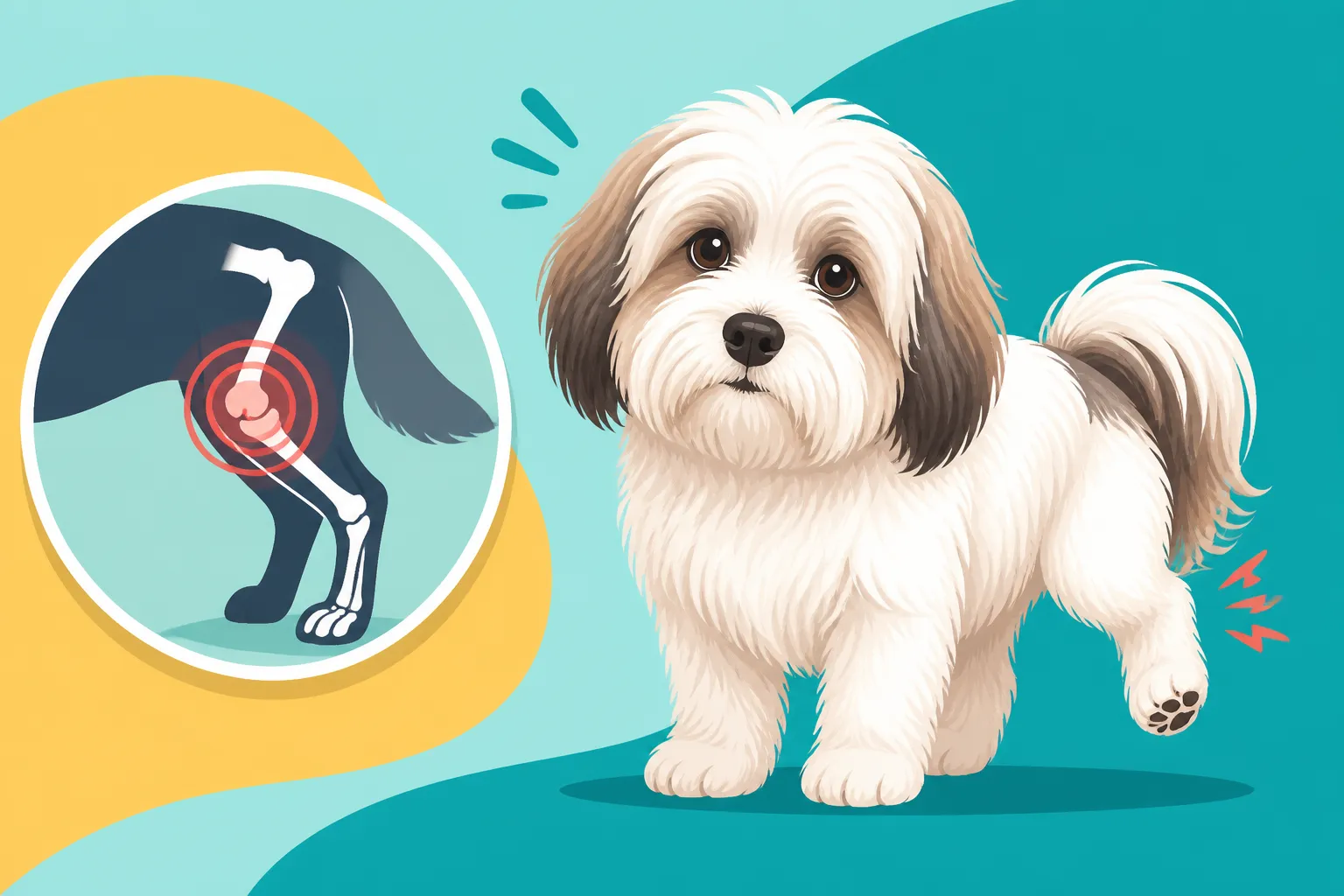
For many Havanese owners, a suddenly limping back leg points directly to a luxating patella, often referred to as a "slipping kneecap." This condition is incredibly common in small and toy breeds like our Havanese. What happens is that the patella, or kneecap, which normally rides in a groove at the end of the femur, slips out of place, either to the inside (medial luxation) or outside (lateral luxation) of the leg.
When the kneecap luxates, your dog might suddenly yelp, hold up the affected leg for a few steps, or you might notice a distinct "skip" in their gait. It can look quite dramatic, and it's certainly uncomfortable for them. Sometimes, the kneecap pops back into place on its own, and they'll resume normal activity as if nothing happened, leaving you wondering if you imagined it. Other times, it stays out, causing more persistent limping. The severity of a luxating patella is usually graded from I to IV, with I being a minor slip and IV being permanently dislocated. Understanding how a vet goes about Grading a Havanese's Luxating Patella can give you a clearer picture of the issue. This condition often has a genetic component, so it's something responsible Havanese breeders screen for.
Legg-Calve-Perthes Disease LCPD: A Younger Dog's Challenge
Another condition that can cause a Havanese to limp on a back leg, particularly when they are still quite young, is Legg-Calve-Perthes Disease (LCPD). This isn't something most new puppy owners anticipate, and it can be quite alarming when it appears. LCPD is a degenerative disease of the hip joint where the blood supply to the head of the femur (the ball part of the hip joint) is interrupted. Without proper blood flow, the bone cells die, leading to the collapse and deformation of the femoral head.
The result is painful arthritis and a pronounced limp. We often see LCPD manifest in Havanese puppies between 4 to 12 months of age, which makes it particularly heartbreaking as they are still so young. The limping usually starts subtly and gradually worsens. You might notice your puppy being less active, reluctant to play, or crying out when the hip is touched. It’s vital to get a diagnosis quickly to explore treatment options. You can learn more about how this specific condition starts in our Havanese companions by reading How Legg Calve Perthes Starts in a Havanese.
Other Potential Orthopedic Issues
While luxating patella and LCPD are significant concerns for Havanese, they aren't the only reasons for a back leg limp. Sometimes, the cause is much simpler, like a minor strain or sprain from an overly enthusiastic play session or a clumsy jump. These soft tissue injuries can cause acute pain and limping that usually resolves with rest and anti-inflammatory medication.
Less common but still possible, Havanese can also experience more serious issues such as fractures from an accident, or, though rarer in this breed due to their generally good hip structure, even hip dysplasia. Whether a Havanese Gets Hip Dysplasia is a question many owners ask, and while it's not a primary concern compared to other breeds, it's not entirely out of the realm of possibility. Arthritis, especially in older Havanese, can also manifest as chronic limping, often worse after rest or in cold weather. It's a reminder that a limp, regardless of the cause, always warrants veterinary attention to pinpoint the exact issue and prevent further discomfort or damage.
What to Do When Your Havanese Starts Limping
Discovering your Havanese is limping on a back leg can send your heart into a panic. Your first instinct might be to rush them to the nearest emergency clinic, and sometimes that's absolutely the right call. But before you do, there are some immediate steps you can take at home to assess the situation, followed by a clear plan for professional intervention.
Initial Observation and First Aid
When you notice your Havanese limping, take a deep breath. Start by observing them calmly. Can they put any weight on the leg, or are they holding it up completely? Is the limping intermittent, like a quick skip every few steps, or is it constant? Try to remember if there was any specific incident, like a fall from furniture or a misstep during play, that might have preceded the limp. Gently feel the affected leg, starting from the paw and moving up to the hip. Look for any obvious signs of injury: swelling, heat, cuts, or sensitivity when you touch a particular area. Compare it to the other leg.
For a minor limp without obvious trauma or severe pain, restrict your Havanese's activity. Confine them to a smaller, safe space where they can't jump or run, and ensure they get plenty of rest. This is not the time for long walks or vigorous play. Sometimes, a simple strain or mild kneecap slip will resolve with a day or two of rest. However, resist the urge to self-diagnose beyond this initial assessment. While observing at home, you might want to consider documenting what you see, as this information will be incredibly helpful for your vet later.
When to See the Vet: Don't Delay
Knowing when to transition from home observation to a veterinary visit is crucial. If your Havanese is showing signs of severe pain—crying out, refusing to bear any weight, or displaying unusual aggression when the leg is touched—don't wait. Similarly, if the limping is persistent, worsening, or doesn't improve after a day of rest, it's time to call your vet. Don't delay thinking it will just get better on its own. Early diagnosis and treatment can significantly impact the outcome, especially for conditions like LCPD or a severe luxating patella.
When you contact your vet, describe everything you've observed: when the limping started, its severity, if it's constant or intermittent, and any other symptoms your Havanese might be experiencing. Be ready to discuss their recent activities, diet, and any previous health issues. Reputable pet insurance providers, like Healthy Paws, often cover unexpected accidents and illnesses, which can be a huge relief if diagnostics or surgery are needed. It’s worth checking your policy or looking into options before a situation arises.
Diagnostic Process and Treatment Options
Once at the veterinary clinic, your vet will perform a thorough physical examination, including palpating the affected leg and observing your Havanese's gait. For a suspected luxating patella, they'll manipulate the kneecap to see if it slips out of its groove. For hip issues, they'll check range of motion and pain response. Often, X-rays will be recommended to get a clearer picture of the bones and joints. This is particularly important for diagnosing LCPD, as the X-rays will show the changes in the femoral head.
Treatment options will depend entirely on the diagnosis and severity. For mild luxating patella (Grade I or II), conservative management with pain medication, anti-inflammatories, and restricted activity might be tried. However, for higher grades, or if conservative management fails, surgery is often the best long-term solution to stabilize The Kneecaps a Havanese Slips. Similarly, for LCPD, surgery to remove the damaged femoral head (a Femoral Head Ostectomy or FHO) is a common and effective procedure. Whether a Havanese Needs Femoral Head Surgery is a serious consideration, but many dogs recover remarkably well. After surgery, your Havanese might need a period of restricted activity, followed by a rehabilitation program. Whether a Havanese Needs Physiotherapy After Surgery is a common question, and the answer is often yes, as it can significantly aid in regaining strength and full mobility.
Long-Term Management and Prevention Strategies
While you can't prevent every accident or genetic predisposition, there's a lot you can do as a Havanese owner to support your dog's joint health and minimize the risk of limping, especially after a diagnosis or surgery. Taking a proactive approach makes a world of difference in their quality of life.
Supporting Joint Health
One of the most impactful things you can do for your Havanese's joint health is to maintain a healthy weight. Extra pounds put undue stress on their delicate joints, exacerbating conditions like luxating patella or arthritis. Discuss ideal weight targets and appropriate feeding plans with your vet. Whether a Havanese Should Be Kept Slim for Its Joints is not just a suggestion; it's a critical part of preventive care.
Dietary supplements can also play a supportive role. Glucosamine, chondroitin, and Omega-3 fatty acids (like those found in fish oil) are commonly recommended for their anti-inflammatory properties and ability to support cartilage health. Brands like Dasuquin or Cosequin are popular choices, but always consult your vet before adding any supplements to your Havanese's regimen. They can advise on the correct dosage and ensure it's appropriate for your dog's specific needs. Whether Joint Supplements Help a Havanese often depends on the individual dog and the severity of their condition, but they are a worthwhile consideration for many.
Environmental Adjustments for Joint Protection
Your home environment can significantly impact your Havanese's joint health. Think about the places your dog jumps from—the couch, the bed, stairs. Repeated impact from jumping can aggravate or even cause joint issues. Providing dog-friendly ramps or steps can make a huge difference. Whether a Havanese Should Use Steps to the Couch is an excellent question to consider, especially if they have any predisposition to joint problems.
Slippery floors are another common culprit for strains and injuries in small dogs. Consider placing non-slip rugs or runners in high-traffic areas where your Havanese runs or plays. Keep their paw pads trimmed to improve traction, and invest in comfortable, supportive dog beds that cushion their joints during rest. These small adjustments can create a safer, more joint-friendly environment for your furry friend.
Exercise and Rehabilitation
Appropriate exercise is vital for maintaining muscle strength, which in turn supports joint stability. For Havanese prone to joint issues, high-impact activities like aggressive fetch or jumping should be minimized. Instead, focus on controlled, regular walks and gentle play that keeps them moving without excessive strain. Swimming can be a fantastic, low-impact exercise option that builds muscle without stressing joints.
If your Havanese has undergone surgery for conditions like luxating patella or LCPD, rehabilitation will be a critical part of their recovery. This might include specific exercises, massage, hydrotherapy, or even laser therapy, all designed to help them regain strength, flexibility, and a full range of motion. Whether a Havanese Recovers Fully From Hip Surgery often comes down to diligent post-operative care and commitment to their rehabilitation plan. Many Havanese go on to live full, active lives after successful treatment and consistent supportive care. Remember, consistency is key, and working closely with your vet and a canine rehabilitation specialist will give your Havanese the best chance at a pain-free, active life. Healthy Paws and similar pet insurance plans can often assist with the costs associated with these therapies, making comprehensive care more accessible.
Comparison of Common Hind Leg Limping Causes
Here's a quick look at the two most common orthopedic causes of hind leg limping in Havanese:
| Feature | Luxating Patella | Legg-Calve-Perthes Disease (LCPD) |
|---|---|---|
| Affected Joint | Knee (patella/kneecap) | Hip (femoral head) |
| Typical Onset Age | Any age, often noticed during puppyhood or young adulthood | Primarily puppies, typically 4-12 months of age |
| Symptoms | Intermittent skipping, holding leg up, sudden yelp, reluctance to bear weight, clicking sound | Gradual onset of limping, lameness, pain in hip, muscle atrophy in affected leg, reluctance to play or bear weight |
| Genetic Component | Yes, highly suspected | Yes, considered hereditary |
| Diagnosis | Physical exam, palpation of patella, X-rays | Physical exam, X-rays showing femoral head changes |
| Treatment | Conservative (rest, pain meds) or surgical correction | Primarily surgical (Femoral Head Ostectomy – FHO) |
| Long-Term Outlook | Good with appropriate management/surgery | Good with successful surgery and rehabilitation |
Disclaimer
This article is intended for informational purposes only and does not constitute veterinary advice. If your Havanese is limping or showing any signs of discomfort, please consult with a qualified veterinarian immediately for proper diagnosis and treatment.