Whether a Havanese Suits Dock Diving
Many Havanese owners wonder if their fluffy companions, often seen as devoted lapdogs, could ever really participate in something as athletic as dock diving. It seems like a sport for high-drive, water-loving breeds, and it's easy to dismiss a small dog like a Havanese as unsuitable. But the truth might surprise you! This comprehensive guide will dive deep into whether your Havanese truly has what it takes to enjoy, and perhaps even excel, at the exhilarating sport of dock diving.
Understanding the Sport of Dock Diving
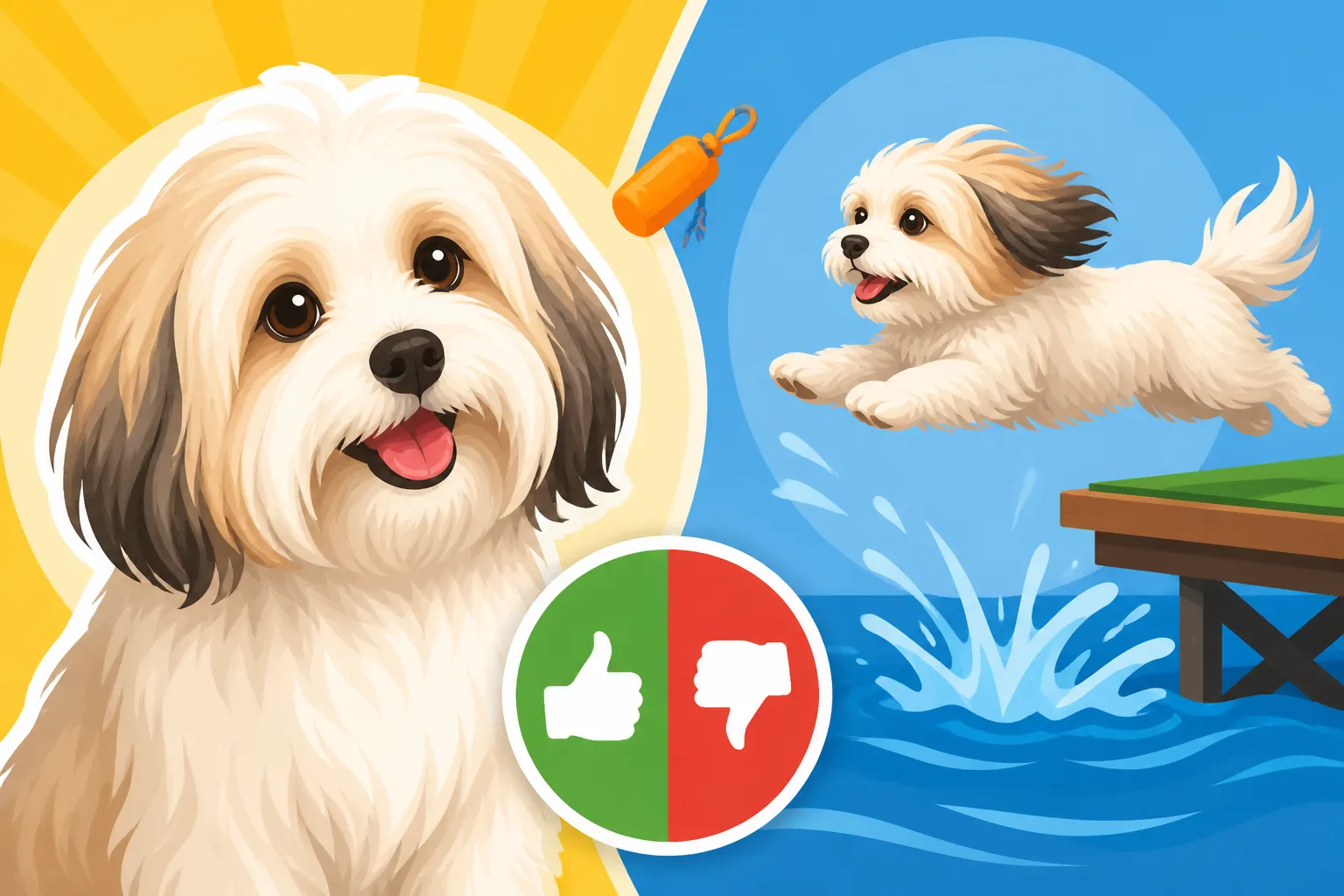
Let's start by demystifying what dock diving actually is. At its core, it's a canine aquatic sport where dogs run down a 40-foot dock and launch themselves into a pool or body of water, usually to retrieve a toy. The goal is typically to jump the furthest (Big Air), jump the highest (Extreme Vertical), or retrieve a toy in the fastest time (Speed Retrieve).
Dock diving isn't just about splashing around; it requires a combination of physical prowess, mental focus, and a strong bond with the handler. While you might picture Labs or Golden Retrievers, many different breeds, and even mixed breeds, find immense joy and success in this sport. The ideal dock diving dog typically possesses strong swimming abilities, powerful hindquarters for jumping, and, crucially, an intense love for water and retrieving toys.
The Mechanics of a Dock Diving Jump
When you watch a seasoned dock diving dog, you see a fluid, powerful motion. It begins with the run-up: the dog explodes down the dock, building speed. The handler usually cues them at a specific point, often called the "release point," to launch into the air. The take-off involves a powerful push from the hindquarters, propelling the dog upwards and outwards. In the air, the dog stretches its body, eyes fixed on the target toy, extending its reach as far as possible before entering the water. The splashdown is swift, followed by a quick retrieve of the toy back to the handler.
For a small dog like a Havanese, these mechanics are still the same, but scaled down. Their shorter legs mean they have less stride length for acceleration, and their lighter weight means they need even more precision in their take-off to maximize distance. It's less about raw power and more about technique, enthusiasm, and a perfectly timed throw from their human.
Essential Equipment for Dock Diving
Getting started with dock diving doesn't require a huge investment in specialized gear, but a few key items are absolutely essential for safety and performance. First and foremost, you need the right toy. This isn't just any old fetch toy; it needs to be buoyant, highly visible in the water, and, most importantly, something your Havanese is absolutely obsessed with. Think bright-colored rubber toys or floating bumpers. You can find a wide variety of excellent options for this on platforms like Amazon, making it easy to experiment and find your dog's ultimate motivator.
Next, consider your dog's comfort and safety in the water. While a regular collar might be fine for land-based play, a comfortable harness is often preferred for dock diving. It provides a secure way to guide your dog on the dock and, if needed, gives you a handle to assist them out of the water. For beginners or any dog that isn't a strong swimmer, a well-fitting personal flotation device (PFD) can be a real confidence booster and a vital safety measure. Many facilities also have non-slip ramps or steps to ensure a safe and easy exit from the pool.
Havanese Traits: A Closer Look at Their Suitability for Dock Diving
Now, let's talk about our beloved Havanese. When most people think of a Havanese, they picture a charming, fluffy companion curled up on the couch, not launching themselves off a dock into a pool. But dismissing them outright would be a mistake! Havanese possess several characteristics that, with the right approach, can make them surprisingly capable and enthusiastic participants in dock diving.
The Havanese and Water: A Natural Affinity or a Learned Skill?
Unlike breeds specifically bred for water retrieval, most Havanese aren't born with an innate love for diving headfirst into a pool. Their reaction to water can vary wildly from one individual to another. Some might cautiously dip a paw, while others might view even a puddle with suspicion. The good news is that for many Havanese, a positive association with water can absolutely be built over time.
It's all about gradual introduction and positive reinforcement. Start with shallow water, like a kiddie pool in the backyard, making it a fun, treat-filled experience. Encourage them to wade, throw a favorite buoyant toy a short distance, and celebrate every tiny step. Avoid forcing them or making it a stressful experience, as that can create a lifelong aversion. Patience is key. Many Havanese, once they realize water can be fun and lead to their favorite toy, develop a genuine enjoyment of swimming and splashing. You might be surprised to find that your Havanese, initially hesitant, eventually can't wait to get their feet wet. For some, it might be an uphill battle, especially if they have an aversion to getting their coat soaked. Whether a Havanese Hates Getting Its Feet Wet explores this common Havanese quirk.
Physical Considerations and Potential Limitations
Physically, Havanese are sturdy for a toy breed, typically weighing between 7 to 13 pounds. They have a compact body and a springy gait. While these traits make them agile and quick on land, their small stature naturally means they won't achieve the same jump distances as a much larger, more powerful breed. This is a realistic expectation to set from the start.
Another important consideration is joint health. Havanese can be prone to luxating patellas, or "slipping kneecaps." The Kneecaps a Havanese Slips discusses this in detail. High-impact activities like repeated dock jumping, if done improperly or without proper conditioning, could potentially put strain on these joints. Before starting any new strenuous activity, it's always wise to have a vet check-up to ensure your Havanese is physically sound for the demands of the sport. Gentle warm-ups and cool-downs are also crucial to protect their joints.
Then there's that glorious Havanese coat. Long and flowing, it's beautiful, but it can become heavy and waterlogged when wet, taking a long time to dry. This might be uncomfortable for your dog and can also lead to matting if not thoroughly dried and brushed post-swim. Many dock diving Havanese owners opt for a shorter "puppy cut" to make management easier. Whether a Shorter Clip Cuts a Havanese's Bill might be a good read if you're considering this practical grooming choice.
Despite these potential limitations, the Havanese makes up for it with their heart and intelligence. They are smart, eager to please, and highly trainable. Whether the Havanese Is the Smartest Toy Breed is a testament to their quick minds. If they have a strong toy drive and enjoy the interaction with their handler, they can learn the mechanics of dock diving with enthusiasm. Their playful nature and deep bond with their owners – Why a Havanese Follows You Into Every Room perfectly describes this characteristic – mean they often thrive in activities where they get to work closely with their human.
Training Your Havanese for Dock Diving: A Step-by-Step Approach
So, you're convinced your Havanese might be a dock diving superstar in the making? Fantastic! The key to success, especially with a small breed, is a patient, positive, and step-by-step training approach. You want to build confidence and make every part of the experience enjoyable.
Building Foundational Skills
Before your Havanese ever sets paw on a dock, there are some crucial foundational skills to develop.
- Water Confidence is Paramount: As mentioned, most Havanese aren't natural water dogs. Start small:
- Kiddie Pools: Fill a shallow plastic pool with a few inches of water. Toss in high-value treats or a favorite toy. Praise heavily for any interaction with the water.
- Sprinklers/Hoses: Some dogs enjoy playing in gentle streams of water. Make it a game.
- Bathtub/Shower: Introduce them to getting wet in a controlled environment. Again, positive associations are key.
- Gradually Deeper Water: Once comfortable in shallow water, move to a calm lake, pond, or a swimming pool with a gradual entry. Always supervise closely and consider a well-fitting PFD.
- Supercharge That Toy Drive: Dock diving is fundamentally about retrieving a toy. If your Havanese isn't already obsessed with fetch, now is the time to cultivate that passion.
- Find "The" Toy: Experiment with different textures, shapes, and sizes of toys. What makes their eyes light up? This will be your dock diving motivator.
- Play Fetch, Fetch, Fetch: Make fetch the most exciting game in the world. High praise, enthusiastic body language, and maybe a bonus treat for bringing the toy back quickly.
- Reliable Recall and "Go" Cue: These are non-negotiable for safety and performance. You need your Havanese to come back to you when called, and to understand a "go" or "take it" cue that signals them to launch after the toy.
- Practice in Distraction-Free Environments: Start in your living room, then move to the backyard, then a quiet park. Gradually add distractions.
- Use High-Value Rewards: Make coming to you or going after a toy the best decision they could possibly make.
- Online training resources, such as those offered by BAXTER & Bella, can provide structured lessons for developing a strong recall and other essential obedience cues, which are incredibly valuable building blocks for any dog sport.
Introducing the Dock and the Jump
Once your Havanese is confidently retrieving toys from the water and has a solid grasp of basic commands, you can introduce them to the dock environment.
- First Exposure – No Pressure: Visit a dock diving facility when it's quiet, perhaps during an open practice or a beginner session. Let your Havanese sniff around, walk on the dock, and get used to the sounds and smells without any expectation of jumping.
- Walking the Plank: Encourage them to walk calmly down the length of the dock, rewarding them for confidence. Don't push them if they're hesitant.
- Gentle Water Entry: For the very first "jump," don't actually ask for a jump. Lead them to the edge, toss the toy a very short distance, and let them walk or step into the water from the side or a ramp. Many facilities have steps leading into the pool.
- The "Long Retrieve" – Building the Jump: This is where the magic happens. Stand with your Havanese at the top of the dock. Throw their favorite buoyant toy further into the water. Instead of launching them, encourage them to run down the dock and chase the toy into the water. The momentum of the chase will often naturally lead to them leaping to reach the toy sooner.
- Start with very short throws, barely off the end of the dock.
- Gradually increase the distance of the throw. The dog's desire to get the toy will often overcome their hesitation to jump.
- Praise enthusiastically for every successful entry and retrieve!
- Safety First, Always: Ensure your Havanese has a clear and easy way to exit the water. Never force your dog to jump, and keep sessions short and positive. If they seem stressed, take a break.
Real-World Experiences and Expectations
It’s important to manage your expectations when it comes to a Havanese and dock diving. While they can absolutely participate and love the sport, they likely won't be breaking national records for distance. And that's perfectly okay!
The Joy of Participation Over Competition
For most Havanese and their owners, dock diving will be a fantastic recreational activity rather than a path to world championship titles. The true reward lies in the shared experience, the physical exercise, and the mental stimulation it provides. Imagine the joy on your Havanese's face as they launch themselves into the air, chasing their favorite toy with pure, unadulterated enthusiasm!
Participating in dog sports like dock diving offers numerous benefits:
- Physical Conditioning: It's a great workout, building muscle tone and cardiovascular health. What a Havanese Needs Every Day includes physical exercise as a key component of their well-being.
- Mental Engagement: The concentration and problem-solving involved in timing a jump and retrieving a toy keeps their intelligent minds sharp.
- Bonding: Working together with your Havanese in a fun, active environment strengthens your relationship exponentially. You're a team!
- Socialization: Dock diving events and training sessions are wonderful opportunities for your Havanese to meet other dogs and people in a positive, exciting context.
Celebrate every success, no matter how small. Did they finally make a confident splash? Did they jump an extra foot? These are huge victories for a small dog finding their stride in a big sport.
Finding Dock Diving Facilities and Instructors
Ready to give it a try? The best way to get started is to find a local dock diving facility or club.
- Search Online: Use terms like "dock diving near me," "dog sports facility," or "canine aquatics."
- Ask Other Dog Owners: If you know anyone involved in dog sports, they can be a great resource for recommendations.
- Look for Experienced Instructors: When choosing a facility, look for instructors who have experience working with a variety of breeds, including small dogs. They should emphasize positive reinforcement and focus on building confidence rather than forcing participation.
- Attend a "Splash Day" or Intro Workshop: Many facilities offer introductory sessions where your dog can try the dock for the first time in a low-pressure environment. This is perfect for seeing if your Havanese enjoys it without committing to a full course.
A good instructor will guide you on proper technique for both you and your dog, ensuring safety, and making the experience fun for everyone. They can also provide tips on things like Getting a Havanese Used to Brushing as a Puppy and keeping their coat managed if they are frequently getting wet.
| Trait/Aspect | General Havanese Tendency | Impact on Dock Diving | Considerations for Owners |
|---|---|---|---|
| Size/Weight | Small (7-13 lbs) | Limits maximum jump distance, but enhances agility | Focus on precision, technique, and enthusiasm over raw power. |
| Coat Type | Long, double coat | Can get heavy & waterlogged, prone to matting | Consider a shorter clip; thorough drying & brushing post-swim are essential. |
| Water Affinity | Varies, often needs positive introduction | Requires patience to build confidence; not usually innate. | Start shallow, use high-value rewards, never force. |
| Toy Drive | Varies, can be very strong | High drive is crucial for motivation to jump & retrieve. | Find their ultimate "high-value" water toy. |
| Joint Health | Predisposed to patella luxation | High impact could be risky; vet check prior to participation recommended. | Ensure proper conditioning, warm-ups, cool-downs; avoid forced or awkward landings. |
| Trainability | Intelligent, eager to please, handler-focused | Quick to learn cues and build confidence with positive methods. | Keep sessions fun and short; leverage their desire to work with you. |
| Energy Level | Playful but not extreme endurance | Good for short, intense bursts of activity required for jumping. | Respect their limits, allow for rest between jumps and sessions. |
In conclusion, yes, a Havanese absolutely can suit dock diving! It might take a bit more patience and intentional training to build their water confidence and jump drive compared to a Labrador, but their intelligence, eagerness to please, and deep bond with their owners make them fantastic candidates for learning and enjoying this exciting sport. It's less about winning big, and more about having an incredible time with your furry best friend.
Disclaimer
This article is for general informational purposes only and does not constitute professional advice. Laws, prices and regulations vary by location and change over time. Consult a qualified professional for guidance on your specific situation.