Whether a Havanese Puppy Should Be Crated at Night
Bringing home a Havanese puppy is a joyous occasion, but when night falls, many new owners find themselves grappling with a common dilemma: where should this tiny, adorable fluffball sleep? The thought of your new companion crying alone can be heartbreaking, leading to sleepless nights for both of you. This comprehensive guide will walk you through the ins and outs of crate training your Havanese puppy at night, offering realistic advice to help you establish a peaceful routine and ensure your little one feels safe and secure.
The Case for Crate Training Your Havanese Puppy at Night
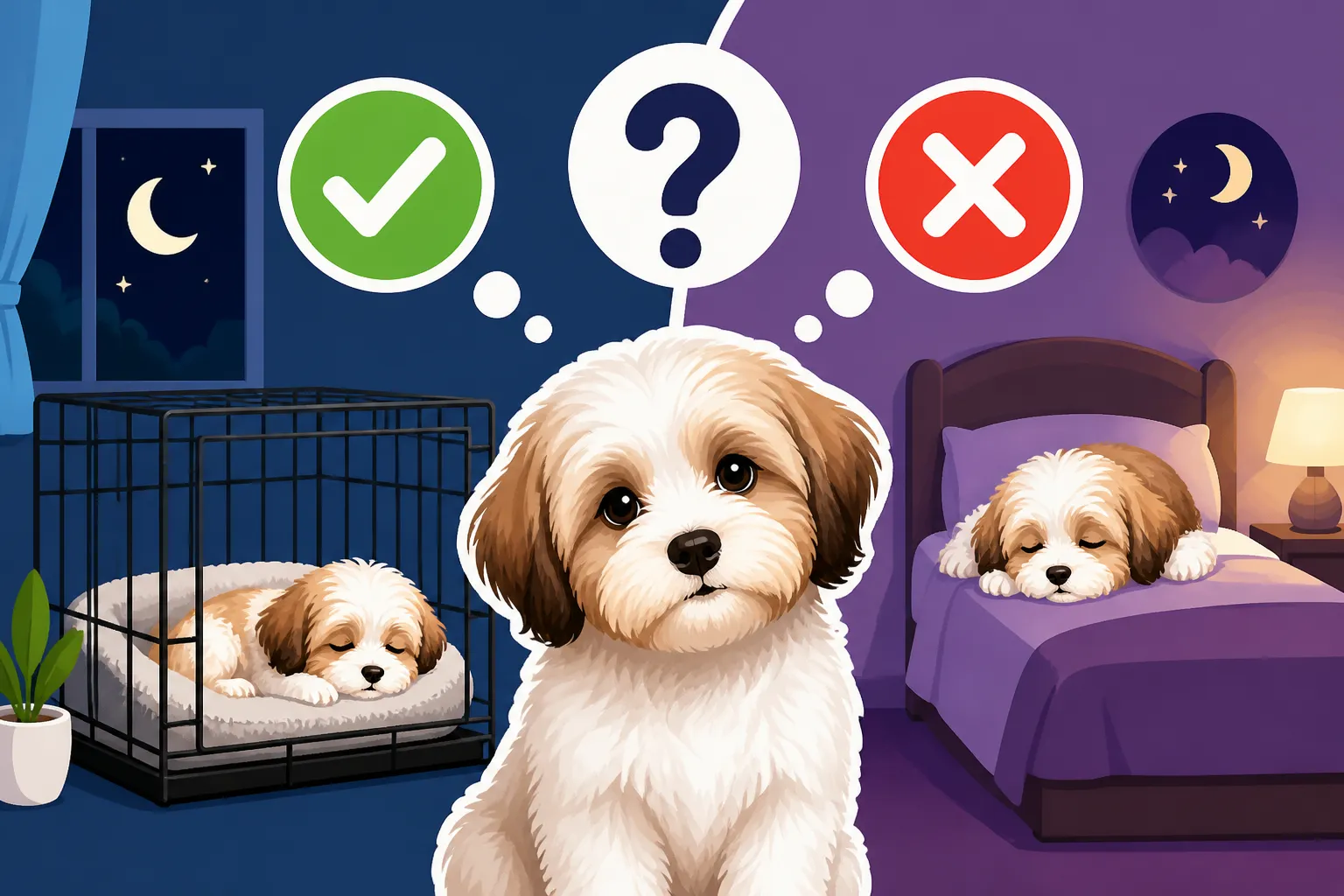
Deciding whether to crate your Havanese puppy at night is a big decision, and it's completely understandable to feel a bit torn. You want to give your new family member all the love and freedom in the world. However, for Havanese puppies, especially in those crucial early months, a crate isn't a cage – it's actually a wonderful tool for security, house-training, and establishing a healthy routine. Think of it as their very own cozy bedroom.
Providing a Sense of Security and Den Instinct
Havanese, like all dogs, still carry remnants of their ancestral denning instincts. In the wild, canids seek out small, safe, enclosed spaces to sleep, raise their young, and retreat when feeling vulnerable. A crate, when introduced correctly, mimics this natural den. It becomes a personal sanctuary where your puppy can feel secure, protected, and calm, away from the hustle and bustle of a new home that might otherwise feel overwhelming. This sense of security is vital for their emotional well-being, especially during the vulnerable nighttime hours when they're alone. Without a designated safe space, a puppy might feel exposed and anxious, leading to restless nights and unwanted behaviors.
Aiding in House-Training
One of the biggest headaches for new puppy owners is house-training, and this is where a crate truly shines. Dogs are naturally clean animals and generally prefer not to soil their sleeping area. By providing a crate that is just big enough for your Havanese puppy to stand up, turn around, and lie down comfortably, you're leveraging this instinct. If the crate is too large, your puppy might choose one end for sleeping and the other for toileting, defeating the purpose. The crate encourages your puppy to hold their bladder and bowels for longer periods, teaching them bladder control and setting them up for success when you take them out for scheduled potty breaks. This is especially helpful during the night, as it reduces the likelihood of accidents and helps build good habits from day one. It's a cornerstone for The Weeks a Havanese Puppy Takes to Be Clean.
Establishing a Predictable Routine
Consistency is key in puppyhood, and a crate helps immensely in establishing a predictable nighttime routine. Dogs thrive on routine, and knowing what to expect helps reduce anxiety and confusion. When your Havanese puppy knows that the crate is for sleeping at night, they'll naturally start to wind down as bedtime approaches. This routine also makes it easier for you to manage their sleep schedule, ensuring they get adequate rest and that you get some too! A predictable routine prevents them from wandering, getting into mischief, or developing habits like chewing on furniture overnight. It's a simple, effective way to manage a puppy's early months, offering structure that benefits everyone in the household.
Setting Up the Perfect Nighttime Crate Environment
Once you've decided that crating your Havanese puppy at night is the right path, the next step is to create a welcoming and comfortable space. A crate should never feel like a punishment or a dreary box; it should be their safe haven. Getting the setup right is crucial for success.
Choosing the Right Size Crate
This is perhaps the most critical factor. For a Havanese, who are a small breed, you'll need a crate that's appropriately sized. Remember the rule: just enough space to stand, turn around, and lie down. Many wire crates come with dividers, which are fantastic because they allow you to adjust the internal space as your puppy grows. This means you can buy one crate that will last their entire puppyhood and beyond. If the crate is too large, your Havanese puppy might decide one end is for sleeping and the other is for relieving themselves, which completely undermines the house-training benefits.
Consider materials too. Wire crates offer good ventilation and visibility, while plastic travel crates provide more of a den-like feel, and soft-sided crates are great for travel once your puppy is fully trained. For a permanent indoor crate, a durable wire or plastic option is generally best. You can find many suitable options for various crate types and accessories on platforms like Amazon.
Making the Crate Cozy and Appealing
Now for the fun part: making it irresistible! Line the bottom of the crate with soft, comfortable bedding. This could be a specialized crate mat, a cozy blanket, or an old t-shirt that smells like you (which can be very comforting for a young puppy). Avoid anything too bulky that they might chew and ingest.
Next, add a safe, durable chew toy. This provides something positive to associate with the crate and can help soothe them if they feel a little lonely. A KONG filled with a bit of peanut butter (puppy safe, of course) or plain yogurt and frozen can be a wonderful distraction that lasts a while, especially when you first put them in for the night. You'll want to ensure there's a small water bowl that attaches to the side of the crate, but some owners opt to remove water a couple of hours before bedtime to prevent overnight accidents.
Optimal Crate Placement for Nighttime
Where you place the crate matters significantly for a Havanese puppy. In the beginning, especially for the first few nights, placing the crate in your bedroom, right next to your bed, can make a world of difference. Havanese are companion dogs who thrive on proximity to their people. Hearing your breathing, smelling your scent, and knowing you're nearby provides immense comfort and reduces feelings of isolation and anxiety.
As your puppy gets older and more confident, you can gradually move the crate to another designated sleeping area, if you wish. However, many Havanese owners find their dogs prefer to remain in the bedroom indefinitely. The goal is to make the crate feel like a safe, positive space, not a place where they are banished and forgotten. Some trainers, like those found through BAXTER & Bella online programs, emphasize the importance of proximity in early crate training.
Addressing Common Nighttime Crate Challenges
It’s completely normal to encounter a few bumps in the road when crate training your Havanese puppy at night. Don't worry, you're not alone! Many owners face whining, crying, or even accidents. The key is to approach these challenges with patience, consistency, and a clear understanding of what your puppy needs.
Dealing with Whining and Crying
This is probably the most common (and heartbreaking) challenge. Your Havanese puppy is in a new environment, away from their littermates and mother for the first time, and it's dark and quiet. They're vocalizing their loneliness or their need to go potty. It's vital to learn the difference.
- Potty Call vs. Attention-Seeking: If your puppy has just gone potty, had water withheld for a couple of hours, and had a final potty break right before bed, their whining is likely a bid for attention or comfort. In this scenario, it's incredibly tough, but you must ignore it. If you give in, even just once, you teach them that crying gets them out of the crate, and the behavior will escalate. This requires strong resolve!
- Scheduled Potty Breaks: For very young puppies (under 12-16 weeks), you'll almost certainly need to schedule middle-of-the-night potty breaks. Set an alarm for every 2-3 hours initially. When the alarm goes off, quietly take your puppy out, let them do their business, offer minimal interaction (no play!), then immediately return them to the crate. This teaches them that crying means "potty," not "playtime." As they get older, they can hold it longer, and you can gradually extend the time between breaks. Remember How Long a Havanese Puppy Holds It Overnight is very limited when they are tiny.
- The "Hush" Rule: If they are whining and you truly believe it's not a potty need, wait for a momentary pause in the crying before you even consider approaching. This reinforces that quiet behavior, not noise, gets your attention.
Accidents in the Crate
Crate accidents are frustrating for everyone. The most common reasons for a Havanese puppy having an accident in their crate at night include:
- Crate is too large: As mentioned, if there's enough room to sleep and potty, they will. Ensure the crate is sized correctly with a divider if needed.
- Not empty before bed: Make sure your puppy has ample opportunities to empty their bladder and bowels right before their final crate entry. This might involve a last potty break just minutes before turning out the lights.
- Too long between breaks: Very young puppies simply cannot hold it all night. Refer to the scheduled potty breaks section above. If they're consistently having accidents, you might need to shorten the time between those nighttime trips.
- Medical issue: If accidents persist despite all your best efforts, a vet visit is in order to rule out any underlying urinary tract infections or other health concerns.
Clean any accidents thoroughly with an enzymatic cleaner to eliminate the scent, which might otherwise attract your puppy back to the same spot.
Early Morning Waking
Some Havanese puppies become early risers, wanting to start the day at the crack of dawn. This can disrupt your sleep pattern significantly. To manage this:
- Gradual Adjustment: If your puppy consistently wakes at 5 AM, try to gradually push their wake-up time later by 15-minute increments every few days. Only let them out when they've been quiet for a short period at the new desired time.
- Consistent Bedtime: A consistent bedtime helps regulate their internal clock. Try to stick to a similar schedule every night, even on weekends.
- Tire Them Out: Ensure your Havanese puppy gets plenty of physical exercise and mental stimulation during the day. A tired puppy is a sleeping puppy! Engaging in short play sessions or a quick training exercise before bed can help. For ideas on what kind of exercise a Havanese needs, check out What a Havanese Needs Beyond a Walk.
Considering Alternatives and Transitions
While crate training is highly recommended for Havanese puppies, it's not the only option, and it's certainly not meant to be a permanent fixture if you don't want it to be. Many owners wonder about alternatives or when and how to transition their Havanese out of the crate.
Playpens and Puppy-Proofed Rooms
For owners who prefer not to use a crate, or as a transitional step, a puppy playpen can be an excellent alternative. A playpen offers more space for your Havanese puppy to move around, play with toys, and even have a designated potty area with a Whether a Havanese Learns to Use a Pad (though this can sometimes confuse house-training). They are particularly good for preventing access to dangerous items while still giving a sense of confinement.
Similarly, a completely puppy-proofed room can work, but it requires diligent preparation. Every potential hazard – electrical cords, small items that can be swallowed, toxic plants, delicate furniture – must be removed or secured. For a Havanese, who can be quite curious and get into small spaces, this can be a significant undertaking. The downside of a larger space is that it offers less incentive for bladder control than a crate, potentially leading to more accidents.
Co-Sleeping: Pros and Cons for a Havanese
Many Havanese owners adore the idea of their fluffy companion snuggled up in bed with them. Co-sleeping definitely has its emotional benefits for both dog and owner, fostering a strong bond. Havanese are known for their affectionate nature and desire for closeness, so Whether a Havanese Should Sleep in the Bedroom or even in the bed often feels natural.
However, there are cons, especially for a young puppy:
- Safety Risk: A tiny Havanese puppy can easily be rolled on or fall off the bed, leading to serious injury. Their bones are delicate.
- House-Training Setbacks: Co-sleeping makes nighttime potty training much more difficult, as the puppy doesn't have the same confinement that encourages holding it.
- Dependency: While bonding is good, excessive dependency can sometimes lead to issues like separation anxiety if the dog struggles when you're not physically present. The Havanese That Cannot Be Left Alone is a common concern.
- Hygiene: Dogs can bring dirt, dander, and allergens into your bed.
If you choose to co-sleep with an adult Havanese, make sure they are fully house-trained, have excellent recall for potty breaks, and are sturdy enough to avoid injury. Using steps or a ramp for them to get on and off the bed is a must to protect their small joints. You can find options for these aids on Amazon.
When to Transition Out of the Crate
The timeline for transitioning your Havanese out of their nighttime crate is different for every dog and owner. There's no single right answer, but here are some signs your Havanese might be ready:
- Reliable House-Training: They haven't had an accident in the crate for several months.
- Mature Bladder Control: They can comfortably hold their bladder for 7-8 hours overnight without needing a break.
- Non-Destructive Behavior: They are no longer chewing inappropriately outside the crate during the day.
- Calmness: They show no signs of separation anxiety when left alone in a larger space.
- Good Sleep Habits: They settle down readily and sleep through the night consistently.
When you decide to transition, do it gradually. Start by leaving the crate door open at night (if it's in a safe, puppy-proofed room), allowing them to come and go. Then, you might try a playpen, and eventually a puppy-proofed room. Observe their behavior closely. If they start having accidents or getting into trouble, it's okay to go back to the crate for a bit longer. There's no rush! Many Havanese actually continue to prefer their crate as an adult, finding comfort in their special den. It’s their choice!
Creating a Solid Nighttime Routine for Your Havanese Puppy
A successful nighttime crate experience for your Havanese puppy hinges heavily on a well-established and consistent routine. Dogs are creatures of habit, and providing a predictable sequence of events before bed will help them understand what's expected and settle down more easily.
Winding Down Before Bed
Just like human children, Havanese puppies benefit from a calm wind-down period before sleep. Avoid vigorous play or stimulating activities in the hour or two leading up to bedtime. Instead, opt for quieter activities:
- Gentle Play: A short, gentle game of fetch or tug in the living room, rather than a frantic romp outdoors.
- Cuddle Time: Spend some quiet time petting and cuddling your Havanese. This strengthens your bond and helps them feel secure.
- Mental Stimulation: A puzzle toy with a few treats, or a short training session practicing familiar commands like "sit" or "stay" can provide mental exercise without over-exciting them. Remember, Whether a Havanese Is the Smartest Toy Breed means they appreciate a good mental workout!
The goal is to signal to your puppy that the day is ending and it's time to prepare for rest. This helps prevent them from going into their crate with a burst of energy, which could lead to whining and difficulty settling.
The Last Potty Break and Crate Entry
The final potty break is perhaps the most crucial step in preventing overnight accidents. About 15-20 minutes before you plan to put your Havanese puppy in their crate for the night, take them outside to their designated potty spot.
- Praise for Success: When they relieve themselves, offer immediate, enthusiastic praise and a small, high-value treat. Make it a very positive experience.
- No Playtime: Keep this last trip strictly business. Avoid turning it into a play session, as this can get them re-energized and less likely to settle in their crate.
- Empty Bladder and Bowels: Encourage them to empty both bladder and bowels fully. Sometimes walking around a little bit after the first pee can encourage a second one.
Once back inside, it's straight to the crate. Give them a safe chew toy or a small, enticing treat inside their crate. Lead them in calmly, say your chosen bedtime phrase (e.g., "Good night, sleepy pup"), and close the door. Avoid making a big dramatic fuss, as this can heighten anxiety for both of you. A simple, consistent routine is far more effective.
Managing Food and Water Before Sleep
Timing food and water intake can significantly impact nighttime house-training success for your Havanese puppy. As a general rule:
- Food: Your puppy's last meal of the day should be several hours before bedtime, typically 3-4 hours. This gives their digestive system ample time to process the food and allows them to have a final bowel movement before being crated. For example, if you aim for a 10 PM bedtime, their last meal might be around 6-7 PM.
- Water: Limit water access about 1-2 hours before bedtime. This helps ensure their bladder isn't overly full when they go into the crate. Always ensure they have access to fresh water throughout the day, but a temporary restriction before bed can be a game-changer for nighttime dryness.
This strategy helps minimize the chances of a full bladder or bowel pressing on them overnight, reducing the urgency and discomfort that can lead to accidents or incessant whining. Always consult your vet if you have concerns about restricting water, especially if your Havanese puppy has any underlying health conditions.
| Crate Type | Pros | Cons | Best For |
|---|---|---|---|
| Wire Crate | Excellent ventilation, good visibility, durable, often foldable, dividers available. | Can feel less den-like, puppy's paws can slip through bottom, less secure for very determined chewers if not thick gauge. | General use, adaptable for growing puppies, good air circulation. |
| Plastic Crate | Den-like feel, cozy, good for travel, more enclosed and secure, easy to clean. | Less ventilation, less visibility, can be bulky, harder to store, no dividers for size adjustment. | Travel, dogs who prefer a dark, enclosed space. |
| Soft-Sided Crate | Lightweight, portable, comfortable, often stylish. | Not suitable for chewers, can be difficult to clean if accidents happen, less durable, not for unsupervised use with young puppies. | Fully crate-trained adult Havanese, travel, temporary use. |
| Furniture Crate | Blends into home decor, dual-purpose (table, end table). | Can be expensive, often heavier, may not have dividers, can be less portable. | Owners wanting a seamless look, dogs who are fully crate-trained. |
Ultimately, crating your Havanese puppy at night is a decision that requires commitment and patience, but the rewards of a well-adjusted, house-trained, and secure companion are immeasurable. By creating a positive, consistent environment, you’re not just providing a place for them to sleep; you're building a foundation for a happy, well-behaved Havanese.
Disclaimer
This article is for general informational purposes only and does not constitute professional advice. Laws, prices and regulations vary by location and change over time. Consult a qualified professional for guidance on your specific situation.