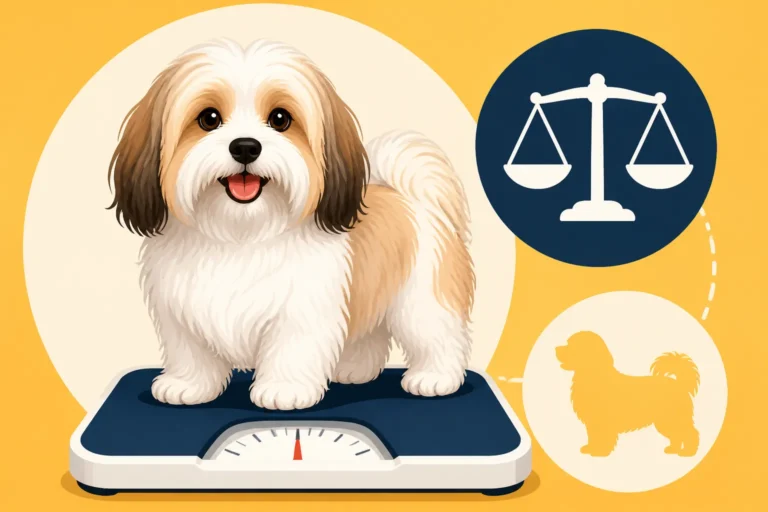
What a Havanese Actually Weighs
One common worry for any Havanese parent is making sure their furry family member is healthy and thriving. You might stare at your little companion, wondering if they’re gaining enough weight as a puppy, or if those extra treats are pushing them into an unhealthy zone as an adult. With so much conflicting information out there, especially concerning what a "healthy" weight looks like for such a small breed, it’s easy to feel a bit lost. This comprehensive guide is here to shed light on what a Havanese actually weighs, from their tiny puppy days to their senior years, and how you can ensure they maintain an ideal weight for a long, happy life.
Understanding the Official Havanese Weight Standard
When you first bring home a Havanese, or even when you're just researching the breed, you'll come across breed standards. These aren't just arbitrary guidelines; they're essentially the blueprint for what an ideal Havanese should look like and how it should behave, established by breed clubs to preserve the integrity and health of the lineage. For weight, these standards provide a crucial benchmark, helping owners and breeders alike understand the typical, healthy range for these charming little dogs.
What Breed Clubs Say About Havanese Weight
The primary Havanese breed clubs, like the Havanese Club of America, provide a specific weight and height range to describe the breed. This range isn't meant to be rigid, but rather to give a clear picture of the breed's physical characteristics. Generally, an adult Havanese is expected to weigh between 7 to 13 pounds. This isn't a massive range, but it accounts for individual variations in bone structure, muscle mass, and gender. You might have a petite female Havanese who happily sits at the lower end, while a more robust male could easily be a healthy 12 or 13 pounds.
It's important to understand that this standard is a guide for overall proportion and health. A Havanese isn't just a number on a scale; it's about balance. The standard also mentions height, typically 8.5 to 11.5 inches at the shoulder, emphasizing that the dog should be slightly longer than tall. This helps ensure that the weight corresponds to a well-proportioned, sturdy little dog, not one that is either too delicate or too chunky for its frame.
The reason these standards exist is rooted in the breed's history and function. Havanese were bred as companion dogs, specifically lap warmers and entertainers for Cuban aristocracy. They needed to be small enough to be easily carried, but robust enough to withstand daily life and playful antics. Deviations too far from this weight range could indicate health issues or a departure from the breed's intended form and temperament.
Why the Standard Weight Matters for Health
Adhering to the breed standard, or at least understanding it, is more than just about aesthetics; it's profoundly linked to your Havanese's health and well-being. A dog that falls significantly outside the standard weight range, whether too light or too heavy, may be at a higher risk for various health complications. For instance, a Havanese that is consistently underweight could be suffering from malnourishment, parasites, or an underlying medical condition that prevents nutrient absorption. It could also indicate a genetic predisposition to being unusually small, which often comes with its own set of fragility concerns.
On the flip side, a Havanese that is significantly overweight or obese faces a host of potential problems. Just like in humans, excess weight puts strain on joints, particularly the knees, which can already be prone to issues like The Kneecaps a Havanese Slips. It can also exacerbate heart conditions, contribute to diabetes, reduce overall mobility, and even shorten their lifespan. Knowing the standard range helps you, in conjunction with your veterinarian, to set realistic and healthy weight goals for your dog.
Furthermore, responsible breeders use these standards as part of their breeding program. They strive to produce puppies that conform to the breed's healthy parameters, which includes size and weight. If a breeder is consistently producing Havanese puppies that are much smaller or larger than the standard, it might raise questions about their breeding practices or the health of their lines. Always look for breeders who prioritize health and adherence to breed standards.
The Typical Weight Range for Adult Havanese
Moving beyond the official club guidelines, let's talk about the real-world average weight you can expect for your adult Havanese. While the standard provides a good framework, individual dogs will naturally vary, and that's perfectly normal. Understanding these nuances will help you assess your own Havanese's physique.
Average Weight for Male and Female Havanese
Generally, there isn't a drastic size difference between male and female Havanese, but males do tend to be slightly larger and heavier. A healthy adult male Havanese typically weighs between 9 and 13 pounds. They might have a bit more bone structure and muscle mass, contributing to their slightly higher weight. Think of a sturdy little companion, full of energy and personality. My own boy, Oliver, usually hovers around 11 pounds, and he's a perfect example of a healthy, active male Havanese.
Female Havanese often fall into the 7 to 11-pound range. They can be a bit more refined in their build, but just as sturdy. It's not uncommon to see a healthy female at 8 or 9 pounds, moving gracefully with that characteristic springy gait. Of course, these are averages, and a female on the higher end of the scale or a male on the lower end can still be perfectly healthy if their body condition is good and they're within the overall breed standard. The key is never to chase a number, but to focus on their overall health and vitality.
Remember, every dog is an individual. Just like people, some are naturally lean, while others have a slightly more robust build. What's crucial is not just the number on the scale, but how that weight looks on your dog's unique frame. A good veterinarian will always emphasize body condition score over a strict weight number.
What is Considered a Healthy Weight for the Breed
Defining a "healthy" weight goes beyond just hitting a specific number; it's about your Havanese's overall body condition. A healthy Havanese should have a well-proportioned body with a noticeable waist when viewed from above. When you run your hands along their sides, you should be able to feel their ribs without seeing them protruding. Their belly should tuck up slightly when viewed from the side, not hang low or sag.
Think of it like this: if you can easily count every single rib just by looking, your Havanese might be underweight. Conversely, if you have to press firmly to feel any ribs at all, and there’s no discernible waist, your Havanese is likely overweight. This hands-on assessment is incredibly important, as a long, fluffy Havanese coat can easily hide a few extra pounds (or conceal a lack of muscle mass if they're too thin). Regular checks, perhaps during your weekly grooming session, can help you monitor their condition.
A healthy weight allows your Havanese to move freely, play vigorously, and enjoy life without undue strain on their joints or internal organs. It means they're getting the right nutrition and exercise for their age and activity level. If you're ever unsure about your Havanese's body condition, your vet is the best resource for an objective assessment and personalized advice. They can help you establish an ideal weight range for your specific dog, considering their age, activity level, and any pre-existing health conditions.
Factors Influencing a Havanese's Weight
The journey of maintaining a Havanese's healthy weight is not a one-size-fits-all approach. Several factors come into play, influencing whether your dog naturally leans towards the smaller or larger end of the spectrum, or if they struggle with weight management. Understanding these elements can empower you to make informed decisions for your Havanese's well-being.
Genetics and Lineage
Just like in human families, genetics play a significant role in determining your Havanese's adult size and inherent metabolic rate. If both of your Havanese's parents were on the smaller side of the breed standard, it's quite likely your puppy will follow suit. Conversely, if they came from a line of more robust, solidly built Havanese, your dog might naturally mature to the higher end of the weight range. This is why a reputable breeder will often share information about the parents' sizes and health history; it gives you a good indication of what to expect as your puppy grows.
However, genetics aren't the sole determinant. Even if your Havanese comes from a line of perfectly standard-sized dogs, individual variations can occur. Sometimes, a puppy might be an outlier, either slightly smaller or larger than its siblings and parents, due to the complex interplay of genes. This isn't necessarily a cause for alarm, as long as they are otherwise healthy and fall within the acceptable broader range for the breed. It's just a reminder that while genetics provide a strong foundation, they don't always write the entire story.
The best thing you can do is observe your Havanese and work with your vet to ensure that whatever their natural, genetically-influenced size, they maintain a healthy body condition. A dog that is naturally a bit smaller or larger than average but is lean, muscular, and energetic is far healthier than one that perfectly hits the middle of the weight range but is carrying too much body fat.
Diet and Nutrition
What you feed your Havanese, and how much, are perhaps the most direct and controllable factors influencing their weight. Havanese are small dogs, and it's incredibly easy to overfeed them, even with seemingly small portions or a few extra treats. Their caloric needs are relatively low compared to larger breeds, and high-quality, nutritionally balanced food is paramount. Look for foods specifically formulated for small breeds, as these often have appropriate kibble sizes and nutrient densities. Brands widely available at retailers like Chewy often offer excellent small-breed specific options.
Portion control is absolutely key. Many dog food bags provide feeding guidelines, but these are often based on average activity levels and may need adjustment for your individual Havanese. If your dog is a couch potato, they'll need less food than an agility enthusiast. Always measure your Havanese's food with a proper measuring cup, rather than just eyeballing it. This precision makes a huge difference over time. Treats, while wonderful for training and bonding, also contribute calories. Choose healthy, low-calorie options and factor them into your dog's daily intake.
It's not just about the quantity, but the quality of the food. A diet rich in fillers and artificial ingredients might not provide the necessary nutrients, leading your Havanese to feel constantly hungry or to gain weight from empty calories. Discuss your Havanese's diet with your veterinarian, especially if you're seeing unexpected weight fluctuations. They can help you determine the best type and amount of food for your dog's specific needs, age, and activity level.
Exercise and Activity Level
Even though Havanese are small, they are not decorative lap warmers who require no physical exertion. They are active, intelligent little dogs who thrive on regular exercise. An active Havanese will naturally maintain a healthier weight and build better muscle tone than one who spends all day lounging. This doesn't mean they need to run marathons, but consistent daily activity is essential.
Short, brisk walks several times a day are great for their physical and mental health. Beyond walks, engaging in playtime, like fetch in the yard or interactive games indoors, can burn calories and keep them fit. Havanese also excel at activities like Whether a Havanese Competes in Agility or rally obedience, which provide excellent physical and mental stimulation. Even simple games like hide-and-seek with their favorite toy can be a fantastic way to get them moving and thinking.
A lack of sufficient exercise is a common contributor to weight gain in Havanese. If your dog isn't burning enough calories, even a perfectly portioned diet can lead to excess weight. Observe your Havanese: do they seem lethargic, or are they eager to play? Adjust their exercise routine to match their energy levels, and don't underestimate the impact of even a few extra minutes of active play each day. Consistency is more important than intensity for this breed.
Age and Metabolism
Just like people, a Havanese's metabolism changes throughout their life. Puppies are bundles of energy with high metabolic rates, often burning calories faster as they grow. As they mature into adults, their growth slows, and their metabolism can level out. However, the most significant changes often occur as they approach their senior years, typically around The Age a Havanese Counts as Senior. Older Havanese often become less active, spending more time sleeping and moving at a slower pace.
This decrease in activity, combined with a naturally slowing metabolism, means that an older Havanese requires fewer calories than they did in their prime. If their diet isn't adjusted accordingly, weight gain can become a significant issue. Many senior dog foods are formulated with fewer calories and different nutrient balances to support aging joints and organs without promoting excess weight. Discuss with your vet when it's appropriate to transition your Havanese to a senior formula.
Monitoring your Havanese's weight as they age is crucial. What was a healthy portion at five years old might be too much at ten. Regular weigh-ins and body condition checks become even more important in their golden years to ensure they remain comfortable and healthy. It's a natural part of their life cycle, and thoughtful adjustments to their care can make a world of difference in their longevity and quality of life.
Spaying/Neutering
Spaying or neutering your Havanese can also have an impact on their weight, and it's a factor many owners overlook. While there are numerous health and behavioral benefits to these procedures, one common side effect is a change in metabolism. Hormonal shifts post-surgery can cause a dog's metabolic rate to slow down, meaning they don't burn calories as efficiently as they did before.
This doesn't mean your spayed or neutered Havanese is destined to become overweight, but it does mean you might need to make adjustments to their diet and exercise routine. Many veterinarians recommend a slight reduction in caloric intake, often around 20-30%, for spayed or neutered dogs to prevent unwanted weight gain. It's a good idea to discuss this with your vet during their post-op check-ups.
I've seen it firsthand with many clients' dogs; a few months after their spay or neuter, they start to pack on a few pounds if their food isn't adjusted. It's not a dramatic shift, but those extra ounces can add up quickly on a small Havanese. Be proactive: talk to your vet about appropriate food adjustments and maintain a consistent exercise schedule to counteract any metabolic slowdown.
Weight Milestones in Havanese Puppies
Watching a Havanese puppy grow is one of the most heartwarming experiences, but it also comes with questions. How fast should they gain weight? When do they stop growing? Understanding the typical weight milestones for Havanese puppies can help alleviate concerns and ensure your little furball is developing healthily.
Puppy Growth Chart Expectations
Havanese puppies grow rapidly in their first few months, then their growth rate gradually slows until they reach their adult size. While there isn't a single, rigid growth chart that applies to every Havanese, we can outline some general expectations. At birth, Havanese puppies are tiny, often weighing just a few ounces. They double their birth weight quite quickly in the first week or two. By 8 weeks of age, when most puppies go to their new homes, they typically weigh between 2 to 4 pounds. This is a crucial time, as they've had their first vaccinations and are transitioning to solid food.
From 8 weeks to about 6 months, you'll see consistent growth. They'll gain weight steadily, usually a pound or so every month, though this can vary. By 4 months, a Havanese puppy might be around 5-7 pounds, and by 6 months, they could be anywhere from 7 to 9 pounds. This period is when they start to really fill out and develop their adult proportions, even if their coat is still in its "puppy fluff" stage.
Most Havanese reach their full height and close to their adult weight by 9 to 12 months of age. Some might continue to fill out slightly and gain a pound or two of muscle mass until they are about 18 months old. It's always a good sign if your puppy's weight gain is steady and proportionate to their overall growth, rather than sudden spurts or plateaus without explanation. Your vet will monitor their growth at each puppy check-up, so don't hesitate to ask questions about their progress.
| Age (Weeks) | Approximate Weight Range (Pounds) |
|---|---|
| Birth | 0.25 – 0.5 (ounces) |
| 4 | 1 – 2 |
| 8 | 2 – 4 |
| 12 | 3 – 6 |
| 16 | 4 – 8 |
| 20 | 5 – 9 |
| 24 | 6 – 10 |
| Adult (12+ months) | 7 – 13 |
Note: This table provides general approximations. Individual puppy growth rates can vary.
When a Havanese Puppy Stops Growing
The majority of a Havanese puppy's rapid growth in terms of height and bone structure usually wraps up by the time they are about 9 to 12 months old. At this point, they'll likely be at or very near their full adult height. However, they might continue to "fill out" for another 6 to 9 months, gaining a bit more muscle and body mass, often reaching their final adult weight closer to 18 months of age. Think of it like a teenager who hits their growth spurt early but then fills out and matures into their adult frame over the next couple of years.
During this filling-out phase, the weight gain will be much slower and more subtle than the rapid growth you observed in their first six months. It's less about getting taller and more about building density and muscle. This is also the period when their metabolism might begin to stabilize, meaning you need to be mindful of their food intake to prevent them from becoming overweight as their high-energy puppy phase starts to wane.
It's a common misconception that small dogs stop growing much earlier than larger breeds. While they do reach physical maturity faster, that "filling out" period is still important. Continuously monitoring their body condition, not just their weight, through this stage is key. Your vet can confirm when your Havanese has reached their full adult size and whether they are at a healthy weight for their final frame.
Identifying Underweight or Overweight Puppies
Spotting if your Havanese puppy is underweight or overweight is crucial for their long-term health. Puppies need consistent, healthy growth, and deviations can signal problems. An underweight puppy might have ribs, spine, and hip bones that are very prominent and easily visible, with little to no fat covering. Their belly might appear extremely tucked up. Causes can range from insufficient food, poor quality food, internal parasites, or other underlying health issues like a The Liver Shunt a Havanese Puppy Shows Before Six Months. If your puppy is not gaining weight steadily or seems unusually thin, a vet visit is imperative. They may recommend deworming, dietary changes, or further diagnostic tests.
On the other hand, an overweight puppy might lack a defined waist, feel soft and squishy over their ribs (making them hard to feel), and have a somewhat rounded appearance. While a little puppy chub is adorable, excessive weight can put unnecessary strain on their developing joints and set them up for obesity in adulthood. Overfeeding, too many treats, or lack of appropriate exercise are common culprits. It’s tempting to spoil a cute puppy with extra food, but resist! Stick to recommended feeding guidelines and engage them in plenty of active play.
A good practice is to regularly assess your puppy's body condition by sight and touch. If you're unsure, ask your vet or an experienced Havanese breeder for guidance. Early intervention for weight issues in puppies is much easier and more effective than trying to correct them later in life, ensuring your Havanese has the best possible start.
The Dangers of "Teacup" or Undersized Havanese
In the world of small dog breeds, you might occasionally hear terms like "teacup Havanese" or see claims of Havanese puppies weighing significantly less than the breed standard. While the idea of an even tinier Havanese might seem appealing to some, it's essential to understand that these "micro" versions often come with significant health risks and ethical concerns.
What "Teacup" Really Means for a Havanese
The term "teacup" is not an official size designation recognized by any reputable breed club for the Havanese. It's a marketing term used by some breeders to describe Havanese that are significantly smaller than the accepted breed standard, often weighing less than 7 pounds as adults. While some Havanese might naturally fall on the smaller side of the 7-13 pound range, a true "teacup" often implies a dog that is unnaturally small, sometimes due to breeding practices that prioritize extreme diminutive size over health.
These "teacup" Havanese are usually the runts of litters, or they may be the result of breeding two undersized dogs together to achieve an even smaller offspring. The goal is to create a dog that fits into a teacup or can be easily carried in a purse, but this pursuit of extreme smallness often comes at a steep price for the dog's health. The Havanese breed standard exists for a reason – it describes a dog that is structurally sound and healthy. Deviating significantly from this can introduce a host of problems.
Responsible breeders will strongly advise against seeking out a "teacup" Havanese. Instead, they focus on breeding healthy dogs that conform to the breed standard, which already describes a small, sturdy, and portable companion. If you encounter a breeder advertising "teacup Havanese," it should be a major red flag about their practices and priorities.
Health Risks Associated with Undersized Dogs
The health risks for undersized Havanese, often marketed as "teacups," are substantial and can lead to a lifetime of veterinary bills and heartache. These tiny dogs are often much more fragile than their standard-sized counterparts. One of the most common issues is hypoglycemia (low blood sugar), which can be life-threatening, especially in puppies. Their tiny bodies struggle to regulate blood sugar levels, requiring frequent, small meals.
Furthermore, these dogs are prone to fragile bones, making them highly susceptible to fractures from even minor falls or bumps. Their organs are also disproportionately small and can be underdeveloped, leading to issues with their heart, lungs, and liver. The Liver Shunt a Havanese Puppy Shows Before Six Months is a serious congenital condition that can be more prevalent or severe in undersized puppies. Dental crowding is another significant problem, as their tiny jaws often cannot accommodate all their teeth, leading to pain, infection, and early tooth loss. You might want to read more about Dental Crowding in a Havanese Mouth.
Beyond these specific issues, undersized Havanese are generally more delicate and require more intensive care. They can struggle with temperature regulation, getting cold easily, and may have weaker immune systems. Their smaller bladders can also make Housetraining a Havanese in a Cold Climate even more challenging. The appeal of a "teacup" Havanese often fades quickly when faced with the reality of their ongoing health struggles and the emotional and financial toll they take on their loving owners.
Ethical Concerns in Breeding for Extreme Smallness
The practice of breeding for extreme smallness, resulting in "teacup" Havanese, raises serious ethical questions for anyone who cares about animal welfare. As discussed, these dogs often suffer from a multitude of health problems directly attributable to their diminutive size. Responsible breeding prioritizes health, temperament, and adherence to breed standards that promote a robust, long-lived dog. Breeding for "teacup" size actively undermines these principles.
Often, to achieve these tiny sizes, breeders may resort to unethical practices such as inbreeding, breeding runts, or simply ignoring health clearances that would prevent the perpetuation of genetic weaknesses. The focus shifts from producing healthy, well-adjusted companions to creating a novelty item, a fashion accessory. This can lead to puppies with compromised immune systems, congenital defects, and significant developmental issues, all for the sake of market demand for something "extra small."
Anyone considering a Havanese should be wary of breeders who advertise "teacup" sizes or promise unusually small puppies. A reputable breeder will prioritize health screening, provide thorough genetic clearances for the parents, and ensure their puppies meet the breed standard's healthy weight and size guidelines. They understand that a truly healthy Havanese is one that fits the established criteria, not one pushed to an unnatural extreme. Supporting breeders who engage in these practices only perpetuates the demand for dogs who are likely to face unnecessary suffering.
Keeping Your Havanese at a Healthy Weight
Maintaining your Havanese's ideal weight is a continuous, lifelong commitment. It's not just about what they eat, but their whole lifestyle. Being proactive and consistent in your approach will make all the difference in ensuring your Havanese enjoys a long, vibrant life.
Daily Feeding Guidelines and Portion Control
Establishing a consistent feeding routine with precise portion control is perhaps the single most important step in managing your Havanese's weight. For most adult Havanese, two meals a day are ideal. This helps regulate their metabolism and prevents them from getting overly hungry between meals. As for how much, it really depends on the specific food you're using (different brands have different caloric densities) and your dog's individual activity level and metabolism.
Always start with the feeding guidelines provided on your dog food bag, but treat them as a starting point, not an absolute rule. For instance, if the bag suggests 1/2 to 3/4 cup per day for a 10-pound dog, start at the lower end. Use a proper measuring cup, not a scoop, to ensure accuracy. Even a slight overestimation each day can lead to significant weight gain over weeks and months for a small dog like a Havanese. I always tell my clients, a few extra kibbles for a small dog is like an extra slice of pizza for us!
Observe your Havanese's body condition weekly. If they're gaining weight, slightly reduce their portion. If they seem a little lean, you can slightly increase it. And don't forget to factor in treats! Those small training morsels or bedtime biscuits add up. Consider using some of their daily kibble ration as training treats to avoid excess calories. Regularly checking brands like Chewy can give you good insights into various small breed food options, often with detailed nutritional information.
Incorporating Regular Exercise
A healthy diet works hand-in-hand with regular exercise to keep your Havanese at their ideal weight. These are not sedentary dogs; they are playful, curious, and enjoy being active. Incorporate at least two to three short walks into their daily routine, ideally for 15-20 minutes each. This not only burns calories but also provides essential mental stimulation and helps them explore their world.
Beyond walks, playtime is crucial. Havanese love to play fetch, chase toys, and engage in interactive games with their human companions. Dedicate 10-15 minutes a few times a day to active play. Indoor games can be just as effective as outdoor ones, especially on days with inclement weather. Puzzle toys, available from pet suppliers like Chewy, can also keep their minds and bodies engaged, making them "work" for a treat or a portion of their meal.
Remember that consistency is key. Erratic exercise, with long periods of inactivity followed by intense bursts, isn't as effective or healthy as a steady, daily routine. The goal is to keep their metabolism humming and their muscles toned. If you're concerned about Whether an Old Havanese Still Wants to Play, remember that even senior Havanese benefit from gentle, regular movement to maintain joint health and mobility.
Monitoring Body Condition Score (BCS)
While the number on the scale is a data point, the Body Condition Score (BCS) is a more accurate and holistic way to assess your Havanese's weight. BCS is a visual and tactile assessment that helps you determine if your dog is at an ideal weight, too thin, or overweight, regardless of their specific size or breed. Most vets use a 5-point scale (where 3 is ideal) or a 9-point scale (where 4 or 5 is ideal).
At an ideal BCS, you should be able to easily feel your Havanese's ribs without seeing them prominently. When viewed from above, they should have a discernible waist or hourglass shape. From the side, their abdomen should tuck up slightly, rather than hanging straight or bulging. Their tail base should have a smooth contour, not bony or excessively fatty.
Regularly performing a BCS check on your Havanese, perhaps once a month or even weekly during grooming, empowers you to catch any creeping weight gain or loss early. Don't rely solely on visual cues, especially with the Havanese's abundant coat – get your hands on them! If you find yourself having to press hard to feel ribs, or if the waistline has disappeared, it's time to adjust their diet and exercise. Your veterinarian can show you how to properly assess your Havanese's BCS at your next check-up.
The Role of Healthy Treats and Chews
Treats are an important part of bonding, training, and enrichment for your Havanese, but they are also a common source of excess calories. The key is to choose healthy options and offer them in moderation. Look for low-calorie, natural treats with simple ingredients. Small pieces of cooked lean meat or vegetables like carrots, green beans, or apple slices (without seeds) can be excellent, healthy alternatives to processed dog treats.
When choosing commercial treats, opt for those specifically designed for small dogs, as they are often smaller and lower in calories. Read the nutritional information carefully to understand the calorie count per treat. Remember, everything your Havanese consumes contributes to their daily caloric intake. If you're using treats frequently for training, consider breaking larger treats into tiny pieces, or even using a portion of their daily kibble as rewards.
Long-lasting chews can also be beneficial, providing mental stimulation and helping with dental health, but be mindful of their calorie content as well. Always supervise your Havanese with chews to prevent choking hazards. The goal is to provide enjoyment and enrichment without undermining your efforts to maintain a healthy weight. A smart approach to treats means your Havanese can enjoy them without tipping the scales.
When to Consult Your Vet About Your Havanese's Weight
While you can do a lot at home to manage your Havanese's weight, there are times when professional veterinary guidance is essential. Knowing when to seek help can prevent minor issues from becoming major health problems.
Sudden or Unexplained Weight Loss
If your Havanese experiences sudden or unexplained weight loss, even if they're still eating normally, it's a significant red flag that warrants an immediate vet visit. Unlike gradual weight loss that can be attributed to diet and exercise changes, sudden loss can indicate an underlying medical condition that requires prompt diagnosis and treatment. This could be anything from dental pain making it difficult to chew, internal parasites that are stealing nutrients, or more serious issues like kidney disease, diabetes, or even certain types of cancer.
Even if your Havanese appears otherwise healthy and active, weight loss without a clear reason is a symptom that should not be ignored. Pay attention to other subtle changes too, such as changes in appetite (either decreased or increased), increased thirst, lethargy, or changes in their stool. These additional clues can help your vet narrow down the potential causes.
Don't wait to see if it "gets better on its own." For a small breed like a Havanese, even a small amount of weight loss can represent a significant percentage of their body mass and can quickly lead to more severe complications. Early detection is often key to a positive outcome when dealing with underlying health issues.
Persistent Overweight or Obesity
You've been diligently measuring food, cutting back on treats, and going on extra walks, but your Havanese just isn't shedding those extra pounds. If your Havanese remains persistently overweight or becomes obese despite your best efforts, it's definitely time to consult your veterinarian. Sometimes, the problem isn't just too many calories or too little exercise; there might be an underlying medical reason making weight loss difficult.
Conditions like hypothyroidism, where the thyroid gland doesn't produce enough hormones, can significantly slow metabolism and lead to weight gain. Certain medications can also cause weight gain as a side effect. Your vet can perform a thorough examination and run diagnostic tests, such as blood work, to rule out any medical causes for the weight issue. If no underlying medical condition is found, your vet can then work with you to develop a more intensive and personalized weight loss plan.
This might involve prescribing a prescription weight-management diet, adjusting portion sizes more precisely, recommending specific types of exercise, or even exploring behavioral strategies to manage food-seeking behaviors. Sometimes, having an objective, expert perspective is exactly what's needed to break through a weight loss plateau and get your Havanese back on track to a healthier weight. Remember, Whether a Havanese Should Be Kept Slim for Its Joints is incredibly important for their long-term comfort and mobility.
Concerns About Puppy Development
Monitoring a puppy's weight is crucial for ensuring healthy development. If you have any concerns about your Havanese puppy's growth rate – whether they seem to be gaining weight too slowly, too quickly, or if their development appears disproportionate – it's always best to consult your veterinarian. Puppies have specific nutritional needs for optimal growth, and deviations can indicate issues.
A puppy that is consistently underweight could be battling parasites, not getting enough calories, or might have a congenital issue affecting nutrient absorption. Conversely, an overweight puppy might be predisposed to skeletal problems later in life if their joints are stressed by excess weight during critical growth phases. Your vet can assess their growth against healthy puppy curves, perform necessary screenings for parasites, and ensure they are on an appropriate diet for their age and anticipated adult size.
Don't hesitate to voice any worries you have about your puppy's development, even if they seem minor. Puppies are resilient, but early intervention for growth or weight issues can prevent more significant problems down the line. A healthy start is foundational for a healthy, happy adult Havanese.
Comparing Havanese Weight to Similar Breeds
It's natural to compare your Havanese to other small breeds, especially when you're trying to gauge if their size and weight are "normal." While Havanese share some similarities with other popular toy breeds, there are distinct differences in their typical weight ranges. Let's take a look.
Havanese vs. Maltese
The Maltese is another beloved toy breed often confused with the Havanese due to their long, flowing coats and affectionate personalities. However, when it comes to weight, the Maltese is generally a more delicate and lighter breed. The Maltese breed standard typically calls for a weight between 4 to 7 pounds, making them noticeably smaller than most Havanese.
A Havanese, with its range of 7-13 pounds, often feels more substantial in hand than a Maltese. This difference in weight is usually accompanied by a slightly sturdier bone structure in the Havanese. While both breeds are undeniably charming and wonderful companions, if you're looking for a slightly more robust small dog, the Havanese might be your preference. This also means that what might be an appropriate weight for a Maltese (say, 7 pounds) could be underweight for an adult Havanese.
So, while they share the "toy breed" category and often a beautiful white coat, their weight profiles are distinct. The Havanese tend to be a bit heavier and more squarely built, giving them a more "full-bodied" feel compared to the dainty Maltese. If you're considering Havanese or Maltese for an Apartment, this size difference might be a factor for you.
Havanese vs. Bichon Frise
The Bichon Frise is another fluffy, white, and cheerful breed that often draws comparisons to the Havanese. They share a similar lineage, both being part of the "Bichon type" family of dogs. In terms of weight, the Bichon Frise typically falls into a range that overlaps somewhat with the Havanese but generally trends slightly heavier. A Bichon Frise usually weighs between 12 to 18 pounds, which is a bit more than the Havanese's 7-13 pound range.
You'll find that Bichons often have a denser bone structure and can appear a bit more "puffy" due to their unique double coat, which stands off the body. This gives them a robust, compact feel. While a larger Havanese might be close in weight to a smaller Bichon, on average, a Bichon Frise will be the heavier of the two. This slight difference in size might affect considerations like how easily they can be carried or how much space they feel they need.
Both breeds are known for their playful nature and intelligence, but their physical builds do differ. The Havanese maintains a slightly more elongated body profile compared to the more compact, almost spherical appearance of a well-groomed Bichon. If you're trying to decide between Havanese or Bichon Frise for a Family, understanding these subtle weight differences can be helpful.
Havanese vs. Shih Tzu
The Shih Tzu is a distinct toy breed with a rich history, known for its regal, flowing coat and charming, often stubborn, personality. When comparing the Havanese to the Shih Tzu in terms of weight, you'll find they often have a similar average range, but with some key differences in build. A Shih Tzu typically weighs between 9 to 16 pounds. This overlaps significantly with the Havanese's 7-13 pound range, with the Shih Tzu often being at the heavier end of that overlap.
Shih Tzus are bred to be sturdy and robust for their size, with a compact, solid body and a distinctly flat face. They are often slightly longer than they are tall. While a Havanese also has a rectangular body, their build is generally lighter and more agile, allowing for their characteristic springy gait. Shih Tzus, while playful, tend to be less active and possess a more sedate energy compared to the often sprightly Havanese.
The differences, therefore, are less about extreme weight discrepancies and more about the overall body type and activity level. A Shih Tzu feels dense and solid, whereas a Havanese feels more finely boned yet still sturdy. Both are wonderful companions, but their specific physical attributes lead to different needs and general characteristics, especially when considering Havanese or Shih Tzu for a First Dog.
Havanese vs. Toy Poodle
The Toy Poodle is a highly intelligent and elegant small dog, known for its curly coat and athletic abilities. When it comes to weight, the Toy Poodle tends to be on the lighter side, generally weighing between 4 to 6 pounds. This places them significantly below the typical Havanese weight range of 7-13 pounds.
Toy Poodles are bred to be miniature versions of their standard and miniature counterparts, maintaining the same graceful, athletic build. They are fine-boned, agile, and often possess a higher energy level than some other toy breeds. A Havanese, by comparison, will feel much more substantial and have a slightly stockier build than a Toy Poodle. The Havanese's longer body and heavier bone structure account for their increased weight.
If you're looking for a truly tiny, very lightweight companion, a Toy Poodle might fit that bill. However, if you prefer a small dog with a bit more "heft" that still retains a playful and portable nature, the Havanese offers that balance. Both breeds are incredibly smart and trainable, but their physical proportions and weight are quite different, influencing everything from how easily they can be picked up to their resilience during play.
Disclaimer
This article is for general informational purposes only and does not constitute professional advice. Laws, prices and regulations vary by location and change over time. Consult a qualified professional for guidance on your specific situation.