Havanese or Shih Tzu for a First Dog
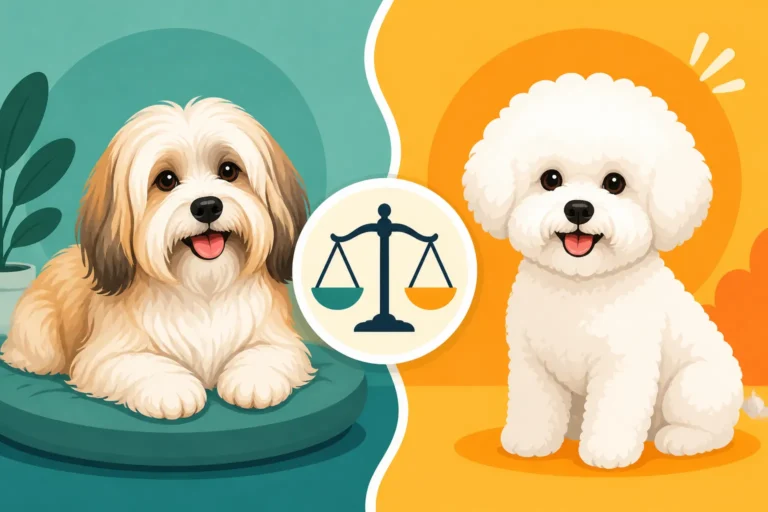
A first dog can be a lot to learn: grooming appointments, toilet-training setbacks, barking at hallway noises, and the worry of choosing a breed whose needs do not fit your routine. Havanese and Shih Tzu can both make affectionate companions, but they differ in coat care, activity, and training style. This guide compares those everyday realities so you can decide which may suit your home.
Havanese and Shih Tzu at a glance
Both breeds were developed as small companion dogs, and both tend to enjoy being close to their people. That does not mean they are interchangeable. A Havanese often brings a lively, curious approach to daily life, while a Shih Tzu may be more content with a shorter outing and a comfortable place to settle. Individual dogs vary, so use breed tendencies as a starting point rather than a promise about a particular puppy.
| Everyday consideration | Havanese | Shih Tzu |
|---|---|---|
| Typical temperament | Social, playful, often eager to interact | Affectionate, often confident and companionable |
| Training style | Usually enjoys engaging, reward-based practice | Can learn well but may show an independent streak |
| Exercise | Daily walks and play, with mental activity | Regular gentle walks and play, adjusted to comfort |
| Coat care | Frequent brushing or regular clipping | Frequent coat care, with particular attention to the face |
| Common first-owner challenge | Keeping up with coat care and teaching calm alone time | House-training consistency and maintaining facial hygiene |
| Home fit | Often suits a home that can include the dog in daily activities | Often suits a home that prefers a relaxed companion routine |
The Havanese may suit an interactive household
Havanese are often described as bright, people-focused dogs. Many enjoy learning small tricks, playing with family members, and joining everyday activities. That can be delightful for a first-time owner who wants to train and engage with a dog, but it also means that casual attention alone may not be enough. A Havanese may need planned play, short training sessions, and practice relaxing independently.
This people-oriented nature can make the breed a good fit for someone who works from home or has a schedule that allows companionship throughout the day. It can also create a challenge if the dog is rarely taught to be comfortable alone. Build brief, positive periods of separation into the routine from the beginning instead of assuming the puppy will simply adjust. If you are weighing the wider commitment, Whether a Havanese Suits a First Time Owner offers a useful companion read.
The Shih Tzu may suit a calmer routine
Shih Tzu are also affectionate companion dogs, but many have a less “let’s do something right now” feel than a highly engaged Havanese. They still need walks, play, training, and company; a small size does not make a dog self-sufficient. But some first-time owners appreciate a companion who is happy to spend part of the day lounging nearby after a bit of activity.
A Shih Tzu’s independence can be charming, though it may make repetitive training less appealing to the dog. Short, cheerful sessions and rewards that matter to that individual are more effective than long drills or repeated corrections. If a puppy seems to lose interest, pause, simplify the exercise, and try again later rather than turning training into a contest.
Neither breed is automatically the “easy” one. A busy, playful Havanese may be a joy for an owner who likes daily interaction, while a relaxed Shih Tzu may fit someone seeking a gentler pace. The best match depends on how much time you can give to grooming, training, exercise, and companionship—not just which dog looks calmer in a photograph.
Training and daily life for a first-time owner
First-time owners often expect training to be a neat sequence: teach a cue, reward it, and move on. Real life is less tidy. Puppies have accidents, get distracted, bark at unfamiliar sounds, and sometimes seem to forget yesterday’s lesson. Both breeds benefit from patient, consistent training, but your experience may feel different depending on the dog’s motivation and your household routine.
House-training requires consistency with either breed
Toy-sized puppies have small bladders, and a new home can disrupt the habits they began learning with a breeder or previous caregiver. Take the puppy to the same toileting area after waking, eating, drinking, and active play, and reward promptly when it goes in the right place. Supervise closely indoors. If you cannot watch the puppy, use a safe, appropriately sized pen or another management arrangement rather than hoping it will make the right choice.
A missed accident is information, not a reason to scold. Clean the area thoroughly, consider whether the puppy had been left too long between breaks, and adjust the schedule. Havanese owners sometimes find that enthusiasm, weather reluctance, or distractions complicate the routine. The practical details in Why a Havanese Is Slow to House Train can help set realistic expectations, while the broader The First Year With a Havanese Puppy covers the many changes that happen as a young dog settles in.
Whichever breed you choose, ask the breeder or rescue what the dog has already experienced and what toileting routine it knows. A puppy accustomed to one surface or location may need gradual, positive guidance to adapt. Keep a simple log of meals, naps, bathroom trips, and accidents during the first stretch at home. It can reveal patterns that are easy to miss when the day feels hectic.
Social skills and alone-time practice matter
A friendly dog is not automatically comfortable in every situation. Introduce new people, sounds, handling, and places gradually, pairing them with calm praise or treats. Avoid forcing a puppy into a crowded dog park or asking it to greet every dog on the sidewalk. For a small dog, a positive experience at a safe distance can be more useful than an overwhelming close encounter.
Havanese can form close attachments to their people, so make resting alone a normal, low-pressure part of the day. Begin with a few moments in a safe area while you remain nearby, then increase the time gradually if the dog stays relaxed. A food puzzle or chew may help some dogs settle, but it is not a substitute for gradual practice. Signs of distress such as persistent vocalizing, frantic scratching, or destructive escape attempts deserve attention rather than punishment. See Signs a Havanese Has Separation Anxiety for signs that ordinary puppy protest may have become a more serious struggle.
Shih Tzu also need gentle, steady socialization and a predictable routine. If a dog is wary, do not assume it will “get over it” by being repeatedly exposed to the thing it fears. Give it space, reward calm observation, and seek help from a qualified, reward-based trainer if fear or reactivity is interfering with daily life. These habits help make a first dog safer and more comfortable, whatever breed you bring home.
Grooming, exercise, and practical care
A small companion dog still needs daily care. Coat maintenance is often the largest ongoing difference owners notice, and it is worth being honest about how much brushing or professional grooming your schedule can handle. A long coat can look beautiful, but mats can form in places that are easy to overlook, especially where hair rubs against a harness or behind the ears.
Coat care is a real commitment for both breeds
Havanese coats can be kept longer with regular, thorough brushing, or maintained in a shorter pet clip. A long coat needs careful attention down to the skin; brushing only the visible surface can leave tangles underneath. If daily coat work sounds unrealistic, ask a groomer about a practical shorter style before choosing a puppy. The coat-care discussion in The Puppy Cut Most Havanese Owners End Up Choosing can help you picture that option.
Shih Tzu coats also need regular brushing if kept long, and their facial hair needs particular attention so the area around the eyes and mouth stays clean and comfortable. Many owners choose a shorter trim to make everyday care easier. A professional groomer can advise on a manageable style and show you how to maintain it between visits. For either breed, introduce brushing, nail handling, bathing, and gentle face care early, using short sessions and rewards rather than trying to complete everything at once.
A first-time owner may find it helpful to keep a simple care kit at home: a suitable brush and comb, dog-safe shampoo, a towel, nail-care supplies if comfortable using them, and treats for cooperative handling. Chewy can be one place to compare basic grooming tools, but check that the product is appropriate for your dog’s coat and ask a groomer or veterinarian if you are unsure. For a Havanese, Teaching a Havanese to Lie Still for Grooming is relevant because calm handling is learned gradually, not expected automatically.
Exercise should fit the individual dog
Neither breed needs an athlete’s schedule, but both need more than being carried from room to room. Plan gentle daily walks and opportunities to sniff, explore, and play. A Havanese may enjoy more interactive games or learning activities, while a Shih Tzu may prefer a shorter outing followed by rest. Age, health, weather, and the individual dog’s fitness should shape the routine.
Because Shih Tzu have a shorter muzzle, be alert to signs of heat or breathing difficulty during activity, especially in warm or humid weather. Choose cooler times for walks, keep the pace comfortable, and stop if the dog is struggling. Havanese also need protection from overheating and should not be pushed to exercise in conditions that are uncomfortable for them. Keep fresh water available and let the dog set a sensible pace.
Indoor enrichment can be useful on rainy days or when a puppy is not ready for a long outing. Try a few minutes of simple cue practice, a supervised food puzzle, or a gentle game of finding a toy. If you use treats, count them as part of the dog’s overall food for the day. Chewy may offer puzzle toys and walking accessories to compare, but choose sturdy items sized for a small dog and supervise use, particularly with toys that can be chewed apart.
Health, costs, and choosing the better match
Breed is only one part of a dog’s health picture. A responsible breeder, a clear veterinary history, and routine preventive care matter whether you choose a Havanese or a Shih Tzu. Ask about health screening and the health of close relatives, and request records rather than relying on a general assurance that a puppy is healthy. If adopting, ask what is known about the dog’s medical and behavioral history.
Ask questions about health and ongoing care
Havanese can be affected by issues seen in small breeds, including dental crowding and kneecap problems. Shih Tzu may need particular attention to their eyes, skin folds, and breathing comfort. These are possibilities to discuss with a veterinarian, not a prediction that any individual dog will develop a problem. A puppy’s first veterinary visits are a good time to ask what to monitor and when follow-up care is appropriate.
Before committing, ask the breeder what health checks have been performed on the parents, whether results are documented, and what support is available if a concern arises. Avoid treating a health guarantee as a substitute for responsible breeding and veterinary examination. For Havanese, The Health Tests Both Havanese Parents Should Have is a useful starting point, and Whether a Havanese Is Healthier Than a Shih Tzu puts the comparison into perspective without assuming one breed is risk-free.
Dental care deserves a place in the plan from the beginning. Small dogs can have crowded mouths, and brushing at home helps build a routine, though it does not replace veterinary examinations or treatment when needed. Ask your veterinarian to demonstrate tooth brushing and recommend suitable dental products. Dental Crowding in a Havanese Mouth explains one issue prospective Havanese owners may want to understand.
Match the dog to your actual week
Picture a normal Tuesday, not an ideal weekend. How long will the dog be alone? Who will brush it? Can you schedule regular grooming? Are there stairs, slippery floors, children, or other pets to consider? A Havanese may be a lovely fit if you enjoy daily interaction and can make time for coat care and gradual independence training. A Shih Tzu may suit you if you want a close companion and are prepared for steady grooming and a thoughtful exercise routine.
It is also worth thinking about support. A first-time owner can benefit from a veterinarian, a patient groomer, and a reward-based trainer, especially during the early months. Ask a breeder or rescue how the dog responds to handling and ordinary household activity. If you live in a building, consider how you will manage barking, elevator encounters, and toileting during bad weather. Those practical details often matter more than small differences in breed descriptions.
Make a realistic budget for food, routine veterinary care, grooming, supplies, training, and unexpected needs. Costs vary by location and by the care each dog requires, so gather local estimates before bringing a dog home. If a longer coat will require professional appointments, include that in the decision rather than treating grooming as an occasional extra. A suitable breed is one whose needs you can meet consistently, including when work is busy or the weather is unpleasant.
In the end, there is no universal winner for a first-time owner. Choose the Havanese if its lively, people-centered style feels like a match and you can commit to grooming and alone-time training. Choose the Shih Tzu if its companionable nature and potentially more relaxed pace appeal to you, and you are ready to care for its coat and facial area. Meeting adult dogs of both breeds, speaking with responsible breeders or rescues, and asking direct questions about daily care can make the choice much clearer.
Disclaimer
This article is for general informational purposes only and does not constitute professional advice. Laws, prices and regulations vary by location and change over time. Consult a qualified professional for guidance on your specific situation.