Whether a Clipped Havanese Sunburns
It's such a common dilemma for us Havanese owners: we want our fluffy companions to be comfortable, especially when the weather heats up or if grooming feels like a never-ending battle with mats. So, we opt for a shorter clip, often called a "puppy cut" or a summer shave, hoping to make life easier for both of us. But then the worry creeps in – is that short coat actually protecting their delicate skin, or are we inadvertently putting them at risk of sunburn? This guide is here to shed some light on why a clipped Havanese can absolutely get a sunburn, and what practical steps you can take to keep them safe and happy.
Understanding Your Havanese's Natural Coat Protection
When you look at a Havanese in their full, flowing glory, it's easy to assume all that hair must make them incredibly hot. And while temperature regulation is part of the equation, that luxuriant coat serves several vital purposes, one of the most important being protection from the elements, including the sun.
The Double Coat's Role in Sun Protection
Your Havanese's coat isn't just a single layer of hair; it's a wonderfully engineered double coat. The outer coat, often described as silky and fine, acts like a natural shield. Beneath that, there’s a softer, lighter undercoat that provides insulation. Together, these layers create a barrier that helps regulate body temperature, keeping them warm in winter and surprisingly cool in summer by trapping air, much like insulation in a house. But crucially, this dense barrier also acts as a physical block against the sun's harmful ultraviolet (UV) rays. Think of it as their very own built-in sunscreen and parasol. The longer and denser the coat, the more effective this natural protection becomes. Many people don't realize that The Silky Double Coat a Havanese Grows to the Floor isn't just for looks; it's a functional marvel.
The Myth of the "Cool" Shave
This is where many of us get tripped up. The idea that shaving a dog with a double coat makes them cooler is a really persistent myth. While a short clip might feel cooler to the touch because the hair is no longer thick, it actually strips away their natural defenses. Without that protective double layer, your Havanese's skin is directly exposed to the sun's rays, leaving them vulnerable to sunburn, just like a human without clothing. It also disrupts their natural temperature regulation system, potentially making them less efficient at keeping cool. Suddenly, that liberating summer shave becomes a cause for concern, making you wonder Whether a Havanese Should Be Clipped for Summer. While a Puppy Cut Costs on a Havanese can be tempting for convenience, understanding its implications for sun protection is key.
Why a Clipped Havanese is Vulnerable to Sunburn
Once that beautiful, protective coat is significantly shortened, your Havanese's skin faces the same dangers as your own when exposed to the sun. It's a fundamental change in how their body interacts with direct sunlight.
Loss of Natural Barrier
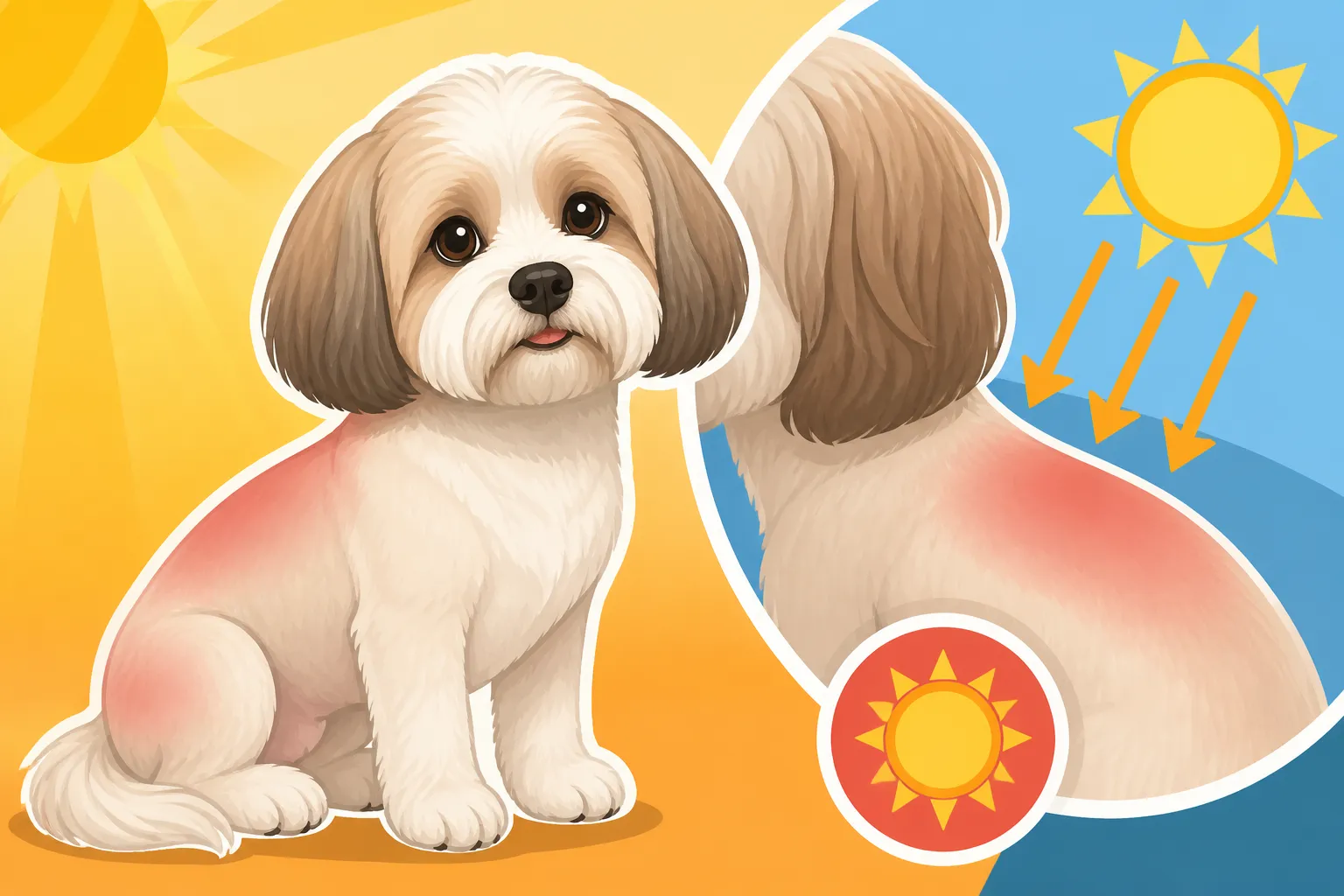
Imagine stepping outside on a sunny day without a shirt. That's essentially what happens to your Havanese's skin after a close clip. Their fur, which previously offered a substantial physical barrier, is now too short to provide adequate protection. Even if there's still some hair, it might not be dense enough to prevent UV radiation from penetrating to the skin. This exposure can quickly lead to irritation, redness, and pain, much like a human sunburn. This is particularly important for areas where the fur might naturally be thinner or on lighter-colored Havanese, whose skin might be more sensitive. Whether a Havanese Coat Protects It From Sun is a direct answer to this point: yes, when it's long, but not when it's clipped short.
Areas Most Susceptible to Sunburn
While any exposed skin can burn, some areas on your Havanese are particularly vulnerable. The bridge of their nose, where the fur is often naturally shorter and they might push it into sunbeams, is a prime target. Their ear tips, especially if they're thinly haired or light-colored, can also get scorched. Don't forget their belly and inner thighs, which might be exposed when they lie on their backs or side to cool down on a warm surface. And of course, their back and sides, which receive the most direct overhead sunlight, are at high risk, especially if the clip is very short. Even around their eyes, where hair is often trimmed for visibility, can be sensitive. It's important to remember Whether Hair Should Be Kept Out of a Havanese's Eyes for their comfort and health, but also to consider sun exposure on the skin underneath.
Recognizing Sunburn in Your Havanese
If you suspect your clipped Havanese has gotten too much sun, look for these signs:
- Redness and Inflammation: The skin will appear pink or red, similar to human sunburn. It might feel warm to the touch.
- Tenderness or Pain: Your Havanese might pull away when you try to touch the affected areas, or seem generally uncomfortable.
- Scratching or Licking: They might excessively scratch or lick the burned areas, which can lead to further irritation or secondary infections.
- Dry, Flaky Skin: In more severe cases, the skin might become dry, flaky, or even peel a few days after the initial burn.
- Blistering (Rare but Serious): While less common, severe sunburn can cause blistering, which requires immediate veterinary attention.
- Lethargy or Fever: If the sunburn is extensive, your Havanese might feel unwell, showing signs of lethargy or having a slight fever.
Catching these signs early is crucial for providing comfort and preventing further complications.
Practical Strategies for Protecting Your Clipped Havanese from the Sun
Just because your Havanese has a short haircut doesn't mean they can't enjoy the outdoors! It just means we, as their devoted caretakers, need to be a bit more proactive with their sun protection plan.
Timing Walks and Outdoor Play
One of the simplest and most effective strategies is to adjust your outdoor schedule. Avoid walking or playing with your Havanese during the hottest, sunniest parts of the day. In most places, this means staying indoors or in deep shade between 10 AM and 4 PM. Early mornings and late evenings are generally much safer, not just for sun protection but also to prevent overheating. Signs a Havanese Is Too Hot can mimic sun overexposure, so it's a good practice to be mindful of both heat and UV. Even if it's not scorching hot, UV rays can still be strong on a cloudy day, so vigilance is always wise.
Canine Sunscreens and Protective Gear
Yes, there's such a thing as dog-safe sunscreen! Just like with humans, not all sunscreens are safe for dogs, so never use human sunscreen on your Havanese unless specifically advised by your vet. Look for products designed for pets that are non-toxic and zinc-oxide free, as zinc can be harmful if ingested. Apply it carefully to exposed areas like the nose, ear tips, and any thinly furred spots on the belly or back. You can often find these specialized sunscreens on sites like Chewy or Amazon, making them easy to source.
Beyond sunscreen, consider protective clothing. Lightweight, breathable UV-protective shirts or vests are available for dogs and can provide an excellent physical barrier for their back and sides. These aren't just fashion statements; they're functional pieces of gear that can make a real difference, especially for a clipped Havanese enjoying an afternoon in the park.
Providing Shade and Hydration
This might seem obvious, but it's worth reiterating: always ensure your Havanese has access to ample shade when outdoors. Whether it's a shady tree, an umbrella, or a covered patio, a retreat from direct sun is non-negotiable. If you're out and about, be mindful of where the sun is hitting them and reposition them as needed. Coupled with shade, constant access to fresh, cool water is crucial. Dehydration can exacerbate the effects of heat and sun exposure, so encourage them to drink frequently. A portable water bottle and bowl are essential items for any outing with your Havanese.
Diet and Skin Health Support
While diet won't directly prevent sunburn, a healthy, well-nourished body, including robust skin and coat, provides the best defense against environmental stressors. High-quality dog food, rich in essential fatty acids (like Omega-3s and Omega-6s), vitamins, and minerals, contributes to overall skin health and can help maintain the integrity of their skin barrier. Think about premium food options like those offered by Ollie, which prioritize whole, beneficial ingredients. Strong, healthy skin, even when exposed, might have a slightly better resilience compared to skin that is dry, flaky, or compromised by nutritional deficiencies. This isn't a substitute for direct sun protection, but it's an important underlying factor in your Havanese's overall well-being and ability to cope with their environment. Keeping up with regular grooming, even for a clipped coat, helps maintain Skin Trouble Under a Havanese Coat at bay, further supporting skin health.
| Sun Protection Strategy | Description | Key Benefit |
|---|---|---|
| Adjusting Outdoor Schedule | Avoid walks/play between 10 AM and 4 PM (peak sun hours). Opt for early morning or late evening. | Reduces direct UV exposure significantly. |
| Canine Sunscreen | Apply pet-safe, non-toxic sunscreen (zinc-free) to nose, ear tips, and sparse-haired areas. | Direct barrier against UV rays for vulnerable spots. |
| UV-Protective Clothing | Dress your Havanese in lightweight, breathable UV-protective shirts or vests. | Physical barrier for back and sides, preventing extensive skin exposure. |
| Providing Ample Shade | Ensure constant access to natural or artificial shade when outdoors (trees, umbrellas, covered areas). | Offers immediate relief from direct sunlight and heat. |
| Constant Hydration | Always have fresh, cool water available and encourage frequent drinking. | Prevents dehydration, which exacerbates heat and sun effects. |
| Optimal Nutrition | Feed a high-quality diet rich in essential fatty acids for healthy skin and coat. | Supports overall skin barrier integrity and resilience against stressors. |
When to Consult Your Vet About Sun Exposure
While home remedies and preventative measures are excellent, sometimes a sunburn can be severe enough to warrant professional veterinary attention. It’s important to know when to escalate your concerns.
Signs That Warrant a Vet Visit
If you notice any of these more serious signs, it's time to call your veterinarian:
- Severe Redness and Pain: If the burn is extremely red, swollen, or your Havanese is clearly in significant pain, preventing you from even touching them.
- Blistering or Open Sores: This is a serious burn and requires immediate medical attention to prevent infection and promote healing.
- Lethargy, Weakness, or Vomiting: These could be signs of heatstroke or a more systemic reaction to a severe burn, not just localized skin irritation. Whether a Havanese Overheats in Summer is a real concern, and these symptoms suggest they've gone beyond simple sunburn.
- Persistent Scratching/Licking: If your Havanese won't stop bothering the area, they might be causing further damage or introducing bacteria, leading to a secondary infection.
- Signs of Infection: Pus, foul odor, or increasing swelling around the burned area indicate an infection that needs antibiotics.
- Large Affected Area: If a significant portion of their body is burned, the risk of systemic issues increases.
Your vet can assess the severity of the burn, prescribe pain relief, anti-inflammatory medications, or antibiotics if infection is present. They can also provide guidance on proper wound care to ensure optimal healing.
Long-Term Risks of Repeated Sunburn
Just like in humans, repeated sunburns in dogs, especially on areas with thin or light pigmentation, can lead to serious long-term health issues. The most significant concern is an increased risk of skin cancer, such as squamous cell carcinoma or hemangiosarcoma. These cancers can be aggressive and difficult to treat, making prevention paramount.
Chronic sun exposure can also cause premature aging of the skin, leading to thickened, leathery patches, and increased susceptibility to other skin conditions. It's a sobering thought, but understanding these potential consequences underscores why diligently protecting your clipped Havanese from the sun isn't just about comfort; it's about their long-term health and well-being. So, while you might appreciate Whether a Clipped Havanese Coat Grows Back the Same and the convenience it offers, remember the trade-offs regarding sun protection and take the necessary precautions.
Disclaimer
This article is for general informational purposes only and does not constitute professional advice. Laws, prices and regulations vary by location and change over time. Consult a qualified professional for guidance on your specific situation.