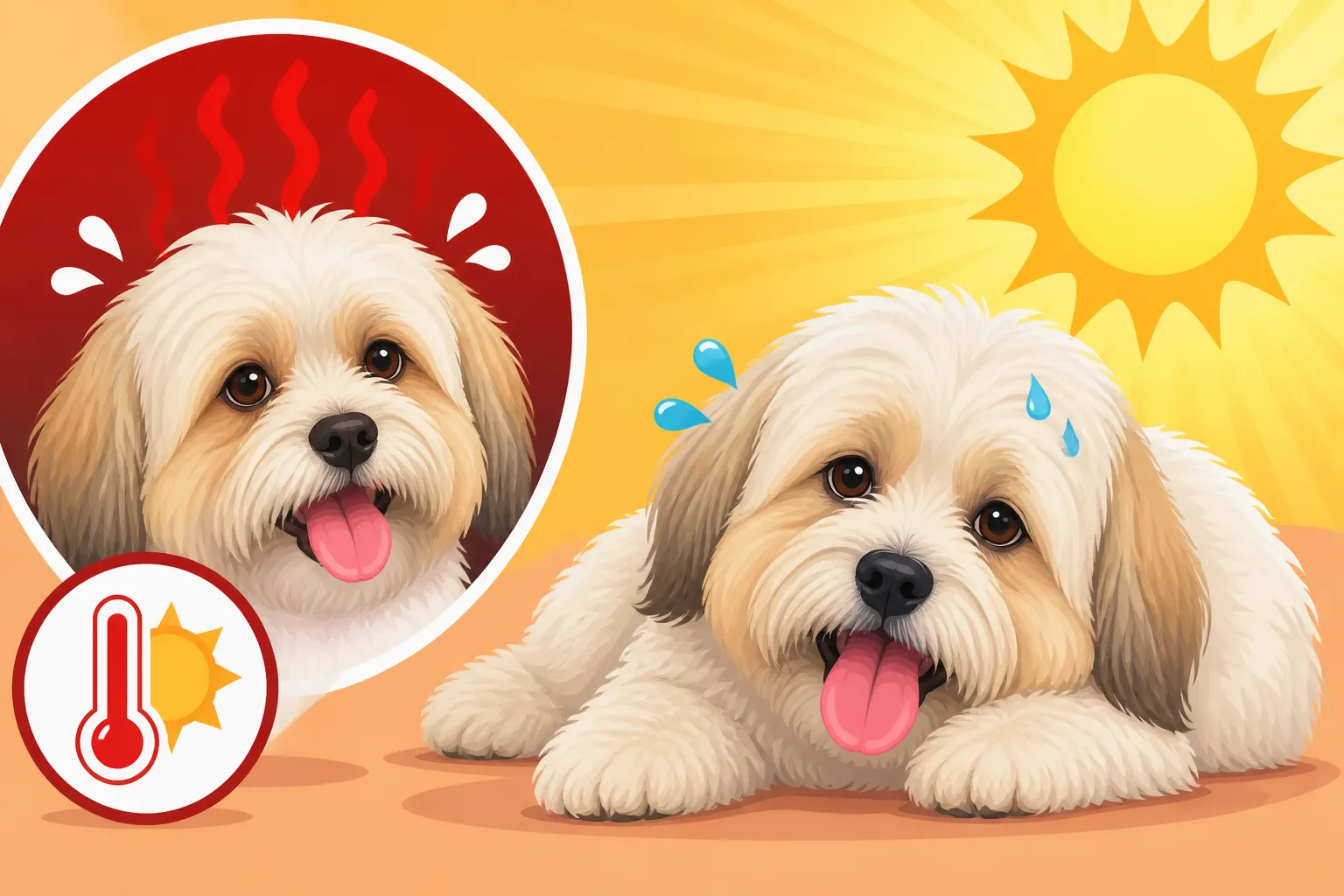
Signs a Havanese Is Too Hot
It’s a truly frightening moment for any Havanese parent: you look at your beloved furry companion, and something just doesn't seem right. Maybe they're panting more than usual, or they've suddenly gone limp. The fear that rushes through you, especially when the weather is warm, is completely understandable. Our Havanese, with their beautiful coats and enthusiastic personalities, can sometimes push themselves too far or get caught off guard by rising temperatures. This guide is here to help you understand the subtle and not-so-subtle signs that your Havanese might be getting too hot, and what you can do to help them quickly and safely.
Why Havanese Are Prone to Overheating
You might think that because Havanese have such luxurious coats, they’re perfectly insulated against the heat, or perhaps you've heard they're "cold-weather" dogs. The reality is a bit more nuanced. Their unique physiology and activity levels can make them surprisingly susceptible to overheating, even when the temperature doesn't feel extreme to us. Understanding these factors is the first step in keeping them safe.
The Double Coat's Role
The Havanese possesses a remarkable The Silky Double Coat a Havanese Grows to the Floor. It's a double coat, meaning it has an outer layer of longer, guard hairs and a softer, denser undercoat. While this coat is often touted as protective in both cold and warm weather, helping to regulate body temperature, it can also become a trap. If the undercoat isn't properly maintained and brushed out, it can mat and prevent air from circulating against the skin. This thick barrier, instead of providing insulation against the heat, ends up holding it in. Think of it like wearing a heavy wool sweater in summer – it might feel fine in a cool breeze, but once the sun hits, you're going to bake. For a Havanese, that beautiful coat, if neglected, becomes a heat-retaining blanket.
Small Size and Metabolism
Our little Havanese buddies might be small, but they pack a lot of energy! Their smaller body size, coupled with a relatively higher metabolic rate compared to larger breeds, means they can generate heat quickly, especially during play or excitement. While their small stature also means they have a larger surface area to volume ratio, which can theoretically aid cooling, their enthusiasm often overrides this. They aren't always great at self-regulating, especially when they're having fun. A Havanese might zoom around the yard, play fetch, or engage in a vigorous game of tug-of-war without realizing they're pushing their limits until it's too late.
Activity Levels and Play
Havanese are generally quite active and playful dogs. They thrive on interaction and love to be involved in whatever their family is doing. This wonderful trait, however, can sometimes work against them in warmer weather. A Havanese, especially a young one, might not know when to quit. They'll keep chasing that ball, keep wrestling with their canine sibling, or keep running alongside you on a walk, even as their body temperature rises dangerously. It's up to us, their human companions, to be vigilant and set boundaries, ensuring they don't overexert themselves during the hottest parts of the day. They’re so eager to please and have fun that they often ignore their body’s signals to slow down.
Subtle Early Warning Signs Your Havanese is Overheating
The key to preventing serious heatstroke is recognizing the early signs that your Havanese is getting too hot. These symptoms can be easy to miss if you're not actively looking for them, but catching them early can make all the difference. Don't wait for your dog to be in distress before taking action.
Behavioral Changes
One of the first things you might notice is a shift in their usual demeanor. A Havanese who is typically bouncy and eager to play might suddenly become lethargic, moving slowly or even lying down in unusual spots. They might start seeking out cooler areas of the house or yard – lying on tile floors, trying to get into the shade, or even pressing themselves against a cool wall. They might become restless or appear anxious, pacing back and forth, as if trying to find a comfortable position they can't quite achieve. This isn't just them being lazy; it's a clear signal their body is struggling to cool down. If your Havanese, who normally greets you with excited wiggles, seems subdued and uninterested in their favorite toy, it's time to pay close attention to the temperature.
Physical Indicators
Beyond behavior, there are several physical cues that your Havanese is starting to overheat. The most obvious is excessive panting. While all dogs pant to cool down, panting that is rapid, shallow, and persistent, even when they're not actively exercising, is a red flag. It might sound like they're struggling to catch their breath. Check their gums: are they brighter red than usual, almost a brick red color? This indicates increased blood flow as their body tries to dissipate heat. You might also notice increased drooling, with thicker, ropier saliva than normal. This isn't just a sign of thirst; it's another way their body is trying to cool, but it's often inefficient when they're already too hot. Their heart rate might also be noticeably faster if you gently feel their chest. These signs, especially in combination, demand immediate action.
Changes in Movement
As a Havanese's body temperature rises, their muscles can start to weaken, and their coordination can be affected. You might notice them stumbling or walking with an uncoordinated, wobbly gait, as if they've had too much to drink. They might appear weak in their hind legs or struggle to stand up after lying down. This isn't just a momentary slip; it's a sign that their central nervous system and muscles are being impacted by the heat. If your normally agile Havanese is suddenly clumsy or hesitant to move, don't dismiss it. These subtle changes can escalate quickly into more severe neurological symptoms if the overheating isn't addressed. It's a critical early warning that their body is starting to shut down under the stress of the heat.
Critical Symptoms of Heatstroke in Havanese
If the early warning signs are missed or ignored, a Havanese can quickly progress to full-blown heatstroke, a life-threatening condition. These symptoms require immediate veterinary attention. Time is of the essence when dealing with heatstroke.
Gastrointestinal Distress
One of the serious signs of heatstroke is severe gastrointestinal upset. This can manifest as persistent vomiting, which might contain bile or even blood. They may also experience severe diarrhea, which can also be bloody. The internal organs are under immense stress during heatstroke, and the digestive system is often one of the first to show severe damage. The vomiting and diarrhea further exacerbate dehydration, creating a dangerous cycle that rapidly worsens their condition. If your Havanese is exhibiting these symptoms after being in warm conditions, it's an emergency.
Neurological Signs
As heatstroke progresses, the brain can be severely affected, leading to alarming neurological symptoms. Your Havanese might become dizzy or disoriented, appearing confused about where they are or what's happening. They might start circling erratically or bumping into objects. More severe signs include muscle tremors, uncontrolled shaking, and even seizures. In the most critical stages, they may collapse or lose consciousness altogether. These are terrifying signs and indicate that their core body temperature has reached dangerous levels, causing significant damage to their brain and nervous system. If you see any of these, scoop them up and head straight to the emergency vet.
Temperature and Shock
A Havanese suffering from heatstroke will have a very high body temperature, often exceeding 104°F (40°C). While you won't always have a thermometer handy, their skin will feel intensely hot to the touch. Their gums might turn from brick red to pale or even bluish as their body goes into shock, indicating poor circulation. Their breathing will become extremely rapid and shallow, almost gasping, as their body desperately tries to get oxygen. Their heart rate will be very fast and weak. At this point, they are in a state of shock, and their organs are beginning to fail. This is a life-or-death situation, and every second counts.
The difference between early signs and critical heatstroke can be stark, and recognizing these changes quickly is paramount:
| Symptom Category | Early Warning Signs | Critical Heatstroke Symptoms |
|---|---|---|
| Behavioral | Lethargy, seeking shade, restlessness, reluctance to play | Disorientation, circling, collapse, unconsciousness |
| Physical | Excessive panting, bright red gums, increased drooling, fast heart rate | Very high body temperature (>104°F), pale/bluish gums, rapid/shallow breathing, weak pulse |
| Gastrointestinal | No specific GI signs typically | Vomiting (possibly bloody), diarrhea (possibly bloody) |
| Neurological | Stumbling, uncoordinated gait, mild weakness | Muscle tremors, seizures, unresponsiveness |
| Urgency | Act immediately to cool them down at home | Immediate emergency veterinary care required |
Immediate Actions to Cool Down an Overheating Havanese
Finding your Havanese showing signs of overheating can be terrifying, but knowing what to do in those first critical moments can be a lifesaver. Your swift, calm actions can make all the difference.
Getting Out of the Heat
The very first, non-negotiable step is to get your Havanese out of the hot environment immediately. This means moving them to an air-conditioned room, a cool basement, or at the very least, a shady spot outdoors. If you're in a car, pull over, open all windows, and turn on the air conditioning full blast. The goal is to stop their body from absorbing any more external heat. Don't linger to try other cooling methods in the heat; physical removal from the source of the heat is paramount. This simple act reduces the external thermal load on their body, giving their internal cooling mechanisms a fighting chance.
Cooling Techniques
Once they're in a cooler location, you need to actively help them cool down. Start by wetting their coat with cool (not ice-cold!) water. Ice-cold water can cause the blood vessels to constrict, trapping heat inside their body and potentially leading to shock. Focus on areas where blood vessels are close to the surface, such as their paw pads, armpits, and groin. You can use a damp towel, a spray bottle, or even a garden hose on a gentle setting. Continuously re-wet the towels as they warm up. Placing a fan to blow air over their wet fur will significantly increase evaporative cooling, which is very effective. You can also offer them small amounts of cool water to drink, but don't force it.
Remember, the goal is gradual cooling, not an instant chill. Overcooling can be just as dangerous as overheating. Keep monitoring them closely as you cool them down. You can find excellent cooling mats and bandanas on sites like Chewy or Amazon that can be a great addition to your cooling arsenal for hot days, but for an active overheating situation, direct application of cool water is your best friend.
Seeking Veterinary Help
Even if your Havanese seems to be improving after your initial cooling efforts, it is always crucial to contact your veterinarian immediately. Heatstroke can cause internal organ damage that isn't immediately visible. They might appear to recover, only to develop complications hours or even days later, such as kidney failure, liver damage, or disseminated intravascular coagulation (DIC), a severe bleeding disorder. Your vet will want to check their internal temperature, assess organ function, and ensure there are no lingering effects. They might administer intravenous fluids, oxygen, or other supportive care. Don't hesitate or try to "wait and see" once your Havanese has shown any critical signs of heatstroke. A quick call to your vet or emergency clinic while you are initiating cooling measures is always the safest course of action.
Preventing Overheating: Proactive Steps for Havanese Owners
An ounce of prevention is worth a pound of cure, especially when it comes to heatstroke in our furry friends. As Havanese parents, we have a responsibility to take proactive steps to ensure their safety and comfort during warmer weather. Small changes in routine and care can make a huge difference.
Smart Grooming Choices
Their beautiful flowing coats are one of the Havanese's defining features, but they can be a double-edged sword in the heat. While a long, well-maintained coat can provide some insulation against the sun's rays, a matted or overly dense coat will simply trap heat. Many owners opt for a shorter, more practical clip during warmer months. The Puppy Cut Most Havanese Owners End Up Choosing is a popular choice, keeping them comfortable and reducing matting, which is crucial for air circulation.
However, a crucial point here is not to shave your Havanese completely down to the skin. Their skin can sunburn easily, and that protective outer layer of hair helps prevent that. A good groomer can advise on a sensible length that provides protection while maximizing air flow. Consider discussing Whether a Havanese Should Be Clipped for Summer with your professional groomer to find the best compromise for your climate and your dog's lifestyle. Regular brushing, even with a shorter coat, is also essential to prevent any undercoat from packing down and hindering air circulation.
Hydration and Shade
This might sound obvious, but it's astonishing how often it's overlooked. Always, and I mean always, ensure your Havanese has access to fresh, cool water. If you're out and about, carry a portable water bottle and a collapsible bowl. There are some fantastic options for travel bowls on Amazon. At home, multiple water bowls in different locations can encourage drinking.
Beyond water, providing ample shade is critical. If your Havanese is spending time outdoors, make sure there’s a shaded area they can retreat to. This could be a tree, an umbrella, or even a covered patio. Never leave them tethered in direct sunlight. If you use a playpen outdoors, ensure at least half of it is always in the shade. Indoor-only Havanese also benefit from a cool spot, perhaps near a fan or on a cool tile floor.
Timing Exercise and Activities
Havanese love their walks and playtime, but we need to adjust our schedules to accommodate the heat. Avoid walks and strenuous activities during the hottest parts of the day, typically late morning to late afternoon. Instead, aim for early morning or late evening when temperatures are significantly cooler. Remember that asphalt and pavement can get incredibly hot, burning delicate paw pads even when the air temperature feels manageable to us. Test the pavement with the back of your hand; if it's too hot for you to hold for five seconds, it's too hot for their paws.
Keep exercise sessions shorter and more frequent if necessary. Understand How Much Exercise a Havanese Needs and try to meet those needs without risking their health. If you typically enjoy a long stroll, break it into a few shorter, cooler walks. Indoor playtime with air conditioning can be a great alternative for mental and physical stimulation on scorching days.
Car Safety
This cannot be stressed enough: NEVER leave your Havanese alone in a parked car, even for a few minutes, even with the windows cracked. The temperature inside a car can rise to deadly levels incredibly quickly, even on a seemingly mild day. On an 80-degree Fahrenheit day, the temperature inside a car can reach 100 degrees in 10 minutes and 120 degrees in 30 minutes. Your Havanese can suffer irreversible organ damage or death in this short amount of time. If you can't take your dog with you into your destination, leave them safely at home. It's simply not worth the risk.
Consider investing in products like cooling vests or bandanas, easily found on Chewy, for walks on warmer days. Ensure any food or treats you give them, like those from Ollie, are fresh and hydrating. These small conscious choices add up to a safer, happier, and cooler Havanese throughout the warmer seasons.
Disclaimer
This article is for general informational purposes only and does not constitute professional advice. Laws, prices and regulations vary by location and change over time. Consult a qualified professional for guidance on your specific situation.