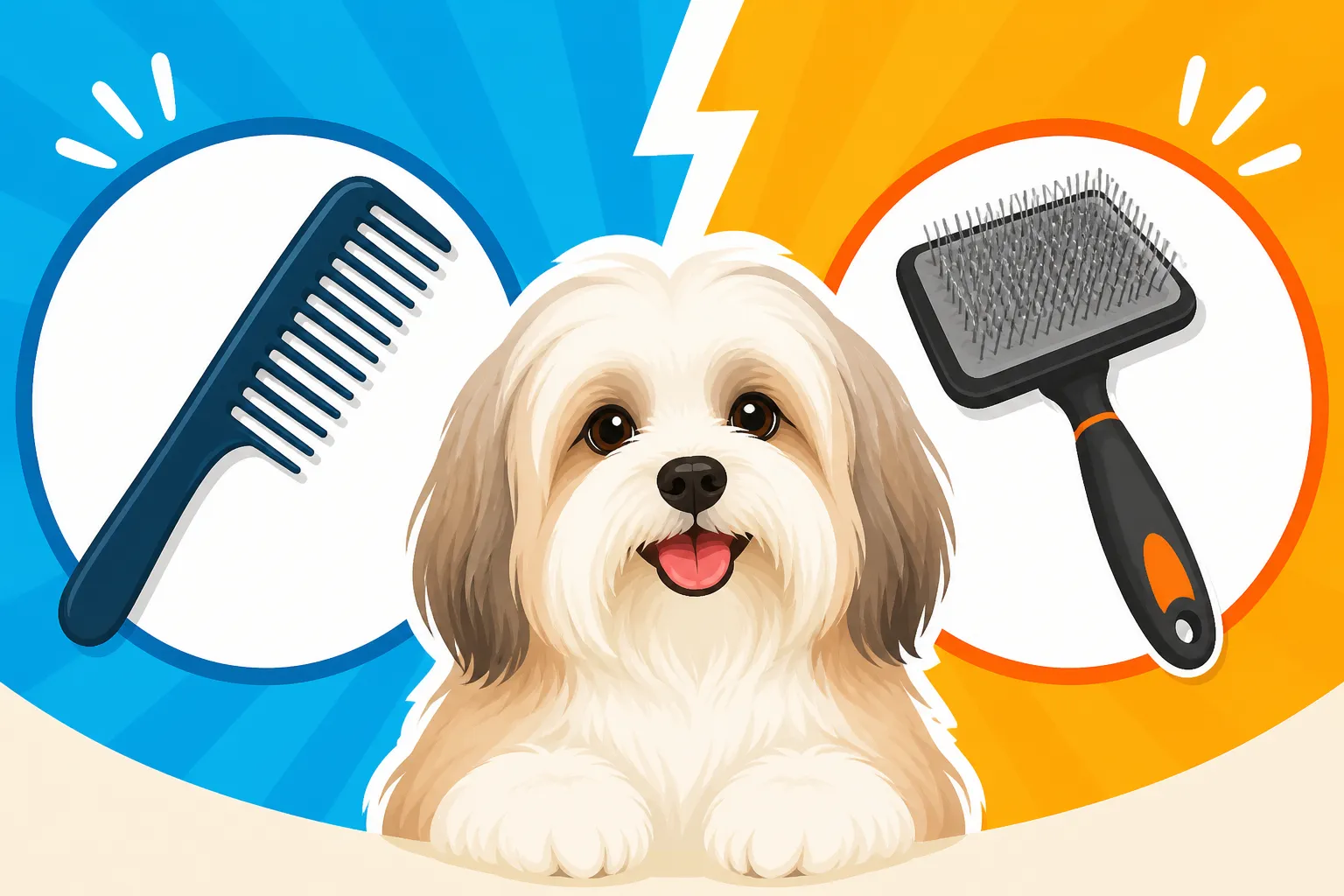
Whether a Comb Beats a Slicker on a Havanese
The beautiful, flowing coat of a Havanese is one of their most charming features, but let's be honest, it's also a source of endless confusion and occasional frustration for many owners. You stand there, looking at your fluffy companion, armed with an array of brushes and combs, wondering which one is actually doing the most good, and if you're even using them correctly. This guide is here to untangle that very dilemma, helping you understand the crucial roles of both slicker brushes and grooming combs in maintaining your Havanese's magnificent mane.
Understanding the Havanese Coat and Its Unique Needs
Before we dive into the tools, it's essential to truly grasp what makes the Havanese coat so special – and so prone to tangles. This isn't just any dog fur; it's a finely tuned, natural masterpiece that requires specific care.
The Double Coat and Matting Tendencies
Your Havanese sports a luxurious double coat, meaning it has two distinct layers. There's the longer, silky outer coat, which gives them that characteristic flowing appearance, and a softer, downy undercoat closer to the skin. Unlike many double-coated breeds, the Havanese's undercoat isn't dense and woolly, which is why they're often touted as "hypoallergenic" or low-shedding (though no dog is truly 100% hypoallergenic, of course). However, this specific texture means that loose undercoat hairs often get caught within the longer outer coat instead of falling out.
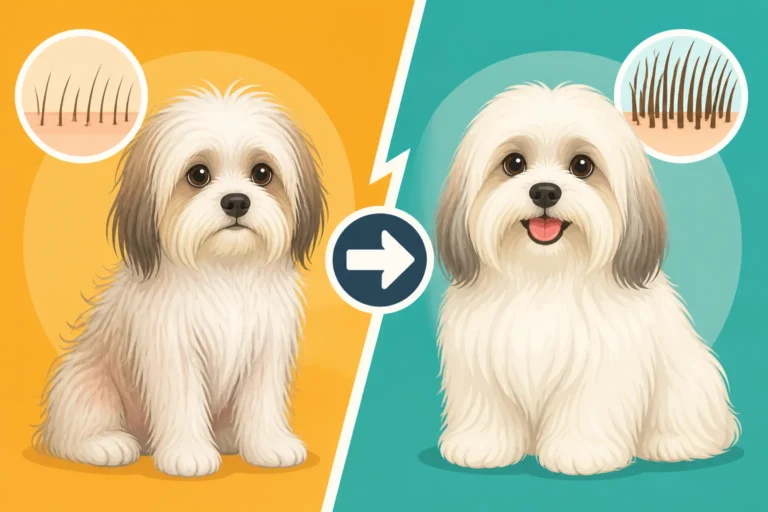
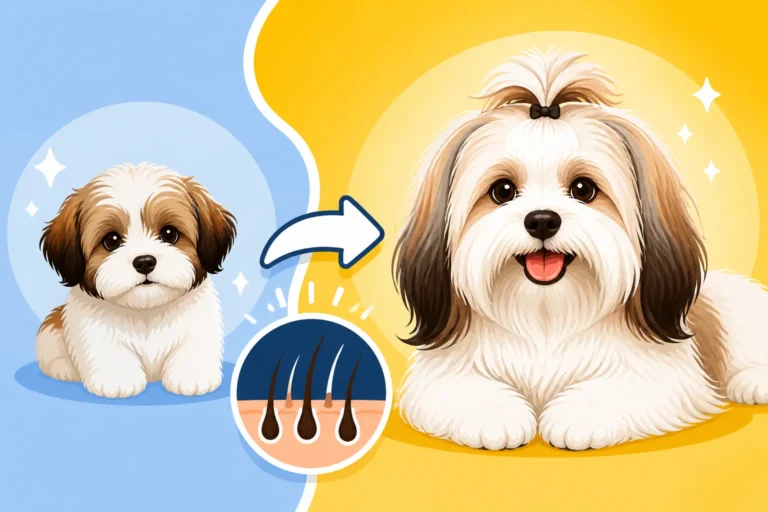
This delightful combination of silky and soft is also a perfect storm for matting. When these loose hairs intertwine with the healthy hairs, especially when exposed to moisture, friction, or static, they quickly form knots and mats. Think about a fine silk scarf mixed with a fluffy angora sweater – that's essentially what's happening on your Havanese. These mats can start small, as tiny tangles behind the ears or in the armpits, but if left unchecked, they can quickly grow into dense, painful pelts that pull at the skin and restrict movement. It's especially noticeable around the time Why a Havanese Mats at Eight Months and Not Before when their puppy coat gives way to the adult coat, often between 8 and 14 months of age.
Why Regular Grooming Isn't Optional
For a Havanese, grooming isn't just about looking pretty; it's a fundamental part of their health and well-being. Skipping even a day or two can transform a minor tangle into a significant mat, leading to discomfort, skin irritation, and even infections underneath the compacted fur. Imagine having a knot in your hair that pulls every time you move – now imagine that all over your body. It's a truly miserable experience for a dog.
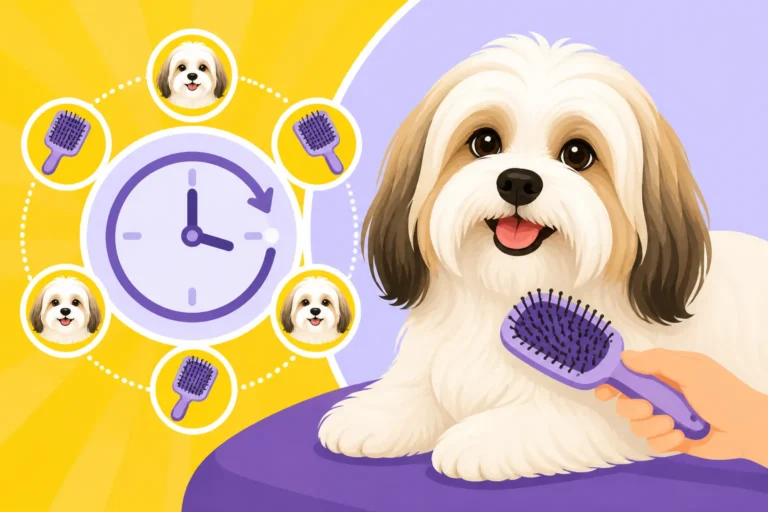
Regular grooming sessions allow you to proactively remove loose hair and minor tangles before they escalate. It's also an opportunity to check your dog's skin for any abnormalities, bumps, or parasites. Beyond the physical benefits, it strengthens the bond between you and your Havanese. While some dogs might grumble at first, most learn to enjoy these dedicated moments of attention, especially if you make it a positive, gentle routine from puppyhood. How Often a Havanese Must Be Brushed is a question many new owners grapple with, and the answer is almost always "more often than you think."
The Slicker Brush: Your First Line of Defense
When it comes to tackling that beautiful Havanese coat, the slicker brush is undeniably a superstar. It's often the first tool professional groomers reach for, and for good reason.
What a Slicker Brush Does
A slicker brush is characterized by its rectangular head covered in many fine, tightly packed wire pins that are bent at an angle. These pins are designed to grab and separate individual hairs, reaching deep into the coat without scratching the skin if used correctly. Its primary job is to:
- Detangle Surface Knots: It's excellent at working through the outer layers of the coat, breaking up minor tangles and separating hairs that might be just starting to clump together.
- Remove Loose Undercoat and Dead Hair: Those fine pins efficiently lift out shed undercoat, preventing it from binding with the outer coat and forming mats. This is crucial for reducing matting and keeping the coat healthy.
- Fluff and Smooth: After detangling, a slicker brush can help to fluff the coat, making it look fuller and smoother.
When you're trying to figure out Which Brush Suits a Havanese, a good quality slicker brush is usually at the top of the list for daily maintenance. Brands like Chris Christensen offer excellent quality slicker brushes with varying pin densities and flexibilities, but you can find solid options on platforms like Chewy or Amazon as well.
How to Use a Slicker Brush Effectively
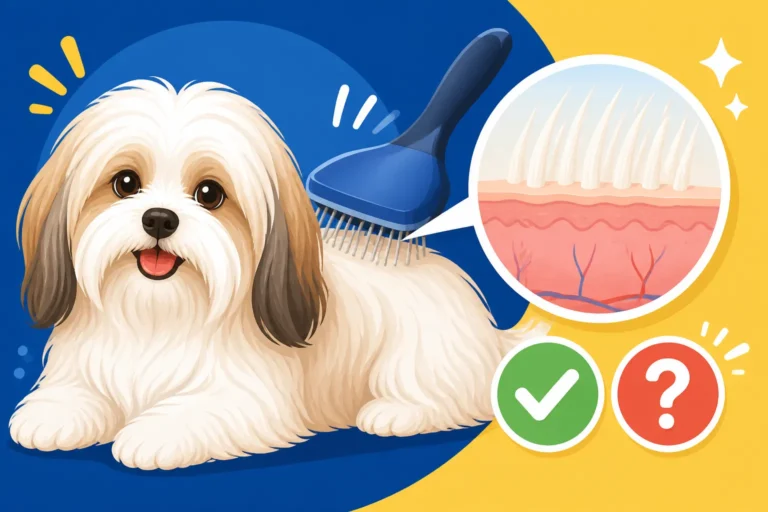
Simply running a slicker brush over the top of your Havanese's coat isn't enough. To be truly effective, you need to employ a technique called "line brushing." This isn't just a fancy term; it's the secret to getting down to the skin and ensuring a tangle-free coat.
Here’s a step-by-step guide:
- Section the Coat: Start by dividing your Havanese's coat into manageable sections. You can use grooming clips or even just your hand to hold up the top layers of hair. Begin at the bottom (e.g., a hind leg or the belly) and work your way up.
- Brush in Layers: Take a small section of hair and hold the rest up. Gently brush down to the skin with your slicker brush, using light, long strokes. The key is to see the skin as you brush.
- Work in Lines: Once you've brushed a small "line" of hair, part another section just above it, and repeat. You're essentially working your way across and up your dog's body, ensuring every inch of skin and hair has been addressed. This is why Whether Line Brushing Reaches a Havanese's Skin is so important—it's the only way to effectively groom their coat.
- Be Gentle: Never yank or pull. If you encounter a knot, don't force the brush through it. Instead, gently pick at the edges of the mat with the corner of your slicker brush or use your fingers to try and tease it apart. A detangling spray can be a real lifesaver here; apply a little bit and let it sit for a moment to help loosen the knot. Whether Detangling Spray Helps a Havanese is a resounding yes!
- Focus on Problem Areas: Pay extra attention to areas prone to matting, such as behind the ears, in the armpits, on the belly, and where the legs meet the body. Where a Havanese Mats First is often these high-friction zones.
When the Slicker Brush Shines (and When It Falls Short)
Slicker Brush Strengths:
- Initial Detangling: It's fantastic for breaking up surface tangles and separating hairs.
- Undercoat Removal: Very efficient at pulling out dead and loose undercoat, which is vital for preventing mats.
- Fluffing: Leaves the coat looking beautifully fluffed and airy.
- Everyday Use: Ideal for daily or every-other-day maintenance to keep mats from forming.
Slicker Brush Limitations:
- Deep Mats: It can struggle with tight, dense mats that have formed deep within the coat. Forcing a slicker through these can be painful for your dog and damage the coat.
- Not a "Finishing" Tool: While it detangles and fluffs, it doesn't always confirm that the coat is truly tangle-free down to the skin. This is where our next tool comes in.
The Grooming Comb: The Essential Follow-Up Tool
If the slicker brush is your primary attacker against tangles, the grooming comb is your meticulous quality control inspector. It ensures no mat escapes your watchful eye.
The Comb's Crucial Role in Grooming
A good quality metal grooming comb, often called a "greyhound comb" because of its popular use with sighthounds but universally useful, is absolutely indispensable for a Havanese. These combs typically have two sections of teeth: one side with wider spacing and one with finer spacing.
The comb's crucial role is to confirm that the slicker brush has done its job. While a slicker brush can make the coat look smooth, a comb will catch any hidden tangles or mats that the slicker might have glided over. It works by:
- Verifying Tangle-Free Status: Running the comb through the coat from root to tip will immediately snag on any remaining knots. If the comb glides smoothly, you know that section is genuinely tangle-free.
- Reaching the Skin: The rigid teeth of a comb are excellent for ensuring you've actually worked through all the layers of the double coat, right down to the skin. This is particularly important for preventing mats from forming at the base of the hair shaft.
- Detail Work: The finer-toothed end is perfect for delicate areas like the face, behind the ears, and around the paws. Whether a Havanese's Ear Hair Should Be Plucked or merely combed and trimmed is a common grooming question, but a comb helps manage hair in those areas regardless.
How to "Comb Through" a Havanese Coat Properly
Using the comb is the final step in your grooming process for each section of the coat.
- After Slicker Brushing: Once you've thoroughly slicker-brushed a section of your Havanese using the line brushing technique, pick up your comb.
- Start with Wide Teeth: Begin with the wider-spaced teeth of your comb. Insert it gently into the coat, again, down to the skin.
- Comb Through: Slowly draw the comb through the hair, from root to tip. If the comb meets resistance, you've found a tangle.
- Address Tangles: When you find a tangle, put the comb down. Go back to your slicker brush, or even your fingers, and gently work the tangle out. Never pull the comb through a mat – this is painful for your dog and can cause hair breakage. Once the tangle feels loose, try combing through it again.
- Switch to Fine Teeth: After the wide-toothed side glides smoothly through, repeat the process with the finer-toothed side of the comb. This will catch any smaller, overlooked knots.
- Focus on "Hot Spots": Pay particular attention to sensitive areas where mats love to hide, such as Whether a Havanese Mats Behind the Ears, in the armpits, and around the sanitary areas. The hair on their face and beard also needs careful combing. Whether Hair Should Be Kept Out of a Havanese's Eyes is crucial for both comfort and health, and a small face comb can help here.
The Partnership: Slicker First, Comb Second
The question isn't really "Whether a Comb Beats a Slicker on a Havanese," but rather how these two indispensable tools work together. They are not interchangeable; they are partners in crime against mats.
Think of it this way:
- Slicker Brush: Does the heavy lifting, removing the bulk of loose hair and breaking up larger, less dense tangles. It's like the initial sweep and vacuum of a room.
- Grooming Comb: Provides the precision. It's the mop and dust cloth, ensuring every nook and cranny is truly clean and free of debris.
You should always use your slicker brush first to detangle and remove loose hair, then follow up with a comb to verify that the coat is truly free of knots. This sequence ensures maximum efficiency and comfort for your Havanese. Without the comb, you might mistakenly believe your dog is tangle-free, only for hidden mats to tighten and become a real problem later.
Here's a quick comparison of their main functions:
| Feature | Slicker Brush | Grooming Comb |
|---|---|---|
| Primary Role | Detangling, removing loose undercoat, fluffing | Verifying tangle-free coat, reaching skin, detail |
| Type of Tangle | Surface tangles, loose hair | Hidden mats, knots at the skin, fine tangles |
| Usage Sequence | First | Second (after slicker) |
| Feel | Soft, flexible pins, gentle for broad areas | Rigid teeth, precise, good for "checking" |
| Comfort | Generally well-tolerated when used gently | Can snag if mats are present, requires care |
Common Grooming Mistakes and How to Avoid Them
Even with the right tools, it's easy to fall into common traps when grooming a Havanese. Being aware of these can save you time, frustration, and your dog discomfort.
Rushing and Skipping Steps
We all lead busy lives, and sometimes it's tempting to give your Havanese a quick once-over with the brush and call it a day. However, rushing through the grooming process, or skipping the crucial combing step, is a recipe for disaster with a Havanese coat. Those hidden tangles will quickly tighten, especially in areas like the armpits or behind the ears, which are notoriously difficult to reach.
Remember the mantra: slicker first, comb second, working in small sections. If you don't have time for a full groom, focus on the most problematic areas – the armpits, behind the ears, the groin, and the tail. It's better to do a thorough job on a smaller section than a superficial job all over. Set aside dedicated time each day or every other day. Even 10-15 minutes of focused grooming is more effective than an hour-long battle once a week.
Using the Wrong Tools or Technique
Using only one tool, or using either tool incorrectly, can do more harm than good. A slicker brush, if used too aggressively, can cause brush burn on the skin. If it's too soft, it won't be effective at reaching the undercoat. Similarly, a flimsy plastic comb won't be able to penetrate the thick Havanese coat effectively and its teeth might break or bend.
Invest in quality tools. For slicker brushes, consider brands known for their sturdy pins and comfortable handles. For combs, a solid metal greyhound comb with both wide and fine teeth is invaluable. You can find these on platforms like Chewy or Amazon, or at specialty pet stores. Learning the proper line brushing technique, as described earlier, is fundamental. Don't "top brush" – always work down to the skin. And always, always be gentle. If you pull, your Havanese will quickly learn to dread grooming time, making your job much harder. Whether Dematting Hurts a Havanese is a clear indicator that improper technique can cause significant pain, so prevention is always best.
Overlooking Problem Areas
Certain spots on a Havanese are simply more prone to matting because of friction, moisture, or the way the hair grows. Neglecting these areas will inevitably lead to painful mats.
These "hot spots" include:
- Behind the Ears: Constant rubbing and the fine, soft hair here make it a prime matting zone.
- Armpits: Friction from movement and sleeping often causes mats here.
- Groin/Inner Thighs: Another high-friction area.
- Tail: The beautiful plume of a Havanese tail can mat easily.
- Beard and Muzzle: Food and water can cause this area to clump.
- Paws: Hair between the paw pads can also mat and trap debris.
When you're grooming, intentionally spend extra time on these areas. Use the finer end of your comb around the face and ears. Lift legs to get into armpits. Section the tail hair thoroughly. By giving these areas dedicated attention, you can prevent many of the most common and painful mats that Havanese owners encounter.
In conclusion, it's not a competition. A comb doesn't "beat" a slicker brush, and a slicker brush doesn't "beat" a comb. They are two distinct, equally vital tools in your Havanese grooming arsenal. Embrace both, learn their proper use, and you'll be well on your way to maintaining a happy, healthy, and beautifully coiffed Havanese for years to come.
Disclaimer
This article is for general informational purposes only and does not constitute professional advice. Laws, prices and regulations vary by location and change over time. Consult a qualified professional for guidance on your specific situation.