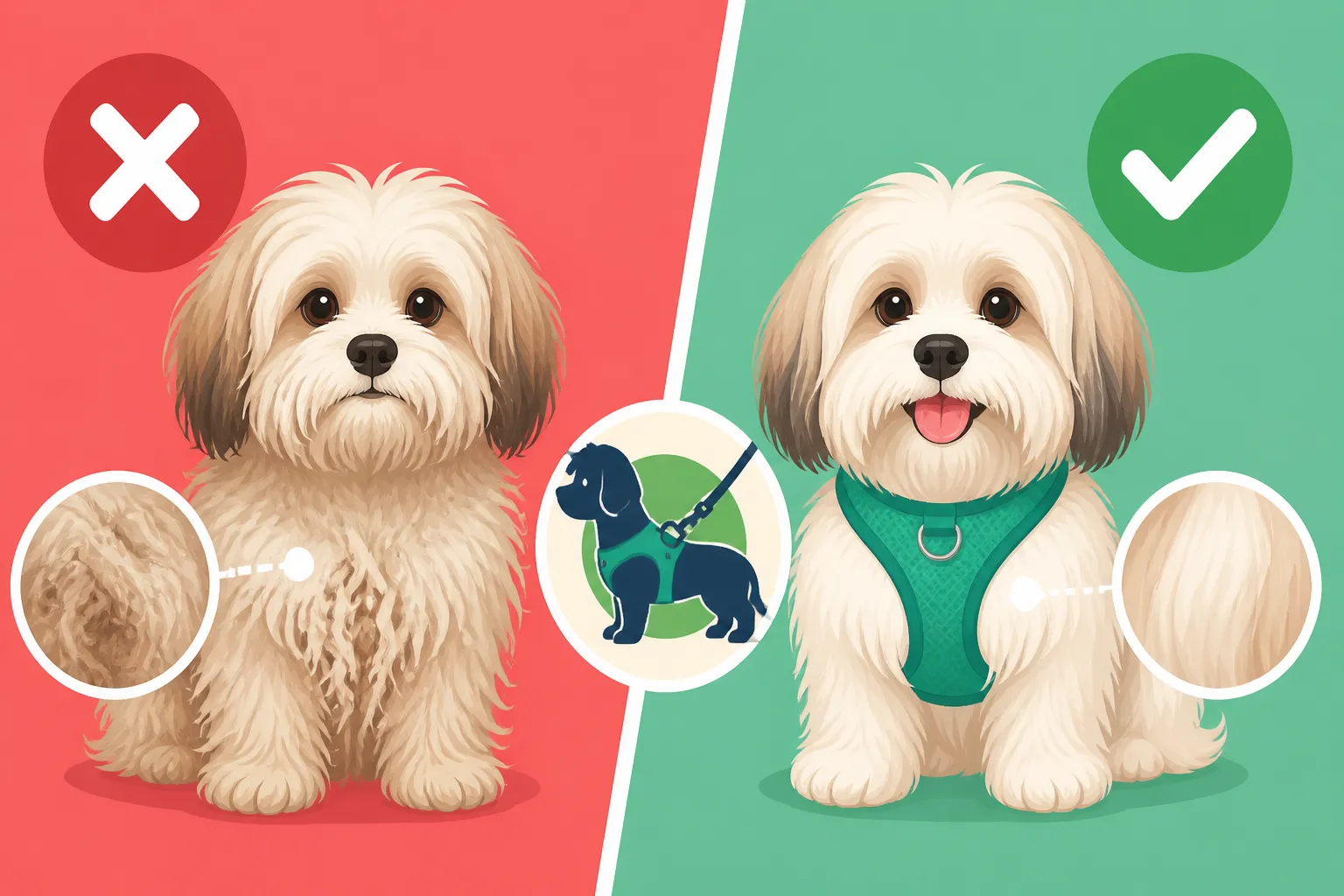
Whether a Harness Mats a Havanese
It's a question I hear so often from fellow Havanese parents: "Will a harness ruin my dog's beautiful coat?" You've invested time, love, and probably a fair bit of money into keeping that silky Havanese hair looking its best, so the thought of a harness rubbing and creating dreaded mats is a legitimate concern. This guide is here to walk you through exactly how harnesses can affect your Havanese's coat and, more importantly, how you can prevent matting while still safely walking your beloved companion.
The Delicate Nature of the Havanese Coat
If you're new to the Havanese world, you might not fully appreciate just how unique and demanding their coats can be. They're undeniably gorgeous, but that beauty comes with a commitment to care. Understanding the mechanics of their hair is the first step in protecting it from potential damage, like the kind a harness can cause.
Why Havanese Hair Is Prone to Matting
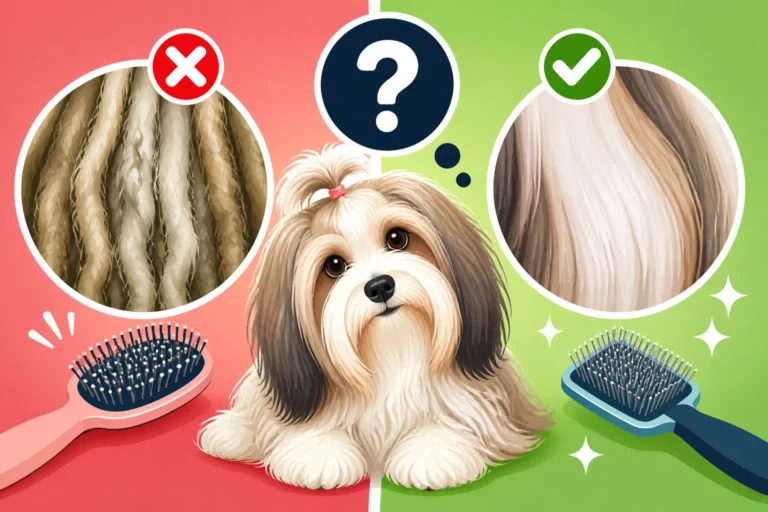
The Havanese is renowned for its stunning, long, silky double coat. Unlike many other breeds with coarse or wiry hair, the Havanese possesses a texture that's incredibly fine and soft, almost like human hair. This fineness, combined with the presence of both an outer coat and a softer undercoat, makes it particularly susceptible to tangles and mats. Think of it like a very fine silk thread versus a sturdy rope; the silk is beautiful but prone to knotting. When these fine hairs rub together, especially when damp or under pressure, they intertwine and lock into tight, dense clumps that can be incredibly difficult and painful to brush out. It’s a bit of a paradox: the very quality that makes their coats so appealing is also what makes them so high-maintenance. For more on this, check out The Silky Double Coat a Havanese Grows to the Floor.
The structure of their coat means that shed hairs don't fall out easily; instead, they get caught within the surrounding live hair. If these trapped hairs aren't brushed out regularly, they become the foundation for mats. It's a continuous cycle, and any external factor that encourages friction or compression against the coat will inevitably accelerate this matting process. This is why things like collars, sweaters, and yes, harnesses, can become culprits in the battle against mats. It's not just about the length of the coat, but its inherent fine texture that makes it so challenging to maintain without proper, diligent care.
Common Matting Hotspots
You've probably noticed that certain areas on your Havanese seem to attract mats like magnets. These "hotspots" are typically areas of high friction or moisture, or places where the hair naturally bunches or moves a lot. Underneath the ears, where saliva can accumulate and the head moves, is a classic spot. The armpits are another notorious zone, as the legs constantly rub against the body, and it's an area that gets warm and potentially damp from sweat. Even the belly and groin areas can mat quickly due to contact with surfaces and bodily fluids. These areas require extra attention during your daily grooming routine.
When it comes to harnesses, specific areas are particularly vulnerable. The straps of a harness will inevitably lie across your dog's chest, shoulders, and ribs. Wherever the harness makes contact, especially if it's snug or rubs with every movement, you create a perfect storm for matting. This friction causes the delicate Havanese hair to tangle rapidly. The chest and behind the front legs are prime targets. If the harness isn't removed promptly after a walk, or if your dog wears it for extended periods, these friction points become incredibly stubborn mat zones. For a broader look at where mats tend to form, consider reading Where a Havanese Mats First. Understanding these vulnerable spots is crucial for preventative grooming.
How Harnesses Contribute to Matting
Now that we appreciate the Havanese coat's delicate nature, let's zero in on precisely how a harness, as wonderful as it is for safety and control, can become an enemy of that magnificent mane. It's not just about the harness itself, but the interaction it has with the hair and your dog's natural movements.
Friction and Pressure Points
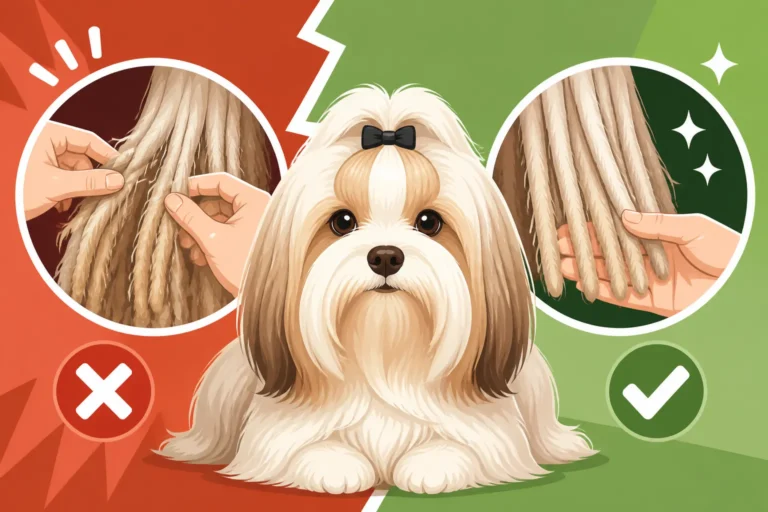
The primary culprit behind harness-induced matting is friction. Every time your Havanese walks, runs, or even just shifts their weight while wearing a harness, the material of the harness rubs against their coat. This constant back-and-forth movement, even if subtle, causes the fine individual hairs to intertwine. It's similar to how static electricity can make your hair tangle, but here, it's mechanical friction doing the work. The pressure from the harness straps further compresses the hair, making it even easier for these nascent tangles to tighten into full-blown mats. Imagine trying to untangle a ball of yarn that's been squeezed tightly – it’s much harder than if the yarn were loose.
The areas most affected are those where the harness straps are tightest or move the most against the body. This usually includes the chest, the armpits, and along the sides of the rib cage. These are precisely the areas where Havanese hair is often at its longest and densest, creating a perfect storm for mat formation. If your Havanese is an enthusiastic puller, the friction is even greater. Even a perfectly fitted harness will cause some degree of friction, but an ill-fitting one that shifts and slides around will dramatically increase the likelihood of mats forming.
Moisture Trapping
Another significant factor in harness-induced matting is moisture. Havanese coats are like sponges; they absorb water readily. If your Havanese wears a harness while out in damp weather, such as rain or morning dew, or if they sweat underneath the harness during warmer months or strenuous play, that moisture gets trapped against the skin by the harness material. This damp environment, combined with the friction we just discussed, creates an ideal breeding ground for mats. Wet hair tangles far more easily than dry hair, and once it starts to knot up while wet, it dries into a tight, almost felted mat that is incredibly challenging to remove.
It's not just external moisture either. Sometimes, even playing energetically can cause enough warmth and perspiration underneath the harness to create a damp zone. This is why it's so important to remove the harness as soon as you get home and allow the coat to dry completely, ideally with a quick brush-through. Leaving a damp harness on your Havanese for an extended period, even just for a few hours, can be enough to set in motion the formation of stubborn mats. For insights into how wetness affects the coat, you might find Whether Rain Mats a Havanese particularly useful. Always ensure your Havanese is completely dry before brushing or reapplying a harness.
Improper Fit and Material
Beyond friction and moisture, the fit and material of the harness itself play a huge role in preventing or promoting matting. An ill-fitting harness, whether too loose or too tight, is a disaster for a Havanese coat. If it's too loose, it slides around excessively, increasing friction points. If it's too tight, it constantly presses the hair, leading to compression mats that are difficult to detect until they're already severe. You should be able to comfortably slide two fingers under any strap of the harness.
The material of the harness is equally important. Rough or coarse materials, like thick nylon webbing, can be very abrasive on fine Havanese hair. Smooth, soft materials, or those with special linings, are much gentler. Hardware like buckles and D-rings can also snag hair if not designed well. Similarly, harnesses with many straps or intricate designs increase the surface area for potential matting. Opting for designs that minimize contact points or use wider, softer straps can make a world of difference.
Strategies to Minimize Harness-Induced Matting
The good news is that you don't have to choose between keeping your Havanese safe on walks and maintaining their gorgeous coat. With a few intentional strategies, you can significantly reduce the risk of matting caused by harnesses. It's all about thoughtful choices and consistent grooming.
Choosing the Right Harness Type and Material
This is perhaps the most critical step in preventing harness mats. Not all harnesses are created equal, especially for a breed with such a delicate coat. Look for harnesses designed with soft, smooth materials that glide over the hair rather than catching or rubbing it. Fleece-lined harnesses or those with wide, smooth fabric straps can be excellent choices. Some harnesses feature a "vest" style that distributes pressure over a larger, softer area, which can be less abrasive than thin straps. When shopping online, a quick search on sites like Chewy or Amazon will show you a huge range of options, and you can filter by material and design. Read reviews from other long-haired dog owners to see what worked for them.
Consider the design: "H-style" harnesses, which have a strap around the neck and another around the chest connected by a piece along the back, can sometimes cause less friction in the armpit area than Y-front styles. Step-in harnesses might also be a good option if they have minimal contact points on the delicate chest hair. Avoid harnesses with excessive stitching, rough edges, or tiny straps that can easily cut into the coat. The goal is to minimize friction, so any design that reduces direct rubbing on the fine hairs is a step in the right direction.
| Harness Type | Pros for Havanese Coats | Cons for Havanese Coats | Matting Potential |
|---|---|---|---|
| H-Style | Can sit away from armpits; good adjustability | Straps can rub chest/sides if not wide & smooth | Medium |
| Vest-Style | Wide fabric distributes pressure; often soft | More surface area for moisture retention; bulkier | Low to Medium |
| Step-In | Minimal neck contact; easy to put on | Can still rub behind front legs if not fitted well | Medium |
| Fleece-Lined | Very soft, reduces friction significantly | Can be thicker, trap more heat; harder to dry | Low |
| Standard Nylon | Durable, widely available | Can be abrasive on fine hair; stiff | High |
Ensuring a Proper Fit
Even the best harness material won't prevent matting if the fit is incorrect. A harness that's too loose will slide and chafe, creating friction and tangles. One that's too tight will press the hair firmly against the body, leading to compressed mats that are difficult to detect until they've become severe. The "two-finger rule" is your best friend here: you should be able to comfortably slide two fingers under every strap of the harness, without it feeling tight or loose. This ensures enough room for the coat, while also keeping the harness secure.
Pay particular attention to the area behind the front legs. This is a common point for rubbing and matting. The harness should sit a few inches behind the armpits, not directly in them. When trying on a new harness, watch your Havanese walk and move around. Does it pinch? Does it seem to restrict their natural gait? Does it bunch up their beautiful coat? A well-fitting harness should allow for full, unrestricted movement and lie smoothly against the body without causing any pulling or distortion of the fur. Remember, a Havanese's proportions can be a bit unique, so taking careful measurements before purchasing is always a good idea.
Grooming Practices for Harness Wearers
Consistent and diligent grooming is your ultimate defense against harness-induced matting. It starts before the harness even goes on. Always ensure your Havanese's coat is thoroughly brushed and tangle-free before putting on a harness. Any existing knots, no matter how small, will be magnified and tightened by the harness's friction. A good line brushing technique, ensuring you reach all the way down to the skin, is essential. For more detailed insights into daily brushing, consider reading How Long Brushing a Havanese Takes Daily.
After every walk, especially if the harness was worn for a longer period or if the coat got damp, remove the harness immediately. Don't let your Havanese lounge around in it. Give the areas that were covered by the harness a quick, gentle brush-through. If you notice any small tangles forming, address them right away with a detangling spray and a comb. Products like detangling sprays, often available from pet supply stores or online through retailers like Amazon or Chewy, can be invaluable for making this process easier and less stressful for your dog. For more on this, check out Whether Detangling Spray Helps a Havanese. It also helps if the harness area is cleaned regularly and hair is kept trimmed to avoid excessive length that could catch easily.
When to Use a Harness and When to Opt for a Collar
Given the potential for matting, you might wonder if harnesses are even worth the trouble for a Havanese. The truth is, they absolutely are, but it's important to understand their best use cases and when a collar might suffice, considering your dog's safety and comfort.
Benefits and Drawbacks of Harnesses for Havanese
Harnesses offer significant safety benefits for small breeds like the Havanese. Their delicate necks and tracheas are particularly vulnerable to injury from pulling on a collar. A harness distributes pressure across the chest and shoulders, preventing strain on the neck. This is especially crucial for puppies still learning leash manners, or for Havanese that might have a tendency to pull or dart suddenly. In terms of control, harnesses can also provide better leverage, which is helpful in busy environments or for dogs that are easily distracted. If your Havanese tends to slip out of a collar, a well-fitting harness offers greater security. For a deeper dive into why harnesses are often recommended, see Whether a Havanese Should Wear a Harness.
However, the main drawback, as we've explored, is the potential for matting. The more time spent in a harness, the higher the risk. Some Havanese also find harnesses slightly restrictive or less comfortable than a simple collar, especially if they are not used to them from a young age. Finding a balance between safety, comfort, and coat integrity is key. It's important to consider your dog's individual needs, activity level, and coat length when making your decision.
Situational Harness Use
Given the grooming challenges, it makes sense to be strategic about when you use a harness for your Havanese. For longer walks, outings in public places where a secure grip is essential, or for car travel (where harnesses can often be used with seatbelt attachments for safety), a properly fitted harness is almost always the best and safest choice. This is especially true for young puppies who are still learning to walk on a leash and might pull or lunge, protecting their delicate throats.
For very short, quick potty breaks right outside your door, especially if your Havanese doesn't pull, a flat collar might be acceptable. However, always assess the situation. Is there a risk of them pulling free or getting into a dangerous situation? If so, opt for the harness. It's a judgment call based on your dog's behavior, the environment, and the duration of the outing. The key is not to leave the harness on for extended periods when not actively walking. Remove it as soon as you get home, brush the affected areas, and allow the coat to breathe and recover. For overall daily care, remember to consider What a Havanese Needs Every Day as grooming is a big part of it.
Disclaimer
This article is for general informational purposes only and does not constitute professional advice. Laws, prices and regulations vary by location and change over time. Consult a qualified professional for guidance on your specific situation.