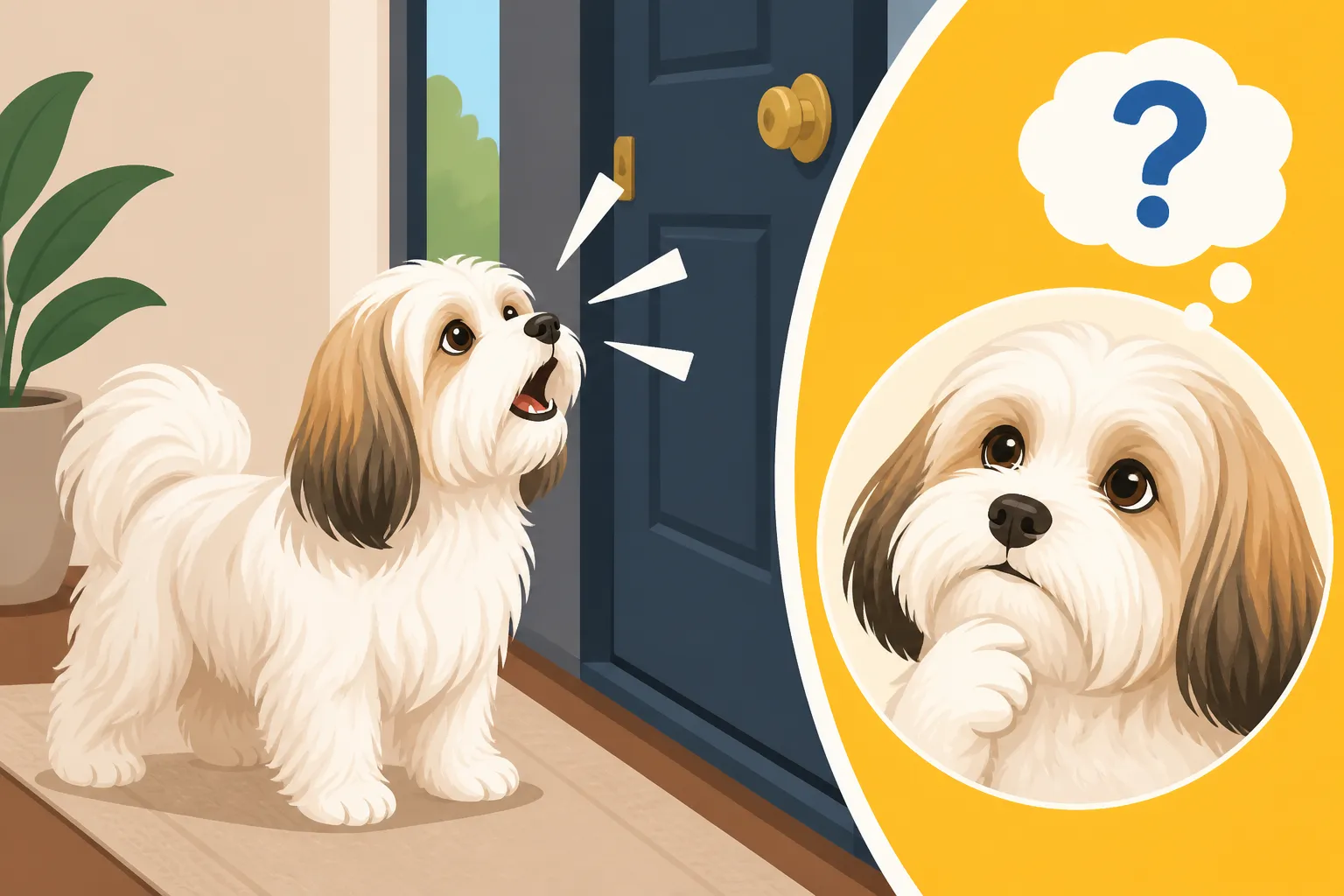
Whether a Havanese Barks at the Door
Oh, the doorbell! It rings, and suddenly your sweet, fluffy Havanese transforms into a tiny, vocal alarm system, leaving you flustered and your guests feeling a little ambushed. Many Havanese owners face the challenge of their beloved companion barking enthusiastically, or sometimes quite frantically, every time someone approaches the front door or a package is delivered. This comprehensive guide will walk you through why your Havanese barks at the door, how to understand their vocalizations, and effective strategies to manage this common behavior so you can enjoy a more peaceful home.
Why Your Havanese Becomes a Doorway Dynamo
It's easy to get frustrated when your Havanese goes from calm companion to canine siren the moment someone knocks. But understanding the root causes behind this behavior is the first step toward managing it. Havanese are intelligent, social dogs with a history of being alert household companions, so their propensity to bark at the door isn't just random; it's often deeply ingrained in their nature and experiences.
The Instinct to Alert and Protect
Let's face it, Havanese might be small in stature, but they often have the heart of a lion, especially when it comes to their family and territory. Historically, many small breeds served as alarm systems, warning their larger human counterparts of approaching strangers. Your Havanese isn't necessarily thinking, "I need to protect my family from that delivery driver," but rather, "Something is happening outside my space, and my humans need to know about it!" This innate desire to alert you is a strong motivator for door barking. They see themselves as an integral part of the household, and making noise is their way of contributing to the family's safety and awareness.
This alert barking can also be a learned behavior that's been inadvertently reinforced. Think about it: when your Havanese barks at the door, what's your immediate reaction? You probably go to the door, check who's there, and maybe even thank them or tell them to quiet down. From your dog's perspective, their barking worked! They alerted you to the "intruder," and you responded by investigating. Each time this happens, the barking behavior is strengthened because it achieves a desired outcome – your attention and action. It becomes a very effective communication tool for them, even if it's not always convenient for you.
Excitement and Anticipation of Visitors
Beyond the alarm bell instinct, many Havanese simply get incredibly excited by the prospect of visitors. They are highly social dogs who thrive on interaction and attention. For them, a knock or a doorbell ring isn't a threat; it's a signal that something interesting is about to happen! They might associate the door with beloved friends, family members, or even the mail carrier who sometimes drops a treat. This excitement builds quickly, manifesting as enthusiastic, high-pitched barking, often accompanied by jumping, tail wags, and a desperate desire to get to the door.
This excitement can become overwhelming for them, leading to a state of over-arousal that makes it difficult for them to calm down. The sudden surge of adrenaline and anticipation can make them forget all their manners and training in that moment. It's not malicious; it's just pure, unadulterated Havanese joy and enthusiasm spilling over. It can be particularly challenging if your Havanese doesn't get many visitors, making each arrival an extra special, high-stakes event in their eyes. You might find that the excitement builds even before the person is fully in view, often triggered by subtle sounds or movements that you might not even register.
Attention-Seeking and Demand Barking
Sometimes, the barking isn't just about alerting or excitement; it's about getting your attention. Havanese are masters of charming their humans, and they quickly learn what behaviors elicit a response. If barking at the door consistently results in you rushing over, talking to them, or even physically picking them up, they've learned that barking is a surefire way to get you to engage with them. This is often called "demand barking" because they are essentially demanding your attention or a desired outcome.
This type of barking can be particularly tricky because it's so effective from your Havanese's perspective. They want you to move, to react, to interact – and barking at the door does exactly that. It's not necessarily about the person at the door; it's about the reaction they get from you. This can even extend to barking if they hear any noise outside, testing the waters to see if you'll come investigate or acknowledge them. They might even escalate their barking if your initial response isn't strong enough for their liking. It's a classic case of positive reinforcement, even if the reinforcement for you is an exasperated sigh.
Understanding the Nuances of Havanese Door Barking
Just like humans have different tones of voice for different emotions, your Havanese has a repertoire of barks. Learning to distinguish between them can give you valuable insight into what your dog is trying to communicate, helping you tailor your training approach more effectively. Is it a genuine alert, a joyous greeting, or simply a plea for your attention?
The "Who's There?!" Alert Bark
This is often the most common type of door bark and usually signals that your Havanese has detected something new or unusual. It might be a deeper, more insistent bark, often repetitive, and usually accompanied by a stiff posture, ears perked, and a focused gaze towards the door or window. They might run back and forth from you to the door, looking for your response, or stand firm, bracing themselves for what's to come. This bark is their way of saying, "Hey, human! Something's out there! Are you seeing this? We need to investigate!"
This alert bark can escalate quickly if the stimulus persists or if they perceive no immediate action from you. It’s their way of fulfilling their natural watchdog instinct, even if the "threat" is just the postal worker. You might notice their hackles raise slightly, or their tail might be held lower and wagging in short, stiff bursts, indicating a state of heightened alert rather than pure joy. When you observe this, it's an opportunity to acknowledge their alert without necessarily reinforcing the frantic barking. For example, a calm "Thank you, I see them" can sometimes diffuse the intensity.
The "Yay, Visitors!" Excitement Bark
This bark is usually a higher-pitched, more enthusiastic series of barks, often interspersed with whines, yips, and happy bounces. Your Havanese might be wiggling their entire body, doing little excited dance moves, and trying desperately to launch themselves towards the door. This isn't a bark of warning; it's a bark of pure, unadulterated joy and anticipation. They are saying, "Friends! Fun! Attention! Let me get to them!"
This type of barking can be endearing in small doses, but it can quickly become overwhelming for both you and your guests. The dog might also be attempting to communicate with the person outside through the door, letting them know they are ready and waiting. It's often accompanied by a tail wag that is loose and sweeping, indicating happiness rather than tension. The key here is to teach your Havanese that calm greetings lead to positive interactions, rather than allowing them to practice jumping and barking. You want to redirect this energy into a more acceptable behavior, like sitting politely.
The "Pay Attention to Me" Demand Bark
This bark is typically characterized by its persistence and its direct appeal for your engagement. It might not be as frantic as the alert bark or as joyous as the excitement bark, but it's often more insistent and repetitive. Your Havanese might look directly at you, bark, then look at the door, bark again, almost like they're trying to prompt you into action. This is less about the stimulus at the door and more about manipulating your behavior. They've learned that making noise when something happens at the door gets them what they want – your attention.
This can be a truly exasperating bark because it feels like your Havanese is being deliberately naughty. They might even bark, pause, and then bark again if your initial ignored response isn't cutting it. It's their way of saying, "Hello? Are you seeing this? I'm barking here! Do something!" The key to addressing this is to break the association between their barking and your immediate attention. It requires a lot of patience and consistency to ensure that barking never earns them the desired response, only calm behavior does. You might find resources on platforms like Amazon for specific training clickers or quiet treat pouches that help reinforce good behavior without making a fuss.
Strategies to Manage Door-Related Barking
Tackling door barking requires a multi-faceted approach, combining environmental management with consistent training. The goal isn't to silence your Havanese completely, as a little alert barking is natural, but to bring their reactions down to a manageable and polite level.
Desensitization and Counter-Conditioning
This approach helps your Havanese change their emotional response to the doorbell or knock. Instead of reacting with frantic barking, you want them to associate the sound with something positive and calm.
Start by having someone quietly knock on the door or ring the doorbell while you and your Havanese are a safe distance away. The moment you hear the sound, immediately give your Havanese a high-value treat or engage them in a favorite quiet game. The key is to deliver the treat before they have a chance to bark. If they bark, the treat disappears, and you try again later. Repeat this many, many times, gradually moving closer to the door. The idea is to change their internal script from "doorbell = danger/excitement" to "doorbell = delicious treat." It's about slowly increasing their tolerance to the trigger. You can even try playing recordings of doorbells and knocks at a very low volume, pairing them with treats, and then slowly increasing the volume over many sessions. Consistency is absolutely crucial here, as you're literally rewiring their brain's association. Remember, this isn't about punishment; it's about creating a positive emotional connection to the trigger.
Once they're reliably calm with the sound, you can add the visual component. Have someone approach the door, then appear, again rewarding calm behavior before any barking begins. This can be a slow process, but it's incredibly effective in the long run. The online dog training program BAXTER & Bella offers guided lessons and support that can be invaluable for working through desensitization steps like these, helping you maintain consistency and understand proper timing. It's also helpful to involve family members in this training, ensuring everyone is on the same page and reinforcing the desired calm reaction. This prevents your Havanese from getting mixed signals, which can quickly undo progress.
Teaching a "Quiet" Command
A "Quiet" command can be a lifesaver when your Havanese is mid-barking frenzy. This isn't about scolding them into silence, but teaching them an alternative, calm behavior.
First, you need to deliberately trigger a bark. This might feel counterintuitive, but it's necessary to teach the command. You could have a friend knock gently, or even make a startling noise. The moment your Havanese barks, say "Speak!" (or a similar bark cue) and reward them with a treat. Repeat this a few times until they understand that "Speak!" means "bark." Once they're barking on cue, you can introduce "Quiet." Let them bark once or twice, then hold a high-value treat right up to their nose. The moment they stop barking to sniff the treat, say "Quiet!" and reward them. The idea is that they can't bark and sniff at the same time. This is a crucial step in teaching them how to control their vocalizations.
Practice this command in various situations and with different stimuli. Start in a low-distraction environment, then gradually increase the distractions. The goal is for your Havanese to understand that "Quiet" means stopping their vocalizations, regardless of the trigger. Over time, you can fade the treat from their nose, eventually only rewarding them after they've been quiet for a few seconds. This is a challenging command to teach, especially for a vocal breed, but it empowers you to manage their barking on the spot. Don't be discouraged if it takes time; consistency is far more important than speed. A phrase like Teaching a Havanese a Quiet Cue delves deeper into these specific training steps.
Managing the Environment and Routine
Sometimes, the simplest solutions involve changing the environment to reduce the triggers or their impact. This is often the quickest way to see a reduction in barking while you work on long-term training.
Consider blocking your Havanese's view of the door or windows if they're constantly reacting to passersby or squirrels. Window film, blinds, or even strategically placed furniture can help. If they can't see the "threat," they might be less inclined to bark. You could also create a designated "safe zone" or quiet spot away from the door for them to retreat to when visitors arrive. This might be their crate in another room or a cozy bed in a quiet corner. Teach them to go to this spot on command, rewarding them heavily when they do, especially when there's door activity. This gives them a positive alternative to rushing the door. This can be especially important for a Havanese living in a busy area, or an apartment building where outside noises are frequent.
Another strategy is to manage their routine around door arrivals. If you know someone is coming, try to engage your Havanese in a distracting activity before the doorbell even rings. A puzzle toy, a chew bone, or a short training session in another room can divert their attention. For especially excitable dogs, you might even put them in their crate or safe zone before guests arrive, giving them a high-value treat to keep them occupied. This prevents the barking from starting in the first place, which is always easier than trying to stop it once it's begun. Remember, sometimes preventing the trigger is the most effective initial step, buying you time to work on those deeper behavioral changes.
Tools and Aids to Help with Barking
Beyond direct training techniques, several tools and resources can help you manage your Havanese's door-related barking. These aids can support your efforts by providing distractions, helping you monitor behavior, or offering structured guidance.
Smart Doorbells and Monitoring Devices
Technology can be a real game-changer for understanding and managing your Havanese's barking. A smart doorbell, readily available on platforms like Amazon, doesn't just let you see who's at the door; many models can be set to notify you on your phone before the doorbell even rings. This gives you a critical head start.
Imagine getting a notification that someone is approaching your door. You now have a few precious seconds to redirect your Havanese's attention before they even hear the knock or ring. You can calmly lead them to their mat, hand them a chew toy, or start a quiet game of "find the treat" in another room. This proactive approach can significantly reduce the intensity and frequency of their door reactions because you're intervening before their arousal levels spike. Additionally, home monitoring cameras (also easily found on Amazon) can let you observe your Havanese's behavior when you're not physically by the door, helping you identify specific triggers or patterns in their barking you might otherwise miss. This objective view can be incredibly insightful for tailoring your training.
White Noise Machines and Environmental Enrichment
Sometimes, the constant barrage of outdoor sounds is what triggers your Havanese's alert barking. A white noise machine or even a radio playing soft music can help mask some of these external noises, reducing the frequency of unexpected triggers. If your Havanese can't hear every single leaf blowing or every distant car door slam, they might bark less.
Beyond masking sounds, ensuring your Havanese is sufficiently exercised and mentally stimulated throughout the day can also reduce their propensity to bark excessively. A bored or under-stimulated Havanese is often a vocal Havanese. Providing plenty of puzzle toys, regular walks, and engaging play sessions can burn off excess energy and provide mental enrichment. A tired, happy Havanese is generally a quieter Havanese. Think about how much mental and physical stimulation your Havanese gets daily; if it's lacking, that might be contributing to their vocal habits, including their reactions to the door. Even brief, regular training sessions can be incredibly enriching for their clever minds. Consider exploring articles like What a Havanese Needs Beyond a Walk for ideas on engaging activities.
Structured Training Programs and Resources
You don't have to tackle this alone. Many excellent resources, both online and in-person, are designed to help with barking issues. Online training programs, like the one offered by BAXTER & Bella, provide step-by-step guidance, video tutorials, and often access to professional trainers for personalized advice. These programs can be particularly helpful for owners who need structure and accountability in their training efforts.
They often break down complex behaviors into manageable steps, making the process less daunting. Moreover, for persistent or severe barking, consulting with a certified professional dog trainer or a veterinary behaviorist can provide tailored strategies and address any underlying behavioral or medical issues. These professionals can observe your Havanese in action, pinpoint specific triggers, and develop a customized plan that fits your dog's unique personality and your household's dynamics. Sometimes, an outside perspective is exactly what you need to break through a plateau in training. Remember that consistency and patience are vital, and utilizing available resources can make the journey smoother and more effective for both you and your Havanese.
Here's a quick comparison of various barking management strategies:
| Strategy | Description | Pros | Cons | Best For |
|---|---|---|---|---|
| Desensitization/Counter-Conditioning | Gradually exposing dog to trigger (doorbell/knock) paired with positive reward. | Addresses root emotional response; highly effective long-term. | Requires patience and consistency; can be slow initially. | All types of door barking, especially fear or over-excitement. |
| "Quiet" Command Training | Teaching dog to stop barking on cue, then rewarding silence. | Gives owner direct control; versatile for various barking triggers. | Requires initial "speak" training; challenging for very vocal dogs. | Managing barks once they've started. |
| Environmental Management | Blocking views, using white noise, creating safe zones away from the door. | Provides immediate reduction in barking; relatively easy to implement. | Doesn't address underlying behavior; may not work for auditory triggers alone. | Preventing triggers for visually reactive or noise-sensitive dogs. |
| Increased Enrichment | More physical exercise and mental stimulation (puzzle toys, training). | Improves overall dog well-being; reduces boredom-related barking. | Not a direct barking solution; needs to be consistent. | Havanese who bark due to boredom or excess energy. |
| Professional Trainer/Behaviorist | Expert guidance, customized plans, hands-on support. | Tailored solutions; addresses complex issues; faster progress. | Can be an investment; requires commitment to follow recommendations. | Persistent, severe, or difficult-to-manage barking; aggression. |
Addressing Persistent Barking
Sometimes, despite your best efforts, the barking at the door just doesn't seem to improve. If you've been consistent with training and management, but your Havanese continues to be overly vocal or distressed, it might be time to consider professional help or rule out other factors.
Consulting a Professional Trainer or Behaviorist
If you've diligently worked through desensitization, counter-conditioning, and environmental management without significant progress, or if the barking seems to be getting worse, a professional can offer invaluable assistance. A certified professional dog trainer can assess your Havanese in person, identify specific triggers, and observe the nuances of their behavior that you might be missing. They can help fine-tune your techniques, provide hands-on guidance, and offer a fresh perspective on your training plan. They often have a toolkit of strategies for behaviors that are resistant to typical home training. For example, they might help you work on Whether a Havanese Is Reactive on the Leash, which shares similarities with reactivity at the door.
For more complex or anxiety-driven barking, especially if it's coupled with other concerning behaviors like destruction, house-soiling, or self-harm when you leave, a veterinary behaviorist might be the best course of action. These are veterinarians with specialized training in animal behavior, who can diagnose and treat behavioral disorders, including prescribing medication if appropriate, in conjunction with behavior modification. They understand that sometimes, there's a deeper emotional or neurological component to persistent barking that goes beyond simple training. They can also help distinguish between normal, albeit annoying, Havanese vocalizations and more serious issues that indicate genuine anxiety or fear.
When Medical Issues Might Be a Factor
It's less common, but sometimes excessive vocalization can have a medical cause, particularly if it's a sudden onset behavior in an otherwise quiet Havanese, or if it's accompanied by other symptoms. Pain, discomfort, or even age-related cognitive decline can manifest as increased vocalization or reactivity.
For instance, an older Havanese experiencing discomfort from arthritis might become more irritable or vocal when startled by a sudden knock, even if they never used to react that way. Similarly, certain neurological conditions or even hearing loss could lead to altered responses to door stimuli. If your Havanese starts barking at the door much more frequently or intensely than before, and you've ruled out obvious behavioral triggers, a visit to your regular veterinarian is always a wise step. They can perform a thorough physical examination, run diagnostic tests, and ensure there isn't an underlying health issue contributing to the change in behavior. This is also prudent advice if you're dealing with Arthritis in a Havanese at Twelve or The Signs a Havanese Is Getting Old, as these conditions can certainly affect temperament and reactivity. Ruling out medical causes provides peace of mind and ensures that you're addressing the actual problem, whether it's behavioral or physical.
Living with a Havanese and Doorway Activity
Managing a Havanese who barks at the door is an ongoing journey, but with consistent effort and a few key practices, you can create a more peaceful and predictable home environment for everyone. It's all about proactive management and maintaining a clear communication strategy with your clever companion.
Proactive Management and Setting Up for Success
One of the biggest lessons in living with a vocal Havanese is that prevention is often easier than intervention. Instead of waiting for the doorbell to ring and then reacting to your dog's barking, try to anticipate the situations that trigger their vocalizations. If you're expecting a delivery, prepare your Havanese in advance. This could mean putting them in another room with a favorite chew, engaging them in a game in the backyard, or having them practice a "place" command on their dog bed away from the door.
Think about your daily routine. Does the mail arrive at the same time every day? Do children from a nearby school walk past your house at a certain hour? These predictable events can be opportunities for structured training sessions where you actively work on desensitization and counter-conditioning. The more you can control the environment and your Havanese's exposure to triggers, the more successful you'll be. It’s about creating a new default behavior for them around door activity, one that is calm and quiet, rather than frantic. Consistency with simple rules, like making them sit before opening the door, can also make a huge difference.
Consistency is Key for a Quieter Home
Whatever training methods or management strategies you choose, consistency is the absolute bedrock of success. Every person in your household needs to be on the same page regarding how to respond to your Havanese's door barking. If one person allows frantic barking and another tries to enforce quiet, your Havanese will quickly become confused and will likely continue the behavior that occasionally gets them what they want. It can be hard to remember all the time, especially when you're in a rush, but even one slip can set back your progress.
For instance, if you're working on a "quiet" command, ensure that everyone uses that command and rewards only for silence. If you're using a safe zone, everyone should guide your Havanese there when visitors arrive. Havanese are incredibly smart, and they are quick to learn patterns and loopholes. If they learn that barking sometimes works to get attention or access to the door, they will keep trying. Reinforce desired behaviors (calmness, quiet) with praise, treats, and attention, and consistently redirect unwanted behaviors. With patience and a united front, you absolutely can teach your Havanese to greet the door with more composure and less noise.
Disclaimer
This article is for general informational purposes only and does not constitute professional advice. Laws, prices and regulations vary by location and change over time. Consult a qualified professional for guidance on your specific situation.