A Havanese in a House With Children
Bringing a Havanese into a home with children can feel like a delicate balancing act, with many parents worrying about the safety of such a small dog and the potential for misunderstandings between pets and kids. It's a valid concern, as these tiny bundles of joy, while incredibly sweet, are not immune to being overwhelmed. This comprehensive guide will walk you through everything you need to know about successfully integrating a Havanese into your bustling family life, ensuring harmony and happiness for everyone, paws and all.
Understanding the Havanese Temperament Around Children
The Havanese is renowned for its charming, outgoing personality, but understanding its specific traits is crucial when children are in the picture. These aren't just pretty faces; they come with a distinct set of needs and tendencies.
The Havanese as a Family Companion
Havanese were quite literally bred to be companions, and they excel at it. They thrive on human interaction and genuinely want to be a part of everything you do. This inherent desire for companionship makes them wonderfully adaptable to family life, as long as that life is structured and respectful. They're often described as little shadows, following you from room to room, eager to offer a soft head for a pet or a playful nudge for attention. Their gentle nature means they typically aren't prone to aggressive outbursts, preferring to charm their way into your heart.
Their social intelligence is also quite high. Havanese are often quick to pick up on household routines and the moods of their family members. This can be a huge asset in a home with children, as a well-socialized Havanese can learn to differentiate between the boisterous play of older kids and the more gentle interactions needed with a toddler. They love being involved, whether it's snuggling on the couch during movie night or chasing a toy in the backyard. This desire for inclusion means they often bond strongly with all family members, rather than just one person, which is ideal for a busy household.
Potential Temperament Challenges
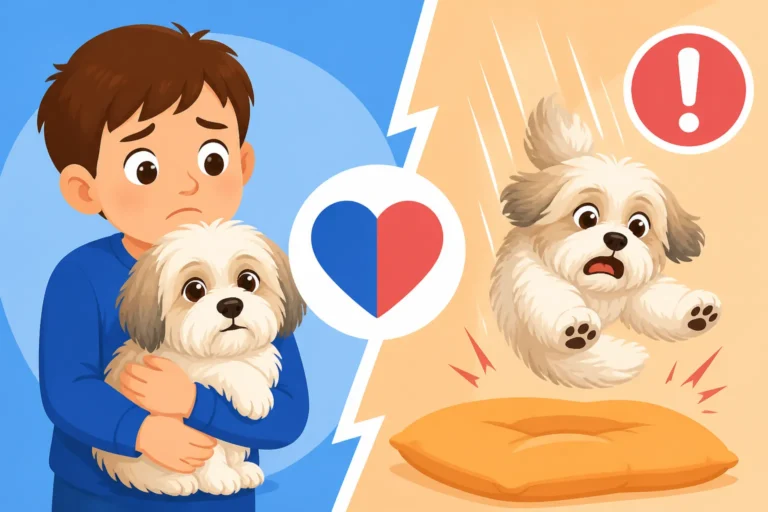
Despite their loving nature, the small size of a Havanese presents its own set of vulnerabilities. They can weigh as little as seven pounds, making them incredibly fragile. A child, especially a very young one, might accidentally step on them, drop them, or handle them too roughly, leading to serious injury. This isn't usually due to malice, but simply a lack of understanding of a small dog's delicate structure.
Moreover, a Havanese can easily become overwhelmed by sudden loud noises, quick movements, or incessant grabbing, which are common occurrences in a house with children. While they are usually tolerant, every dog has a limit. When pushed past that limit, a Havanese might resort to defensive behaviors like growling, snapping, or nipping. It's important to understand that these aren't signs of an aggressive dog, but rather a frightened one trying to communicate that it needs space or is in pain. Ignoring these signals can escalate the situation, potentially leading to a bite. Therefore, recognizing and respecting their need for personal space is paramount.
Preparing Your Havanese for Life with Kids
Bringing a Havanese into a home with children, or introducing children to an existing Havanese, requires thoughtful preparation. It’s not just about hoping for the best; it’s about setting everyone up for success.
Early Socialization is Key
Socialization isn't just about exposing your puppy to other dogs; it's about helping them become comfortable and confident in a wide variety of environments, around different people, and with various sounds and sights. For a Havanese puppy destined for a home with children, this means controlled and positive exposure to kids from a very young age. This doesn't mean letting children swarm the puppy, but rather introducing them to calm, gentle children under strict supervision.
Puppy classes are invaluable here. They offer a safe, structured environment where your Havanese can learn good manners and gain confidence around different people and other puppies. Look for classes that also teach you, the owner, how to read your dog’s body language and how to facilitate positive interactions. If you're getting a puppy, ask your breeder about their socialization practices. A responsible breeder will have already started this process, exposing puppies to different sounds, surfaces, and gentle human contact. This early foundation can make a world of difference. You can read more about what to expect in The First Year With a Havanese Puppy.
Training for Calmness and Boundaries
Beyond basic obedience, specific commands can be incredibly helpful in a child-filled home. Teaching your Havanese a solid "leave it" command can prevent them from snatching dropped food or toys. A "stay" or "go to your mat" command provides a reliable way to create distance when things get too boisterous or if the dog needs a break. These commands are not about control for its own sake, but about providing your Havanese with clear expectations and a sense of security within the family structure.
Consistency is absolutely crucial here. Everyone in the household, including older children, should use the same commands and reward system. Positive reinforcement methods, like clicker training or rewarding with high-value treats and praise, work wonders with Havanese. They are eager to please and love to learn, especially if there's a tasty reward involved! This kind of training also helps prevent your Havanese from developing negative habits, like nipping for attention or jumping on children.
Crate Training for a Safe Retreat
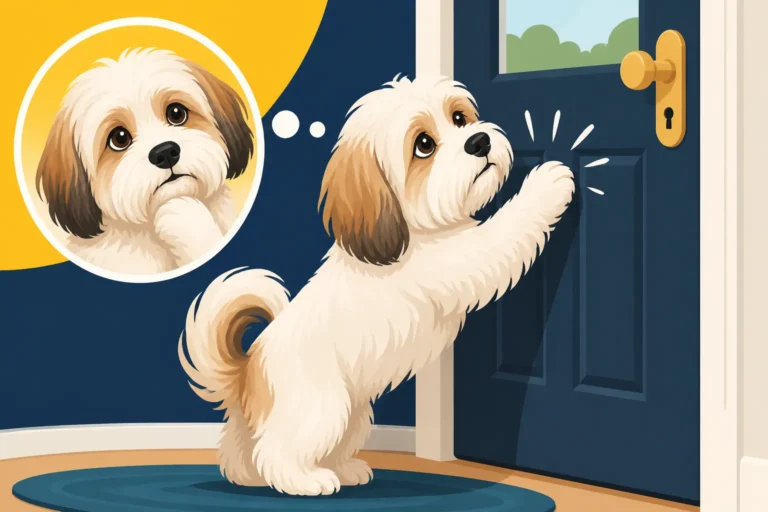
A crate should never be used as a punishment; instead, it's your Havanese's personal den, a safe haven where they can retreat from the chaos of a busy household. In a home with children, this concept becomes even more vital. Children need to be taught that when the Havanese is in its crate, it is off-limits and should not be disturbed. This provides your dog with an essential escape route when they feel overwhelmed, tired, or simply need some quiet time.
Introduce the crate gradually, making it a positive place with soft bedding, favorite toys, and delicious treats. Many Havanese naturally take to their crates as they appreciate having a secure, cozy space of their own. This dedicated space can prevent many potential conflicts, as it gives your Havanese control over their environment and ensures they have a place where they are guaranteed peace and quiet. For more tips, check out Whether a Havanese Puppy Should Be Crated at Night.
Educating Children on Safe Havanese Interactions
The responsibility for a harmonious household doesn't fall solely on the dog. Educating children about how to interact respectfully and safely with their Havanese is just as important, if not more so.
Gentle Hands and Quiet Voices
Children, especially younger ones, need to be taught that a Havanese is a living, feeling creature, not a toy. This means teaching them how to approach the dog calmly, avoiding sudden movements or loud screams that might startle a small Havanese. Demonstrate the "petting zone" – typically the shoulders or chest, avoiding the top of the head or tail, which can be sensitive. Teach them to use "gentle hands" and to stroke softly rather than patting or grabbing.
Encourage them to speak in calm, quiet voices around the dog. Loud shrieks and shouts, while common in play, can be terrifying for a small dog with sensitive hearing. Explaining that dogs communicate differently than humans, and that certain actions can make the dog scared, helps children develop empathy and understanding. Repetition and consistent reminders are key, as children often need frequent reinforcement of these rules.
Respecting the Dog's Space
One of the most critical lessons for children is to respect a dog's personal space. This means:
- No disturbing while eating: Dogs can become defensive around their food. Children should never approach a Havanese while it's eating, even if they're "just looking."
- No disturbing while sleeping: Waking a dog suddenly can lead to a startled snap. Children should be taught to let a sleeping dog lie, especially if the dog is in its crate or on its bed.
- No approaching when in their crate: As mentioned, the crate is a safe zone. Children must understand that the dog is off-limits when inside its crate.
Teach children to recognize when the Havanese might need space. Signs like yawning, turning their head away, licking their lips, stiffening their body, or tucking their tail are all indications that the dog is uncomfortable and needs a break. Empowering children to understand these signals helps them become better, safer dog companions.
Supervising All Interactions
This rule is non-negotiable: never leave young children unsupervised with any dog, regardless of how trustworthy or gentle the dog seems. Accidents can happen in an instant, and even the most patient Havanese can react defensively if inadvertently hurt or scared. Constant supervision means actively watching and being ready to intervene at any moment.
Parents act as the vital bridge between the dog and the children, advocating for both. This involves gently redirecting children if they are being too rough or noisy, and also protecting the Havanese by providing an escape route or stepping in if the dog shows signs of stress. As children grow older and demonstrate consistent respectful behavior, supervision can become less direct, but a watchful eye should always be maintained. Think of it as teaching a toddler to cross the street; you hold their hand until they can safely do it themselves, and even then, you're always nearby.
Setting Up Your Home for Harmony
A happy Havanese-and-child household isn't just about training and supervision; it's also about creating a physical environment that supports peaceful coexistence.
Creating Dog-Safe Zones
Your home layout can significantly influence the success of a Havanese and children living together. Baby gates are your best friends! They allow you to create physical barriers, giving your Havanese a designated "safe zone" where children cannot follow, and vice versa. This is particularly useful during meal times, when children are playing rambunctiously, or when your Havanese simply needs a break. You can find a variety of baby gates, from pressure-mounted to hardware-mounted, on platforms like Amazon to suit your home's needs.
Ensure that your Havanese has its own dedicated space for food, water, and toys that is separate from where children play with their own belongings. This helps prevent resource guarding issues (where the dog becomes possessive of its items) and avoids situations where a child might accidentally put a dog toy in their mouth, or vice-versa. A raised dog bed or a cozy corner in a quiet room can serve as a personal retreat that children are taught to respect as the Havanese's private area.
Managing High-Energy Play
Havanese, despite their small size, can be quite playful. However, their physical fragility means that roughhousing or overly boisterous play can lead to injury. It’s crucial to guide children toward appropriate forms of play. Games like fetch with soft balls, gentle tug-of-war with appropriate toys, or hide-and-seek are fantastic ways for children to interact with their Havanese without putting the dog at risk.
Teach children to avoid games that might encourage nipping, such as wiggling fingers in front of the dog's face, or wrestling that puts pressure on the dog's delicate spine or joints. Constant supervision during play is paramount to ensure that interactions remain positive and safe for both parties. Remember, even an accidental bump or fall can be serious for a small dog. For more information on their physical vulnerabilities, read Whether a Havanese Is Fragile Around Children.
Dealing with Accidental Nips or Growls
It's important to be prepared for the possibility that your Havanese might growl or even nip at a child. This is often a sign that the dog's boundaries have been crossed, or they are in pain or frightened. Your reaction in these moments is crucial. Instead of punishing the dog (which can suppress warning signs and lead to a bite with no warning), calmly separate the dog and the child.
Assess the situation: What triggered the reaction? Was the child too close to the dog's food? Did they accidentally step on the dog? Use it as a learning opportunity to reinforce the rules with the child and to understand your dog's stress triggers. For example, if the Havanese growled when a child hugged it, teach the child "two feet on the floor" rule for petting. If it was guarding a toy, teach "trade" with a higher value treat. If you're struggling to understand the triggers or manage the behavior, don't hesitate to seek professional help from a certified dog trainer or behaviorist.
Integrating the Havanese into Family Activities
One of the greatest joys of owning a Havanese is their desire to be an integral part of family life. By thoughtfully including them in activities, you strengthen their bond with everyone.
Including Your Havanese in Playtime
Havanese thrive on engagement and love to play. Encourage organized, supervised play sessions where children can interact positively with the dog. Simple games like "find the treat" or teaching basic tricks can be a fun way for kids and dogs to bond. Because of The Circus Dog Brain Inside a Havanese, they often pick up tricks quickly and enjoy showing off! These activities offer mental stimulation for your Havanese and teach children how to interact constructively.
Older children can be fantastic partners in positive reinforcement training. Under your guidance, they can practice commands like "sit," "stay," or "come," rewarding the Havanese with treats and praise. This not only builds the dog's confidence but also teaches children responsibility and patience, demonstrating how clear communication leads to positive outcomes. Always ensure that the training sessions are short, fun, and end on a high note for both the child and the Havanese.
Family Walks and Outings
Havanese love to explore the world with their families. Including your Havanese on family walks or outings to dog-friendly parks is a wonderful way to foster their sense of belonging. Ensure that your Havanese is always securely leashed and wearing a comfortable, well-fitting harness rather than just a collar, to protect their delicate neck. You can find various harness options easily, including on Amazon. You can learn more about this in Whether a Havanese Should Wear a Harness.
If older children are responsible enough to hold the leash, teach them proper leash etiquette: no pulling, keeping the dog close, and being aware of their surroundings. For younger children, a family walk might involve them walking alongside you while you hold the leash, or perhaps pushing the dog in a specialized dog stroller for longer outings, which can be a fun way to include everyone without over-tiring the Havanese. Remember to consider How Much Exercise a Havanese Needs so you don't push them too far.
Quiet Time Together
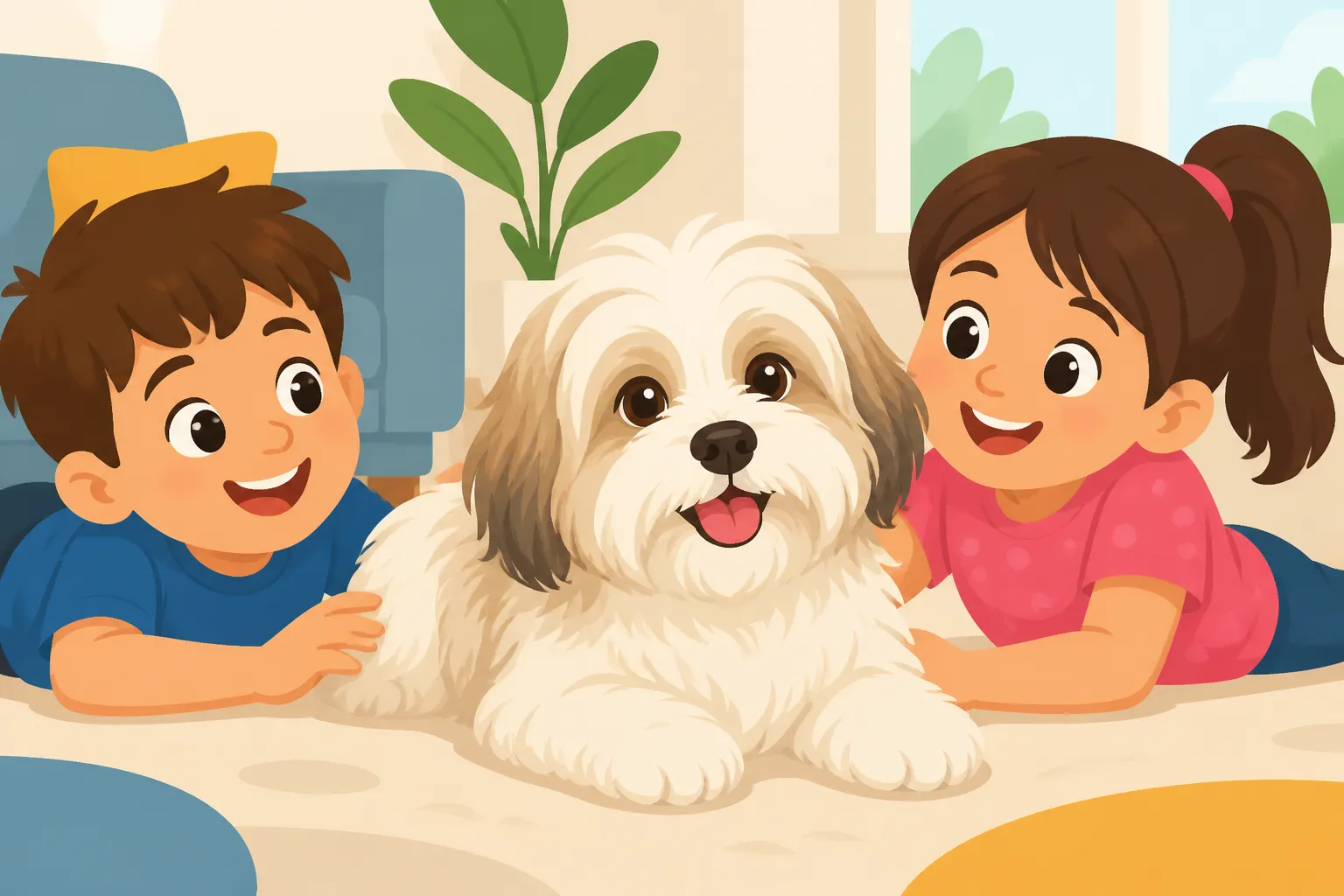
Not all bonding has to be high-energy. Encourage quiet, calm moments where children can simply be present with their Havanese. This could be gentle petting while reading a book, or having the Havanese snooze at their feet during family movie night. These calm interactions are just as important as playtime, as they teach children the value of peaceful companionship and reinforce the Havanese's role as a comforting presence.
These quiet moments are crucial for building trust and affection. They teach children that dogs appreciate calm and gentle interaction, not just boisterous play. For a Havanese, who thrives on close connection, these moments of shared tranquility are often among their most cherished. It reinforces that they are loved and valued members of the family, without the pressure of constant interaction.
Specific Challenges and Solutions
While the Havanese is generally a wonderful family dog, specific age groups of children can present unique challenges that require tailored approaches.
Toddlers and Havanese: A Special Consideration
Toddlers, with their unpredictable movements, nascent understanding of boundaries, and tendency to grab, present the biggest challenge for integrating a Havanese into the family. Their motor skills are still developing, and they might accidentally hurt a small dog simply by being a toddler.
- Elevated Safe Spaces: Consider providing your Havanese with an elevated dog bed or a designated spot on a couch that is off-limits to toddlers. This allows the dog to observe the activity from a safe height without being directly in the toddler's reach.
- Constant Supervision and Intervention: This is where the non-negotiable rule of "never leave unsupervised" is most critical. Parents must be vigilant, constantly redirecting the toddler from the dog and vice versa. Use baby gates to physically separate them when direct supervision isn't possible.
- Teaching "Gentle" and "No": Repetitively teach toddlers the concept of "gentle hands" and use a firm "no" if they attempt to grab or pull. Consistency is paramount, even if it feels like you're saying it a hundred times a day.
- Structured Interactions: Allow very short, highly supervised interactions where the toddler is taught how to gently stroke the Havanese, always with an adult's hand guiding theirs. End before either party gets restless.
It’s truly a marathon, not a sprint, when you have toddlers and a Havanese. The goal is to build a foundation of respect and safety over time. For more considerations on this age group, refer to Whether a Havanese Suits a Family With Young Children.
Older Children and Responsibility
As children grow, their capacity for understanding and responsibility increases, opening up new opportunities for them to contribute to the Havanese's care and training.
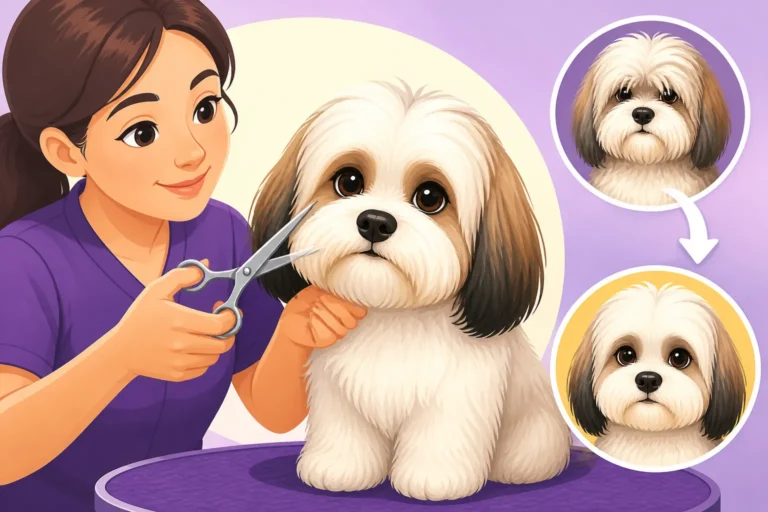
- Age-Appropriate Tasks: Assigning tasks like filling the water bowl, helping measure out food (under supervision), or participating in daily brushing sessions can foster a strong sense of ownership and care. For instance, teaching a Havanese to lie still for grooming can be a great activity for an older child, especially if they are guided on how to make it a positive experience for the dog, as discussed in Teaching a Havanese to Lie Still for Grooming.
- Involving in Training: Older children can actively participate in positive reinforcement training, teaching the Havanese new tricks or reinforcing commands. This builds a deeper bond and helps the dog see the child as a leader and a fun playmate. Consider looking at online training programs like those offered by BAXTER & Bella, which can provide structured lessons the whole family can follow.
- Understanding Dog Communication: Encourage older children to learn more about canine body language. Being able to read subtle cues from the Havanese helps them prevent misunderstandings and ensures they can advocate for the dog's needs. This shared knowledge fosters a more empathetic relationship.
When Things Aren't Working Out
Despite your best efforts, sometimes challenges persist. It’s important to recognize when you need to seek outside help.
- Persistent Behavioral Issues: If your Havanese continues to exhibit fear-based aggression, excessive barking at children, or separation anxiety when left with kids, these are signs that professional intervention might be needed.
- Seeking Professional Help: Don't feel ashamed or defeated if you need to consult a certified professional dog trainer or a veterinary behaviorist. These experts can assess your specific situation, identify underlying causes for problematic behaviors, and provide tailored strategies and training plans. They offer invaluable guidance and can help you re-establish harmony in your home. You can read more about this in Whether a Havanese Needs a Professional Trainer. Early intervention is always better than letting issues escalate.
Long-Term Benefits of a Havanese-Children Household
While the journey of integrating a Havanese into a child-filled home requires effort, the rewards are truly priceless and last for many years.
Teaching Empathy and Responsibility
Living with a Havanese provides children with a unique, hands-on education in empathy, compassion, and responsibility. They learn firsthand about the needs of another living creature – feeding, exercise, grooming, and the importance of gentle interaction. Witnessing the unconditional love and joy a Havanese brings can help children develop a deeper understanding of feelings, both human and animal. This can translate into greater kindness and understanding in other areas of their lives.
Children who participate in the care of their Havanese learn valuable lessons about routine, commitment, and the consequences of their actions. They learn that neglecting a pet's needs has a direct impact, fostering a sense of accountability that extends far beyond pet ownership. These foundational lessons are crucial for developing into well-rounded, compassionate individuals.
A Lifelong Friend and Confidant
The bond between a child and their Havanese can be incredibly profound. Havanese are known for their deep affection and loyalty, often forming strong attachments to their human companions. For a child, a Havanese can be a constant source of comfort, a patient listener, and a playful companion through all stages of childhood. This unique friendship can provide immense emotional support, especially during challenging times.
Imagine a child having a rough day at school, only to be greeted by the enthusiastic wiggles and loving licks of their Havanese. This unconditional acceptance and joy can be incredibly healing. Many Havanese live for The Fourteen to Sixteen Years a Havanese Lives, offering a significant portion of a child's upbringing as a faithful and cherished member of the family. These shared memories of play, cuddles, and quiet companionship become treasured parts of a family's history.
A More Vibrant Family Life
Ultimately, a Havanese can bring an unparalleled sense of joy, laughter, and warmth to a family home. Their playful antics, charming personalities, and boundless affection create a more vibrant and engaging environment for everyone. They encourage families to spend more time together, whether it's on a walk in the park, a quiet evening on the couch, or simply enjoying the everyday moments.
A Havanese truly becomes another cherished family member, sparking conversations, shared responsibilities, and countless opportunities for love and connection. The challenges of initial integration fade into the background as the profound benefits of a Havanese companion enrich the lives of both children and adults, creating a fuller, more joyful household.
Disclaimer
This article is for general informational purposes only and does not constitute professional advice. Laws, prices and regulations vary by location and change over time. Consult a qualified professional for guidance on your specific situation.