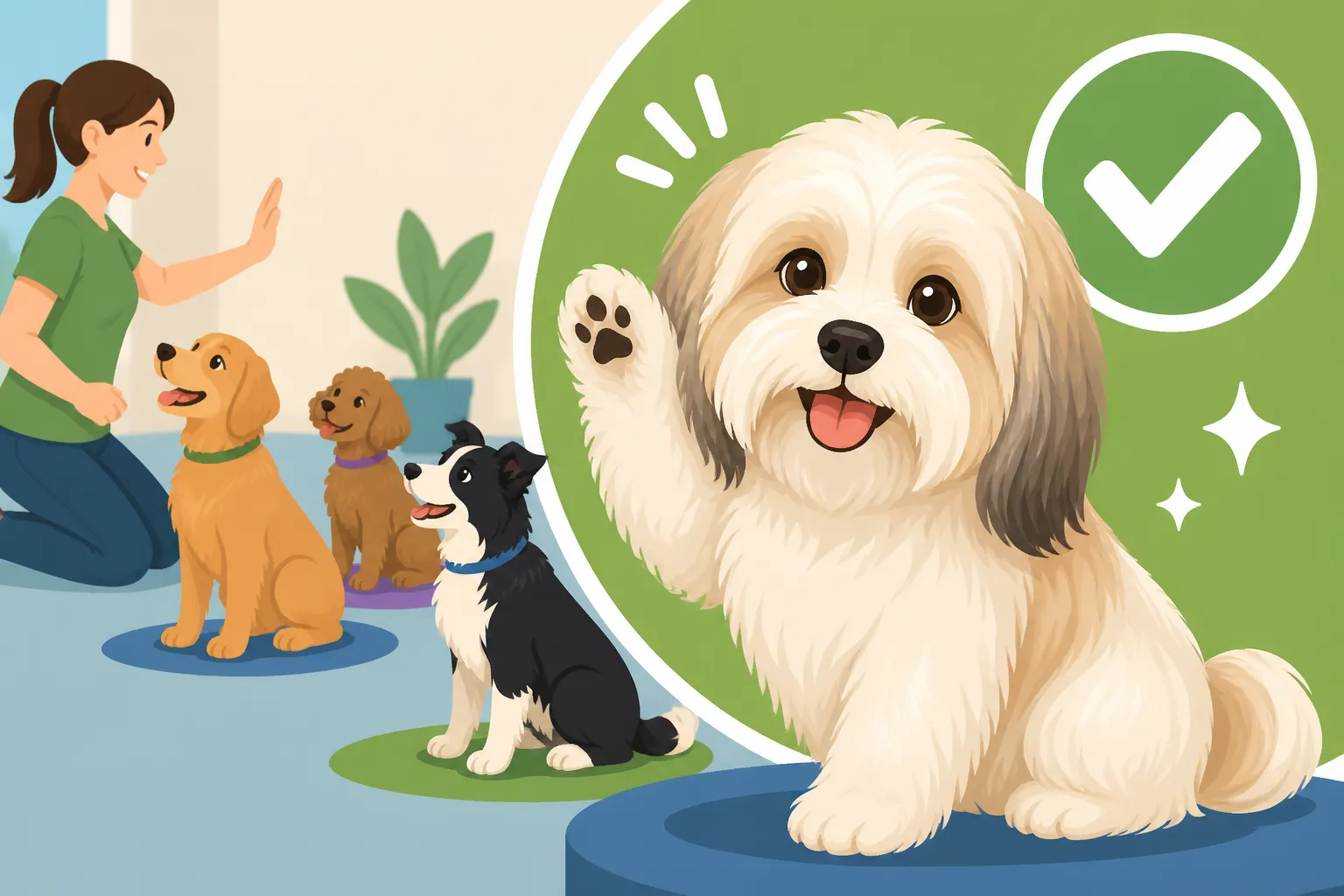
Whether a Havanese Passes a Group Class
The idea of taking your adorable Havanese to a group training class often brings a mix of excitement and apprehension. You picture your little fluffball acing all the commands, but then a tiny worry creeps in: will they be overwhelmed, distracted, or just plain stubborn amidst all the other dogs and new people? This guide aims to clear up those concerns, exploring whether a Havanese can truly thrive in a group class setting and how you can set them up for absolute success.
Understanding the Havanese Temperament in a Classroom Setting
Before you even step foot in a group class, it's really helpful to consider the inherent traits of our beloved Havanese. They're not all built the same, of course, but there are some common threads that run through the breed that can influence how they respond to a structured, stimulating environment like a dog training class.
The Havanese's Eagerness to Please and Intelligence
One of the most charming aspects of a Havanese is their genuine desire to make their people happy. This "eagerness to please" is a huge asset in any training scenario, especially a group class. When they figure out what you want, they often try their darndest to deliver, often with a joyful little wiggle. This isn't a breed that typically tries to dominate or assert independence in the way some working breeds might. Instead, they thrive on positive interaction and praise.
Combine this with their intelligence, and you've got a dog that can pick up new commands and cues remarkably quickly. They're often hailed as one of the smartest toy breeds, capable of understanding complex sequences and even chaining behaviors together. Whether a Havanese Is the Smartest Toy Breed is a topic many owners ponder, and their quick learning certainly supports the claim. However, this intelligence also means they can get bored if the training isn't engaging or stimulating enough, so a good group class needs variety and fun.
Potential for Distraction and Sensitivity
While intelligent and eager, Havanese can also be quite sensitive and easily distracted. A bustling classroom with other dogs barking, people moving, and new smells everywhere can be a lot for a small Havanese to process. Some might become overly excited and want to greet everyone, while others might become shy and retreat behind your legs. It's a spectrum, and your Havanese will fall somewhere on it.
Their sensitivity also means they respond best to positive reinforcement. Harsh corrections or loud voices can easily shut down a Havanese, making them wary and less likely to participate. A good instructor understands this and creates a calm, encouraging atmosphere. If your Havanese is prone to barking at novel sounds or sights, for instance, a busy class environment might initially heighten this, making Whether a Havanese Barks at Every Noise a relevant consideration before you enroll.
The Strong Bond with Their Person
Havanese are known for forming incredibly strong bonds with their human companions. They are often referred to as "Velcro dogs" because they love to be right by your side, following you from room to room. This strong attachment can be both a blessing and a challenge in a group class. On one hand, their focus on you can make them highly attentive to your commands. On the other hand, if they feel insecure or overwhelmed by the new environment, they might cling even more, making it difficult for them to engage with the class activities independently.
This bond also means that your mood and confidence will directly impact your Havanese. If you're stressed or anxious in class, they'll pick up on it, and it can affect their performance. Conversely, if you're calm, encouraging, and having fun, they're much more likely to relax and enjoy the learning process.
Common Challenges a Havanese Might Face in Group Class
Even with the best intentions and a wonderful Havanese, group classes can present a few hurdles specific to their size and personality. Knowing these in advance can help you prepare and work through them effectively.
Overstimulation and Shyness
Imagine being a tiny Havanese in a room full of much larger dogs, loud noises, and unfamiliar people. It can be incredibly overwhelming. Some Havanese might react by becoming overly excited, jumping, or barking, while others might become timid, hiding, or refusing to interact. This overstimulation can make it hard for them to concentrate on you and the instructor.
For a naturally shy Havanese, the class environment can feel like a gauntlet. They might shrink away from other dogs or people, making socialization exercises difficult. It's crucial not to force them into interactions, but rather to allow them to observe and approach at their own pace. Sometimes, starting with a smaller, more intimate class or even one-on-one sessions first can build confidence before transitioning to a larger group.
Maintaining Focus Amidst Distractions
Havanese are observant dogs, and in a group setting, there are a million things vying for their attention. The smell of the dog next door, a dropping treat, another puppy's playful yelp – all of these can be far more interesting than "sit" or "stay" in that moment. Their attention span, especially when young, can be quite short, as discussed in Whether Short Sessions Suit a Havanese.
This means you, as their handler, need to be extra engaging and have high-value rewards ready. Without proper preparation, your Havanese might spend more time sniffing the floor or staring at another dog than actively participating. This is where the home practice comes in, gradually introducing distractions to help them generalize their learned behaviors.
House Training Setbacks in a New Environment
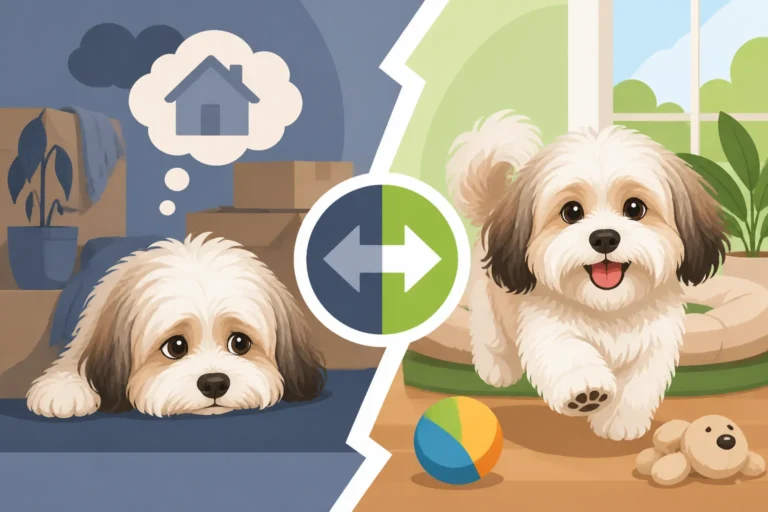
Even a perfectly house-trained Havanese might have an accident in a new, exciting, or stressful group class environment. The change in routine, the new smells, and the sheer excitement or anxiety can sometimes override their usual house-training habits. It's a common frustration for owners who thought they had this aspect locked down!
It's important to be patient and proactive. Take your Havanese out for a potty break right before class, and perhaps even midway through if it's a longer session. Clean up any accidents quickly and without fuss, and reinforce good habits outside. Remember that How Long a Havanese Puppy Takes to Be Clean can vary, and environmental changes can sometimes temporarily disrupt even established routines.
Strategies for Havanese Success in Group Classes
Fear not, Havanese can absolutely excel in group classes! It just takes a little strategic planning and consistent effort on your part. With the right approach, your little Havanese can be the star of the class.
Choosing the Right Class and Instructor
This is perhaps the most critical step. Not all group classes are created equal, and what works for a Labrador might not work for a Havanese. Look for classes specifically designed for small breeds or, at the very least, those that limit class size to ensure individual attention. An instructor who understands small dog dynamics and uses positive, reward-based training methods is paramount.
Don't hesitate to ask to observe a class before signing up. Pay attention to:
- Class size: Is it manageable, or are there too many dogs crammed into one space?
- Instructor's style: Are they patient, encouraging, and clear in their instructions? Do they use harsh corrections or positive reinforcement?
- Dog interactions: Are dogs allowed to interact safely, or is it chaotic?
- Environment: Is the training space clean, well-lit, and not overly noisy?
A good instructor will be happy to answer your questions and reassure you about your Havanese's specific needs.
Pre-Class Socialization and Preparation
Starting with some basic socialization before class can make a world of difference. Your Havanese needs to be comfortable around other dogs and people in various settings, not just your home. Safe, positive interactions with friendly, vaccinated dogs can help build their confidence. This doesn't mean dog parks if your Havanese isn't ready, but controlled playdates or walks in busy areas where they can observe from a distance.
At home, practice basic commands like "sit," "stay," and "come" in short, fun sessions. This builds a foundation and helps them understand that training is a rewarding activity. Consider an online puppy program like BAXTER & Bella as a fantastic resource for pre-class preparation, offering structured lessons and support from the comfort of your home, allowing your Havanese to learn foundational skills without the initial overwhelm of a group setting. This can greatly improve their chances of passing a group class later.
Positive Reinforcement and High-Value Rewards
Havanese respond beautifully to positive reinforcement. Think delicious, tiny treats, enthusiastic verbal praise, and gentle petting. Experiment to find what motivates your particular Havanese. It might be freeze-dried chicken, bits of cheese, or their favorite toy. Whatever it is, bring plenty of it to class!
High-value rewards are crucial for cutting through distractions. While a piece of kibble might work at home, a bustling class might require something truly irresistible. Make sure the treats are small enough that they can be consumed quickly without disrupting the flow of training. Always reward immediately when your Havanese performs the desired behavior, so they clearly understand what they're being praised for. Consistency with positive reinforcement builds confidence and a love for learning.
Managing Distractions and Environment
In class, you are your Havanese's safe harbor. Use your body language to create a "bubble" around them if they seem overwhelmed. If another dog is too boisterous, gently guide your Havanese away or create a physical barrier. If they're fixated on a distraction, try to redirect their attention with a fun game or a rapid-fire sequence of commands they know well, followed by a jackpot of treats.
Bringing a familiar mat or small bed for them to settle on can also provide a sense of security. Some Havanese benefit from a gentle harness rather than a collar, which provides more control and comfort, especially if they are prone to pulling or getting tangled in their excitement. You can find a wide range of suitable harnesses and training leashes on platforms like Amazon. Remember, the goal isn't to eliminate all distractions, but to teach your Havanese how to focus on you despite them. This is key to long-term success, as you can see in articles like Whether a Havanese Needs a Professional Trainer that emphasize consistency.
Consistency at Home and Beyond
A group class provides structure and guidance, but the real training happens at home, every single day. Practice the exercises learned in class in various locations with increasing levels of distraction. This helps your Havanese generalize the behaviors, meaning they learn that "sit" means "sit" everywhere, not just in the training hall.
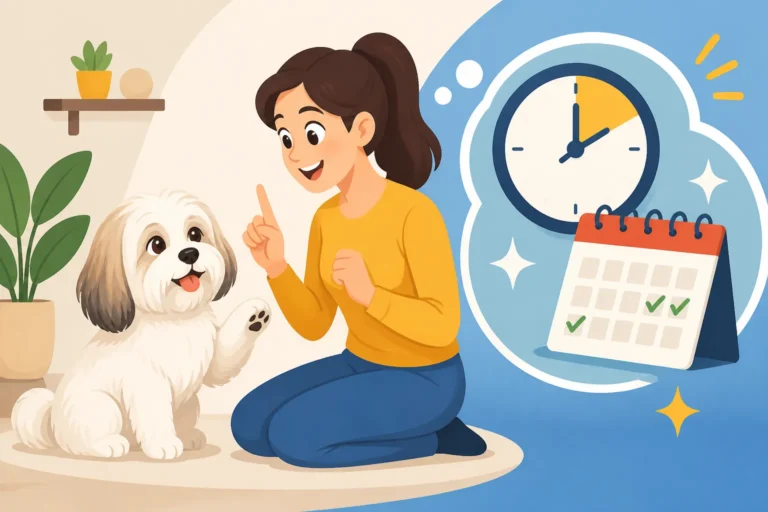
Regular, short training sessions are far more effective than long, infrequent ones for a Havanese. Five to ten minutes, two or three times a day, can yield amazing results. And don't forget to incorporate fun! Play games that reinforce obedience, like hide-and-seek with a "come" command. Remember that Whether Puppy Class Is Enough for a Havanese depends entirely on how much follow-through happens at home. Continued engagement and consistent application of the lessons will solidify their learning and ensure they not only pass a group class but truly thrive as a well-behaved companion.
Checklist for Group Class Preparedness
To help you assess if your Havanese is ready, and what you might need to do, here’s a quick checklist.
| Category | Consideration | Havanese Readiness | Action Plan |
|---|---|---|---|
| Temperament | Comfort with strangers & other dogs | Shy, overly excited, or comfortable? | Gradual, positive exposure; calm interactions. |
| Ability to focus on owner | Easily distracted or generally attentive? | Practice "watch me" exercises at home with varying distractions. | |
| Sensitivity to noise/movement | Startled easily or unfazed? | Desensitization to common sounds; gentle handling. | |
| Basic Training | Knows core commands (sit, stay, come) | Solid or still learning? | Consistent practice in short, fun sessions; use high-value treats. |
| Responds to name | Reliable recall or ignores you when distracted? | High-reward recall games. | |
| Leash manners | Pulls, lunges, or walks politely? | Practice loose-leash walking in calm environments. | |
| House Training | Fully house-trained | Any recent accidents, especially in new places? | Consistent potty breaks before class; monitor for signs; use indoor potty pads as a backup if needed. |
| Physical Needs | Grooming tolerance | Allows handling of paws, ears, face without fuss? | Regular brushing and handling; positive association with grooming tools. |
| Energy levels | Overly energetic or calm after a walk? | Ensure appropriate exercise before class to burn off excess energy. | |
| Your Preparedness | High-value treats | Do you have an irresistible treat? | Experiment with different treats; bring a variety. |
| Appropriate gear | Secure harness, comfortable leash? | Check fit of harness; consider a front-clip harness for pulling. | |
| Patience and positive attitude | Are you ready to be your Havanese's advocate and cheerleader? | Mental preparation; focus on small victories. |
This isn't about perfection before class, but about understanding where your Havanese is at and what areas you might need to focus on. With a little foresight and commitment, your Havanese can absolutely pass a group class with flying colors, learning valuable skills and growing into an even more wonderful companion.
Disclaimer
This article is for general informational purposes only and does not constitute professional advice. Laws, prices and regulations vary by location and change over time. Consult a qualified professional for guidance on your specific situation.