Whether a Havanese Is Harder to House Train Than a Poodle
One of the most common frustrations for new puppy parents, especially those bringing home a smaller breed, is the never-ending challenge of house training. It can feel like you're constantly scrubbing up little puddles, wondering if your adorable Havanese will ever truly "get it." This comprehensive guide will dive deep into the nuances of house training, comparing the Havanese to the Poodle, exploring their unique traits, and offering actionable strategies to help your furry friend achieve potty perfection.
Understanding the Havanese House Training Challenge
Let's be real, when you bring home a fluffy Havanese puppy, you're prepared for endless cuddles and charming antics, but perhaps not for the potential house training marathon. Many Havanese owners genuinely struggle with this aspect of puppyhood, and it's not always because of a lack of effort on their part. There are some very specific reasons why our little Cuban sweethearts can sometimes take a bit longer to be reliably clean indoors.
The Small Bladder, Big Problem Scenario
It's a simple physiological truth: a small dog has a small bladder. Your tiny Havanese puppy, often weighing just a few pounds, simply cannot hold it for extended periods. Expecting them to go eight hours overnight, or even four hours during the day when they're very young, is just setting them up for failure. Their little bodies aren't built for that kind of retention yet. This isn't stubbornness; it's biology. They can wake up from a nap, stretch, and suddenly need to relieve themselves right now. This often means if you're not Johnny-on-the-spot with getting them outside, an accident is bound to happen, usually on your favorite rug.
Compounding this is the fact that many owners inadvertently teach their Havanese that inside is an acceptable place to go. If a puppy has multiple accidents indoors without immediate, thorough cleaning that removes all traces of scent, they might start to think that spot is their designated potty area. It's not malicious; it's just how dogs operate. They're drawn to familiar scents. For a tiny Havanese, even a small unnoticed accident can leave enough residue to encourage a repeat performance, prolonging the training process significantly.
Furthermore, Havanese puppies are often incredibly attached to their humans, which can sometimes work against house training if not managed correctly. They want to be where you are, and if that means relieving themselves indoors to avoid being separated from you for an outdoor potty break, some might do it. It's a subtle distinction, but understanding their desire to be near you is crucial. You need to make outdoor potty breaks quick, efficient, and rewarding, so they don't associate going outside with being abandoned. For more on their overnight bladder capacity, check out How Long a Havanese Puppy Holds It Overnight.
"Accidents Happen" – The Havanese Personality Factor
Havanese are intelligent, sensitive, and eager to please, which sounds like a dream for training, right? Well, sometimes their sensitivity can be a double-edged sword. If you've ever gotten frustrated after an indoor accident and shown it, even subtly, your Havanese might interpret that as "pottying in front of you is bad" rather than "pottying inside is bad." This can lead to them sneaking off to a secluded corner of the house to do their business, making it even harder to catch them in the act and interrupt or redirect them. They learn to hide the act, not to avoid the act itself.
Their desire to please can also sometimes lead to what looks like deliberate refusal, but is actually confusion. If a Havanese is praised for going outside, but then also gets attention (even negative attention like scolding) for an indoor accident, they might not fully grasp the distinction. Consistency is absolutely paramount with a Havanese. Any mixed signals, and their intelligent minds will try to figure out the "game," often coming to the wrong conclusions. It's why calm, consistent guidance, without anger or harshness, is so vital.
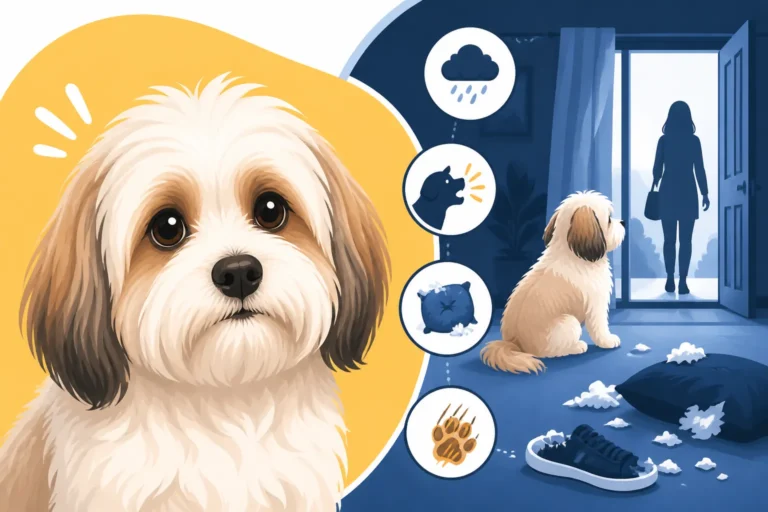
Another aspect of their personality is their social nature. Havanese thrive on interaction and being part of the family. If they feel isolated during house training—perhaps left alone in a yard too long or crated excessively without proper potty breaks—it can create anxiety that actually hinders training. They need to feel secure and understood. A positive, gentle approach rooted in understanding their breed traits will always yield better results.
Weather Woes and Havanese Habits
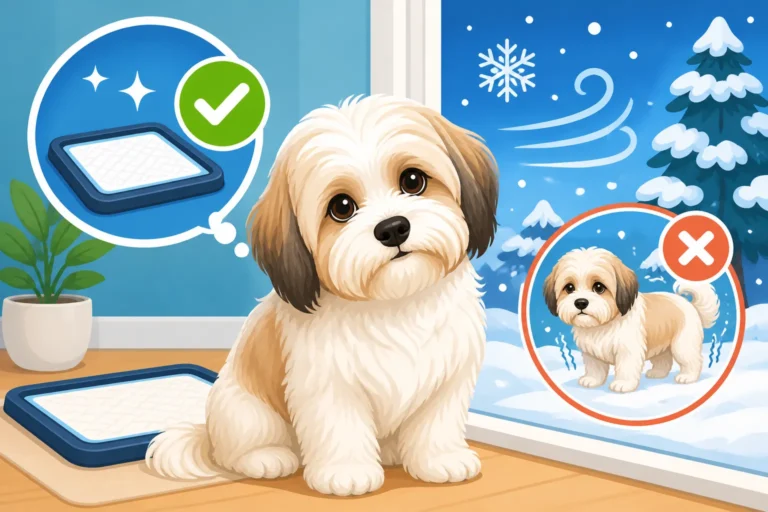
Let's be honest, who wants to go outside when it's pouring rain, snowing heavily, or scorching hot? Not many humans, and often, not many Havanese either! Their beautiful, flowing coats, while lovely, aren't always ideal for inclement weather. A Havanese with a long coat can quickly become soaked and matted in the rain or collect snow and ice balls between their paw pads in winter. This makes for an uncomfortable experience, and they learn to dread going out in bad weather.
I've seen so many Havanese owners lamenting that their dog will literally plant their feet at the door, refusing to budge when the weather is less than perfect. This isn't pure stubbornness, though it can feel like it. It's a legitimate discomfort for them. You might be standing there, umbrella in hand, while your Havanese gives you the "Are you serious right now?" look. This resistance can lead to more indoor accidents, as they simply hold it until they can't anymore, or find an indoor spot they deem suitable. To learn more about their aversion to wet paws, read Whether a Havanese Hates Getting Its Feet Wet and for snow, check out Whether a Havanese Refuses to Toilet in Snow.
To overcome this, you might need to invest in some doggy rain gear, like a little coat or booties, or create a sheltered outdoor potty area. Some owners even use a small pop-up tent in the yard for potty breaks during heavy rain. The goal is to make the outdoor experience as comfortable and positive as possible, even when Mother Nature isn't cooperating. This proactive approach can make a huge difference in avoiding setbacks in house training.
The Poodle's Perspective on Potty Training
When we compare the Havanese to a Poodle in terms of house training, it's important to remember that "Poodle" can encompass a range of sizes, from the tiny Toy Poodle to the majestic Standard. For a fair comparison, we're generally looking at Toy or Miniature Poodles, as their size is closer to that of a Havanese. Even within these smaller sizes, there are some distinct characteristics that influence their house training journey.
Poodle Intelligence and Trainability
Poodles are renowned for their intelligence. They are consistently ranked among the smartest dog breeds, often second only to Border Collies. This sharp intellect means they pick up on concepts and commands very quickly, which can be a significant advantage in house training. They are eager to please their owners and thrive on mental stimulation, seeing training as a fun puzzle to solve. This often translates to a faster understanding of where they should and shouldn't relieve themselves.
However, a Poodle's intelligence can also mean they quickly learn how to manipulate situations if they sense inconsistency. If they discover that barking by the door gets them outside (and maybe a treat!), they might start barking excessively, even when they don't need to go. Similarly, if they are allowed to have an accident indoors without a clear consequence (like being immediately taken outside to finish), their smart brain might rationalize it as an acceptable alternative. This means Poodle owners need to be just as consistent, if not more so, in their training methods to ensure their clever canine doesn't outsmart them.
They generally respond very well to positive reinforcement, often enjoying the process of learning new things. If you are using a structured online program like BAXTER & Bella, a Poodle would likely excel, eagerly absorbing the lessons and applying them to real-world scenarios. Their attentiveness and focus can make them seem like house training superstars compared to other breeds, simply because they connect the dots faster.
Size Matters (Sometimes)
While Toy Poodles are comparable in size to Havanese, and thus have similar bladder capacities to Havanese, there can be slight variations. A Miniature Poodle, being a bit larger than both, might have a slightly greater ability to hold their bladder for longer periods. This isn't a massive difference, but even an extra 30 minutes of holding time can feel like a godsend to a frustrated owner. Small breeds, regardless of specific breed, will always require frequent potty breaks, especially as puppies.
The physical build of a Poodle, particularly their often less dense, curlier coat, might also make them slightly less averse to damp weather than a long-coated Havanese. While no dog enjoys being drenched, a Poodle's coat might dry faster or not collect snowballs as readily as a Havanese's fine, silky hair. This slight difference can sometimes remove one barrier to consistent outdoor potty breaks.
Ultimately, "size matters" more in the sense of comparing any small breed to a large breed. Both Havanese and Toy Poodles will demand a high frequency of potty breaks, especially during puppyhood. The common thread for all small dogs is that you need to be hyper-vigilant about their potty schedule and recognize that their tiny bodies have limitations.
The Poodle's Motivation
Poodles are typically motivated by a desire to please their owners and by positive rewards, whether that's a tasty treat, verbal praise, or a favorite toy. They are often quite food-motivated, which makes using treats for successful potty breaks a very effective strategy. Their intelligence means they quickly associate the act of going outside to potty with the subsequent reward, reinforcing the desired behavior. This makes them highly responsive to structured training protocols.
They also enjoy having a "job" to do, and learning the routines of house training can become a task they enthusiastically embrace. The mental engagement of figuring out what you want from them, combined with the positive feedback, creates a strong learning loop. This intrinsic motivation can sometimes make the process feel smoother because the Poodle is actively engaged in trying to understand and comply.
While a Havanese is also eager to please, their sensitive nature might make them more prone to "shutting down" if they feel confused or if the training is inconsistent. A Poodle's confidence and intelligence, when channeled correctly, can make them incredibly resilient and focused on achieving the training goal. This doesn't mean Poodles are "easy" and Havanese are "hard," but rather that their inherent motivations can play out differently during the house training phase.
Direct Comparison: Havanese vs. Poodle House Training Difficulty
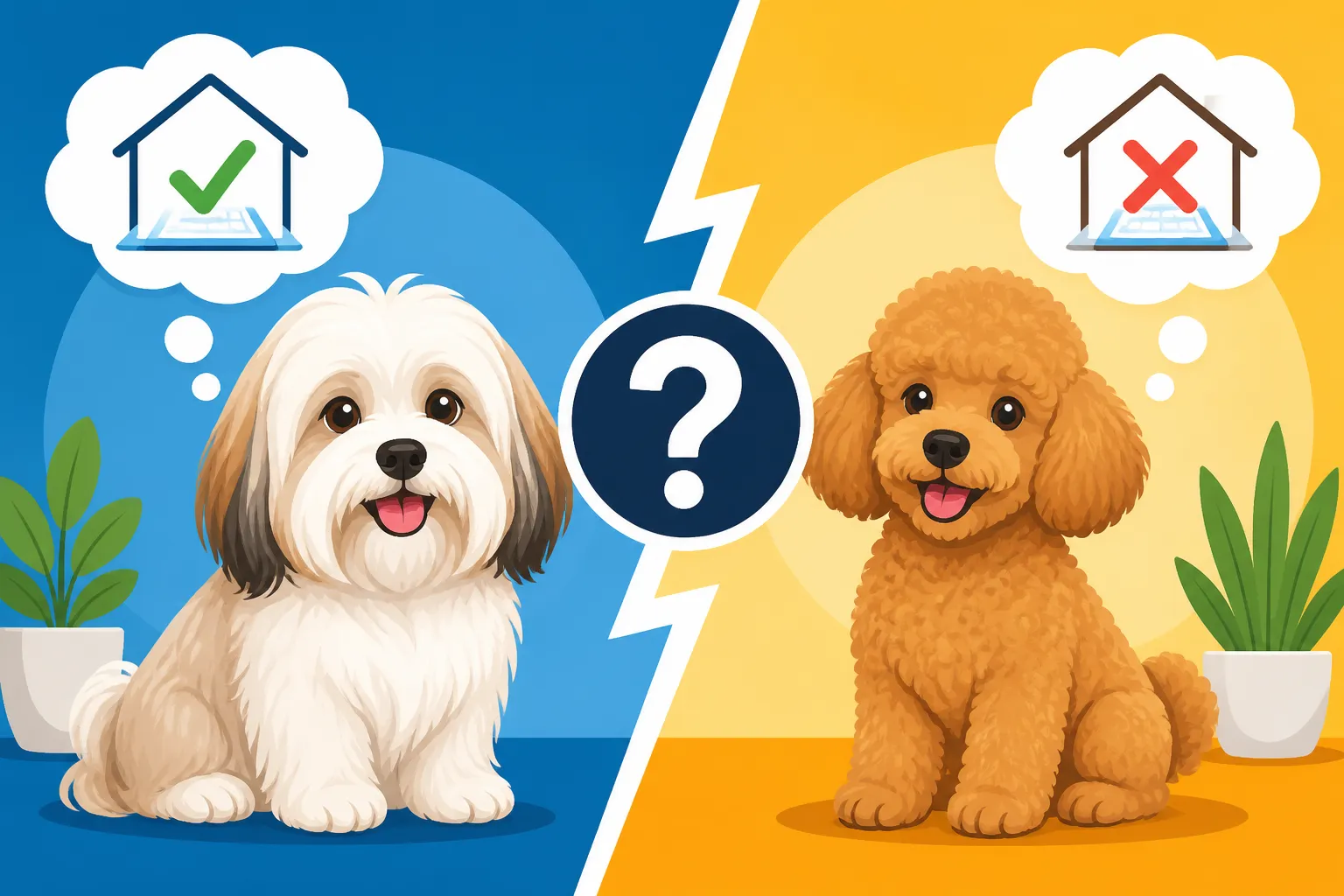
So, is a Havanese truly harder to house train than a Poodle? The answer isn't a simple yes or no, but rather depends on individual temperament, consistency of training, and environmental factors. Both breeds present their own unique quirks that influence the process.
Are Havanese Really "Harder"? Dispelling Myths and Identifying True Challenges
It's common to hear anecdotes that Havanese are notoriously difficult to house train, sometimes even labeling them as "stubborn." While they can certainly be persistent, it's rarely true stubbornness in the negative sense. The perceived "difficulty" often stems from a combination of their small bladder capacity, their sensitivity to weather and human emotions, and their cleverness in finding sneaky indoor spots if not managed proactively. They aren't trying to make your life difficult; they're simply responding to their environment and instincts.
A Havanese might seem harder because if you get frustrated, they're more likely to become anxious and start hiding their accidents. This fear of punishment (even if it's just a stern tone) can lead to clandestine potty breaks behind the couch or under a table, making it harder for you to intervene and teach them the correct behavior. Their long, flowing coat also means that if an accident happens, it can cling to their fur, making cleanup a bit messier and potentially leaving a scent behind that encourages future accidents. This is particularly true if you have a Havanese puppy in their "puppy uglies" stage, where their coat is changing and prone to matting around their rear if not kept meticulously clean.
Poodles, especially Toy and Miniature Poodles, can also have small bladders, but their often more direct and less emotionally sensitive approach to training can make the process feel more straightforward. They tend to respond very well to clear, consistent instruction and positive reinforcement. If a Poodle has an accident, they're less likely to "hide" it due to fear, making it easier for an owner to intervene and correct the behavior in the moment. However, a clever Poodle might also hold it until you're not looking if they've learned that you respond to their outdoor needs only at certain times, or that indoor accidents are tolerated if not caught.
Training Strategies for Success
Regardless of whether you have a Havanese or a Poodle, the core strategies for successful house training remain the same: consistency, positive reinforcement, and management. For both breeds, frequent potty breaks are non-negotiable, especially in the early months. Think every 30-60 minutes when awake, after every nap, after every meal or drink, and before bedtime.
For the Havanese, given their potential aversion to weather, you might need to get creative with sheltered outdoor areas or invest in doggy apparel. Their sensitivity also means keeping your tone calm and encouraging, even when accidents happen. Avoid scolding; instead, immediately interrupt them (clap hands, say "No!"), pick them up, and rush them outside. When they finish outside, throw a party! Lots of praise, a high-value treat, and perhaps a quick game of fetch to make it a super positive experience. This helps them understand that outdoor potty equals good things, while indoor potty just gets them moved.
With Poodles, their intelligence can mean they try to test boundaries. Ensure your rules are crystal clear and enforced every single time. If they try to "fake" needing to go out for attention, distinguish between real needs and attention-seeking behavior. You can do this by taking them out, giving them a short window to potty, and if nothing happens, bringing them back inside without a fuss. No play or extended outdoor time for a "false alarm" trip. This teaches them that outdoor time is for business first, then fun.
Consistency is Key
I cannot stress this enough: consistency is the bedrock of house training any dog, especially a small breed like a Havanese or Poodle. Every member of the household needs to be on the same page with the potty schedule, the cues used, and the rewards. If one person lets the puppy have an indoor accident without immediate consequence, it sets back all the progress everyone else has made.
Think of it this way: your puppy is trying to learn a new language. If you're using different words, different rules, and different tones, how are they supposed to understand? A consistent routine helps them predict what's expected. For instance, always using the same door to go outside, always saying a consistent phrase like "Go potty!" and always rewarding immediately after they go. This predictability builds confidence and speeds up learning.
Creating a detailed schedule and sticking to it religiously will pay dividends. This means setting alarms, managing water intake (especially before bed), and recognizing your puppy's individual signals. Some puppies will sniff, circle, or even stop playing abruptly before they need to go. Learning these personal tells is part of the consistency game. For more details on the timeline, refer to The Weeks a Havanese Puppy Takes to Be Clean.
| Training Aspect | Havanese Approach | Poodle Approach |
|---|---|---|
| Bladder Capacity | Small, frequent breaks. | Small, frequent breaks (Toy/Mini). |
| Sensitivity | Gentle, calm, avoid scolding. Easily discouraged. | Resilient, but needs clear boundaries. |
| Motivation | Eager to please, but can hide accidents if confused/scared. Food/praise. | Highly intelligent, task-oriented. Food/praise/play. |
| Weather Impact | May strongly resist rain/cold/heat. Consider apparel/shelter. | Less coat-related resistance, but still prefer comfort. |
| Learning Speed | Intelligent, but sensitive nature can slow progress if consistency lacking. | Very intelligent, learns quickly with clear cues. |
| Typical Challenge | Hiding accidents, weather resistance. | Testing boundaries, sometimes "faking" needs. |
Practical Tips for House Training Your Havanese (and Poodle Too!)
Successful house training is a marathon, not a sprint, especially with small breeds. But with the right strategies, you can minimize accidents and help your Havanese (or Poodle) become a reliably clean housemate.
Establishing a Rock-Solid Schedule
The single most effective tool in house training is a consistent schedule. Puppies thrive on routine, and knowing when to expect a potty break helps them learn to hold it between trips outside. For a Havanese puppy, this means taking them out every 30-60 minutes when they are awake. Yes, it's a lot! But it drastically reduces the chances of an indoor accident.
Your schedule should include:
- Immediately upon waking up in the morning.
- After every nap.
- 10-15 minutes after every meal or drink.
- Before and after any playtime.
- Before you leave the house (even for a short time).
- Right before bedtime.
- Potentially one or two middle-of-the-night breaks for very young puppies.
Stick to this schedule like glue. Even if you think your Havanese can hold it a bit longer, take them out anyway. This helps them build good habits and strengthen their bladder control over time. Setting a timer on your phone can be a lifesaver to remind you of these frequent trips.
The Power of Positive Reinforcement
Positive reinforcement is crucial for any dog, but especially for sensitive breeds like the Havanese. When your puppy successfully potties outside, make a huge deal about it! Shower them with verbal praise ("Good potty!"), give them a favorite high-value treat (something they only get for successful potty breaks), and perhaps even a quick game or cuddle. You want them to associate going potty outside with the best things ever.
Avoid punishment for indoor accidents. If you catch your Havanese in the act, a sharp "No!" or hand clap to interrupt them, followed by immediately scooping them up and rushing them outside, is the best approach. If they finish outside, then you praise. If you find an accident after the fact, simply clean it up thoroughly (using an enzymatic cleaner like Nature's Miracle or Rocco & Roxie, often available on Amazon, to eliminate odor completely) and resolve to watch them more closely next time. Scolding after the fact only teaches them to fear you or to hide their accidents, not to understand where they should go. If you are looking for structured guidance on this, consider an online training program like BAXTER & Bella, which emphasizes positive, reward-based methods for all aspects of puppy training.
Remember, patience is key. Your Havanese wants to please you, but they need clear, consistent communication. Every successful outdoor potty is a step in the right direction, reinforcing the positive habit. For insights into their capacity for learning, see Whether a Havanese Is the Smartest Toy Breed.
Crate Training for Cleanliness
Crate training is an invaluable tool for house training, particularly for small breeds. Dogs naturally don't want to soil their sleeping area, so a properly sized crate becomes their clean, safe den. The crate should be just large enough for your Havanese to stand up, turn around, and lie down comfortably, but not so large that they can designate a "bathroom corner."
Using a crate effectively means putting your Havanese in it for short periods when you can't actively supervise them. When they wake up from a nap in the crate, immediately take them outside to potty. If they've been playing for a while and haven't gone, a short crate break (30-60 minutes) followed by an immediate trip outside can prompt them to go. Never use the crate as punishment, and ensure they have toys and feel safe inside. For more on this, check out Whether a Havanese Should Be Crate Trained for Toileting and Whether a Havanese Puppy Should Be Crated at Night.
Indoor Options and Weather Alternatives
While the ultimate goal is for your Havanese to consistently potty outdoors, sometimes indoor options can be a necessary bridge, especially for puppies or in challenging weather. Puppy pads, often found on Amazon, can be a temporary solution, particularly for urban dwellers or those living in apartments without easy outdoor access. However, be cautious: using pads can sometimes teach a puppy that it's okay to go inside, making the transition to outdoor-only pottying more difficult.
If you do use puppy pads, place them in a consistent spot far away from their eating and sleeping areas. Gradually move the pad closer to the door, and then eventually outside. Some owners successfully use dog litter boxes, similar to cat litter boxes, filled with either special litter or real grass patches. These can be particularly helpful for Havanese who are extremely reluctant to go out in bad weather, as discussed in Whether Indoor Pads Suit a Havanese.
Ultimately, whether you choose pads or aim for outdoor-only, consistency is paramount. Whatever method you decide on, stick with it, reinforce positive behaviors, and patiently guide your Havanese towards understanding where they should do their business. House training takes time, effort, and understanding of your dog's unique needs, but with dedication, you'll get there.
Disclaimer
This article is for general informational purposes only and does not constitute professional advice. Laws, prices and regulations vary by location and change over time. Consult a qualified professional for guidance on your specific situation.