Whether a Havanese Suits a Nursing Home Visit
It’s a truly heartwarming thought, isn't it? Bringing the boundless joy and unconditional affection of your furry Havanese friend to residents in a nursing home can be an incredibly rewarding experience, both for the people you visit and for you and your beloved companion. However, the unique environment of a nursing home presents specific considerations and requirements that not every dog, even a naturally sweet Havanese, is immediately suited for. This guide will walk you through everything you need to consider, from your Havanese's inherent temperament to the essential training and preparation needed to ensure visits are safe, positive, and truly beneficial for everyone involved.
The Havanese Temperament: A Natural Fit for Comfort
The Havanese breed possesses many characteristics that make them particularly well-suited for therapy and comfort work, especially in settings like nursing homes. They were bred to be companion dogs, thriving on human interaction and close bonds, which is precisely what makes them so special.
Born to Be a Companion
From their very origins, Havanese dogs were developed to be devoted lap warmers and cheerful companions. They are often described as "Velcro dogs" because they genuinely prefer to be by their human's side, following you from room to room. Why a Havanese Follows You Into Every Room explores this deeply ingrained trait. This intense desire for companionship isn't just about cuddling; it means they are typically eager to engage with people and are less likely to be aloof or disinterested compared to some other breeds. For residents in a nursing home who may experience loneliness or isolation, a Havanese's natural inclination to connect can be incredibly powerful.
Their affectionate nature means they often respond well to gentle petting and soft voices, soaking up attention like little sponges. They seem to understand that their presence alone can bring comfort, often settling peacefully onto a lap or next to a chair, offering a warm, soft presence that many find incredibly soothing. This isn't something you can easily train; it's a fundamental part of the Havanese charm.
Size, Sturdiness, and a Hypoallergenic-Friendly Coat
Another significant advantage of the Havanese in a nursing home setting is their size and build. They are small enough to be easily held by residents, placed on laps, or nestled comfortably in a bed without being too heavy or cumbersome. Yet, they are not so tiny or fragile that accidental bumps or clumsy movements would immediately injure them, offering a good balance between portability and robustness. This "sturdy toy" build is quite appealing.
Their signature soft, often non-shedding coat is also a huge plus. While no dog is truly 100% hypoallergenic, the Havanese's coat often causes fewer allergic reactions than shedding breeds, making them a safer choice for facilities where residents or staff might have sensitivities. This also means less loose hair left behind, which is a practical consideration for hygiene in a medical environment. The act of petting their silky fur can be incredibly tactile and comforting for residents, offering sensory stimulation that can be particularly beneficial.
Calm Demeanor Indoors
While Havanese can be playful and energetic outdoors, they are generally known for their calm and adaptable demeanor inside the home. They don't typically require vast amounts of exercise to be content, often happy with indoor play and a moderate daily walk. How Much Exercise a Havanese Needs delves into their activity levels. This makes them ideal for environments where high energy might be disruptive or impractical.
In a nursing home, you want a dog that can settle down, remain composed amidst different noises and movements, and not be easily startled. A well-socialized Havanese can often adapt beautifully to the quieter, more measured pace of a residential care facility. Their inherent charm and willingness to relax in the presence of people truly shine when they are given the opportunity to provide comfort.
Essential Training and Preparation for Visits
Even with the perfect temperament, a Havanese needs specific training and preparation to be a truly effective and safe therapy dog for nursing home visits. This isn't just about good manners; it's about conditioning them to a unique environment and ensuring they are resilient enough for varied interactions.
Solid Basic Obedience and Manners
Before you even think about a nursing home visit, your Havanese needs to have rock-solid basic obedience skills. Commands like "sit," "stay," "down," "come," and "leave it" are non-negotiable. "Leave it" is particularly crucial, as you might encounter dropped medications, food, or other items that could be harmful to your dog. They must reliably perform these commands even with distractions, which will be plentiful in a nursing home.
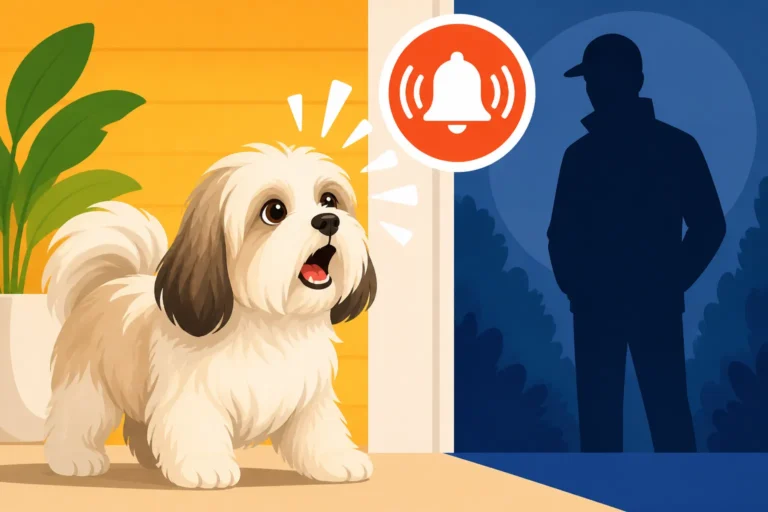
Beyond commands, general good manners are vital. Your Havanese should not jump up on people, even if excited. They should walk politely on a leash without pulling and not bark excessively. The Barking a Havanese Does at Every Sound explores their tendency to vocalize, and while a little alert bark is fine, sustained barking is not suitable for a calm facility. Many owners find structured online training programs invaluable for building this foundation. Resources like BAXTER & Bella offer comprehensive online courses that guide you through socialization and obedience from puppyhood, preparing your Havanese for polite interactions in diverse settings. This kind of systematic approach can make all the difference in creating a well-behaved therapy candidate.
Advanced Socialization and Desensitization
This is perhaps the most critical component for a potential therapy dog. Your Havanese needs extensive and positive exposure to a wide range of people, sights, sounds, and smells. Think beyond the usual park visit. Can your dog calmly interact with:
- People of all ages and appearances: Including those in wheelchairs, using walkers, crutches, or oxygen tanks. Residents might have different gaits, vocalizations, or physical limitations.
- Unusual sounds: Alarms, intercom announcements, medical equipment beeps, and unexpected loud noises.
- Different types of handling: Being petted awkwardly, having their tail accidentally stepped on, or being hugged by someone who might not know how to interact gently with a dog.
- Strong smells: Medications, cleaning supplies, different foods, and body odors that might be present in a care facility.
You can practice at home by simulating scenarios, having friends or family use wheelchairs or crutches, and playing recordings of typical nursing home sounds. Slowly and positively introduce these elements, using high-value treats and praise to create positive associations. Enrolling in a formal therapy dog preparation class or working towards a Canine Good Citizen title can provide structured opportunities for this kind of advanced socialization. Whether a Havanese Earns a Canine Good Citizen Title discusses how these programs can benefit your dog's readiness.
Grooming Tolerance and Hygiene
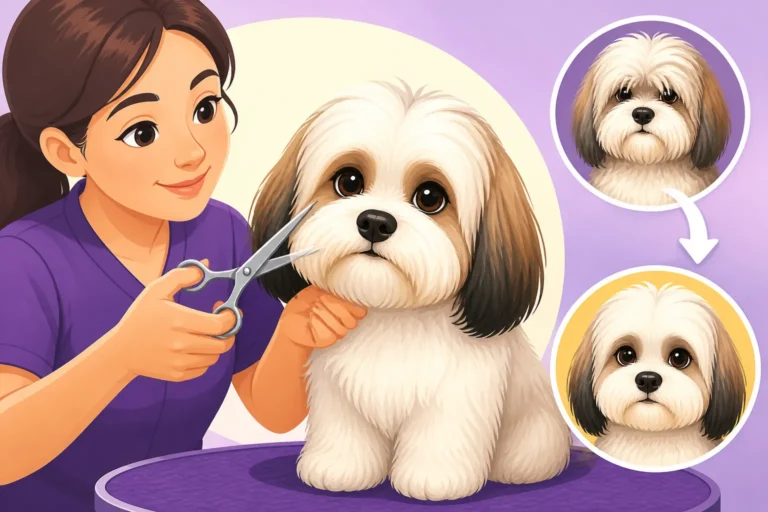
A Havanese, with its abundant coat, requires consistent grooming, and this is even more important for a therapy dog. Your Havanese must be completely comfortable with being brushed, having its feet handled, and ears cleaned, as these tasks will become part of the pre-visit routine. You’ll want your dog to be freshly bathed and brushed before each visit to ensure cleanliness and minimize allergens.
Residents might want to touch their soft fur, and you want to present a clean, pleasant-smelling dog. Teaching your Havanese to accept grooming from a young age is key. Teaching a Havanese to Lie Still for Grooming offers guidance on this. Using specific grooming tools, perhaps purchased from a wide selection on Amazon, can make the process easier and more comfortable for your Havanese. Beyond aesthetics, keeping their nails trimmed short is vital to prevent accidental scratches on frail skin. Their ears should be clean and free of excessive hair to prevent infections, as explored in Whether a Havanese Gets Ear Infections. Regular veterinary check-ups are also crucial to ensure your Havanese is healthy, up-to-date on vaccinations, and parasite-free.
Practical Considerations for Successful Visits
Beyond your Havanese's natural abilities and trained skills, there are many practical elements you'll need to navigate when planning nursing home visits. These considerations are vital for the safety, comfort, and positive experience of both your dog and the residents.
Understanding Facility Protocols and Rules
Every nursing home or assisted living facility will have its own specific policies regarding pet visitation. You absolutely must inquire about these before your first visit. These protocols often cover:
- Health and vaccination requirements: Proof of current vaccinations (rabies, distemper, parvovirus, etc.), a negative fecal test, and sometimes even a clean bill of health from a vet within a certain timeframe.
- Behavioral certification: Many facilities require your dog to be certified by a recognized therapy animal organization (e.g., Therapy Dogs International, Pet Partners). This typically involves an evaluation of your dog's temperament and your handling skills.
- Designated visiting areas and times: Some facilities have specific common areas or quiet rooms for visits, while others might allow room-to-room visits. They may also have preferred visiting hours to avoid disrupting meals or activities.
- Hygiene guidelines: This might include specific hand sanitization protocols for visitors and residents before and after interacting with your dog, or rules about keeping your dog off beds.
- Allergy considerations: They will likely need to know if your dog is considered hypoallergenic or if there are any specific breeds that could trigger severe allergies in residents.
- The presence of other animals: Are there resident pets? How will your Havanese interact with them? A Havanese Meeting the Dog You Already Have can offer insights into their general sociability.
Respecting these rules is paramount to ensuring your visits are welcome and continue without issue. Always be prepared to provide documentation and follow staff instructions to the letter.
Managing Interactions with Residents
Nursing home residents come from all walks of life and will have varying cognitive and physical abilities. Your role as the handler is to facilitate positive interactions while keeping both your dog and the resident safe and comfortable.
- Observe and assess: Not every resident will want to interact with a dog. Always ask permission before approaching someone with your Havanese. Watch for signs of interest or discomfort from the resident. Some may be non-verbal, so look for eye contact, smiles, or reaching gestures.
- Supervise closely: Never leave your Havanese unattended with a resident. You need to be aware of how the resident is interacting with your dog and how your dog is responding. Some residents, particularly those with dementia, might inadvertently grab too hard, pull an ear, or offer inappropriate food. Your Havanese must be tolerant and you must be ready to gently intervene.
- Educate residents: Politely remind residents to use gentle touches, especially if they are frail or unsteady. Offer to help them pet your Havanese if they have limited mobility.
- Keep visits short and sweet: Especially at first, limit the duration of interactions with individual residents and the total time in the facility. Even the most tolerant Havanese can get tired or overstimulated. Aim for quality over quantity. This also applies to yourself; being a therapy dog handler is surprisingly mentally engaging!
The Role of the Handler: You Are Key
Your Havanese may have a wonderful temperament and excellent training, but you are the crucial link in a successful therapy dog team. You need to be:
- Observant: Constantly reading your dog’s body language for signs of stress, fatigue, or discomfort. Even subtle cues like lip-licking, yawning, or turning their head away can indicate they need a break. You also need to observe the residents for their comfort and enjoyment.
- Advocating for your dog: Don't be afraid to politely step in if a resident is handling your Havanese inappropriately or if your dog seems overwhelmed. It's your job to protect your partner.
- Patient and flexible: Nursing home environments can be unpredictable. Be prepared for changes in schedule, unexpected noises, or residents who are not receptive one day but are eager to interact the next.
- Cleanliness conscious: Always carry wipes for your dog's paws, a small towel, and waste bags. Ensure you follow all hand hygiene protocols. Your dog should be clean before you arrive. You might even find a small, soft, washable blanket from Amazon helpful to place on laps for your Havanese to rest on.
The Profound Impact of a Havanese Visit
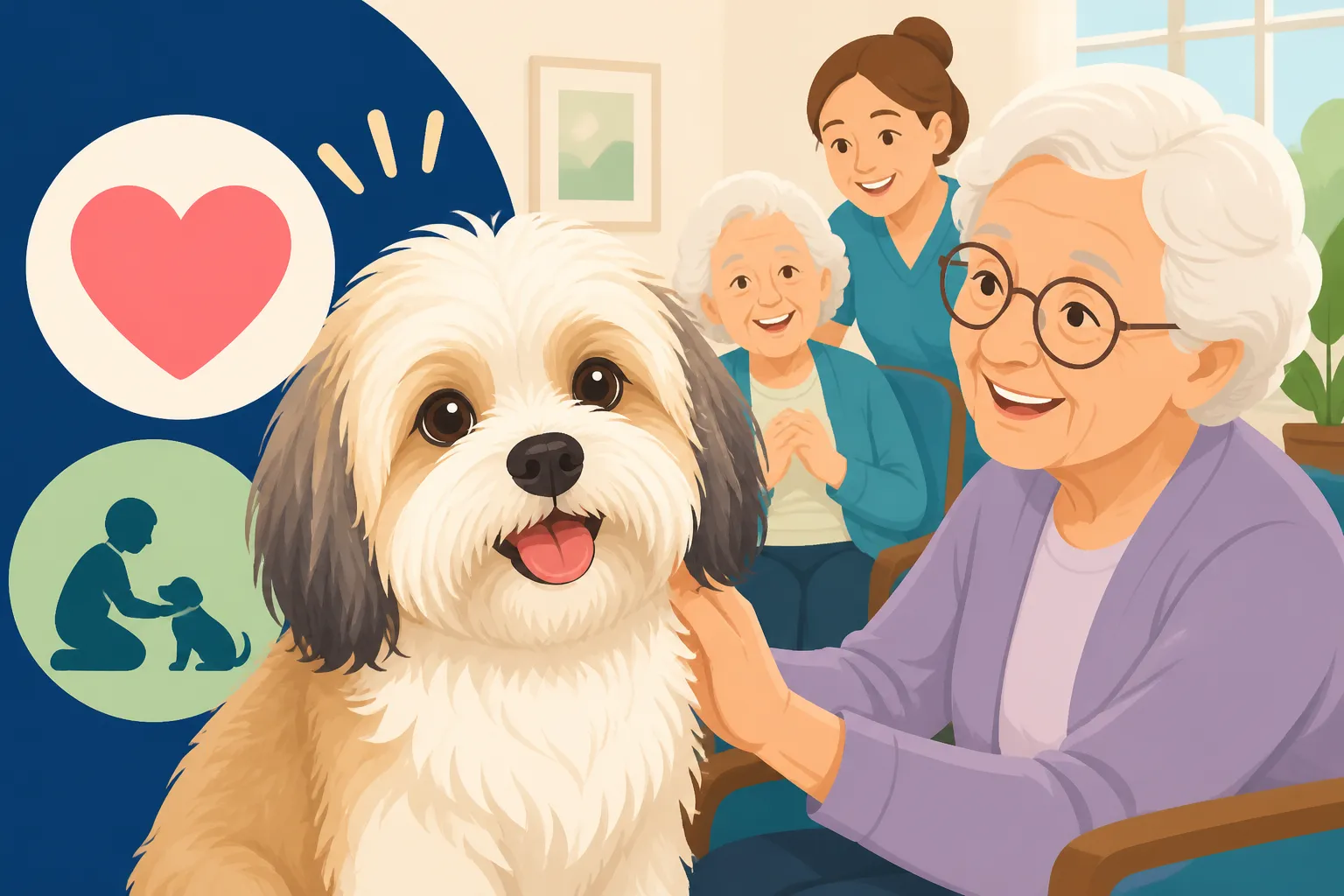
The benefits of animal-assisted therapy are well-documented, and a visit from a sweet Havanese can have a truly profound impact on nursing home residents. It’s more than just a momentary distraction; it can genuinely improve their quality of life.
Emotional and Mental Well-being
For many residents, a Havanese offers a tangible connection to the outside world and to memories of their own beloved pets. The simple act of petting a soft, warm dog can reduce feelings of loneliness, anxiety, and depression. A study might show a correlation between animal interaction and a decrease in stress hormones, coupled with an increase in feel-good hormones like oxytocin. This isn't just theory; you can see it in their eyes.
You'll witness smiles bloom on faces that might otherwise be expressionless, and hear stories of past pets or childhood homes. Your Havanese becomes a catalyst for positive emotions and conversations. Whether an Old Havanese Still Wants to Play discusses how even older dogs retain their playful spirit, and this playful, gentle energy can be contagious, sparking moments of joy and laughter that are invaluable.
Cognitive and Physical Stimulation
Interacting with a dog can offer much-needed cognitive stimulation. Residents might engage in conversation about your Havanese's name, age, or tricks. Asking them to gently toss a toy or give a treat (with your supervision, of course) can help with fine motor skills and hand-eye coordination. Even just reaching out to pet the dog can be a form of physical therapy, encouraging movement and interaction.
For residents with memory impairments, a Havanese can sometimes bypass cognitive barriers, reaching them on an emotional level that words cannot. The warmth of a dog on their lap, the gentle rhythm of petting, or the soft gaze of those expressive Havanese eyes can bring a sense of peace and comfort that is truly remarkable.
Table: Havanese Traits vs. Therapy Dog Requirements
To help visualize how the Havanese aligns with ideal therapy dog characteristics, here's a quick overview:
| Havanese Trait | Description | Therapy Dog Requirement | Alignment for Havanese |
|---|---|---|---|
| Affectionate Nature | Highly people-oriented, thrives on human companionship. | Enjoys interacting with strangers, seeks attention. | High |
| Small-to-Medium Size | Typically 7-13 lbs, easy to handle, lap-friendly. | Portable, non-intimidating, can be placed on laps. | High |
| Adaptable & Calm Indoors | Can be playful but often settles well in quiet environments. | Composed in varied settings, not easily startled. | High |
| Hypoallergenic-Friendly Coat | Soft, non-shedding, less likely to trigger allergies. | Minimal allergen impact, clean and pleasant to touch. | High |
| Intelligent & Trainable | Eager to please, quick learners. | Responds reliably to basic obedience commands. | High |
| Potential for Barking | Can be vocal, especially at new sounds. | Minimal or controlled barking. | Moderate (requires training) |
| Grooming Needs | Requires regular brushing and bathing to prevent matting. | Well-groomed, clean, and comfortable with handling. | High (requires owner commitment) |
This table highlights why a Havanese is often a fantastic choice, provided the owner commits to the necessary training and preparation.
In conclusion, a Havanese can absolutely suit nursing home visits, bringing immeasurable joy and comfort to residents. Their inherent affectionate nature, manageable size, and appealing coat make them natural candidates. However, it’s not a given; it demands a significant commitment from you, the owner, to ensure they receive extensive socialization, thorough training, and consistent grooming. By investing in these areas, perhaps even utilizing online training resources like BAXTER & Bella or practical supplies from Amazon, you and your Havanese can become an extraordinary team, making a real difference in the lives of those who need it most. Whether a Havanese Makes a Therapy Dog explores this topic further, underscoring the potential for these special dogs to spread happiness wherever they go.
Disclaimer
This article is for general informational purposes only and does not constitute professional advice. Laws, prices and regulations vary by location and change over time. Consult a qualified professional for guidance on your specific situation.