Whether a Havanese Is Ever Stubborn
If you've ever found yourself looking at your sweet Havanese, perhaps while they're firmly planted on the carpet, refusing to budge during a walk, or giving you that infamous side-eye when you ask them to do something they clearly understand but choose not to, you might wonder: is my Havanese just plain stubborn? It's a common frustration, feeling like your intelligent little companion is deliberately defying you. This guide will explore what often gets labeled as stubbornness in Havanese, offering insights into their unique temperament and providing actionable strategies to navigate these moments with understanding and success.
Understanding the Havanese Temperament and "Stubbornness"
It's easy to project human emotions and intentions onto our dogs, especially when their behavior doesn't align with our expectations. When a Havanese seems "stubborn," it's rarely about deliberate defiance or malice. Instead, it's often a blend of their inherent traits, individual personality, and how effectively we're communicating our wishes in a way they understand and are motivated by. These little companions, with their lively intelligence and strong personalities, often have very good reasons for their actions, even if those reasons aren't immediately clear to us.
What "Stubborn" Really Means for a Havanese
Calling a Havanese "stubborn" often boils down to them having their own agenda or a strong preference that clashes with ours. They're intelligent and observant, which means they learn quickly what works for them and what doesn't. If they discover that delaying a command or refusing to perform an action results in them getting their way, or simply avoids something they dislike, they'll lean into that behavior. Think of it less as defiance and more as a sophisticated form of problem-solving from their perspective. They're weighing the options: "Is doing what my human wants more rewarding than doing what I want right now?"
For instance, a Havanese might refuse to come inside from the yard because the grass feels good between their paws, or they might ignore a recall cue because chasing a butterfly is infinitely more engaging. It's not that they don't know the command; it's that the perceived reward or enjoyment of their current activity outweighs the motivation you're offering. This breed, known for its charm and intelligence, often has a playful willfulness. They aren't automatons; they have thoughts, feelings, and preferences, which can sometimes manifest as what we perceive as stubbornness.
Why We Misinterpret Their Behavior
Sometimes, what we see as stubbornness is actually a miscommunication, a lack of consistent training, or even a dog responding to an underlying discomfort. Havanese are incredibly sensitive to our tone of voice and body language. If we're inconsistent with our commands, only enforcing them sometimes, they quickly learn that "no" doesn't always mean "no." They might also be genuinely confused. Are you asking them to "sit" or to "stay"? The nuances of our language can be lost if we're not precise and clear.
Moreover, Havanese are companions by nature, thriving on interaction and positive attention. If they feel ignored or if training sessions become too tedious or punishing, they might disengage. This disengagement can easily be mistaken for stubbornness. Their desire to please is often tied to receiving positive feedback, so if the reward isn't compelling enough, or if they're being corrected harshly, they might simply "shut down." It’s important to remember that they have The Circus Dog Brain Inside a Havanese, and while they love to learn, they also love to have fun and be part of the action, not just perform on command.
Common Scenarios Where Havanese Seem Stubborn
There are certain situations where a Havanese's strong will is most likely to show itself, leading owners to believe their fluffy friend is being particularly stubborn. These scenarios often involve activities that are either less appealing to the dog or where their own desires are in direct conflict with ours.
The Battle of the Leash and the Outdoors
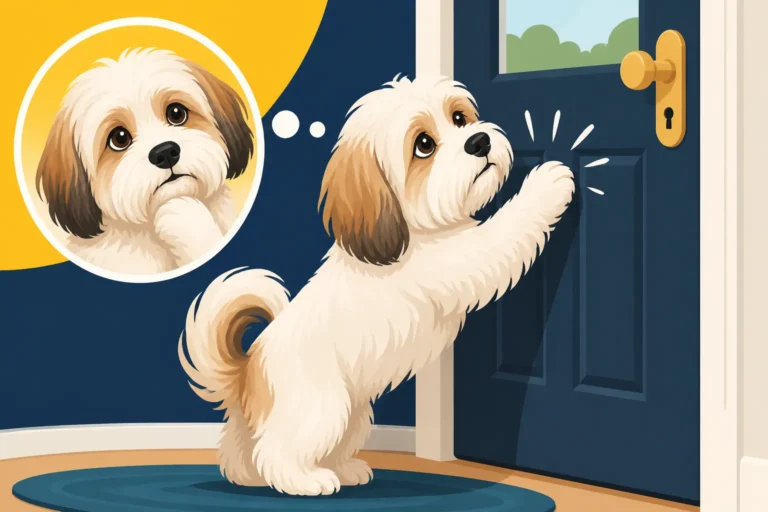
One of the most common battlegrounds for perceived stubbornness is during walks or when it's time to come inside. You clip on the leash, ready for a stroll, and your Havanese decides it's time to become a statue. Or, you call them in from the backyard, and they suddenly develop "selective hearing," preferring to explore a particularly interesting sniff. This can be incredibly frustrating, especially when you're on a tight schedule or the weather is turning. You know they know their name, and they certainly know "come"!
This behavior often stems from a few places. Firstly, the outdoor world is a sensory wonderland for a dog. The smells, sights, and sounds are far more stimulating than anything happening indoors. If your Havanese hasn't had enough mental and physical exercise, they might cling to every moment outside. Secondly, if coming inside always means the fun stops, or being left alone, they'll naturally resist. How Long a Havanese Will Train For is often quite short, and if a walk feels like a chore, they may dig in their heels.
Grooming Gauntlets and Matting Meltdowns
Ah, grooming – the bane of many a Havanese owner's existence! With their long, silky coats, regular brushing is non-negotiable, but try telling that to a Havanese who thinks the brush is a chew toy or a foreign object designed solely for torture. Many owners struggle with their Havanese wriggling, nipping, or simply refusing to lie still during brushing, bathing, or nail trims. This isn't usually an act of defiance, but often a genuine dislike or fear of the process, particularly if it's uncomfortable or has been made unpleasant in the past.
A puppy not properly introduced to grooming tools and routines can quickly develop an aversion. If brushing catches on a mat or a nail trim accidentally nips the quick, a negative association is formed. Their perceived "stubbornness" is actually self-preservation or an expression of discomfort. It's crucial to make grooming a positive, gentle experience from day one. If you're struggling, resources like the BAXTER & Bella online puppy school often have modules on desensitizing dogs to grooming, making it a much smoother experience for everyone involved. For specific tips on dealing with resistance, you might find insight in Whether a Havanese Fights a Brush.
The "Selective Hearing" of Potty Training
Housetraining can feel like an endless battle of wills, especially in cold or wet weather. Many Havanese will suddenly become "deaf" to your calls to go outside when it's raining, or they'll dart back inside immediately after a quick dash, only to have an accident on your rug five minutes later. This isn't necessarily stubbornness but can be a strong aversion to uncomfortable weather conditions, or a lack of understanding that they must relieve themselves every time they go out.
Some Havanese simply don't like getting their paws wet or feeling cold. They'll hold it in as long as possible, preferring the comfort of indoors. It can also be a matter of routine and association; if they're not fully understanding that outdoors is always for potty, they might not feel the urgency. Patience and consistency are key here, along with making outdoor potty breaks as pleasant as possible, even if it means a quick umbrella escort for you both. Check out How Long a Havanese Puppy Takes to Be Clean for more on the timeline of housetraining.
Effective Strategies for Nurturing Cooperation
Rather than trying to "break" a Havanese's stubborn streak, the most effective approach is to understand its roots and adapt your methods. These intelligent little dogs respond best to positive reinforcement, clear communication, and a strong, trusting bond with their human.
Positive Reinforcement: The Havanese Language
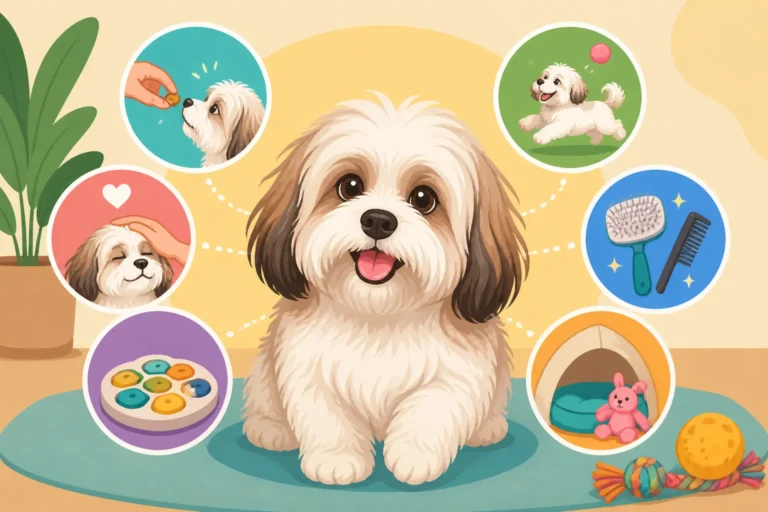
The Havanese is a breed that thrives on praise, treats, and joyful interaction. If your dog isn't doing what you ask, the first question to ask yourself is: "What's in it for them?" Using high-value treats (think tiny pieces of cheese, cooked chicken, or special training treats) can be a game-changer. These rewards should be irresistible, something they rarely get otherwise. When your Havanese performs the desired action, even a tiny step in the right direction, reward them immediately and enthusiastically. This helps them connect the action with the positive outcome.
Remember, Whether a Havanese Works for Food or Praise is often a yes to both, but food can be a stronger initial motivator. Vary your rewards to keep things interesting. Sometimes it's a treat, sometimes a quick game of tug, sometimes a favorite squeaky toy found on Amazon, or just a burst of happy verbal praise. The goal is to make obeying your command more rewarding than their "stubborn" alternative.
Consistency and Routine: Their Comfort Zone
Havanese are creatures of habit, and they thrive on predictability. Inconsistency from you can be perceived as confusion or an opportunity to test boundaries. If "sit" means "sit" every single time, with every family member, in every situation, your Havanese will learn that quickly. If sometimes they get away with not sitting, they learn they don't always have to. Establish a clear routine for feeding, potty breaks, walks, and training sessions.
This consistency extends to your commands. Use the same words, the same hand signals, and the same expectations every time. Enroll in a well-structured online program like BAXTER & Bella, which provides a comprehensive, step-by-step curriculum that promotes consistency for both you and your puppy. This helps eliminate confusion and reinforces what you expect, making those moments of "stubbornness" much less frequent. Whether a Havanese Needs a Professional Trainer might be a consideration for particularly challenging cases, but consistent home training often solves most issues.
Making Training Fun and Engaging
Havanese are known for their playful, outgoing personalities. They bore easily with repetitive drills. Keep training sessions short, upbeat, and fun. Think of them as games rather than chores. Five to ten minutes of focused training, several times a day, is far more effective than one long, tedious session. Whether Short Sessions Suit a Havanese is definitely true for this breed! Incorporate tricks, puzzle toys, and interactive games into your daily routine.
If your Havanese seems "stubborn" during a training session, it might just mean they're bored or tired. End the session on a positive note, even if it's for a simple command they always get right, and try again later. Their intelligence means they love to learn, but they want it to be engaging. Many Havanese even enjoy performing, so if you make it a delightful experience, they'll be eager to show off their skills. Consider exploring activities like those mentioned in Teaching a Havanese Tricks It Will Perform All Day to keep them mentally stimulated.
When It's More Than Just Stubbornness
Sometimes, what we interpret as stubbornness or naughtiness is actually a symptom of an underlying issue. Before labeling your Havanese as "stubborn," it's always wise to rule out other possibilities.
Health Concerns Mimicking Resistance
A sudden onset of "stubbornness" or a refusal to perform tasks they once did willingly could be a sign of pain or discomfort. A Havanese might refuse to go on a walk because their joints are aching, or resist being handled for grooming because they have a tender spot. For instance, The Kneecaps a Havanese Slips (luxating patellas) can cause discomfort, making them reluctant to jump or even walk properly, which could be mistaken for defiance. Similarly, dental pain from issues like Dental Crowding in a Havanese Mouth could make them grumpy during face handling or less eager to chew on toys.
If your Havanese suddenly changes their behavior, becoming more withdrawn, less energetic, or resisting touch, a vet visit is always recommended. They can identify any underlying medical conditions that might be contributing to the behavioral change. It's easy to assume they're just being difficult, but a good owner always checks for physical causes first.
Anxiety and Emotional Needs
Havanese are deeply attached to their families and can be prone to separation anxiety if not properly socialized and trained to be alone. A dog with anxiety might exhibit behaviors that seem stubborn, like destructive chewing when left alone, excessive barking, or even accidents indoors, despite being housetrained. These aren't acts of defiance but desperate attempts to cope with stress. Signs a Havanese Has Separation Anxiety can include frantic greetings, shadowing you, or vocalizing excessively when you prepare to leave.
Ensuring your Havanese feels secure and loved is paramount. Provide them with a safe, comfortable space, use calming aids if necessary, and work on gradually increasing their tolerance to being alone. A second dog can sometimes help, but often proper training and desensitization are key. For example, if your Havanese barks excessively, which some owners might perceive as stubborn refusal to be quiet, it could be rooted in anxiety or a need for attention. You may want to read Whether a Havanese Barks at Every Noise for further insights.
Age-Related Changes
As Havanese age, their physical and cognitive abilities can decline, leading to behaviors that might be mistaken for stubbornness. An older Havanese might seem to ignore commands because their hearing is starting to fade. They might have accidents indoors because their bladder control isn't what it used to be, or they might resist walks due to arthritis. Arthritis in a Havanese at Twelve is a common concern that can significantly impact their willingness to move.
Understanding the natural aging process is important. An older Havanese might also experience cognitive dysfunction, where they become disoriented, confused, or forget commands they once knew perfectly. Whether an Old Havanese Gets Confused delves into this. Adjust your expectations, make accommodations (like shorter walks, more frequent potty breaks, or ramps for furniture), and continue to offer love and gentle guidance. What appears to be stubbornness might simply be the effects of time.
Here's a quick reference to differentiate between stubbornness and other factors:
| Behavior Appears As "Stubbornness" | Underlying Cause Might Be… | Recommended Action |
|---|---|---|
| Refusing a command | Lack of motivation, distraction | Increase reward value, reduce distractions, shorten sessions |
| Not coming when called | More appealing activity, poor recall training | High-value treats, consistent practice, long line training |
| Resisting grooming | Discomfort, fear, negative association | Desensitize, counter-condition, positive reinforcement |
| Potty accidents indoors | Weather aversion, incomplete training | Consistent schedule, sheltered potty area, vet check |
| Destructive chewing/barking alone | Separation anxiety | Gradual desensitization, secure environment, professional help |
| Reluctance to move | Pain, joint issues, fatigue | Vet check, pain management, shorter/gentler exercise |
| "Forgetting" commands | Hearing loss, cognitive decline | Vet check, hand signals, simplified routine |
In conclusion, while a Havanese might appear "stubborn" from time to time, it's rarely because they are deliberately trying to make your life difficult. More often, it's a call for clearer communication, more compelling motivation, or a signal that something deeper is at play. By approaching these moments with empathy, patience, and a willingness to understand their perspective, you can strengthen your bond and ensure a harmonious relationship with your charming Havanese companion.
Disclaimer
This article is for general informational purposes only and does not constitute professional advice. Laws, prices and regulations vary by location and change over time. Consult a qualified professional for guidance on your specific situation.