Whether a Havanese Lives Normally After Shunt Surgery
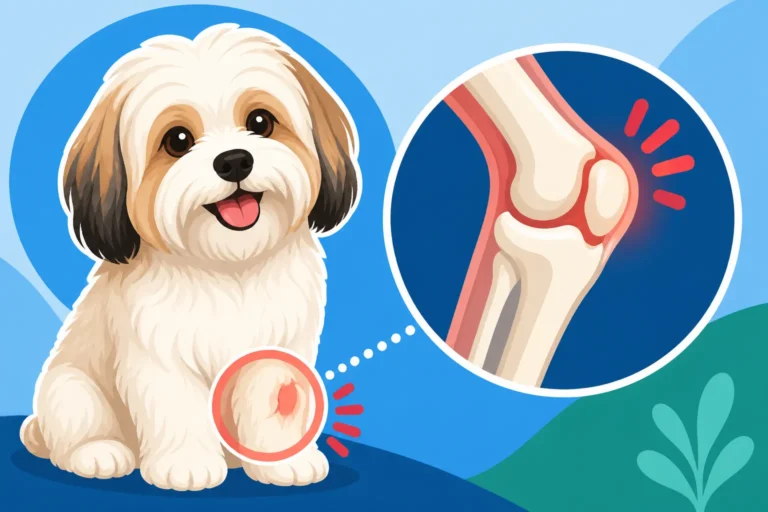
When your sweet Havanese puppy receives a diagnosis of a liver shunt, it’s completely natural for your mind to race, filled with questions and worries about their future. You’re likely wondering if they'll ever truly be a "normal" dog, full of the bounce and mischief Havanese are known for, or if this condition means a lifetime of health struggles. This guide is here to walk you through what to expect after shunt surgery, offering realistic insights into the recovery process and the wonderful, fulfilling lives many Havanese go on to live.
Understanding Portosystemic Shunts in Havanese
A portosystemic shunt, often just called a liver shunt, is a pretty scary-sounding condition, and for good reason. It’s a serious congenital defect that can severely impact a Havanese puppy's health and development. Understanding what it is and how it’s diagnosed is the first step toward getting your furry friend the help they need.
What Exactly is a Liver Shunt?
Imagine your Havanese’s body as a bustling city, and the liver is like a major processing plant, filtering out all the toxins and waste products from the blood before they reach the rest of the body. In a dog with a portosystemic shunt, there’s an abnormal blood vessel that bypasses this crucial filter. Instead of blood from the digestive system flowing through the liver to be detoxified, it gets shunted directly into the general circulation, carrying harmful toxins like ammonia and other waste products straight to the brain and other organs. This is literally what a congenital liver shunt does to a Havanese.
These toxins can cause a whole host of problems. You might notice your Havanese puppy acting strangely, perhaps a bit disoriented, circling, or even having seizures. Sometimes, they just seem lethargic or have poor growth, appearing smaller than their littermates. Their digestive system can also be affected, leading to vomiting or diarrhea. It’s a tricky condition because the symptoms can be vague, but they all point back to that essential liver function being compromised. Without intervention, these toxins can lead to severe neurological damage and significantly shorten a dog's lifespan.
Diagnosing a Shunt in Your Havanese Puppy
Spotting the signs a Havanese puppy has a shunt early on is absolutely critical. The sooner you catch it, the better the prognosis. Often, the first indicator might be a general "failure to thrive" – the puppy just isn't growing or developing as expected. Your vet might notice this during routine check-ups, or you might bring it to their attention because something just feels "off" with your little one.
The diagnostic process usually starts with blood tests. A key one is a bile acid test. This simple test helps determine if the liver is functioning correctly by measuring bile acid levels before and after a meal. Elevated levels can strongly suggest a shunt or other liver disease. To definitively confirm a shunt and pinpoint its exact location, your vet will likely recommend advanced imaging. An ultrasound can often visualize the abnormal vessel, but a CT angiography is often the gold standard. This specialized scan provides a detailed 3D map of the blood vessels, allowing the surgical team to plan the best course of action. Receiving this diagnosis can be incredibly upsetting, but remember, it’s also the first step towards a solution.
The Surgical Intervention for Havanese Shunts
For many Havanese with a liver shunt, surgery offers the best chance at a normal, healthy life. It’s a significant procedure, but the benefits often far outweigh the risks. Let's delve into what that looks like.
Types of Surgical Procedures
The primary goal of shunt surgery is to close off or significantly reduce blood flow through that abnormal vessel, forcing the blood to go through the liver as it should. There are a few different techniques your veterinary surgeon might use, depending on the specific type and location of the shunt. One common method is ligation, where the shunt vessel is simply tied off. However, completely ligating a shunt in one go can sometimes lead to a dangerous surge of blood flow and pressure in the liver, so it's not always possible.
More often, especially with complex shunts, surgeons employ devices designed for gradual closure. Ameroid constrictors are small, ring-like devices made of casein, which absorbs fluid from the body and slowly swells over several weeks, gradually compressing and closing the shunt. Another popular method is cellophane banding, where a piece of cellophane is wrapped around the shunt vessel. The body's inflammatory response causes scar tissue to form around the cellophane, gradually closing the shunt over months. This gradual closure allows the liver time to adapt to the increased blood flow. These methods have revolutionized the success rate of shunt surgery, making it possible for many Havanese with a shunt to be repaired.
Pre- and Post-Operative Care Essentials
Undergoing shunt surgery isn't just about the procedure itself; it's a journey that requires meticulous care before and after. Before surgery, your Havanese will likely need a special low-protein diet to minimize toxin production, along with medications like lactulose and antibiotics to manage symptoms and reduce ammonia levels in the blood. This pre-operative stabilization is crucial for making the surgery as safe as possible. Your vet will guide you through this, ensuring your pup is in the best possible condition for the big day.
The recovery period immediately after surgery is also critical. Your Havanese will likely spend several days in the veterinary hospital, receiving intravenous fluids, pain medication, and close monitoring. The veterinary team will watch for any complications, such as seizures or other neurological issues that can sometimes occur as the brain adjusts to the changes in blood chemistry. Once home, your role becomes paramount. You'll need to continue with dietary management, administer medications, and ensure your Havanese has a quiet, stress-free environment to heal. This period requires patience and dedication, but seeing your Havanese slowly but surely regain their health is incredibly rewarding.
Life After Shunt Surgery: Defining "Normal" for Your Havanese
This is the question that weighs heaviest on every Havanese owner's heart: will they be normal? The good news is that for many, the answer is a resounding yes! However, "normal" can mean different things for different dogs.
Factors Influencing Recovery and Long-Term Health
The prognosis for a Havanese after shunt surgery is generally very good, but several factors play a significant role in their long-term health and how "normal" their life truly becomes. Firstly, the age at diagnosis and surgery matters immensely. Younger puppies often have a better outcome because less irreversible damage has occurred to their liver and brain from prolonged toxin exposure. Catching and treating the shunt before they are six months old can make a huge difference.
Secondly, the type and severity of the shunt itself are important. Simpler, single extrahepatic shunts (outside the liver) generally have a better prognosis than complex intrahepatic shunts (inside the liver), which can be more challenging to completely close. The presence of any concurrent liver damage or other health issues can also influence recovery. Beyond the medical aspects, your commitment to diligent post-operative care, including strict adherence to dietary recommendations and medication schedules, is absolutely vital. A reputable breeder who screens their dogs for genetic predispositions to conditions like liver shunts can also improve the chances of a healthy puppy from the start, as highlighted in "The Health Tests Both Havanese Parents Should Have".
What "Normal" Really Looks Like: Expectations vs. Reality
For a significant number of Havanese, life after successful shunt surgery truly does return to a vibrant, joyful normal. We're talking about a dog who plays, eats with gusto, and shows no lingering signs of their past illness. They'll have boundless energy and the typical happy-go-lucky Havanese personality. You might even forget they ever had such a serious condition! This is often the case when the shunt is completely closed and there were no significant pre-existing complications. It's a testament to the advancements in veterinary medicine that such a complex issue can often be fully resolved.
However, for some Havanese, "normal" might look a little different. They might require ongoing dietary management, often a prescription low-protein diet, for the rest of their lives. Some might need periodic medication like lactulose to keep ammonia levels in check. While they'll be healthy and happy, these daily routines become part of their new normal. A small percentage might experience lingering neurological issues, such as occasional mild seizures or subtle behavioral quirks, even after a successful surgery, but these are often manageable with medication and don't typically diminish their overall quality of life. The joy of seeing a previously sick puppy transform into a thriving companion is immense, even with these small adjustments.
Long-Term Management and Quality of Life
Long-term management is all about keeping that liver happy and healthy, ensuring your Havanese continues to thrive. Diet is often a cornerstone of this, especially if complete shunt closure wasn't possible or if residual liver issues persist. Your vet might recommend a prescription hepatic diet, which is carefully formulated with appropriate protein levels and other nutrients to support liver function and minimize toxin buildup. For some dogs, this dietary management is key to whether diet alone manages a Havanese's shunt, or if surgery is absolutely necessary.
Medications like lactulose might be continued to acidify the colon and reduce ammonia absorption, and certain antibiotics can help decrease ammonia-producing bacteria in the gut. Regular veterinary check-ups, including blood work, will be essential to monitor liver function and ensure everything is on track. You’ll be keeping a keen eye on your Havanese for any subtle changes in behavior or appetite that could signal a problem. The goal is always to maximize their quality of life, allowing them to enjoy walks, play with toys, snuggle on the couch, and just be the loving Havanese they were always meant to be. This ongoing dedication ensures your furry family member continues to flourish years after their surgery.
Navigating the Financial and Emotional Landscape
Dealing with a liver shunt diagnosis and subsequent surgery for your Havanese is a journey that impacts you not just emotionally, but financially too. It's important to be prepared for both aspects.
The Cost of Treatment and Ongoing Care
Let's be blunt: shunt surgery for a Havanese is a significant financial undertaking. The diagnostic tests, the surgery itself (which can involve specialized equipment and expertise), and the post-operative hospitalization and medications can easily run into the thousands of dollars, sometimes even reaching five figures, depending on where you live and the complexity of the case. This is a substantial burden for any pet owner, and it’s a reality we need to acknowledge. Beyond the initial surgery, there are also the ongoing costs of special prescription diets, potential lifelong medications, and regular monitoring appointments with your veterinarian.
This is where pet insurance can be an absolute lifesaver. Companies like Healthy Paws offer comprehensive plans that can cover a significant portion of these unexpected, high-cost veterinary treatments. Having a policy in place before any symptoms arise for conditions like a liver shunt can provide immense peace of mind, knowing you can afford the best possible care for your Havanese without having to make heartbreaking financial decisions. While no one wants to think about their puppy needing major surgery, having that safety net can make all the difference in their long-term outcome.
Emotional Support for Havanese Owners
Beyond the financial strain, the emotional toll of having a Havanese puppy diagnosed with and undergoing treatment for a liver shunt is immense. You'll likely experience a rollercoaster of emotions: fear, anxiety, hope, and relief. It's completely normal to feel overwhelmed, stressed, and even heartbroken at times. Don't underestimate the impact this journey can have on you.
Leaning on your veterinary team for support and clear communication is vital. They are your partners in this. Additionally, connecting with other Havanese owners who have gone through similar experiences can be incredibly validating and helpful. Online forums, breed-specific groups, and local Havanese clubs often provide a safe space to share fears, celebrate successes, and gain practical advice. Remembering that you're not alone in this journey can make it a little less daunting. Every small step forward, every wag of your Havanese's tail, is a victory worth celebrating, and knowing that you've given them the chance at a full, healthy life is the greatest reward of all.
Here's a quick look at the typical post-surgery outlook for Havanese with liver shunts:
| Shunt Type & Severity | Surgical Outcome | Expected Quality of Life | Common Post-Op Management |
|---|---|---|---|
| Simple Extrahepatic | Excellent | Normal, active, full lifespan | Regular check-ups, possibly temporary diet |
| Complex Extrahepatic | Good to Excellent | Near normal, occasional management | Lifelong special diet, some medication |
| Intrahepatic (single) | Good | Mostly normal, requires ongoing care | Lifelong special diet & medication |
| Intrahepatic (multiple) | Fair to Good | Manageable, but may have persistent signs | Strict diet, multiple medications, close monitoring |
| Unrepaired Shunt | Poor | Significant health issues, reduced lifespan | Palliative care, medical management only |
This table provides a general overview, and individual results can vary based on many factors, including the skill of the surgical team and the owner's dedication to follow-up care.
Internal Links for Further Havanese Health Information
For more information on related topics and a deeper dive into Havanese health, consider exploring these articles:
- The Age a Havanese Shunt Shows Up
- How Common Liver Shunts Are in Havanese
- What a Congenital Liver Shunt Does to a Havanese
- The Signs a Havanese Puppy Has a Shunt
- Whether a Havanese Puppy With a Shunt Is Small
- Whether a Havanese Circles or Presses Its Head
- Whether a Havanese Seizures From a Shunt
- Whether a Havanese Reacts Badly to Anesthesia
- Whether a Havanese's Shunt Can Be Closed Surgically
- Whether a Bile Acid Test Belongs on a Havanese Puppy
- Whether Diet Alone Manages a Havanese's Shunt
- Whether a Havanese Is a Healthy Toy Breed Anyway
Disclaimer
This article is for general informational purposes only and does not constitute professional advice. Laws, prices and regulations vary by location and change over time. Consult a qualified professional for guidance on your specific situation.