Whether Diet Alone Manages a Havanese’s Shunt
When your sweet Havanese puppy receives a diagnosis of a liver shunt, it can feel like your world has been turned upside down. The immediate concern for many of us is, of course, how to help our furry family member, and often, we hope for the simplest, least invasive solution. You might wonder if a carefully managed diet could be the sole answer, a way to avoid more drastic measures. This guide aims to thoroughly explore whether diet alone is truly sufficient for managing a Havanese with a liver shunt, delving into what these diets do, their limitations, and when other interventions become absolutely crucial for your beloved companion's health.
Understanding the Havanese Liver Shunt
First, let's peel back the layers and truly understand what we're up against when a Havanese is diagnosed with a liver shunt. It's a condition that sounds complicated, but at its heart, it's about blood flow taking a detour it shouldn't.
What Exactly Is a Portosystemic Shunt?
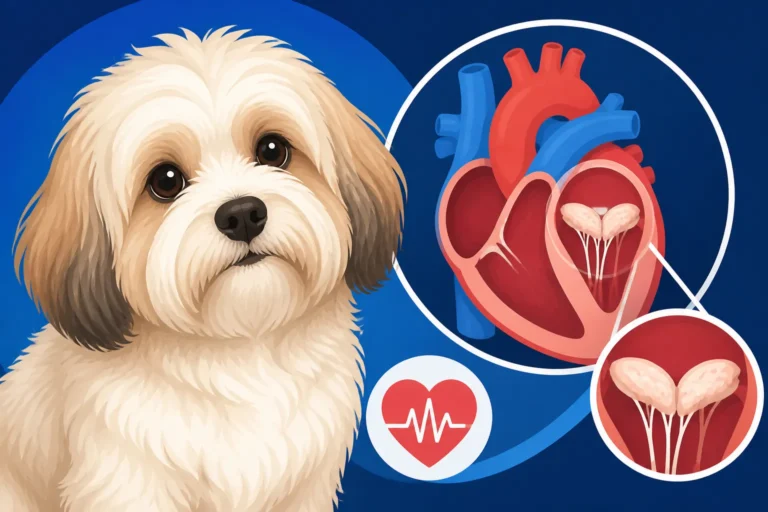
Imagine your Havanese's liver as a vital purification plant, diligently filtering out all the toxins and waste products from their blood. Now, picture an abnormal blood vessel that allows blood to bypass this purification plant entirely, sending unfiltered blood directly into the general circulation. That, in essence, is a portosystemic shunt. Instead of all the blood from the intestines—rich in nutrients but also waste products like ammonia—going through the liver to be processed, a shunt redirects it. This means the liver doesn't get the blood it needs to grow and develop properly, and harmful toxins build up in the bloodstream, affecting everything from brain function to overall growth. This condition is more common in toy breeds, and our adorable Havanese can, unfortunately, be predisposed to it. For a deeper dive into the specifics, you might find more information in our article on What a Congenital Liver Shunt Does to a Havanese.
Recognizing the Signs in Your Havanese Puppy
One of the most heartbreaking aspects of a liver shunt is that it often affects puppies, right when they should be at their most vibrant and playful. You might notice your Havanese puppy isn't growing as expected, appearing smaller than their littermates – a common sign explored further in Whether a Havanese Puppy With a Shunt Is Small. Beyond just being undersized, you might observe a range of symptoms, including lethargy, a dull demeanor, or even neurological issues. These can manifest as disorientation, circling, head-pressing against walls, or even seizures. Digestive upset like vomiting and diarrhea are also common.
These signs often start subtle and can progress as the puppy grows, typically by six months of age, as highlighted in The Age a Havanese Shunt Shows Up. Early diagnosis is absolutely critical. If you suspect anything, don't hesitate to reach out to your vet. They can perform specific tests, such as a bile acid test, which is a key diagnostic tool and detailed in Whether a Bile Acid Test Belongs on a Havanese Puppy. Catching it early can make a huge difference in management and outcome. For a comprehensive look at what to watch for, check out The Signs a Havanese Puppy Has a Shunt.
The Power and Limitations of Dietary Management
When facing a liver shunt diagnosis, diet is often the first line of defense, and for good reason. It plays a significant role in managing symptoms, but it's important to understand what it can and cannot do.
How a Specialized Diet Helps
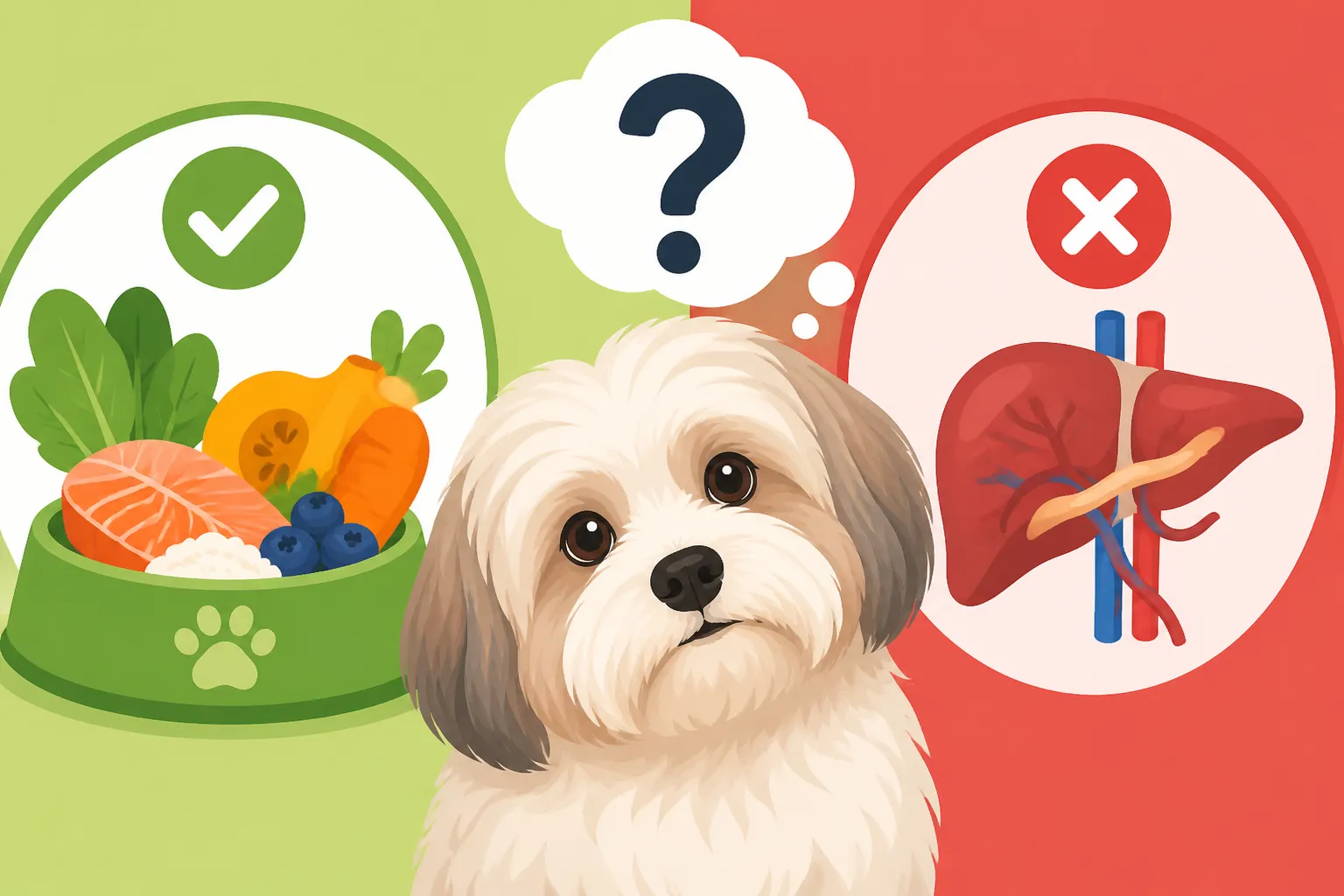
The primary goal of a specialized diet for a Havanese with a liver shunt is to reduce the workload on the liver and minimize the production of toxins, especially ammonia, which is a byproduct of protein digestion. Think of it as giving your Havanese's struggling system a much-needed break. This typically means a diet that is:
- Lower in Protein: But not just any lower protein. It's about providing highly digestible proteins, and often those from non-meat sources. Animal proteins are rich in amino acids that produce ammonia when metabolized. So, specialized diets might include proteins from dairy, soy, or vegetable sources that are easier for the liver to process and produce less ammonia.
- Rich in Soluble Fiber: Fiber isn't just for regularity; in this context, certain fibers can help trap ammonia and other toxins in the gut, preventing them from being absorbed into the bloodstream. This effectively helps usher those nasties out of the body before they can cause trouble.
- Smaller, More Frequent Meals: Instead of one or two large meals, feeding several small meals throughout the day can prevent a sudden influx of protein byproducts, which helps maintain more stable blood ammonia levels and reduces the post-meal surge that can trigger neurological symptoms.
Many veterinary therapeutic diets, like those from Purina Pro Plan Veterinary Diets (such as their Hepatic formula) or Royal Canin Veterinary Diet (Hepatic Support), are specifically formulated for dogs with liver disease. These aren't just "senior" or "light" foods; they are carefully balanced with specific protein types and levels, often with added L-carnitine and antioxidants to support liver function.
When Diet Alone Falls Short
While dietary management is a cornerstone of care, it's crucial to understand its limitations. Diet is a palliative measure, meaning it manages the symptoms and reduces the impact of the shunt. It does not fix the abnormal blood vessel itself. For some very mild shunts, or as a temporary measure before surgery, diet can be remarkably effective. However, for many Havanese, especially those with more severe shunts, diet alone simply isn't enough.
You'll know diet is falling short if:
- Your Havanese continues to show neurological signs like lethargy, disorientation, or even seizures, a concerning symptom explored in Whether a Havanese Seizures From a Shunt.
- The puppy isn't growing or gaining weight appropriately, despite consistent feeding of the special diet.
- Blood tests continue to show high ammonia levels or other indicators of significant liver dysfunction.
In these scenarios, relying solely on diet can delay necessary interventions, potentially leading to irreversible damage or a compromised quality of life for your Havanese. It’s a bit like trying to patch a leaky boat with duct tape when what it really needs is a proper repair in dry dock.
Integrating Diet with Other Treatment Options
For many Havanese with a liver shunt, a multi-pronged approach combining diet with medication and sometimes surgery offers the best chance at a long, healthy life.
Medication as a Critical Partner
When diet needs a helping hand, medication steps in as a vital partner. These aren't just add-ons; they are often essential for controlling the symptoms that diet alone cannot.
- Lactulose: This is a fantastic medication for shunt patients. It's a synthetic sugar that isn't absorbed by the body. Instead, it works in two ways in the colon: it acidifies the colon, which traps ammonia, converting it into a form that can't be absorbed back into the bloodstream. Secondly, it acts as a mild laxative, encouraging more frequent bowel movements, which helps excrete these trapped toxins from the body. You’ll typically administer it orally, and while it might take a bit for your Havanese to get used to the taste, it's incredibly effective.
- Antibiotics: Certain antibiotics are prescribed to reduce the amount of ammonia-producing bacteria in the gut. By targeting these bacteria, antibiotics further decrease the overall ammonia load that the liver has to contend with, minimizing the risk of hepatic encephalopathy (neurological symptoms caused by toxins).
- Anti-seizure Medications: If your Havanese experiences seizures due to the shunt, your vet might also prescribe anti-seizure medications to manage these episodes, giving you some peace of mind.
It's important to remember that these medications work with the diet, not as a replacement. They enhance the liver-supportive effects of the specialized food, providing a more robust management strategy for your Havanese.
Surgical Intervention: The Gold Standard
For most Havanese diagnosed with a portosystemic shunt, surgical correction is considered the "gold standard" of treatment. While diet and medication manage symptoms, surgery aims to fix the underlying problem: the abnormal blood vessel.
The most common surgical procedure is shunt ligation, where the surgeon carefully ties off the aberrant vessel. This redirects blood flow through the liver, allowing it to process toxins and develop properly. The outcomes can be truly remarkable. Many Havanese who undergo successful surgery go on to live normal, healthy lives with little to no further dietary or medical management. Our article Whether a Havanese Shunt Can Be Repaired provides more insight into the surgical feasibility.
However, surgery isn't without its considerations. Anesthesia can be riskier for small breeds like Havanese, especially those with compromised liver function, a topic explored in Whether Anesthesia Is Riskier on a Small Havanese. There's also a recovery period and potential for post-surgical complications. Despite these, for many, the potential for a cure and a vastly improved quality of life outweighs the risks. You might be relieved to know that many Havanese do indeed thrive post-surgery, as detailed in Whether a Havanese Lives Normally After Shunt Surgery.
Here's a quick comparison of the different management strategies:
| Management Strategy | Primary Goal | Effectiveness | Long-Term Viability | Considerations |
|---|---|---|---|---|
| Diet Alone | Symptom control, toxin reduction | Variable, often palliative | Limited for severe shunts | Requires strict adherence, not curative, close monitoring |
| Diet + Medication | Enhanced toxin reduction, symptom management | Good for mild cases, pre-surgical stabilization | Can be long-term for some, not curative | Daily medication, careful dosage, regular monitoring |
| Surgery + Diet/Medication (initially) | Curative (shunt closure), toxin reduction | Excellent, often resolves symptoms | Best long-term prognosis, often no ongoing special care | Anesthesia risk, post-op care, cost, potential for complications |
Living with a Havanese Liver Shunt: Long-Term Outlook
No matter the chosen path, managing a Havanese with a liver shunt is a long-term commitment that requires diligence, regular veterinary care, and an understanding of how your dog's needs will evolve.
Regular Monitoring and Adjustments
Whether your Havanese is managed medically or surgically, regular veterinary check-ups are absolutely non-negotiable. This isn't a "set it and forget it" situation. Your vet will want to perform periodic blood tests, including bile acid tests and ammonia levels, to monitor liver function and ensure that toxins are being controlled. These tests help determine if the current dietary and medication regimen is still effective or if adjustments are needed.
For those managed without surgery, their dietary needs may shift over time. As their liver disease progresses or if they have growth spurts, the type and amount of protein may need fine-tuning. For surgically corrected dogs, initial dietary restrictions and medications will typically be tapered off under veterinary guidance. The commitment to this consistent monitoring is paramount to ensuring your Havanese maintains the best possible health.
The Cost and Commitment of Management
Let's be realistic: managing a Havanese with a liver shunt, whether through diet and medication or via surgery, involves a significant financial and emotional commitment. Specialized prescription diets can be more expensive than regular kibble, and medications like lactulose and antibiotics add up. Regular vet visits, blood tests, and potentially specialist consultations are also ongoing expenses. You might find a more detailed breakdown of these costs in articles such as What Shunt Surgery Costs a Havanese Owner and What a Bile Acid Test Costs on a Havanese Puppy.
This is where having good pet insurance can be a game-changer. Companies like Healthy Paws, for example, often cover eligible conditions like liver shunts, especially if diagnosed after the policy's waiting period, helping to ease the financial burden of unexpected illnesses and potential surgeries. It's always wise to research pet insurance options early in your Havanese's life, as pre-existing conditions are typically not covered. Beyond the money, there's the daily dedication: administering meds, preparing specific meals, closely observing your Havanese for any subtle changes in behavior or health. It's a labor of love, but it's important to go into it with open eyes and a full heart, knowing the journey ahead.
Disclaimer
The information provided in this article is for general informational purposes only and is not a substitute for professional veterinary advice, diagnosis, or treatment. Always seek the advice of your veterinarian or other qualified animal health provider with any questions you may have regarding a medical condition.