What Havanese Are Most Often Treated For
It's a tough truth that even the most cherished members of our families can face health challenges, and our adorable Havanese are no exception. While they're generally a robust breed, like all dogs, they have their predispositions and common ailments that can lead to frequent vet visits and a lot of worry for us owners. This comprehensive guide will walk you through the most common conditions Havanese are treated for, helping you understand what to look out for, how they're diagnosed, and what treatment options might entail.
Understanding Common Havanese Health Concerns
Bringing a Havanese into your life is a joy, but it also comes with the responsibility of understanding their unique health landscape. No one wants to imagine their furry companion unwell, but being informed is truly the best defense. Knowing the typical issues can help you spot subtle signs early, ensuring your Havanese gets prompt attention and the best possible outcome.
The Inherited Predispositions
Just like certain human families might have a history of specific conditions, Havanese, as a breed, carry some genetic tendencies. This isn't to say every Havanese will develop these issues, but their genetic blueprint makes them more susceptible compared to other breeds. Responsible breeders play a crucial role here, as they diligently screen their breeding dogs for many of these inherited conditions to minimize their occurrence in puppies. For instance, reputable breeders will often screen for certain orthopedic and eye conditions that are common in Havanese lines. However, even with the best intentions and screening, genetic lottery still plays a part, and some issues can emerge unexpectedly. These predispositions are why regular vet check-ups, even when your Havanese seems perfectly healthy, are so important – they can help catch potential problems before they become serious.
Lifestyle and Environmental Factors
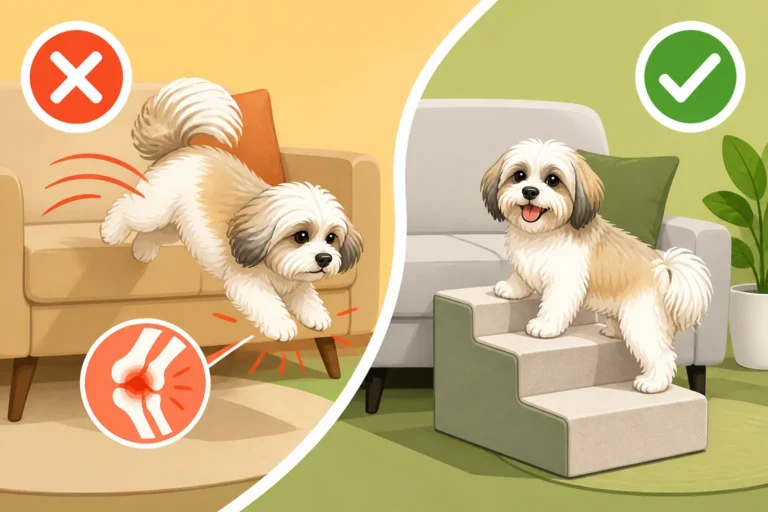
Beyond genetics, a Havanese's daily life and environment significantly influence their overall health. Their small size and unique physical characteristics mean they're impacted by things that might barely bother a larger, hardier breed. For example, their long, flowing coats, while beautiful, require diligent grooming to prevent painful matting that can lead to skin infections. Their love for jumping off furniture, while endearing, can put undue stress on their delicate joints.
Diet, exercise, and even the type of flooring in your home can contribute to or mitigate common issues. A balanced, high-quality diet appropriate for a small breed can support joint health and prevent obesity, which exacerbates many conditions. Regular, moderate exercise keeps them fit without over-stressing their small bodies. Even simple things like providing pet steps for the couch or bed can protect their knees and hips in the long run. Understanding these everyday factors helps you proactively care for your Havanese, potentially reducing the frequency and severity of conditions they might be treated for.
Joint and Orthopedic Issues
Orthopedic problems are a fairly common concern for Havanese owners. Their small size and lively nature can make them prone to certain joint conditions that, while often treatable, can cause significant discomfort if left unaddressed. It's a sad reality that these conditions can spring up unexpectedly, leaving you to navigate complex medical decisions for your beloved pet.
Luxating Patella and the Slipping Kneecap
One of the most frequently treated orthopedic issues in Havanese is luxating patella, often simply called "slipping kneecaps." This condition occurs when the patella, or kneecap, dislocates or moves out of its normal groove in the thigh bone (femur). You might notice your Havanese suddenly skipping a step, holding a back leg up for a moment, or hopping, especially after intense activity. It looks alarming, and it certainly can be uncomfortable for them.
There are different grades of luxating patella, from Grade 1 (a minor, infrequent slip) to Grade 4 (a permanently dislocated kneecap). The severity determines the course of action. For lower grades, conservative management, which includes weight control, anti-inflammatory medications, and joint supplements, can sometimes suffice. However, many Havanese will eventually need surgery to correct the alignment of the kneecap. This procedure typically involves deepening the trochlear groove (where the kneecap sits) and sometimes repositioning the patellar ligament. Recovery involves rest, pain management, and often physical therapy. Understanding the nuances of diagnosing and treating this condition can be overwhelming, so it's a good idea to learn more about The Kneecaps a Havanese Slips and Grading a Havanese's Luxating Patella to be better prepared. Deciding Whether a Havanese's Kneecap Needs Operating is a conversation you'll have in depth with your veterinarian.
Legg-Calve-Perthes Disease
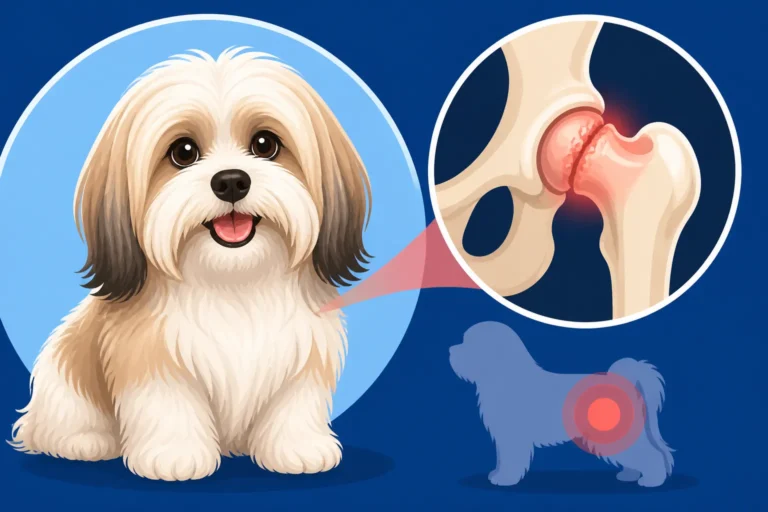
Another significant orthopedic concern, particularly in young Havanese puppies, is Legg-Calve-Perthes disease. This isn't as common as luxating patella, but it's a condition where the head of the femur (the ball part of the hip joint) degenerates due to an interruption of blood supply. The bone tissue dies, leading to collapse and deformation of the femoral head, which causes excruciating pain and lameness. It's usually seen in toy breeds between 4 and 12 months of age.
If your Havanese puppy starts showing signs of lameness, limping, or pain when moving their hip, especially if it seems to affect one back leg, it's crucial to get them examined promptly. The diagnosis typically involves X-rays. While conservative management might be attempted in very mild cases, the most effective and often recommended treatment is surgical removal of the affected femoral head, a procedure known as a femoral head ostectomy (FHO). This creates a "false joint" where scar tissue forms, allowing the dog to move without bone-on-bone pain. Recovery involves pain management and a dedicated rehabilitation program to rebuild muscle strength. If you're seeing a limping Havanese puppy, it's worth reading about Legg Calve Perthes and the Limping Havanese Puppy and How Legg Calve Perthes Starts in a Havanese, as early intervention can make a significant difference. The decision of Whether a Havanese Needs Femoral Head Surgery is often a pivotal one for owners.
Chondrodysplasia and Bowed Legs
Chondrodysplasia, often referred to as "short-legged dwarfism," is a genetic condition that affects the development of cartilage and bone. While the Havanese standard technically calls for short upper arms and legs, some lines exhibit a more pronounced form of chondrodysplasia that results in bowed legs and other skeletal abnormalities. This can sometimes be confused with the typical Havanese build, but a true chondrodysplasia can lead to discomfort or mobility issues.
Dogs with pronounced chondrodysplasia might have noticeably bowed front legs, a slightly altered gait, or even experience pain in their joints due to uneven weight distribution. While not all Havanese with shorter legs or a slight bow will be in pain, it's essential to monitor them for any signs of discomfort or difficulty moving. The condition itself doesn't have a direct "cure" in the way surgery might fix a luxating patella, but management focuses on pain relief, weight management, and sometimes joint support. Owners often worry about What Chondrodysplasia Does to a Havanese and the implications for their dog's long-term comfort. If you're concerned about your Havanese's leg structure, understanding The Chondrodysplasia That Runs in Certain Havanese Lines and being able to spot Spotting Bowed Legs in a Havanese Puppy can be very helpful.
Dental Health and Oral Care Challenges
It might not be as dramatic as a limping leg, but dental disease is incredibly prevalent in Havanese and often leads to frequent veterinary treatments. Their adorable, compact faces come with a specific set of challenges when it comes to oral health, and ignoring them can lead to much more serious systemic issues.
The Crowded Mouth of a Havanese
One of the primary reasons Havanese are so prone to dental problems stems from their small mouths. They have the same number of teeth as a much larger dog, packed into a tiny jaw. This crowding creates prime conditions for food particles and bacteria to accumulate, quickly forming plaque and then tartar. Once tartar hardens, it's impossible to remove with brushing alone and sets the stage for periodontal disease.
Periodontal disease is more than just bad breath; it's a serious infection that can lead to painful gum inflammation (gingivitis), bone loss around the teeth, and eventually, tooth loss. The bacteria from infected gums can also enter the bloodstream and travel to vital organs like the heart, kidneys, and liver, causing secondary infections and serious health problems. It's truly eye-opening to realize Dental Crowding in a Havanese Mouth can have such far-reaching consequences. This is also Why a Havanese Needs Dental Work Young, as issues often begin to manifest even in their early years.
Regular Dental Cleanings and Extractions
Given their predisposition, regular professional dental cleanings under anesthesia are not just recommended for Havanese; they're often essential for maintaining their health. Your vet will perform a thorough cleaning, scaling away tartar above and below the gum line, and polishing the teeth. They'll also assess the health of each tooth and the surrounding gum tissue. Often, retained deciduous (baby) teeth are also an issue in Havanese. These puppy teeth don't fall out when the adult teeth emerge, leading to further crowding and food traps. They typically need to be extracted under anesthesia to prevent future problems.
If periodontal disease is advanced, extractions of diseased teeth might be necessary to alleviate pain and prevent the spread of infection. While nobody wants their dog to lose teeth, removing painful, infected teeth vastly improves their quality of life. After a professional cleaning, daily home dental care, such as brushing with dog-specific toothpaste, becomes even more critical to slow down the recurrence of plaque and tartar. This proactive approach to dental care can save your Havanese from significant discomfort and prevent more severe health complications down the line. Many pet insurance plans, like those from Healthy Paws, offer coverage for unexpected dental procedures due to accidents or illness, highlighting the importance of being prepared for these common treatments.
Eye Conditions Requiring Veterinary Attention
The large, expressive eyes of a Havanese are one of their most charming features, but they are also susceptible to a range of conditions that can require veterinary treatment. From inherited diseases to common irritations, keeping their eyes healthy is a key part of their overall care.
Hereditary Cataracts and Progressive Retinal Atrophy
Two of the more serious eye conditions treated in Havanese are hereditary cataracts and Progressive Retinal Atrophy (PRA). Cataracts cause the lens of the eye to become cloudy, impairing vision. While some cataracts are age-related, hereditary cataracts can appear in younger dogs, sometimes progressing to blindness. PRA, on the other hand, is a group of genetic diseases that cause the degeneration of the retina, eventually leading to blindness. Both conditions are insidious, often progressing slowly and making it difficult to detect early changes without professional examination.
Symptoms might include bumping into objects, reluctance to navigate in dim light, or a noticeable change in the appearance of their eyes. Diagnosis typically involves a thorough ophthalmic exam by a veterinary ophthalmologist, which may include electroretinography (ERG) for PRA or slit-lamp biomicroscopy for cataracts. While there's no cure for PRA, cataracts can sometimes be treated with surgical removal and lens replacement, restoring vision. Regular eye screenings, often performed by a certified veterinary ophthalmologist, are recommended for breeding Havanese to help reduce the incidence of these conditions in future generations. It's crucial to understand The Eye Diseases a Havanese Inherits to make informed decisions for your pet's health. You might find yourself researching Hereditary Cataracts in a Havanese or Progressive Retinal Atrophy in a Havanese if your vet raises concerns.
Dry Eye and Tear Staining
Beyond serious inherited diseases, Havanese are also commonly treated for Keratoconjunctivitis Sicca (KCS), more commonly known as "dry eye." This condition results from insufficient tear production, leading to dry, irritated eyes that are more susceptible to infection and corneal damage. Signs of dry eye include a thick, mucous-like discharge, redness, squinting, and rubbing at the eyes. Treatment usually involves daily eye drops to stimulate tear production and manage inflammation, such as cyclosporine or tacrolimus, sometimes for the dog's entire life.
Another common, albeit usually less severe, concern is tear staining. While often a cosmetic issue, excessive tear staining can indicate an underlying problem, such as blocked tear ducts, allergies, or irritation. The dark reddish-brown stains are caused by porphyrins, iron-containing molecules excreted in tears. Keeping the area clean and dry is paramount. Sometimes, dietary changes or a switch in water source can help, but if the staining is severe or accompanied by other symptoms, a vet visit is in order to rule out medical causes. Learning Whether a Havanese Gets Dry Eye can equip you with knowledge to spot the signs and seek prompt treatment.
Internal Organ and Systemic Issues
While Havanese are generally quite healthy, they can unfortunately be prone to certain internal conditions that require careful monitoring and, often, extensive medical or surgical intervention. These conditions highlight the importance of thorough veterinary care, especially during puppyhood and as they age.
Portosystemic Shunts (Liver Shunts)
A significant congenital issue that Havanese puppies can be treated for is a portosystemic shunt, often called a "liver shunt." This is a birth defect where an abnormal blood vessel allows blood to bypass the liver, preventing it from being detoxified. Toxins that would normally be filtered by the liver instead circulate throughout the body, leading to a range of symptoms. Puppies with shunts might be noticeably smaller than their littermates, fail to thrive, exhibit neurological signs like circling, head pressing, disorientation, or even seizures, especially after eating. Vomiting and diarrhea are also common.
Diagnosing a liver shunt usually involves blood tests (like a bile acid test), urinalysis, and advanced imaging such as ultrasound or CT scans. Treatment can be medical, focusing on diet and medications to manage toxins, but often, surgical correction is the definitive solution. Surgery involves ligating (closing) the abnormal vessel, allowing blood to flow properly through the liver. Early diagnosis and intervention are critical for a positive outcome. It's a scary diagnosis, so understanding The Liver Shunt a Havanese Puppy Shows Before Six Months and What a Congenital Liver Shunt Does to a Havanese can help you recognize the subtle indicators. Being aware of The Signs a Havanese Puppy Has a Shunt is incredibly important for new puppy owners. Healthy Paws pet insurance could be a lifeline for owners facing the significant costs associated with diagnosing and treating complex conditions like liver shunts.
Heart Murmurs and Mitral Valve Disease
As Havanese get older, heart conditions, particularly those involving the mitral valve, become a more common concern. Many Havanese will develop a heart murmur at some point in their lives, especially as seniors. A heart murmur is an abnormal sound heard during a heartbeat, caused by turbulent blood flow. While some murmurs are benign, others indicate an underlying heart condition. Mitral Valve Disease (MVD) is a common cause of murmurs in small breeds, where the mitral valve (which separates the left atrium and left ventricle) degenerates and allows blood to leak backward.
Initially, a murmur might not cause any symptoms, but as MVD progresses, it can lead to congestive heart failure. Signs to watch for include a persistent cough, decreased exercise tolerance, lethargy, difficulty breathing, and a distended abdomen. Diagnosis involves a physical exam, chest X-rays, and often an echocardiogram (an ultrasound of the heart) to assess the severity of the valve disease and heart function. Treatment typically involves a combination of medications to manage symptoms, reduce fluid buildup, and support heart function. Regular vet check-ups are key for early detection and management. Learning about Mitral Valve Disease in an Older Havanese can prepare you for what might lie ahead, and if a murmur is detected, asking your vet Whether a Havanese Needs an Echocardiogram is a crucial next step. Similarly, understanding The Heart Murmur an Older Havanese Develops is key for senior Havanese care.
Skin, Coat, and Ear Ailments
The Havanese's magnificent coat is a defining feature, but it also brings with it a predisposition to certain skin and ear issues that frequently require veterinary attention. These conditions, while often manageable, can be a source of discomfort for your dog and frustration for you if not properly addressed.
Allergies and Dermatitis
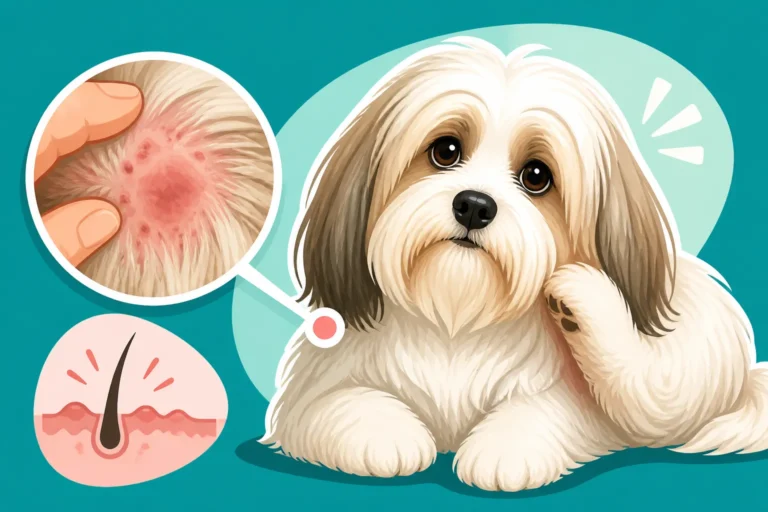
Havanese are quite prone to allergies, which often manifest as skin problems or dermatitis. Just like people, dogs can suffer from environmental allergies (atopy), food allergies, or contact allergies. Symptoms typically include intense itching, redness of the skin, hot spots, ear infections, paw licking, and sometimes hair loss. It can be heartbreaking to watch your Havanese constantly scratching and uncomfortable.
Diagnosing allergies often involves a process of elimination, blood tests, or intradermal skin tests by a veterinary dermatologist. For food allergies, a strict elimination diet trial is usually recommended. Once identified, managing allergies is often a multi-faceted approach. This can include antihistamines, steroids, anti-itch medications like Apoquel or Cytopoint, medicated shampoos, and careful diet management. Environmental allergies often require ongoing treatment, and it's about finding the right balance to keep your Havanese comfortable. Many owners frequently find their Havanese are treated for Skin Trouble Under a Havanese Coat, and trying to figure out Whether a Havanese Gets Itchy Skin due to allergies or other causes can be a long process.
Ear Infections and Hair Plucking
The long, floppy ears and copious hair growth within the ear canals of a Havanese create an environment that's unfortunately perfect for ear infections. The hair can trap moisture, dirt, and debris, leading to a build-up of wax and creating a warm, moist, dark environment where bacteria and yeast thrive. These infections can be incredibly uncomfortable, causing pain, itching, head shaking, and a foul odor from the ears.
Regular ear cleaning and maintenance are essential for prevention. Your vet can show you how to properly clean your Havanese's ears at home with an appropriate ear cleaning solution. The question of whether to pluck ear hair is often debated. Some groomers and vets recommend plucking to improve airflow and reduce wax buildup, while others argue it can cause microtraumas that lead to more infections. Discuss this with your vet to determine the best approach for your individual Havanese. When an infection does occur, treatment usually involves medicated ear drops, often containing antibiotics, antifungals, and anti-inflammatories, and sometimes oral medications in severe cases. You'll definitely want to understand Whether a Havanese Gets Ear Infections and the role Whether Hair in a Havanese's Ear Canal Causes Infection plays. Keeping on top of ear hygiene is paramount to avoiding these painful episodes.
Common Havanese Ailments: Symptoms and Treatments
| Ailment | Common Symptoms | Typical Treatments |
|---|---|---|
| Luxating Patella | Skipping, limping, holding leg up, hopping | Weight management, anti-inflammatories, joint supplements, surgical correction (e.g., sulcoplasty, tibial tuberosity transposition) |
| Legg-Calve-Perthes | Lameness, limping, pain in hip, muscle atrophy in rear leg | Pain management, rest, physical therapy, Femoral Head Ostectomy (FHO) surgery |
| Chondrodysplasia | Bowed legs, altered gait, sometimes joint pain | Pain management, anti-inflammatories, weight management, joint supplements (often lifelong management) |
| Dental Disease | Bad breath, tartar, red/bleeding gums, difficulty eating, loose teeth | Professional dental cleanings (scaling, polishing), extractions, home brushing, dental chews |
| Cataracts | Cloudy eyes, vision loss (especially in dim light), bumping into objects | Surgical removal and lens replacement (for eligible cases), vision aids, environmental adjustments |
| Progressive Retinal Atrophy (PRA) | Night blindness, gradual vision loss, dilated pupils, tapetum reflectivity | No cure; supportive care, environmental adjustments to aid navigation, vision enrichment |
| Dry Eye (KCS) | Thick eye discharge, redness, squinting, rubbing eyes, corneal clouding | Daily eye drops (cyclosporine, tacrolimus), artificial tears, tear stimulating medications |
| Portosystemic Shunt | Small size, failure to thrive, neurological signs (circling, seizures), vomiting, diarrhea | Dietary management, medications to reduce toxins, surgical ligation of the shunt |
| Mitral Valve Disease | Coughing, decreased exercise tolerance, lethargy, difficulty breathing, abdominal distension | Medications (diuretics, ACE inhibitors, pimobendan), low-sodium diet, regular cardiac monitoring |
| Allergies/Dermatitis | Intense itching, redness, hot spots, ear infections, paw licking, hair loss | Antihistamines, steroids, Apoquel, Cytopoint, medicated shampoos, elimination diet trials, immunotherapy |
| Ear Infections | Head shaking, scratching ears, redness, discharge, foul odor | Medicated ear drops (antibiotics, antifungals, anti-inflammatories), ear cleaning, sometimes oral antibiotics |
The world of Havanese health can feel like a lot to navigate, but remember, you're not alone. Your veterinarian is your best partner in ensuring your Havanese lives a long, happy, and healthy life. Being aware of these common conditions is the first step toward proactive care and quick action should any issues arise. Regular vet visits, attentive observation, and a solid understanding of your Havanese's needs are your greatest tools. While it can be daunting, knowing what to expect can help you prepare for and manage potential health challenges, allowing you to focus on the joy your Havanese brings into your life every single day. Having pet insurance, like a plan from Healthy Paws, can certainly alleviate some of the financial stress that comes with treating these more common and sometimes expensive conditions, allowing you to prioritize the best care for your furry friend.
Disclaimer
This article is for general informational purposes only and does not constitute professional advice. Laws, prices and regulations vary by location and change over time. Consult a qualified professional for guidance on your specific situation.