Whether a Havanese Sheds
One of the most common questions and, let's be honest, a source of mild panic for new Havanese owners, is whether these adorable bundles of fluff actually shed. You might have been told they're "non-shedding" or "hypoallergenic," only to find a stray hair or two, leaving you wondering if you've been misled. This guide is here to clear up that confusion, explain what you can truly expect from your Havanese's beautiful coat, and give you the tools to keep it looking its best.
Understanding the Havanese Coat: The "Hypoallergenic" Myth
It's a wonderful thought, isn't it? A dog that doesn't leave a trail of hair on your furniture, clothes, and floors. The Havanese breed often comes with the reputation of being "hypoallergenic," which is a huge draw for many families, especially those with allergy sufferers. However, this term, while well-intentioned, can be a little misleading and set owners up for some unexpected discoveries.
What Makes a Coat "Hypoallergenic"?
The idea behind a "hypoallergenic" dog isn't that they don't shed hair at all – because every dog, just like humans, loses hair. The primary culprit for most pet allergies isn't the hair itself, but rather the dander (tiny flakes of skin), saliva, and urine proteins that attach to the hair. When a dog sheds heavily, these allergens are released into the environment, becoming airborne and settling on surfaces, triggering allergic reactions.
Havanese, like many breeds with similar coats such as Poodles or Bichon Frise, are often considered "hypoallergenic" because their hair behaves differently. Instead of shedding individual hairs freely, their shed hair tends to get caught within their long, dense double coat. This means fewer allergens are dispersed into the air and around your home, making them much more tolerable for many people with allergies. It's not a complete absence of allergens, but a significant reduction in their spread. For someone suffering from pet allergies, this difference can truly be life-changing, allowing them to finally share their home with a canine companion. You can learn more about how their coat might interact with allergies in Whether a Havanese Suits an Allergy Household.
The Havanese Double Coat Explained
To really grasp why Havanese are considered low-shedding, you need to understand the unique structure of their coat. A Havanese boasts a luxurious double coat, a characteristic that differentiates it from breeds with single coats. The outer layer is long, silky, and soft, sometimes reaching the floor if allowed to grow out fully. Beneath this lies a much softer, downier undercoat. It’s this combination that creates that distinctive Havanese look and texture.
Unlike breeds with harsh, shedding outer coats and dense undercoats designed to repel water and keep them warm (think Huskies or German Shepherds), the Havanese's double coat is designed to be lighter and to hold onto shed hairs. When a Havanese naturally sheds hair, those loose strands don't fall out onto your floor but rather get tangled and trapped within the surrounding healthy coat. This is a critical point: the hair does shed, but it stays put. This is also precisely why regular grooming is not just a cosmetic choice, but an absolute necessity to prevent matting, which we'll delve into shortly. You can dive deeper into the specifics of this beautiful coat in The Silky Double Coat a Havanese Grows to the Floor.
The Truth About Havanese Shedding
So, while the term "non-shedding" might paint an ideal picture, the reality is a little more nuanced. Your Havanese will shed, but it's a very different experience than living with a heavy-shedding breed. Understanding this distinction is key to managing their coat effectively and not being caught off guard.
Minimal Shedding vs. No Shedding At All
Let's clarify: your Havanese is a minimal shedder, not a no-shedding dog. Think of it like this: if you have a dog that sheds like a Labrador, you'll find tumbleweeds of hair rolling across your floors, and your clothes will constantly be adorned with a furry layer. With a Havanese, the shed hairs are generally caught by the surrounding coat. You might occasionally find a few stray hairs on furniture or your clothes, especially after a cuddle session, but it's usually nothing like the constant barrage you'd experience with many other breeds.
The majority of the loose hair will remain intertwined within their coat until it's brushed out. This is a blessing and a curse. It means less hair floating around your home, but it also means you are responsible for actively removing that shed hair. If you neglect brushing, those trapped hairs quickly combine with new shed hairs and active coat, leading to tangles and then to dreaded mats. Mats can become very uncomfortable for your dog, pulling on their skin and potentially leading to skin infections if left unattended. This is why a Havanese's grooming needs are so significant, despite their "low-shedding" reputation.
Seasonal Shedding and Coat Changes
Even with their unique coat, Havanese aren't entirely immune to seasonal changes, though it's much less dramatic than a full "coat blow" seen in northern breeds. You might notice a slight increase in the amount of hair you brush out during spring and fall, as their bodies naturally adjust to the changing temperatures. This is usually a subtle difference, not a sudden explosion of fur.
However, there's one significant period where Havanese shedding becomes much more noticeable, and it's often a surprise for first-time owners: the "puppy uglies" or coat change. This typically occurs between 8 to 15 months of age, though it can vary. During this time, your puppy's soft, easy-to-manage puppy coat begins to transition into the more mature adult coat. This transition is a prime time for matting, as the differing textures of the puppy and adult hair intertwine and shed against each other. It's a period where diligent, daily brushing is absolutely non-negotiable. Many owners describe this phase as suddenly discovering what true matting looks like! For more details on this challenging period, check out Why a Havanese Mats at Eight Months and Not Before. Hormonal changes, such as those associated with being intact versus spayed or neutered, can also affect coat texture and shedding patterns, sometimes leading to a softer, cottonier coat that might be more prone to matting.
| Shedding Characteristic | Havanese (Low Shedding) | Typical Shedding Breed (e.g., Labrador) |
|---|---|---|
| Hair on Floors/Furniture | Minimal stray hairs, mostly trapped in coat | Significant, visible hair everywhere |
| Allergen Dispersal | Low, due to trapped dander/hair | High, allergens widely distributed |
| Daily Brushing Need | Essential to prevent matting | Helpful to reduce environmental hair |
| Seasonal Changes | Subtle increase, primarily during coat change | Dramatic "coat blows" twice a year |
| Matting Risk | High if not brushed regularly | Low, as hair falls out freely |
Managing Havanese Coat and "Shedding"
Since the Havanese's shed hair tends to stay in their coat, managing their "shedding" is really about managing their grooming. This isn't just about aesthetics; it's crucial for their comfort and health. Embracing a consistent grooming routine will be your best defense against mats and ensure your Havanese remains happy and looking splendid.
The Importance of Regular Brushing
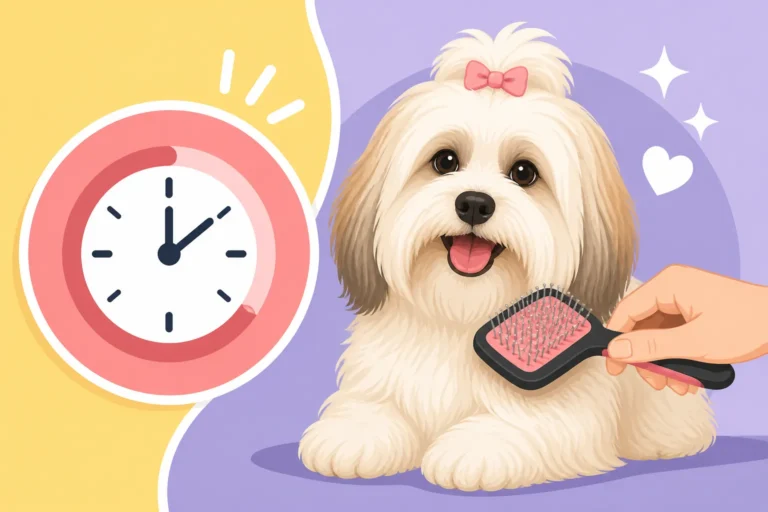
This cannot be stressed enough: regular brushing is the cornerstone of Havanese coat care. Because shed hairs get caught in their coat, without consistent removal, they will quickly form tangles that escalate into painful mats. For a Havanese, "regular" often means daily brushing, especially if they have a longer coat or are going through their puppy coat change. Even if your Havanese has a shorter "puppy cut," weekly thorough brushing is still essential. You can find detailed guidance on frequency in How Often a Havanese Must Be Brushed.
When brushing, you can't just skim the surface. You need to "line brush," which involves parting the coat and brushing in small sections, from the skin out, layer by layer. This ensures you're getting down to the root of the hair and removing all trapped shed hair and potential tangles. For your grooming arsenal, a good quality pin brush, a slicker brush, and a sturdy metal comb with both wide and narrow teeth are indispensable. You'll find a vast selection of these essential tools on sites like Chewy or Amazon, making it easy to stock up. The comb is particularly important for checking your work and finding any hidden mats close to the skin. To choose the best tools for your specific Havanese, consult Which Brush Suits a Havanese.
Bathing and Drying Practices
Bathing your Havanese helps to loosen and remove some of the trapped shed hair, making brushing after the bath more effective. The general recommendation is to bathe your Havanese every 1-3 weeks, depending on their activity level and how dirty they get. Always use a high-quality shampoo and conditioner formulated for dogs to protect their skin and coat.
However, bathing alone isn't enough, and improper drying can do more harm than good. A damp Havanese coat is a mat magnet. After rinsing, gently squeeze out excess water, then towel dry. The next critical step is to use a force dryer or a low-heat hairdryer while brushing the coat to ensure it is 100% dry, right down to the skin. Blowing the hair straight helps to separate the strands and prevents them from clumping and matting as they dry. Never let a Havanese air dry naturally after a bath, as this is almost guaranteed to result in extensive matting. If you're not comfortable with this process, a professional groomer can be an invaluable partner in maintaining your Havanese's coat, especially if you opt for a longer style. Consider the overall picture in What a Full Havanese Groom Costs.
Diet and Health's Role in Coat Health
A healthy coat starts from the inside out, and your Havanese's diet plays a significant role in the condition of their skin and fur. A high-quality diet rich in essential fatty acids (like Omega-3 and Omega-6) can contribute to a shiny, healthy coat and may even help minimize excessive shedding that could be a symptom of poor nutrition. Look for dog foods with real meat as the first ingredient and a good balance of nutrients.
If you're considering fresh food options, brands like Ollie offer customized meal plans that can provide excellent nutritional support for skin and coat health. A well-nourished Havanese will have strong, resilient hair less prone to breakage, which can contribute to less overall "shedding" in the form of broken strands. Conversely, a poor diet can lead to dull, dry, brittle hair and even skin issues that might manifest as unusual hair loss or excessive shedding beyond what is typical for the breed. For insights into their nutritional needs, including whether they might benefit from specific kibble sizes, consider Whether a Havanese Needs Small Breed Kibble.
Common Misconceptions and What to Watch For
Despite their reputation, understanding the nuances of Havanese shedding helps manage expectations and identify when something might be genuinely amiss. It's about being realistic and proactive in their care.
Why You Still See Hair Around the House
Even with diligent brushing and grooming, you're likely to find some Havanese hair around your home. Let's be real, no dog is 100% hair-free, just like no human is entirely hair-free. A few strands might get dislodged during vigorous play, after a good scratch, or simply rub off on your clothes or furniture during cuddles. Static electricity can also cause shed hairs to cling to surfaces.
This minimal presence of hair doesn't mean your Havanese is suddenly shedding like a Golden Retriever, nor does it invalidate their low-shedding status. It's just a normal part of living with a furry companion. The key difference is the quantity and frequency of the hair you find. If you're only seeing a few hairs here and there, especially around grooming times, that's perfectly normal for a Havanese. It's when you start seeing significant amounts, persistent hair on everything, or actual bald spots that you should take notice.
When Excessive Shedding Signals a Problem
While minimal shedding is normal, a sudden or excessive increase in shedding, especially accompanied by other symptoms, can be a red flag. Your Havanese's coat is often an indicator of their overall health. If you notice large clumps of hair coming out, thinning patches, dullness, dry skin, or irritation, it’s time to consult your veterinarian.
Several health issues can cause abnormal hair loss or excessive shedding in dogs, including:
- Allergies: Environmental or food allergies can lead to itchy skin, scratching, and subsequent hair loss.
- Parasites: Fleas, mites, and other external parasites can cause intense itching, leading to a dog scratching or licking themselves raw, resulting in hair loss.
- Hormonal imbalances: Conditions like hypothyroidism (underactive thyroid) or Cushing's disease can affect coat health and cause symmetrical hair loss. You can explore this further in Signs a Havanese's Thyroid Has Failed.
- Stress or anxiety: Just like humans, dogs can shed more when stressed.
- Nutritional deficiencies: As mentioned earlier, a poor diet can manifest as a poor coat.
- Skin infections: Bacterial or fungal infections can lead to inflammation and hair loss.
If you observe any changes in your Havanese's coat that seem out of the ordinary, or if they are scratching excessively, don't hesitate to reach out to your vet. Early diagnosis and treatment can prevent more serious issues and get your beloved Havanese back to their healthy, happy, well-coiffed self. For concerns about general skin issues, the article Skin Trouble Under a Havanese Coat might also offer some helpful insights.
Disclaimer
This article is for general informational purposes only and does not constitute professional advice. Laws, prices and regulations vary by location and change over time. Consult a qualified professional for guidance on your specific situation.