Whether a Topknot Pulls a Havanese’s Skin
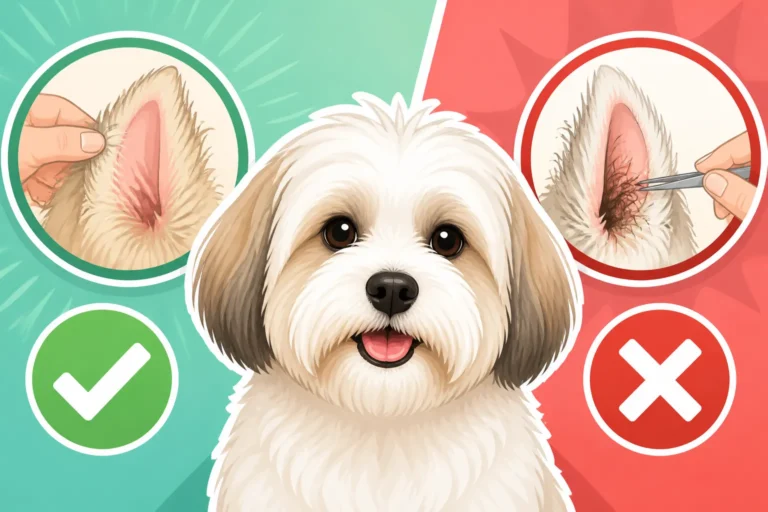
One common concern I hear from fellow Havanese parents is about those adorable topknots we often see on our furry friends. While they certainly help keep that beautiful, flowing hair out of our Havanese's eyes, there's a natural worry: could a topknot actually be pulling on their delicate skin and causing discomfort? This guide is all about diving deep into that question, understanding the nuances of the Havanese coat, and ensuring our little companions are always as comfortable as they are cute.
Understanding the Havanese Coat and Skin Sensitivity
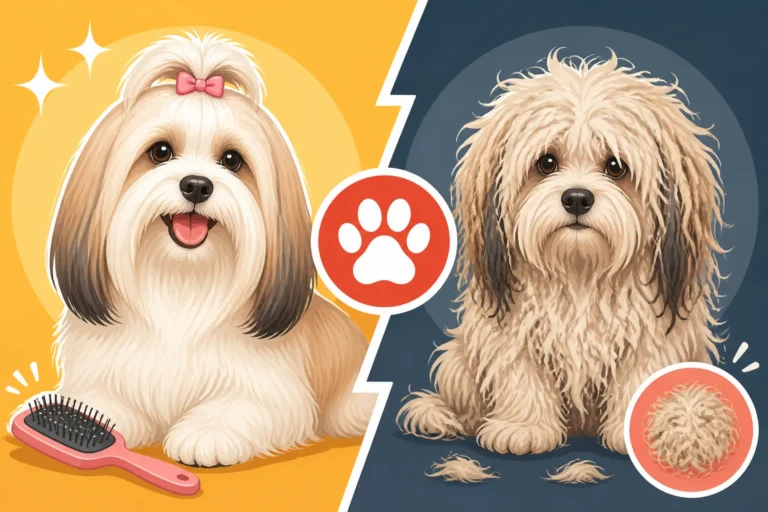
The Havanese is renowned for its magnificent, silky double coat, a true hallmark of the breed. This coat, while beautiful, is also unique and requires specific care. Unlike many other breeds with a coarser outer coat and dense undercoat, the Havanese has a fine, often wavy texture that can grow quite long, sometimes even to the floor. This luxurious hair, however, can also be a magnet for tangles and mats, especially around the face and ears.
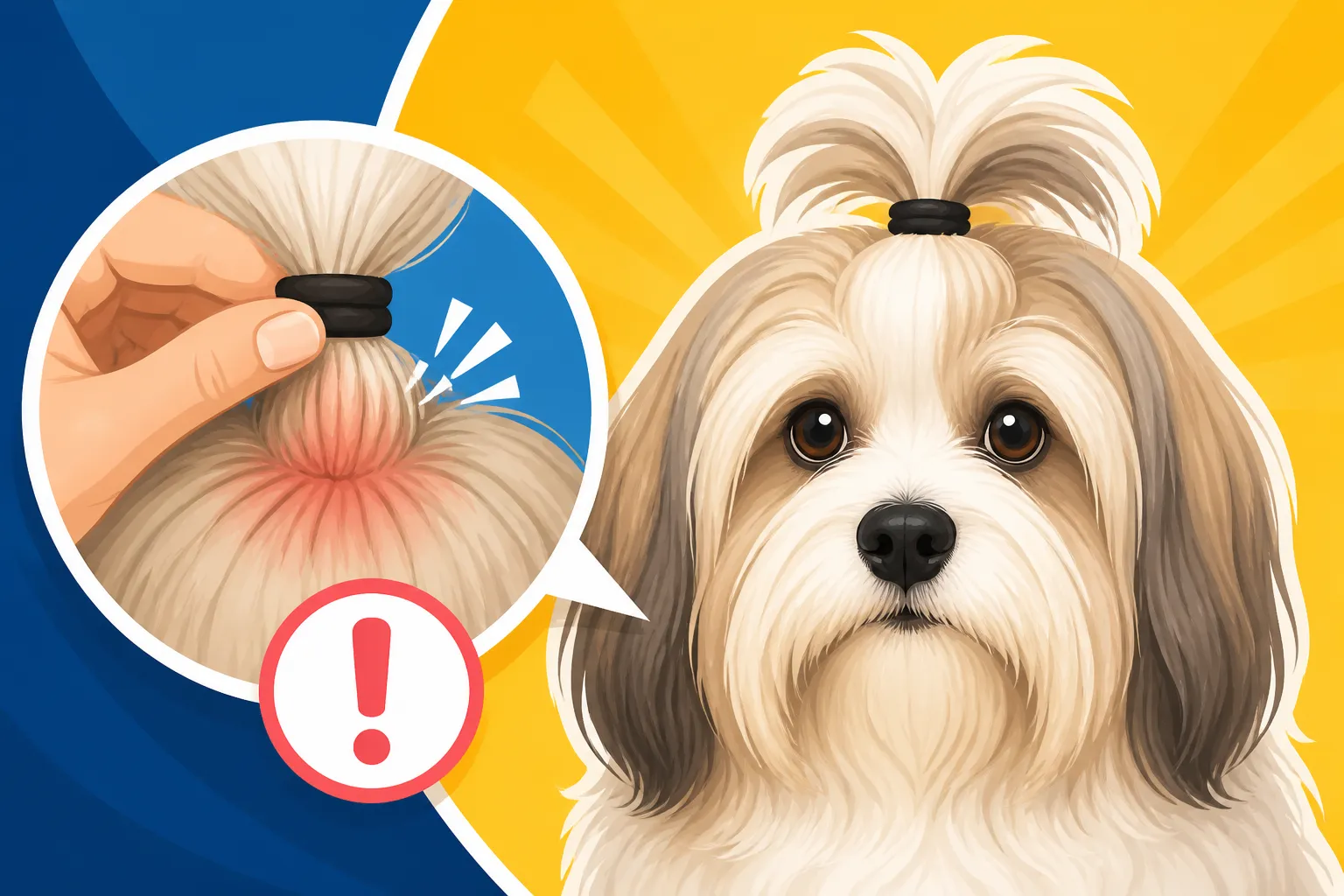
The skin underneath all that glorious hair is surprisingly delicate. Imagine having fine, silky hair that can easily knot up; that's what our Havanese experience. Their skin is prone to irritation if not properly cared for, and constant pulling or tension on the hair can transfer that stress directly to the skin, leading to redness, bumps, or even small abrasions. It's a balance: we want to keep their eyes clear and their hair tidy, but never at the expense of their comfort. Knowing this sensitivity is the first step toward responsible grooming.
The Delicate Nature of Havanese Skin
Havanese skin is quite thin and easily affected by external factors. A scratch that might barely register on a larger, thicker-skinned dog could cause noticeable irritation on a Havanese. This sensitivity means that any constant tugging or tension, even from something as seemingly innocuous as a hair band, can become problematic. Think about how a tight ponytail can give you a headache; your Havanese can experience a similar, albeit localized, discomfort.
Furthermore, some Havanese can be prone to skin allergies or sensitivities that might make them even more susceptible to irritation from anything that sits directly on their skin. Owners often spend a lot of time trying to figure out Skin Trouble Under a Havanese Coat or whether A Havanese Reacts to Its Food, and sometimes, surprisingly, the culprit can be something as simple as a grooming accessory. It's crucial to regularly check the skin under a topknot for any signs of redness, flaking, or bumps, and if you notice anything, it's time to re-evaluate your topknot technique and perhaps even the material you're using.
Hair Density and Matting Around the Face
The hair around a Havanese's face, especially between the eyes and over the forehead, is often incredibly dense and fine. This area is a prime candidate for matting, particularly if it gets damp from drinking water, eye discharge, or even just humidity. These mats, if allowed to form, will pull at the skin relentlessly. A topknot, when done correctly, serves a vital function in preventing these mats by gathering the hair and keeping it out of the way.
However, if the topknot itself is not maintained, or if a mat forms under the band, then it quickly exacerbates the problem. The constant motion of your Havanese's head, coupled with the fine hair, means that tiny tangles can quickly become tight, painful mats. This is why consistent, gentle grooming is absolutely essential. It's not just about aesthetics; it's about comfort and preventing more serious skin issues down the line. Many Havanese owners find themselves asking Why a Havanese Mats at Eight Months and Not Before, and often, the face and behind the ears are the first places they notice trouble.
The Anatomy of a Havanese Topknot and Proper Technique
A topknot for a Havanese isn't just a haphazard gathering of hair; it's a specific grooming technique designed to be both functional and comfortable. When done correctly, it should keep the hair out of their eyes without causing any pulling or discomfort. The goal is to isolate a section of hair that would naturally fall into their vision and secure it gently.
The key to a successful, pain-free topknot lies in understanding which hair to gather, how much tension to apply, and what kind of bands to use. It's about creating a little ponytail that floats comfortably above the skin, rather than tugging at it. Many owners struggle to get this right initially, often because they either don't gather enough hair, or they use the wrong type of elastic.
Selecting the Right Hair for the Topknot
The primary purpose of a Havanese topknot is to keep hair out of their eyes. Therefore, you should focus on gathering only the hair on the top of the head that naturally falls forward into their field of vision. This typically starts from a line just above the outer corners of their eyes and goes back a couple of inches towards the crown of their head. You want to create a clean, horizontal line across the forehead.
Avoid pulling hair from too far down the sides of the face or from behind the ears into the topknot. Hair pulled from these areas will create unnecessary tension and can pull on sensitive skin around the ears and temples. The goal is to isolate the "fringe" hair. It takes a bit of practice to get a neat part and gather only the necessary hair. A fine-toothed comb is your best friend here, helping you create those clean lines before securing the hair. Remember, a topknot is not a tight facelift; it's a functional accessory. You can learn more about managing this specific area in Whether Hair Should Be Kept Out of a Havanese's Eyes.
Choosing the Correct Bands and Accessories
This is perhaps the most critical factor in preventing skin pulling. You absolutely must use soft, coated elastic bands specifically designed for dog hair, or small, latex-free grooming bands. Never use human hair elastics with metal clasps or thick rubber bands. These can snag, pull, and even cut your Havanese's delicate hair, leading to breakage and painful matting.
Look for silicone or coated elastic bands that are small enough to hold a section of Havanese hair without being overly bulky, but large enough not to be overly tight. Brands like Chewy often carry a selection of these types of grooming bands. When placing the band, ensure there's a little bit of slack between the band and the scalp. You should be able to slide a fingernail easily under the band once it's secured. This ensures there's no undue tension on the skin. You might also consider decorative bows that attach to these tiny elastic bands, but always ensure the underlying elastic is correct.
| Topknot Technique | Description | Potential for Skin Pulling | Comfort Level for Havanese |
|---|---|---|---|
| Correct | Uses soft, coated elastic; gathers only hair over eyes; loose enough to slide finger under; redone daily. | Very Low | High, once accustomed |
| Incorrect | Uses human elastics/rubber bands; pulls hair from sides/ears; too tight against scalp; left in for days. | High | Low, can cause pain |
| Matting Under | Band applied over existing tangle; hair not brushed before application; leads to further matting. | High | Very Low, causes severe pain |
| Too Large/Loose | Band too big, hair falls out; offers no functional benefit; hair still gets in eyes. | Low | Moderate, still some irritation |
Preventing Skin Pulling and Discomfort
The good news is that with the right approach, a Havanese can wear a topknot comfortably and safely. It's all about diligent, gentle grooming and understanding the needs of their unique coat. Prevention is always better than cure, especially when it comes to keeping our beloved Havanese happy and pain-free.
Beyond just the topknot itself, maintaining the overall health and condition of your Havanese's coat plays a huge role. A well-conditioned, tangle-free coat will be less prone to matting and will make topknot application much easier and more comfortable. Regular brushing, quality products, and mindful handling are your best defenses.
Daily Maintenance and Gentle Handling
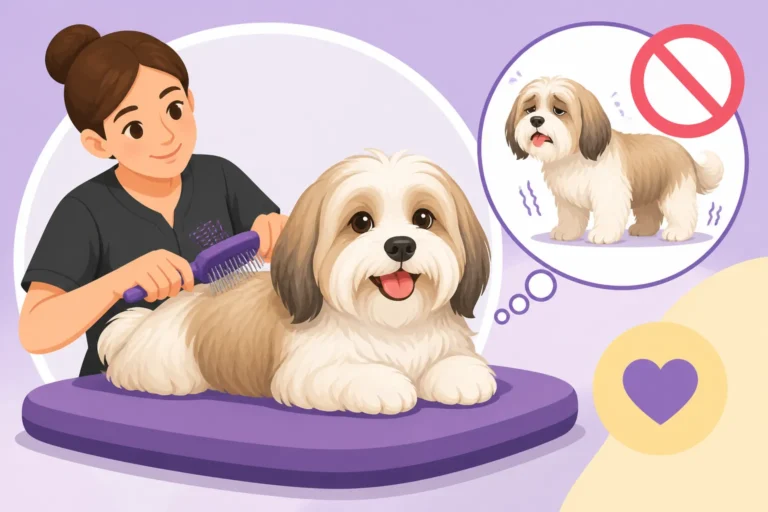
The number one rule for a comfortable topknot is daily maintenance. That means taking the topknot out every single day, brushing through the hair (including the area where the topknot was), and then reapplying it. This prevents tangles from forming under the band and allows you to check the skin for any irritation. You also want to make sure you are regularly brushing your Havanese to prevent mats everywhere else; consistency is key to How Often a Havanese Must Be Brushed.
When brushing the hair, use a slicker brush and a metal comb. Always brush before you apply the topknot. Gently hold the hair near the skin as you brush to avoid pulling, and use a detangling spray if needed. Products available on Amazon or Chewy can make this process smoother. When removing the band, either carefully snip it with grooming scissors (being extremely cautious not to cut hair or skin) or gently stretch it and slide it out. Never just yank it out. Teaching your Havanese to tolerate this routine from a young age is vital, especially Getting a Havanese Used to Brushing as a Puppy.
The Importance of Correct Band Placement and Tension
As mentioned, the band should never be tight against the scalp. There needs to be a small amount of play. To achieve this, after gathering the hair and before tightening the final loop of the elastic, pull the gathered hair gently upwards and slightly away from the head. Then, secure the band. This creates a small "bubble" of slack between the band and the skin, distributing any minimal tension evenly.
Also, be mindful of where you place the topknot. It should sit comfortably on the crown of the head, not too high on the forehead where it might interfere with facial expressions or eye movement, and not too far back on the head where it might pull on the delicate skin behind the ears. The aim is to create a functional lift, not a rigid anchor. Over time, as you gain experience, you'll develop a feel for the right amount of tension.
Signs of Discomfort and How to Address Them
Even with the best intentions and techniques, sometimes things can go wrong, or your Havanese might just be particularly sensitive. Being vigilant and knowing what to look for are crucial steps in ensuring their well-being. Our Havanese communicate their discomfort in subtle ways, and it's up to us to learn their language.
Never ignore signs of irritation, hoping they will go away. A small issue can quickly escalate into a larger problem, potentially requiring veterinary intervention. Early detection and immediate action are always best.
Behavioral and Physical Cues of Discomfort
Your Havanese can't tell you in words if their topknot is pulling, but they will show you. Look for behavioral cues:
- Paw Swiping: If your Havanese constantly tries to paw at their head, especially around the topknot, it's a huge red flag.
- Head Rubbing: Rubbing their head on furniture, the carpet, or against your legs is another sign they're trying to relieve irritation.
- Increased Scratching: More frequent scratching around the ears or temples, even if not directly at the topknot, can indicate general discomfort from tension.
- Reluctance During Grooming: If your Havanese, usually tolerant of grooming, suddenly becomes resistant or agitated when you approach their head with a brush or band, they might be anticipating pain.
Physically, visually inspect the area:
- Redness or Bumps: Carefully part the hair around where the band sits. Look for any red skin, small bumps, or inflamed hair follicles.
- Hair Loss or Breakage: Notice if the hair around the topknot area is thinning, breaking, or if there are any bald patches. This can indicate chronic tension or friction.
- Matted Hair: Check under the topknot. If matting has started to form, it will be pulling on the skin.
What to Do if You Suspect Discomfort
If you notice any of the signs above, the very first thing to do is gently remove the topknot. Don't pull it out; carefully cut the elastic if you can't slide it off. Once the band is removed, gently examine the skin and hair underneath.
- Assess the Area: Is there redness, inflammation, or any breaks in the skin? If it's just mild redness, you can try cleaning the area gently with a pet-safe soothing wipe or a damp cloth.
- Give it a Break: Allow the area to air out and heal for a few days. You might need to keep the hair clipped short around their eyes temporarily, or regularly wipe their face to keep the hair out of their vision until the skin recovers.
- Re-evaluate Your Technique: When you reintroduce the topknot, go back to basics. Ensure you're using the right kind of band, gathering only the necessary hair, and leaving sufficient slack. You might also want to try a different type of band or even a different brand, like experimenting with options from Chewy or other pet supply stores.
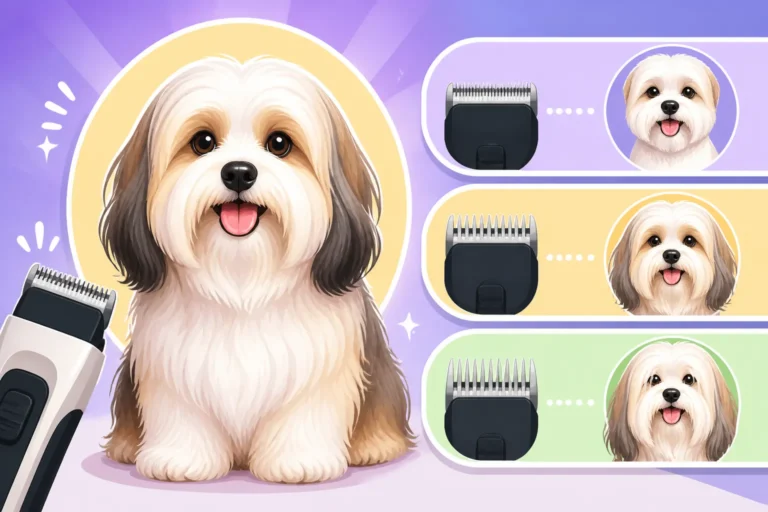
- Consult a Groomer or Vet: If the skin irritation is significant, doesn't improve quickly, or if you see open sores or persistent scratching, it's time for a professional opinion. Your veterinarian can rule out infections or allergies and recommend appropriate treatment. A professional groomer can also provide hands-on advice and demonstrate proper topknot techniques. They might even suggest a different clip, such as a Puppy Cut Most Havanese Owners End Up Choosing, which eliminates the need for a topknot altogether. Sometimes, the best solution for your Havanese's comfort might be to simply let their fringe grow out or trim it regularly.
Remember, the goal is always the comfort and well-being of our Havanese. A cute topknot is wonderful, but never at the cost of their happiness.
Disclaimer
This article is for general informational purposes only and does not constitute professional advice. Laws, prices and regulations vary by location and change over time. Consult a qualified professional for guidance on your specific situation.