The Average Age a Havanese Reaches
It's completely normal to find yourself wondering just how long you can expect to share your life with your sweet Havanese. We pour so much love into these little dogs, and the thought of their time with us being limited can be a source of real anxiety. Understanding their typical lifespan and what factors play a role can help you provide the best care possible, maximizing every precious year. This comprehensive guide will explore the average age a Havanese reaches, the health considerations that impact their longevity, and practical ways to help your beloved companion thrive for as long as possible.
Understanding the Havanese Lifespan Expectancy
Bringing a Havanese into your home means welcoming a vibrant, intelligent, and deeply affectionate companion. Naturally, as they become cherished family members, one of the most common questions that arises is about their expected lifespan. You want to know you'll have many years of cuddles and playtime ahead.
What is the Typical Age Range for a Havanese?
Generally speaking, Havanese are considered a relatively long-lived breed, a wonderful trait for such devoted little dogs. Most Havanese can be expected to live anywhere from 12 to 15 years, with many individuals happily reaching and even surpassing the 15-year mark. It's not uncommon to hear stories of Havanese celebrating their 16th or 17th birthdays, proving their robust nature when given proper care. This is a significant lifespan, placing them among the longer-living small breeds, which is a huge comfort to many owners.
This impressive longevity is often attributed to their generally healthy genetic makeup and their small to medium size, as smaller dogs tend to live longer than their larger counterparts. When you compare them to some giant breeds who might only live 7-10 years, a Havanese offers a much longer commitment, which is fantastic for families looking for a long-term furry friend. However, it's crucial to remember that this is an average, and individual experiences can vary widely based on a multitude of factors, some of which are within your control and some that aren't.
Why Some Havanese Live Longer Than Others: Genetic and Environmental Factors
While the breed generally enjoys a good lifespan, it's a bit like us humans: some live to a ripe old age with minimal health issues, while others face challenges earlier on. The reasons behind this variation are a complex interplay of genetics and the environment in which your Havanese lives. Understanding these factors is key to doing everything you can to tip the scales in favor of a long, healthy life for your furry family member.
Genetics, of course, play a fundamental role. A Havanese puppy born from well-screened parents with a history of good health is inherently more likely to avoid inherited conditions that could shorten their life. Responsible breeders are meticulous about performing health tests on their breeding stock to screen for common issues that can plague the breed. Skipping these crucial steps or opting for a puppy from an unknown background can unfortunately introduce risks that might manifest years later. You can learn more about the specific timeframe for these long lives by exploring The Fourteen to Sixteen Years a Havanese Lives.
Beyond genetics, the daily environment and care you provide are incredibly influential. This encompasses everything from the quality of their food, the amount of exercise they receive, to the regularity of their veterinary check-ups. A Havanese kept at a healthy weight, fed a nutritious diet, and engaged in regular, appropriate activity is better equipped to fight off illness and maintain strong bodily functions. Environmental toxins, stress, and even accidental injuries can also chip away at a dog's overall health and, in turn, their lifespan. It's truly a holistic picture of care that contributes to those extra years.
Common Health Challenges That Can Affect Longevity
Even with the best genetics and care, no dog is immune to potential health issues, and Havanese are no exception. Being aware of the common health challenges that can arise is the first step in proactive management, early detection, and ultimately, extending your Havanese's healthy years.
Hereditary Conditions and Early Detection
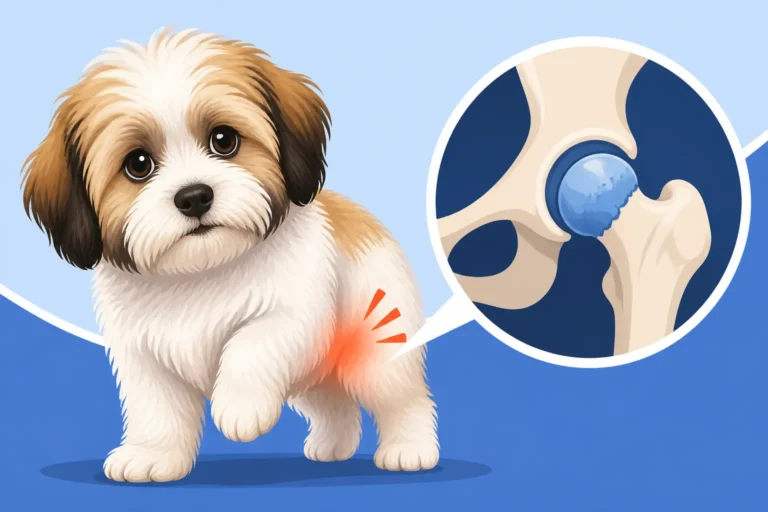
Like many purebred dogs, Havanese are prone to certain hereditary conditions. Knowing what to look out for and understanding the importance of early veterinary intervention can make a monumental difference in their quality and length of life. For instance, luxating patellas, often referred to as "slipping kneecaps," are a common orthopedic issue in small breeds like the Havanese. You might notice your Havanese occasionally skipping a step or holding up a back leg. While not always life-threatening, severe cases can lead to arthritis and significant pain, impacting their mobility and overall well-being. Regular vet checks are crucial to catch issues like The Kneecaps a Havanese Slips early.
Another area of concern is eye health. Havanese can be susceptible to various The Eye Diseases a Havanese Inherits, including cataracts and Progressive Retinal Atrophy (PRA). While cataracts can sometimes be surgically corrected, PRA is a degenerative disease that leads to blindness. Early and regular eye exams by a veterinary ophthalmologist are vital for monitoring these conditions. Similarly, heart conditions, particularly mitral valve disease, can develop in older Havanese. A soft heart murmur might be the first sign, picked up during a routine physical exam. If your Havanese develops The Heart Murmur an Older Havanese Develops, early diagnosis and management can significantly slow the progression of the disease and improve their quality of life. For owners worried about the costs associated with diagnosing and treating these hereditary conditions, pet insurance providers like Healthy Paws can offer a valuable safety net, helping to cover unexpected veterinary expenses and allowing you to focus on your Havanese's health without undue financial stress.
Lifestyle Factors: Nutrition, Exercise, and Weight Management
Beyond genetics and specific inherited conditions, your Havanese's daily lifestyle profoundly impacts their long-term health and potential lifespan. The choices you make regarding their diet, exercise, and overall weight management are powerful tools in promoting vitality and fending off disease. It’s often the simple, consistent routines that yield the biggest rewards over time.
A balanced and appropriate diet is the cornerstone of good health. Feeding a high-quality dog food suitable for their age, size, and activity level provides the essential nutrients needed for strong bones, healthy organs, and a robust immune system. Overfeeding, on the other hand, is a common pitfall. Many Havanese owners, myself included, find it hard to resist those pleading eyes at the dinner table, but extra treats and table scraps can quickly lead to excess weight. Obesity in dogs, just like in humans, significantly increases the risk of numerous health problems, including diabetes, heart disease, and exacerbated joint issues like arthritis, which can severely impact their comfort and mobility. Learning What Havanese Are Most Often Treated For often highlights issues that can be prevented or managed with good lifestyle choices.
Regular exercise, tailored to your Havanese's size and energy levels, is equally important. While they aren't marathon runners, Havanese thrive on daily walks, playtime in a secure yard, or indoor games that stimulate their minds and bodies. Consistent activity helps maintain muscle tone, supports joint health, and keeps their cardiovascular system strong. Furthermore, it helps prevent boredom and the associated behavioral issues that can arise from insufficient mental and physical stimulation. A Havanese that is active and at a healthy weight is less likely to suffer from joint pain, has a stronger heart, and generally boasts a more resilient immune system, all contributing to a longer, happier life. Remember, Whether a Havanese Should Be Kept Slim for Its Joints is a resounding "yes" for good reason!
Caring for a Senior Havanese: Extending Quality of Life
As our Havanese companions transition into their senior years, their needs change, and our approach to their care must adapt. It's a bittersweet journey, but understanding how to support them during this stage can ensure their comfort and happiness for as long as possible. Generally, a Havanese is considered a senior around The Age a Havanese Counts as Senior of 8-10 years.
Recognizing the Signs of Aging in Your Havanese
Just like people, dogs don't age overnight; it's a gradual process, and observing these subtle changes allows you to address them promptly. You might notice your once-bouncy Havanese starting to slow down a bit, taking longer naps, or being less enthusiastic about long walks. Stiffness, especially after resting, can be a sign of developing arthritis or other joint discomfort. Perhaps they're not hearing as well as they used to, or their eyesight seems a little dimmer, making them hesitate in unfamiliar environments or at night. Sometimes, an older Havanese might seem a bit confused or disoriented, which could indicate cognitive decline, similar to dementia in humans. You can look out for signs such as Whether an Old Havanese Goes Blind or struggles with everyday activities.
Beyond physical changes, their coat might thin or become coarser, and their appetite or thirst levels could shift. It's important not to dismiss these changes as "just old age." While some are inevitable, many can be managed with veterinary care and home adjustments. Keep a close eye on their bathroom habits, energy levels, and any changes in their gait or personality. Bringing these observations to your veterinarian can help distinguish between normal aging and underlying medical conditions that might be treatable. The goal is to identify any discomfort or decline early, so you can intervene and improve their daily experience.
Veterinary Care and Home Adaptations for Older Dogs
Once you've noticed signs of aging, or even preventatively as your Havanese approaches their golden years, a proactive approach to veterinary care and home environment is paramount. Regular vet check-ups become even more critical, often twice a year, as health conditions can progress more rapidly in older dogs. These visits might include comprehensive blood work to check organ function, urinalysis, and discussions about pain management if arthritis is present. Your vet might suggest joint supplements, anti-inflammatory medications, or even alternative therapies to keep them comfortable. It's also vital to continue with Whether a Havanese Needs a Yearly Eye Exam and dental care, as dental disease can lead to other systemic health problems if left untreated.
At home, small adaptations can make a huge difference in your senior Havanese's quality of life. Consider investing in orthopedic beds to support their aging joints. Ramps or steps can help them safely access furniture they once jumped onto with ease, preventing injuries to their delicate backs and legs. Non-slip rugs on hard floors can provide better traction, reducing the risk of falls. If their vision or hearing is declining, maintain a consistent routine and avoid moving furniture around, creating a predictable and safe environment. For those who worry about the increasing vet costs associated with senior care, pet insurance like Healthy Paws can be incredibly beneficial. Their coverage can help alleviate the financial burden of managing chronic conditions, allowing you to provide the necessary treatments, medications, and specialized care that can extend your senior Havanese's comfortable years. Find more detailed advice on Caring for a Havanese Past Twelve to ensure they have the best possible golden years.
The Role of Responsible Breeding in Havanese Longevity
While daily care and environmental factors play a huge part in your Havanese's health, the foundation for a long and healthy life is often laid long before they even come home with you: through responsible breeding practices. It's a factor that many prospective owners might overlook in their excitement for a new puppy, but it truly cannot be overstated.
Health Screening and Genetic Diversity
A responsible Havanese breeder isn't just focused on producing cute puppies; they are dedicated to preserving and improving the health of the breed. This means they diligently perform a battery of health screenings on their breeding dogs to ensure they aren't passing on genetic conditions that could plague a puppy later in life. For Havanese, this typically includes tests for luxating patellas, eye diseases, cardiac health (specifically for mitral valve disease), and sometimes even hearing (BAER testing) and liver shunts. These tests provide invaluable information, helping to identify potential issues before they are bred, thereby reducing the incidence of these conditions in future generations. A breeder who can provide OFA (Orthopedic Foundation for Animals) or CERF (Canine Eye Registry Foundation) certifications for their dogs is demonstrating a commitment to this crucial aspect of health. These are The Health Tests Both Havanese Parents Should Have that make all the difference.
Furthermore, responsible breeders are mindful of genetic diversity within the breed. The Havanese breed faced near extinction after the Cuban Revolution, and its revival stemmed from a very small founding population. This means the gene pool can be somewhat narrow, increasing the risk of certain genetic predispositions if not managed carefully. Good breeders strive to make thoughtful breeding choices that avoid excessive inbreeding and maintain genetic variation, which is crucial for overall breed health and resilience against disease. They understand that a diverse genetic background contributes to a stronger immune system and a reduced likelihood of concentrating undesirable health traits. When choosing a puppy, always ask about the health testing of the parents and the breeder's philosophy on genetic health; it's a direct investment in your future Havanese's longevity.
Factors Influencing Havanese Lifespan
| Factor | Impact on Lifespan | Examples |
|---|---|---|
| Genetics | Strongest influence on predisposition to hereditary conditions. | Well-screened parents lead to fewer inherited diseases like luxating patellas or eye issues. |
| Nutrition | Provides essential nutrients; prevents obesity-related diseases. | High-quality dog food, appropriate portion sizes, limited treats. Avoiding human foods dangerous to dogs. |
| Exercise | Maintains muscle tone, joint health, cardiovascular fitness, mental well-being. | Daily walks, indoor play, interactive toys, preventing obesity. |
| Preventative Vet Care | Early detection and management of diseases, vaccinations, parasite control. | Annual/bi-annual check-ups, dental cleanings, vaccinations, flea/tick/heartworm prevention. |
| Weight Management | Prevents chronic diseases associated with obesity. | Keeping your Havanese at a lean, healthy weight to reduce strain on joints and organs. |
| Environment | Exposure to toxins, stress, and safety hazards. | Safe home environment, avoidance of second-hand smoke, secure yard, minimal exposure to harsh chemicals. |
| Spay/Neuter Status | Can reduce the risk of certain cancers and reproductive organ issues. | Spaying females reduces mammary cancer risk; neutering males eliminates testicular cancer risk. |
| Dental Health | Prevents systemic infections and inflammation originating from the mouth. | Regular teeth brushing, professional dental cleanings to prevent periodontal disease. |
Disclaimer
The information provided in this article is for general informational purposes only and is not a substitute for professional veterinary advice. Always consult with a qualified veterinarian for any health concerns or before making any decisions related to your pet's health and treatment.