Whether a Havanese With Bowed Legs Is in Pain
It’s truly heartbreaking when you look at your sweet Havanese and notice something seems off with their little legs. Perhaps they’ve always had a slight bow, or maybe it’s developed over time, leaving you wondering, “Is my Havanese with bowed legs actually in pain?” This concern is completely valid, and it’s a question many Havanese owners grapple with. This guide is here to shed light on what causes bowed legs, how to recognize signs of discomfort, and, most importantly, how to ensure your beloved companion lives as comfortably and happily as possible.
Understanding Bowed Legs in Havanese: Unpacking the "Why"
When we talk about bowed legs in a Havanese, it's natural to immediately jump to conclusions about discomfort or injury. However, it’s crucial to understand the underlying reasons why a Havanese might have legs that aren't perfectly straight. Not all bowed legs equate to immediate pain, but they certainly warrant careful attention.
Chondrodysplasia: The Most Common Culprit
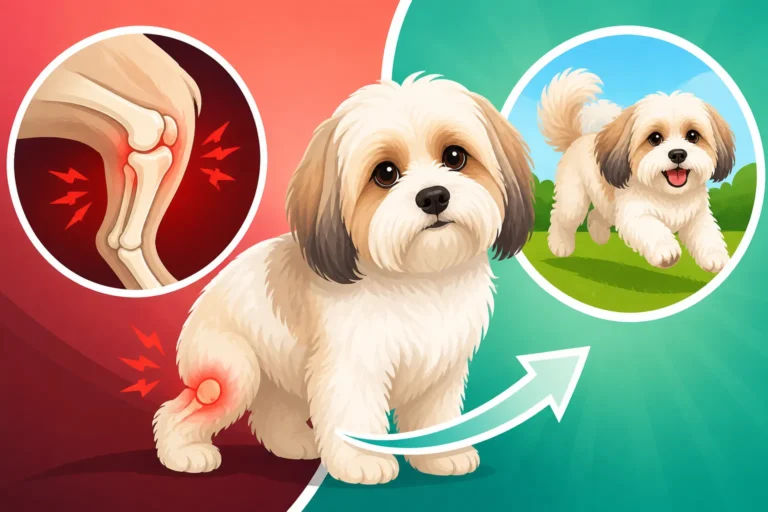
For Havanese, and many other small breeds, the most common reason for bowed legs is a genetic condition called chondrodysplasia. This isn't just a quirky trait; it's a developmental disorder that affects the cartilage and bone growth, particularly in the long bones of the legs. Essentially, the cartilage, which is supposed to mature and harden into bone, doesn't develop correctly. This can lead to shorter, thicker, and often bowed limbs.
If you’re thinking about getting a Havanese puppy, or if you already have one with bowed legs, it’s good to understand The Chondrodysplasia That Runs in Certain Havanese Lines. This condition can manifest in varying degrees. Some Havanese might have a very subtle bowing, almost unnoticeable, while others can have a more pronounced curvature that makes their legs look distinctly "bow-legged." The crucial thing to remember is that while chondrodysplasia itself describes the bone structure, it doesn’t automatically mean constant, debilitating pain. Many dogs with mild forms live full, active lives without significant discomfort, especially if managed properly. However, the altered mechanics of their joints can predispose them to other issues, which can be painful. This is part of What Chondrodysplasia Does to a Havanese over time, making understanding its progression key.
Other Potential Causes of Leg Deformities
While chondrodysplasia is a major factor, it’s not the only reason a Havanese might have bowed or otherwise deformed legs. It’s always important to consider other possibilities, especially if the bowing appears suddenly or is accompanied by other worrying symptoms.
- Injury or Trauma: Just like us, dogs can suffer injuries that affect bone growth or lead to deformities. A fracture in a young, growing puppy that doesn't heal perfectly could result in a bowed limb. Falls, collisions, or even repeated stress from inappropriate activities can impact developing bones.
- Nutritional Deficiencies: In very rare cases, severe nutritional deficiencies during puppyhood, such as a lack of calcium or Vitamin D, can lead to conditions like rickets, where bones soften and bow under the dog's weight. However, with the quality of commercial dog foods today, this is far less common than it once was.
- Degenerative Joint Disease (Arthritis): As Havanese age, especially those with pre-existing joint issues from conditions like chondrodysplasia, they can develop arthritis. This is particularly true if they also have a history of The Kneecaps a Havanese Slips, which can put uneven strain on their legs. Arthritis causes inflammation and pain in the joints, and in severe, long-standing cases, it can lead to changes in leg posture that appear like bowing as the dog shifts weight to alleviate discomfort. This is a progressive condition often seen in older dogs, and recognizing Arthritis in a Havanese at Twelve is vital for their comfort.
- Growth Plate Issues: Puppies have soft areas at the end of their long bones called growth plates. If these are damaged (e.g., by trauma or infection) before they close, it can lead to abnormal bone growth and bowing as one side of the bone grows faster or differently than the other.
It's clear that simply observing bowed legs isn't enough; understanding the root cause is the first step in addressing any potential pain and ensuring your Havanese receives the correct care.
Deciphering Discomfort: Signs Your Bowed-Legged Havanese Might Be in Pain
This is often the hardest part for Havanese owners. Our dogs can’t tell us directly when they’re hurting, and sometimes they’re incredibly stoic, hiding their pain as a natural instinct. But if your Havanese has bowed legs, it’s even more important to be a super sleuth and watch for subtle cues that something isn't quite right. Early detection of pain can significantly improve their quality of life and allow for prompt intervention.
Behavioral Changes That Signal Pain
A dog in pain will often show changes in their normal behavior, even if those changes seem small at first. It’s not always a dramatic yelp or limp. Sometimes, it’s a shift in their personality or daily routine.
- Reluctance to Move or Play: Is your normally playful Havanese less enthusiastic about their favorite toy? Do they hesitate before jumping on the couch (even if they have steps) or going for a walk? They might be avoiding movements that cause discomfort. This is a common sign, and if you have an older Havanese, it might even be misinterpreted as just part of them getting on in years. But even an older dog should still enjoy movement within their limits.
- Changes in Appetite or Sleep Patterns: Pain can be incredibly disruptive. A dog experiencing chronic discomfort might lose interest in food or become unusually restless, struggling to find a comfortable position to rest or sleep. Conversely, they might sleep more to avoid moving, but their sleep might be disturbed.
- Increased Irritability or Aggression: A dog in pain might snap or growl when touched in a sensitive area, or become generally more irritable with family members or other pets. Imagine being in constant discomfort; your patience would wear thin too! This isn't a reflection of their true temperament but a cry for help.
- Licking or Chewing a Specific Area: If your Havanese is constantly licking, chewing, or grooming a particular leg or joint, it could be their way of trying to soothe an aching spot. This can sometimes lead to hot spots or skin irritation, so it's a visible sign you shouldn't ignore.
- Hiding or Seeking Solitude: Dogs are den animals, and when they don't feel well, they might retreat to a quiet, secluded spot. If your usually social Havanese starts spending more time under the bed or in a crate, it’s a strong signal they’re not feeling their best.
- Vocalization: While not always a dramatic yelp, listen for subtle whimpers, groans, or sighs, especially when they're moving, getting up, or trying to settle down. These quiet sounds can be telling.
Physical Indicators and Gait Anomalies
Beyond behavioral shifts, there are definite physical signs and changes in how your Havanese moves that can point to pain associated with bowed legs or secondary joint issues. Learning to Spotting Bowed Legs in a Havanese Puppy is a good starting point, but knowing what comes next if they're in pain is critical.
- Limping or Favoring a Leg: This is perhaps the most obvious sign. A distinct limp, or even just a slight reluctance to put full weight on one leg, indicates discomfort. You might notice they try to take pressure off a front or back leg when standing, or shift their weight constantly.
- Stiffness, Especially After Rest: Does your Havanese struggle to get up after a nap? Do they seem stiff and clumsy for the first few minutes of movement, only to "warm up" a bit later? This is a classic sign of joint pain, often indicative of arthritis.
- Changes in Gait: Even if they don’t limp, their walking style might change. They might take shorter, choppier steps, or try to walk more slowly and deliberately. Their usual "springy gait" might be gone. You might also notice their spine looks hunched, or their tail is held low, which can be indicators of discomfort spreading to their back. While some Havanese with chondrodysplasia can Whether a Chondrodysplastic Havanese Can Walk Normally, it's important to differentiate between their characteristic movement and pain-induced changes.
- Difficulty with Stairs or Jumping: If your Havanese suddenly avoids stairs, struggles to jump onto furniture (even with ramps or steps), or has trouble getting into the car, pain is a likely culprit. These actions put significant strain on their joints.
- Muscle Atrophy: If a dog is consistently favoring a leg due to pain, the muscles in that leg will eventually start to waste away. You might notice one leg looks thinner or less muscular than the others.
- Swelling or Heat in Joints: Gently feel your dog's joints. If you notice any swelling, warmth, or tenderness to the touch around the knees, ankles, or elbows, it's a strong indicator of inflammation and pain.
- "Prayer" Position: Sometimes, dogs with abdominal pain will adopt a "prayer" position, with their front legs stretched out and their rear end raised. While this isn't directly related to leg pain, chronic musculoskeletal pain can sometimes cause secondary muscle tension that leads to unusual postures.
By being vigilant and knowing these signs, you can be your Havanese's best advocate and seek veterinary help before their pain becomes debilitating.
Proactive Care and Pain Management Strategies
Once you suspect your Havanese with bowed legs might be in pain, the next step is swift and decisive action. You can’t fix it alone, but you can certainly support your vet’s efforts and make a huge difference in your dog's daily comfort.
Veterinary Diagnosis and Treatment Options
Seeing your veterinarian is absolutely paramount. They are your best resource for accurately diagnosing the cause of the pain and formulating an effective treatment plan. Don't delay!
- Comprehensive Examination: Your vet will conduct a thorough physical exam, observing your Havanese's gait, palpating their joints, and assessing their range of motion. They’ll also ask you detailed questions about their history and the symptoms you’ve noticed.
- Diagnostic Imaging: X-rays are usually the first line of defense. They can confirm the presence of chondrodysplasia, identify signs of arthritis (like joint space narrowing or bone spurs), detect fractures, or reveal other bone abnormalities. In some complex cases, your vet might recommend more advanced imaging like MRI or CT scans to get a clearer picture of soft tissue damage or intricate joint issues.
- Blood Work: A complete blood panel is often recommended as part of a routine check-up, such as What a Havanese's Yearly Checkup Costs, but it can also help rule out other systemic conditions that might contribute to pain or inflammation.
- Pain Management Medications: If pain is diagnosed, your vet will likely prescribe pain relievers. Non-Steroidal Anti-Inflammatory Drugs (NSAIDs) like carprofen (Rimadyl) or meloxicam (Metacam) are commonly used to reduce inflammation and pain. These can be incredibly effective, but they require careful monitoring, as long-term use can have side effects on the liver and kidneys. Your vet might also consider other pain medications or supplements depending on the specific diagnosis.
- Joint Supplements: Glucosamine and chondroitin supplements are often recommended to support joint health, help repair cartilage, and reduce inflammation. Brands like Cosequin or Dasuquin are popular choices. While not a cure, they can offer significant relief and slow the progression of joint degeneration. You can explore Whether Joint Supplements Help a Havanese for more in-depth information.
- Physical Rehabilitation: Just like in humans, physical therapy can work wonders for dogs. This might include hydrotherapy (underwater treadmill), therapeutic exercises, massage, laser therapy, or acupuncture. A certified canine rehabilitation therapist can develop a tailored program to strengthen supporting muscles, improve range of motion, and reduce pain.
- Surgical Intervention: In some cases, surgery might be necessary. For instance, if a severe malformation is causing significant pain or compromising limb function, orthopedic surgery could correct the bowing or address secondary issues like severe arthritis or patellar luxation. This is a big decision, and your vet will discuss all pros and cons.
Remember, a multi-modal approach, combining different therapies, often yields the best results for pain management. It's not a one-size-fits-all solution, and your vet will guide you toward what's best for your individual Havanese.
Lifestyle Adjustments and Home Support
Managing pain in a Havanese with bowed legs isn't just about vet visits and medications; a significant part of their well-being comes from the adjustments you make at home. These changes can dramatically improve their comfort and quality of life.
- Weight Management: This is non-negotiable. Every extra pound puts additional stress on already compromised joints. Keeping your Havanese at a lean, healthy weight is one of the most impactful things you can do to prevent and manage pain. Discuss ideal weight and diet with your vet. Learn more about Whether a Havanese Should Be Kept Slim for Its Joints for proactive advice.
- Comfortable Bedding: Provide orthopedic or memory foam beds that support their joints and relieve pressure points. Avoid letting them sleep on hard floors, especially in older dogs with arthritis.
- Assistive Devices:
- Ramps and Steps: Eliminate jumping off furniture and beds, as the impact can be detrimental to their joints. Invest in ramps or pet steps to allow easy access.
- Non-Slip Flooring: If you have slippery floors (hardwood, tile), consider laying down runners or rugs. Slipping and sliding puts immense strain on joints as they try to maintain footing, potentially exacerbating pain.
- Moderate Exercise: While rest is important during acute painful flare-ups, regular, low-impact exercise is crucial for maintaining muscle strength and joint flexibility. Short, frequent walks on soft surfaces (grass, dirt trails) are better than long, strenuous outings. Avoid high-impact activities like excessive jumping, agility, or long-distance running. Consult your vet or a rehab therapist for an appropriate exercise regimen.
- Grooming Adjustments: Regular grooming is vital for Havanese. If your dog is in pain, they might be uncomfortable standing for long periods. Consider more frequent, shorter grooming sessions, or work with a sensitive groomer who understands their needs. For an older dog, read about Grooming an Old Havanese That Cannot Stand Long.
- Massage and Warm Compresses: Gentle massage can help improve circulation and relax tense muscles around painful joints. Warm compresses (a towel soaked in warm water, wrung out, and applied for 10-15 minutes) can also provide soothing relief for arthritic joints. Always consult your vet first to ensure these methods are appropriate for your dog's specific condition.
- Maintain Mental Stimulation: Just because their physical activity might be limited doesn't mean their minds should suffer. Incorporate puzzle toys, gentle training sessions, and interactive games to keep them mentally engaged and happy.
By creating a supportive and pain-conscious environment at home, you’re actively contributing to your Havanese’s comfort and well-being, allowing them to thrive despite their bowed legs.
| Sign of Pain Category | Specific Indicators |
|---|---|
| Behavioral | Reluctance to play, changes in appetite, increased irritability, licking/chewing affected areas, hiding, vocalizations (whimpers, groans). |
| Physical | Limping, stiffness (especially after rest), altered gait (choppy steps, hunched back), difficulty with stairs/jumping, muscle atrophy, swelling/heat in joints. |
| General Demeanor | Less enthusiasm, withdrawn, restless sleep, changes in posture when standing or lying down. |
Navigating the Future: Long-Term Outlook for Havanese with Bowed Legs
Living with a Havanese that has bowed legs means embracing a journey of ongoing care and attentiveness. It’s not a one-time fix, but rather a commitment to monitoring, adapting, and providing continuous support throughout their life.
Monitoring and Ongoing Care
The long-term outlook for a Havanese with bowed legs largely depends on the severity of the underlying condition and your dedication to proactive care. With proper management, many Havanese with chondrodysplasia can lead fulfilling lives.
- Regular Veterinary Check-ups: Even if your Havanese seems fine, consistent vet visits are critical. Your vet can monitor the progression of any joint issues, adjust pain management protocols as needed, and catch new problems early. These check-ups are also a good time to reassess their weight and overall mobility.
- Observe and Document: Keep a journal or use a simple app to track your Havanese's pain levels, mobility, and any behavioral changes. Note when they seem better or worse, what activities trigger discomfort, and how they respond to medications or supplements. This information is invaluable for your vet.
- Adapt as They Age: A Havanese puppy with bowed legs might show no signs of pain, but as they mature and especially as they reach their senior years, the cumulative wear and tear on their joints can lead to discomfort. Be prepared to adapt their exercise routine, implement more assistive devices, and revisit their pain management plan with your vet. Caring for a Havanese past twelve often means anticipating their changing needs.
- Maintain a Consistent Routine: Dogs thrive on routine. Consistency in feeding, exercise, and medication schedules can contribute to their overall well-being and stability.
Remember, prevention and early intervention are key. By being vigilant and responsive to your Havanese’s needs, you can significantly mitigate potential pain and help them enjoy a high quality of life.
Financial Considerations for Lifelong Support
It's a tough but necessary conversation: the financial aspect of caring for a Havanese with chronic health conditions like bowed legs and potential secondary joint issues. These costs can add up, and being prepared is part of responsible pet ownership.
- Veterinary Bills: Expect ongoing costs for vet visits, X-rays, medications, joint supplements, and potentially physical therapy sessions. If surgery becomes necessary, it can be a significant expense.
- Specialized Equipment: Ramps, orthopedic beds, non-slip mats, and even specialized harnesses or slings can require an investment.
- High-Quality Food and Supplements: Feeding a premium diet designed for small breeds, and consistently purchasing veterinarian-recommended joint supplements, will be an ongoing expense.
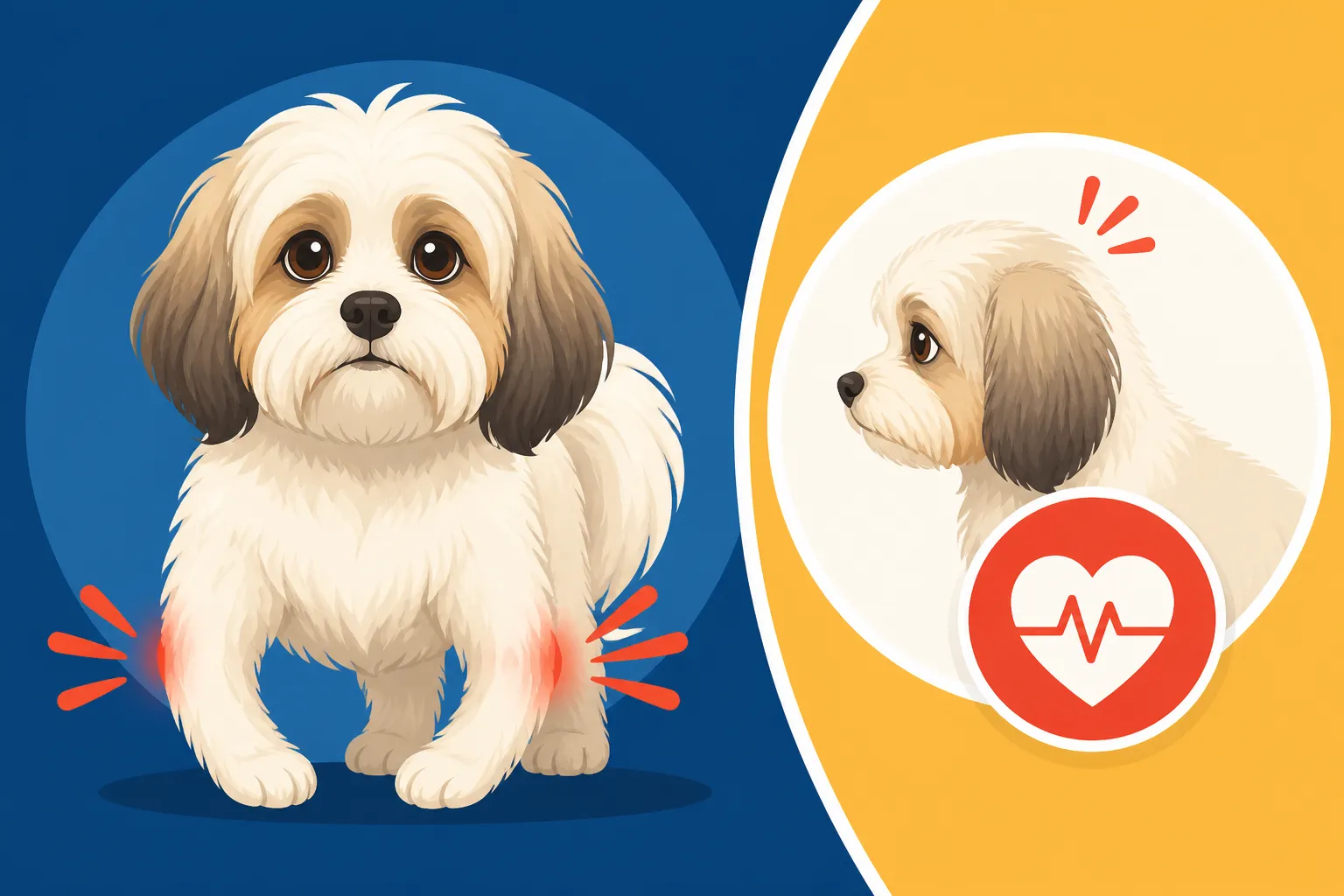
- Pet Insurance: This is where pet insurance can be a lifesaver. Policies like those offered by Healthy Paws can help cover a significant portion of unexpected veterinary costs, especially for chronic conditions that are diagnosed after the policy is in effect. While pre-existing conditions are typically not covered, having a policy in place before a new issue develops can provide immense peace of mind. It’s definitely worth looking into Insuring a Havanese Against Knees and Heart when they are young.
- Savings Fund: Even with insurance, consider setting aside an emergency fund specifically for your Havanese’s healthcare. This way, if a major procedure or unexpected illness arises, you're not scrambling. A good insurance policy, combined with a healthy savings, can ensure you can always make the best decisions for your Havanese without financial stress.
The love and companionship a Havanese brings into your life are immeasurable, and while caring for a dog with bowed legs that may experience pain can be challenging, the rewards of seeing them comfortable and happy are priceless. With knowledge, proactive care, and a strong partnership with your vet, you can provide your Havanese with the best possible life.
Disclaimer
This article is intended for informational purposes only and does not constitute medical advice. Always consult with a qualified veterinarian for any health concerns or before making any decisions about your Havanese's care, diet, or treatment.