Whether a Havanese’s Kneecap Needs Operating
Watching your beloved Havanese suddenly skip a step, hold up a back leg, or even cry out in pain can be incredibly alarming. The sinking feeling in your stomach as you realize something isn't quite right with their little knee is a common experience for many Havanese parents. This guide aims to demystify patellar luxation, helping you understand when a "slipping kneecap" might require surgical intervention and when other approaches can bring relief.
Understanding Patellar Luxation in Havanese
Patellar luxation, often just called a "slipping kneecap," is a surprisingly common orthopedic issue, especially in smaller breeds like our cherished Havanese. It sounds scary, and it can be, but understanding what's actually happening inside your dog's leg is the first step toward finding the best path forward. It's not just a minor inconvenience; it can lead to pain, lameness, and long-term joint damage if not managed properly.
What Exactly is a Slipping Kneecap?
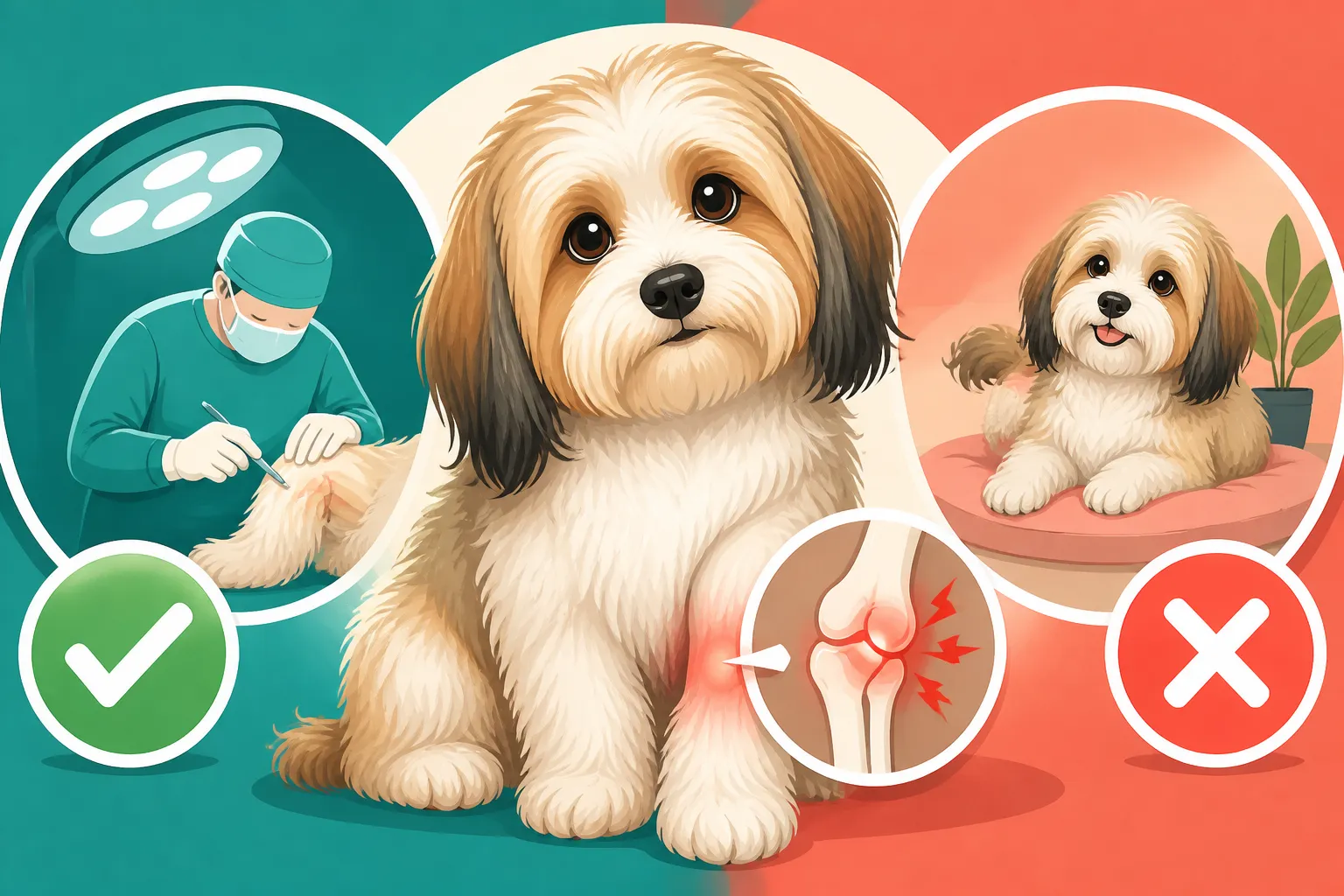
Imagine your Havanese's knee joint. Within this joint, there's a small bone called the patella, which is essentially the kneecap. This patella is supposed to glide smoothly up and down within a specific groove at the end of the femur, known as the trochlear groove. Think of it like a train running on a track – as long as it stays on the track, everything functions as it should.
In patellar luxation, the patella luxates, or slips out of this groove. It can slip either to the inside of the leg (medial luxation, which is more common in Havanese and other toy breeds) or to the outside (lateral luxation). When it slips out, it can cause immediate discomfort, interfere with the normal movement of the leg, and over time, wear down the cartilage and bone, leading to inflammation and arthritis. This condition is often congenital, meaning your Havanese might be born with shallow trochlear grooves or misaligned bones that predispose them to it.
Recognizing the Signs and Symptoms
One of the most classic signs that a Havanese's knee has gone is the sudden "skip" or hop you might observe while they're running or walking. They'll be moving along fine, then suddenly lift one back leg for a few steps, perhaps shaking it a bit, before putting it back down as if nothing happened. This is usually the kneecap slipping out and then popping back into place. It's often momentary, which can make it easy to miss or dismiss as just a quirky movement.
Beyond the occasional skip, other symptoms can include a persistent limp, especially after exercise or when getting up from rest. Your Havanese might become reluctant to perform activities they once loved, like jumping on the couch, using steps to get onto the bed, or even going for their usual walks. They might show signs of pain, such as whining, panting, or guarding the affected leg. In more severe cases, the leg might stay locked in an abnormal position, making it difficult or impossible for them to bear weight on it. It’s important to pay close attention to any changes in your dog's gait or willingness to move, as these subtle cues can be early indicators of trouble.
Grading Patellar Luxation and Its Implications
Not all luxating patellas are created equal. Veterinarians use a grading system to describe the severity of the condition, and this grading is absolutely crucial in deciding the best course of action for your Havanese. It's not just about how often the kneecap slips, but how easily it moves and what other anatomical changes are present.
The Four Grades of Patellar Luxation
Understanding the grading system for patellar luxation is key to grasping the severity of your Havanese's condition. This system classifies the luxation from Grade I (mildest) to Grade IV (most severe):
- Grade I: This is the mildest form. The patella can be manually luxated from the trochlear groove but will immediately return to its normal position once released. Your Havanese might only show an occasional skip or might not even exhibit any noticeable lameness. Often, this is discovered during a routine vet check. While it might seem minor, it still warrants monitoring.
- Grade II: In this grade, the patella luxates spontaneously (slips out on its own) and can also be manually luxated. It will often stay luxated for a few steps before returning to the groove, either spontaneously or with manipulation from your Havanese's own movement. Dogs with Grade II luxation often display the classic "skip" or periodic lameness. They might start avoiding certain movements, and you might notice more frequent episodes of them holding up their leg.
- Grade III: This is a more serious grade where the patella is luxated most of the time. While it can be manually reduced back into the groove, it will immediately reluxate (slip back out) once the manual pressure is released. Dogs with Grade III luxation often have persistent lameness, an abnormal gait, and their leg might appear bowed or turned inward. The trochlear groove is typically quite shallow, and there might be significant changes to the bone structure.
- Grade IV: This is the most severe form. The patella is permanently luxated and cannot be manually returned to the trochlear groove. Dogs with Grade IV luxation usually have significant lameness, often unable to properly extend their knee joint. There are usually severe anatomical deformities, including a very shallow or absent trochlear groove and significant twisting of the tibia. This grade usually results in a crouched stance and severe discomfort.
Your veterinarian will perform a thorough orthopedic examination, manipulating your Havanese's knee to determine the grade of luxation. They may also recommend X-rays to assess the bone structure and look for any concurrent arthritis or other issues. You can learn more about this process in our guide on Grading a Havanese's Luxating Patella.
When is Surgery Even Considered?
It's a common misconception that every slipping kneecap requires surgery. The truth is, the decision to operate is a complex one, influenced by several factors beyond just the grade of the luxation. For Grade I patellar luxation, surgery is rarely the first recommendation. Many Havanese with Grade I, and even some with Grade II, can live full, happy lives with conservative management. The key considerations for recommending surgery typically involve:
- Severity of Clinical Signs: Is your Havanese experiencing consistent pain? Is the lameness significantly impacting their quality of life, making it difficult to walk, play, or navigate their environment? If the skipping is frequent, causes pain, or leads to a reluctance to move, surgery becomes a stronger consideration. Our post on Which Patella Grade Needs Surgery in a Havanese delves deeper into this.
- Grade of Luxation: Generally, Grade III and Grade IV luxations almost always warrant surgical correction due to the severe anatomical deformities and constant discomfort they cause. For Grade II, it's a bit of a gray area, often depending on the individual dog's symptoms and how much the luxation impacts their daily life. If a Grade II luxation is causing significant pain, constant lameness, or rapidly progressing, surgery might be the best option.
- Presence of Other Orthopedic Issues: Sometimes, patellar luxation can coexist with other conditions like hip dysplasia or cranial cruciate ligament rupture. In such cases, surgical intervention might be more strongly advised to correct the overall biomechanics of the hind limb.
- Age and Overall Health: A younger Havanese with a higher-grade luxation might be a better surgical candidate, as intervention can prevent severe arthritis later in life. However, older dogs, especially those with other health concerns, might be deemed higher risk for anesthesia and surgery, making conservative management a more appropriate choice. Your vet will conduct a thorough pre-surgical workup to ensure your Havanese is healthy enough for the procedure.
Ultimately, the decision is a joint one between you and your veterinary team, weighing the potential benefits of surgery against the risks and the impact on your Havanese's long-term well-being.
Non-Surgical Management Options for Luxating Patellas
Before jumping into the discussion of surgery, it's vital to know that for many Havanese, especially those with lower-grade patellar luxation, a non-surgical approach can make a world of difference. These strategies focus on supporting joint health, managing discomfort, and preventing the condition from worsening. They require dedication and consistency, but they can significantly improve your dog's comfort and mobility.
Weight Management and Exercise Modification
One of the most impactful things you can do for a Havanese with luxating patellas is to keep them at a healthy weight. Every extra pound puts unnecessary strain on their joints, including those already compromised kneecaps. Think of it like carrying a heavy backpack all day – it adds stress to your own knees and back. For a small Havanese, even a small amount of excess weight can make a huge difference in joint pain and the frequency of luxation. Your vet can help you determine the ideal weight for your individual Havanese and recommend a diet plan to achieve it. Our article, Whether a Havanese Should Be Kept Slim for Its Joints, provides further insights.
Beyond diet, modifying your Havanese's exercise routine is crucial. High-impact activities like jumping off furniture (a common culprit for knee stress), vigorous fetch with sudden stops and starts, or running on slippery floors should be minimized or avoided entirely. Instead, focus on controlled, low-impact exercise. Leash walks on soft surfaces, gentle swimming (if your Havanese enjoys it), and purposeful range-of-motion exercises can strengthen the muscles around the knee without overstressing the joint. You might even consider investing in steps or ramps to help your Havanese get on and off furniture safely, preventing those jarring impacts. For more tips on protecting those little legs, check out Keeping a Havanese Off Furniture It Should Not Jump From.
Joint Supplements and Medications
The world of joint supplements for dogs can feel overwhelming, but certain ingredients have good scientific backing for supporting joint health. Glucosamine and chondroitin are perhaps the most well-known, as they are building blocks for cartilage and can help maintain its integrity. MSM (methylsulfonylmethane) is another popular ingredient, often included for its anti-inflammatory properties. Omega-3 fatty acids, particularly EPA and DHA found in fish oil, are excellent natural anti-inflammatories that can help reduce joint pain and stiffness. When choosing supplements, look for reputable brands and discuss options with your veterinarian to ensure they are appropriate for your Havanese's specific needs and won't interact with any other medications. Our guide, Whether Joint Supplements Help a Havanese, can offer a deeper dive into this topic.
For those times when pain or inflammation flares up, your veterinarian might prescribe medications. Non-steroidal anti-inflammatory drugs (NSAIDs) like carprofen (Rimadyl), meloxicam (Metacam), or firocoxib (Previcox) are commonly used to manage pain and reduce inflammation. These are powerful medications and should only be given under veterinary guidance, as they can have side effects if not used correctly. Sometimes, other pain relievers or muscle relaxants might also be used in conjunction with NSAIDs, depending on your Havanese's specific symptoms. It's about finding a balance to keep your furry friend as comfortable as possible.
Surgical Interventions for Havanese Kneecaps
When conservative management isn't enough, or for higher-grade luxations, surgical intervention becomes the most effective way to correct the anatomical issues causing the problem. It's a significant decision, but for many Havanese, it offers the best chance at a pain-free, active life.
Types of Corrective Surgeries
The goal of surgery for patellar luxation is to realign the patella so it stays within its trochlear groove, allowing the knee to function properly. This often involves a combination of techniques tailored to your Havanese's specific anatomy:
- Trochlear Groove Deepening (Sulcoplasty): One of the primary issues is a shallow trochlear groove. Surgeons can deepen this groove, creating a more defined "track" for the kneecap to run in. This is often done using specialized instruments to either remove a wedge of bone from the groove and replace it deeper (wedge recession sulcoplasty) or remove a block of bone, deepen the bed, and replace the block (block recession sulcoplasty). The aim is to create a sufficient depth to keep the patella seated correctly.
- Tibial Crest Transposition: The tibial crest is a bony prominence on the tibia (shin bone) where the patellar ligament attaches. If this attachment point is out of alignment, it can pull the patella to one side, causing it to luxate. In this procedure, the surgeon carefully cuts a section of the tibial crest, repositions it to the correct alignment, and then reattaches it using pins. This changes the angle of pull on the patella, guiding it straight into the deepened groove.
- Lateral Retinacular Release or Medial Imbrication: Sometimes, the soft tissues surrounding the knee joint are too tight on one side or too loose on the other, contributing to the luxation. A lateral retinacular release involves cutting or releasing the tight soft tissues on the side the kneecap is luxating towards to relieve tension. Medial imbrication, conversely, involves tightening the joint capsule on the opposite side to help hold the patella in place. These procedures are often performed in conjunction with groove deepening and tibial crest transposition.
It's common for a veterinary orthopedic surgeon to use a combination of these techniques to achieve the best possible correction, ensuring the kneecap tracks properly.
What to Expect During and After Surgery
Electing for surgery is a big step, and knowing what to expect can help ease your mind. Before surgery, your Havanese will undergo a thorough pre-surgical workup, including blood tests and possibly chest X-rays, to ensure they are a good candidate for anesthesia and surgery. Anesthesia for small dogs like Havanese is generally safe, but monitoring is crucial.
The surgery itself typically takes an hour or two, depending on the complexity. Afterward, your Havanese will recover in the veterinary hospital, usually for 1-3 days, for pain management and initial monitoring. Post-operative care at home is critical for a successful recovery. This involves:
- Strict Confinement: For the first few weeks, your Havanese will need strict rest. This means no running, jumping, stairs, or rough play. They'll typically be confined to a crate or small, controlled area. This is essential to allow the bones and soft tissues to heal properly.
- Pain Management: Your vet will send you home with pain medications, often a combination of NSAIDs and other analgesics, to keep your Havanese comfortable during the initial healing phase.
- Physical Rehabilitation: This is often the unsung hero of recovery. Once the initial healing is underway (usually around 2-4 weeks post-op), controlled physical therapy exercises will begin. This might include passive range of motion, gentle massage, and eventually, controlled leash walks. Some vets recommend formal canine physiotherapy or hydrotherapy sessions with a certified rehabilitation specialist to help rebuild muscle strength and restore full function.
- Gradual Return to Activity: The full recovery period can range from 8 to 12 weeks, sometimes longer. Your vet will guide you on a gradual return to normal activity, always prioritizing the long-term health of the joint.
While most Havanese recover very well from patellar luxation surgery, complications can occur, such as infection, implant failure (if pins were used), or persistent luxation in rare cases. However, for a properly selected patient and an experienced surgeon, the success rate is very high. Many Havanese return to full function and can live happy, active lives without the constant worry of a slipping kneecap. Our article, Whether Knee Surgery Fixes a Havanese for Good, offers more detail on long-term outcomes.
Making the Decision: Factors to Weigh for Your Havanese
Deciding whether to pursue surgery for your Havanese's luxating patella is a deeply personal choice, often filled with questions and worries. It involves balancing your dog's current comfort with future health, and considering the practicalities of the procedure.
Quality of Life vs. Risk and Cost
The primary consideration in this entire equation should always be your Havanese's quality of life. Is their current condition causing chronic pain, limiting their ability to play, walk, or simply be a happy dog? If the answer is yes, then surgery, despite its risks, often presents the best pathway to a significant improvement in their well-being. Leaving a high-grade or symptomatic lower-grade luxation untreated can lead to severe and irreversible arthritis over time, making future mobility even more challenging. The chronic rubbing of the patella outside its groove wears down cartilage and bone, setting the stage for debilitating pain.
However, it's also important to acknowledge the realities of veterinary surgery. There are inherent risks associated with any surgical procedure, particularly anesthesia, although modern veterinary medicine has made it very safe for small breeds. Then there's the financial aspect. What Knee Surgery Costs a Havanese Owner can be substantial, often ranging from a few thousand dollars per knee, not including post-operative care and rehabilitation. This is where pet insurance can be a lifesaver. Providers like Healthy Paws often cover a significant portion of these unexpected surgical costs, making it easier for owners to make decisions based on their dog's health rather than their wallet. Thinking ahead and having coverage can alleviate immense stress during a challenging time.
Consulting Your Veterinary Team
This decision is not one you should make alone. It absolutely requires a thorough discussion with your primary veterinarian. They know your Havanese best, understand their overall health history, and can perform a detailed orthopedic examination. Don't hesitate to ask every question you have, no matter how small it seems.
In many cases, your general practitioner will recommend a referral to a board-certified veterinary orthopedic surgeon. These specialists have advanced training and experience in complex joint surgeries and can provide the most accurate assessment of your Havanese's specific anatomical issues. A surgeon will be able to explain the various surgical options, the expected outcomes, potential complications, and a detailed recovery plan. Don't be afraid to seek a second opinion if you feel uncertain or want to explore all possible avenues. A good veterinary team will respect your need to be fully informed and comfortable with the decision you make for your furry family member.
| Patellar Luxation Grade | Description | Common Clinical Signs | Typical Management Recommendations |
|---|---|---|---|
| Grade I | Patella can be manually luxated but returns spontaneously. | Occasional skip, often asymptomatic. | Conservative: Weight management, controlled exercise, joint supplements, regular monitoring. |
| Grade II | Patella luxates spontaneously and stays out, but can be reduced. | Intermittent lameness, classic "skip," reluctance to jump/use stairs. | Conservative (if mild/infrequent symptoms); Surgical intervention (if painful or worsening). |
| Grade III | Patella is luxated most of the time but can be manually reduced. | Persistent lameness, abnormal crouched gait, pain. | Surgical intervention almost always recommended. |
| Grade IV | Patella is permanently luxated and cannot be manually reduced. | Severe persistent lameness, significant pain, severe deformities. | Surgical intervention (often complex with guarded prognosis depending on severity). |
Disclaimer
The information provided in this article is for general informational purposes only and is not a substitute for professional veterinary advice. Always consult with a qualified veterinarian regarding any medical concerns or before making any decisions about your Havanese's health or treatment plan.