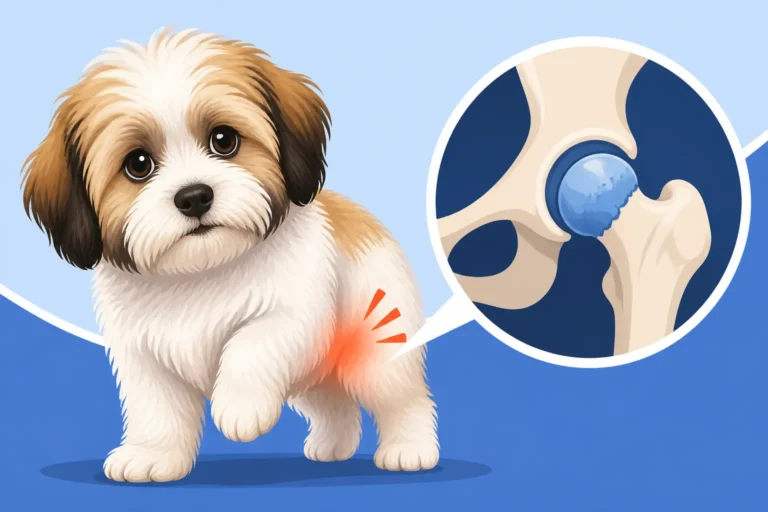
Whether a Havanese’s Short Legs Come From the Blanquito
One of the most fascinating aspects of Havanese ownership is delving into their unique heritage. It's easy to look at those adorable, often somewhat short legs and wonder if they're a hallmark passed down through generations, perhaps from an ancient ancestor like the fabled Blanquito de la Habana. Many owners ponder if this distinctive physical trait is a direct inheritance, or if modern breeding practices and genetic factors play a larger role in the characteristic silhouette we adore today. This guide will explore the historical lineage of the Havanese, examining the influence of its predecessors, particularly the Blanquito, on the breed's conformation and the truth behind those charming, shorter limbs.
Tracing the Ancestry: The Blanquito de la Habana
To understand the Havanese, we simply must start with the Blanquito de la Habana. This isn't just some vague historical footnote; the Blanquito is essentially the foundational stock from which our modern Havanese sprang. Imagine a small, charming companion dog, mostly white, with a soft, silky coat. That's your Blanquito, a beloved fixture in Cuban households for centuries. These little dogs were the original "Havana Silk Dogs," cherished pets of the Cuban aristocracy and upper classes, long before the Havanese was formally recognized.
The Blanquito wasn't a distinct breed in the way we understand breeds today, with strict standards and kennel club recognition. Instead, it was a landrace, a type of dog that developed naturally within a specific geographical area, bred informally by locals for companionship. They were robust little dogs, well-suited to the Cuban climate and lifestyle. Their defining characteristic was often their exquisite, flowing white coat, hence "Blanquito," meaning "little white one."
What We Know About the Blanquito's Physique
From historical accounts and early descriptions, the Blanquito de la Habana was consistently described as a small dog, often weighing between 7 and 13 pounds. They possessed a lively, intelligent disposition and, crucially for our discussion, were noted for their sturdy, compact bodies. While explicit measurements are scarce from those early days, descriptions suggest they had proportionate, but not overly long, legs that supported their slightly longer-than-tall bodies. They weren't built like terriers with long, agile limbs, but rather like typical small companion dogs designed for indoor life.
It's important to differentiate between "short legs" and "chondrodysplasia." The Blanquito's legs were likely proportionate to its small stature, giving it a balanced, slightly elongated appearance rather than the distinctly short, bowed legs often associated with chondrodysplastic breeds like Dachshunds or Basset Hounds. Their build would have facilitated their characteristic springy gait, which is still a hallmark of the Havanese today. This natural, compact build contributed to their appeal as lap dogs and nimble household companions, able to navigate homes with ease.
The Blanquito's Role in Havanese Development
The Havanese as we know it today didn't just appear fully formed from the Blanquito. Over time, European seafarers and traders, particularly from Spain, introduced new breeds to Cuba. Among these were various types of Bichon dogs, and notably, small Poodles. These introductions led to interbreeding with the local Blanquito population, enriching the gene pool and gradually altering some physical characteristics. You can read more about how these introductions changed their appearance in this article on How Poodles Changed the Blanquito.
This cross-breeding wasn't a deliberate, controlled program initially. It was simply the natural mingling of dogs in a vibrant port city like Havana. The result was a dog that began to diversify in color and sometimes coat texture, moving away from the purely white Blanquito. This period of genetic mixing is crucial because it's when the more diverse Havanese breed type started to emerge, retaining many of the Blanquito's desirable traits but also acquiring new ones from the incoming European dogs. This evolution eventually led to the distinct Havanese we cherish today, a breed that is The Havanese Is the Only Breed Cuba Ever Produced.
The Arrival of Chondrodysplasia in the Havanese Lineage
Now, let's tackle the "short legs" question head-on, particularly concerning chondrodysplasia. Chondrodysplasia is a genetic condition that affects cartilage development, leading to disproportionately short limbs. Think of breeds like Dachshunds, Corgis, or Basset Hounds – their characteristic short, often bowed legs are due to this condition. The key here is "disproportionately" short; their bodies are of a relatively normal length, but their legs are much shorter than they would be in a dog of similar size without chondrodysplasia.
Research suggests that chondrodysplasia, or what's sometimes colloquially called "short-leggedness," was not a primary characteristic of the original Blanquito de la Habana. The Blanquito had proportionately short legs, fitting its small size, not the genetic deformity seen in chondrodysplasia. The introduction of this genetic trait into the Havanese lineage likely came through the later cross-breeding with European Bichon types and Poodles, some of which may have carried the gene for chondrodysplasia.
Distinguishing Proportional vs. Disproportional Short Legs
It’s a common misconception that all short-legged dogs have chondrodysplasia. This isn’t true. Many small breeds simply have short legs in proportion to their overall compact body size, without any genetic defect. The Blanquito falls into this category. Its legs were sturdy and adequate for its frame, allowing for agile movement. The characteristic "springy gait" of the Havanese, which is highly valued, would be hindered by the more extreme, often bowed limbs associated with severe chondrodysplasia.
The challenge is that the Havanese breed standard does allow for a slightly longer-than-tall body, and dogs can vary in leg length within that standard. This means some Havanese might appear to have shorter legs than others, even without true chondrodysplasia. However, genuine chondrodysplasia in Havanese is a recognized concern, leading to a specific conformation that can affect their movement and long-term joint health. For more on this, you can look into The Chondrodysplasia That Runs in Certain Havanese Lines.
The Havanese Breed Standard and Leg Length
The American Kennel Club (AKC) breed standard for the Havanese describes them as "sturdy little dogs, slightly longer than tall." It specifies that the height should be between 8 ½ and 11 ½ inches at the shoulder. The standard doesn't explicitly mention "short legs" but implies a balanced, proportionate structure. Dogs with extremely short or bowed legs that are characteristic of true chondrodysplasia would not align with the desired conformation that allows for the breed's signature springy, agile movement. Breeders often aim for a dog whose legs are neither too short nor too long, but perfectly in harmony with their body length, giving them a balanced, athletic appearance despite their small size.
It's a delicate balance. A Havanese shouldn't look "leggy" like a miniature poodle, but they also shouldn't look like they're dragging their belly like a dachshund. The ideal Havanese has enough leg length to allow for unhindered movement and a graceful, energetic trot. This is why responsible breeders are so careful about the genetics they pass on, trying to ensure that their puppies are structurally sound. Understanding whether a Havanese is Whether a Havanese Is Meant to Have Short Legs can help clarify these nuances.
Here's a simplified comparison of the Blanquito's perceived leg structure versus chondrodysplasia:
| Feature | Blanquito de la Habana (Historical) | Modern Havanese with Chondrodysplasia |
|---|---|---|
| Leg Length | Proportionate to body, not excessively short | Disproportionately short |
| Leg Appearance | Sturdy, straight, balanced | Often bowed, splayed, or stunted |
| Body-to-Leg Ratio | Balanced, slightly longer than tall body | Normal body length, very short legs |
| Movement Impact | Agile, springy gait | Can impact gait, reduced agility |
| Genetic Basis | Natural, non-chondrodysplastic | Genetic mutation affecting cartilage |
| Historical Prevalence | Unlikely to be a primary trait | Present in some modern lines |
Genetic Realities and Responsible Breeding
So, while the Havanese inherited its compact size and overall charming disposition from the Blanquito, the extreme "short-leggedness" sometimes observed in some Havanese is more likely attributed to the introduction of chondrodysplasia genes from later outcrosses, rather than being a direct inheritance from its pure Blanquito ancestors. The original Blanquito had legs that were perfectly suited to its body, enabling its lively nature.
The presence of the chondrodysplasia gene in the Havanese gene pool means that some individuals can indeed inherit this trait. This is where responsible breeding truly comes into play. Breeders should be aware of the genetic history of their lines and strive to produce Havanese that fit the breed standard for conformation, which includes sound, proportionate legs. Dogs with significant chondrodysplasia can face various health challenges, including issues with their spine and joints, so avoiding its propagation is important for the overall health of the breed. It's not just about looks; it's about the dog's comfort and longevity.
Understanding the Havanese Gene Pool
The Havanese breed faced near extinction after the Cuban Revolution, with only a handful of dogs making it to the United States. This created a very small founding population, meaning the modern Havanese gene pool is relatively narrow. This narrowness can sometimes concentrate certain genetic traits, both good and bad, making careful screening and thoughtful breeding choices even more critical. If the chondrodysplasia gene was present in even a few of these founding dogs, its prevalence could become more noticeable over generations.
Breeders committed to the health of the Havanese understand that genetic diversity and health screening are paramount. They carefully select breeding pairs to minimize the risk of passing on undesirable traits, including severe structural issues that could impact the dog's quality of life. Owners interested in the health of their future Havanese can learn a lot by researching What Chondrodysplasia Does to a Havanese.
The Importance of Health Testing and Conformation
For prospective owners, understanding the nuances of Havanese conformation is really important. When looking for a puppy, you'll want to observe the parents' structure, if possible, and ask breeders about their health testing protocols. A reputable breeder will be transparent about the health history of their lines, including any incidence of chondrodysplasia or other orthopedic issues. They understand that a Havanese should be built for comfort and agility, not just aesthetics.
Ultimately, while the Havanese is a small, compact breed with naturally shorter legs compared to larger dogs, the distinctly disproportional short legs associated with chondrodysplasia are not a direct, intended inheritance from the original Blanquito de la Habana. Rather, they represent a genetic deviation that has become present in some lines through breed development and can lead to health concerns if not carefully managed through responsible breeding practices. Your Havanese's sweet, lively nature and healthy conformation are a testament to centuries of evolution and dedicated preservation.
Disclaimer
This article is intended for informational purposes only and does not constitute veterinary advice. Always consult with a qualified veterinarian for any health concerns or before making decisions about your pet's care.