The Liver Shunt a Havanese Puppy Shows Before Six Months
Watching your beloved Havanese puppy struggle with strange symptoms like lethargy, stunted growth, or even neurological episodes before they even reach six months old can be utterly terrifying and confusing. Many owners might not even realize these seemingly unrelated issues point to a serious, underlying condition affecting their little one's internal plumbing. This comprehensive guide will walk you through everything you need to know about congenital liver shunts in Havanese puppies, helping you understand the condition, recognize the warning signs, navigate diagnosis, explore treatment options, and prepare for the journey ahead.
Understanding What a Liver Shunt Truly Is in Your Havanese Puppy
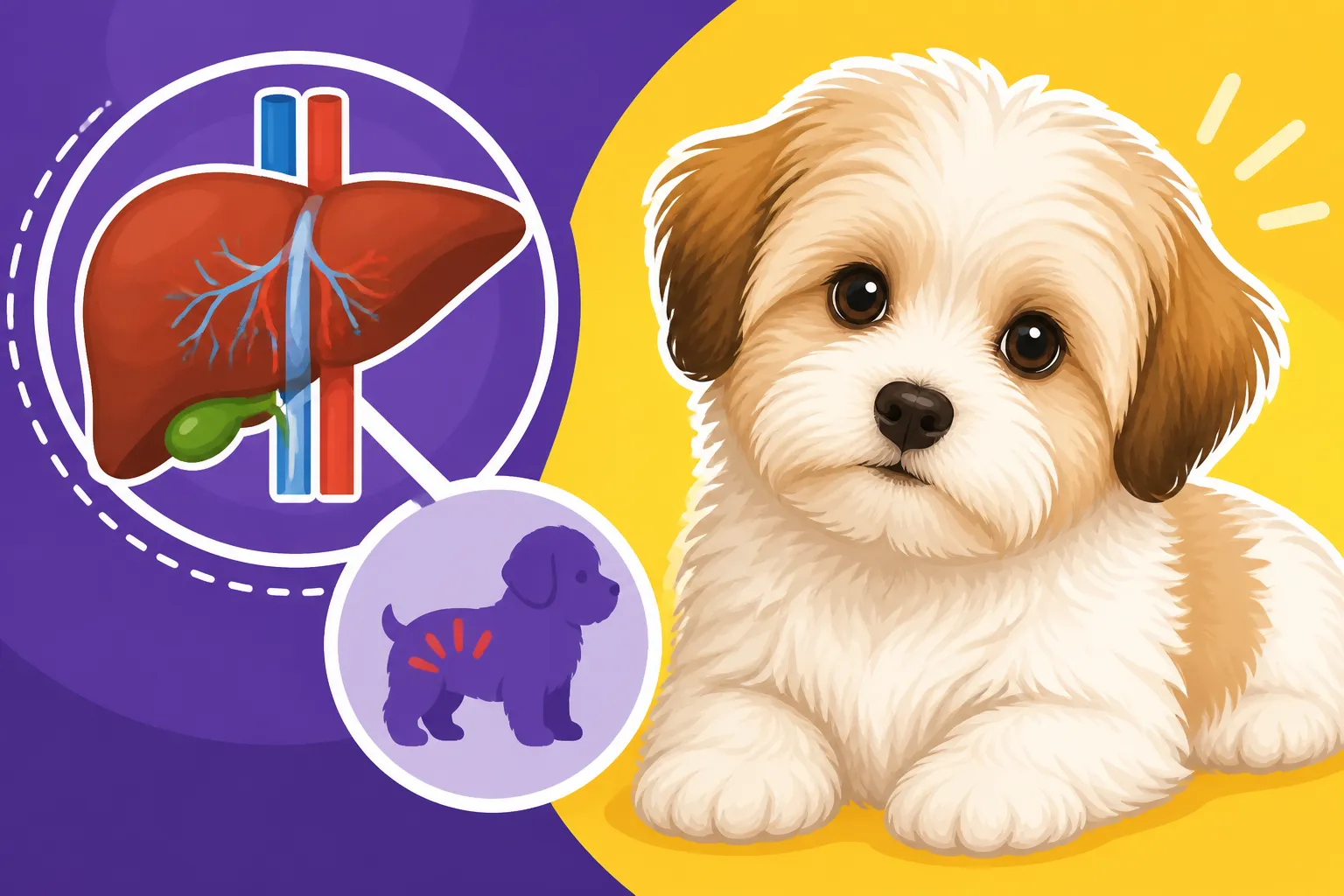
When we talk about a liver shunt, or more accurately, a portosystemic shunt (PSS), in a Havanese puppy, we're discussing a serious vascular anomaly. In a healthy puppy, blood flows from the intestines, pancreas, and spleen through the portal vein directly into the liver. The liver acts as a vital filtration system, processing nutrients, detoxifying waste products like ammonia, and metabolizing drugs before the blood returns to the general circulation. However, with a liver shunt, an abnormal blood vessel, or vessels, bypasses the liver entirely. This means that a significant portion of the blood from the digestive system, laden with toxins and unprocessed nutrients, goes directly into the systemic circulation without being filtered by the liver.
The Critical Role of the Liver in Canine Health
Think of your Havanese puppy's liver as its personal waste management and nutrient processing plant. It's an incredible organ that performs hundreds of functions essential for life. When blood from the intestines arrives, full of absorbed nutrients and also metabolic byproducts, the liver's job is to sort through it all. It converts sugars into glycogen for storage, processes fats, produces vital proteins, and perhaps most crucially, filters out harmful substances like ammonia, which is a byproduct of protein digestion. Without the liver effectively performing these tasks, these toxins can build up in the bloodstream, leading to a cascade of health problems throughout the body, particularly affecting the brain.
This vital role makes any disruption to liver function profoundly impactful. In puppies, whose systems are still developing and who are growing rapidly, the consequences of a shunting vessel are often seen quite early. They simply can't process what they need to thrive, nor can they effectively eliminate waste products. Understanding this fundamental process helps us grasp why the symptoms of a liver shunt can be so diverse and debilitating for a small Havanese. It's not just a minor issue; it's a fundamental breakdown in a critical bodily system that dictates overall health and well-being.
Congenital Versus Acquired Shunts in Havanese
There are two main types of liver shunts: congenital and acquired. For Havanese puppies, we're primarily concerned with congenital shunts, which means they are present from birth. These shunts develop due to abnormalities during fetal development when the fetal circulatory system, which naturally bypasses the liver, fails to close properly after birth. In most cases, the abnormal vessel is located outside the liver (extrahepatic), though it can sometimes be found inside the liver (intrahepatic). Extrahepatic shunts are far more common in small to medium-sized breeds like the Havanese.
Acquired shunts, on the other hand, typically develop later in life, usually in older dogs, and are a secondary complication of severe liver disease, such as cirrhosis or chronic hepatitis. In these cases, the liver itself is so damaged that blood flow through it becomes restricted, causing pressure to build up in the portal vein. The body then tries to create new pathways to relieve this pressure, leading to the formation of multiple small shunting vessels. These acquired shunts are usually multiple and diffused throughout the liver, and their prognosis and treatment differ significantly from the single, congenital shunts seen in puppies. Because we're focusing on Havanese puppies under six months, the congenital type is almost exclusively what we'll be discussing.
Recognizing the Early, Subtle Signs of a Liver Shunt in Havanese Puppies
It's heartbreaking to see a puppy not thriving, and with a liver shunt, the signs can be incredibly varied and sometimes subtle, especially if you're not specifically looking for them. Many Havanese owners might initially dismiss these symptoms as a picky eater, a sensitive stomach, or just a "small" puppy in the litter. However, these early indicators, particularly before six months of age, are crucial clues that something more serious is at play with your Havanese. The earlier you spot these red flags, the better the chance for a positive outcome.
Growth Stunting and Failure to Thrive
One of the most common and often first noticed signs of a liver shunt in a Havanese puppy is a noticeable failure to thrive. These puppies are typically smaller than their littermates, even if they were born roughly the same size. They just don't grow at the expected rate. Imagine a litter of energetic, playful Havanese puppies, all gaining weight steadily, and then there's one who just seems to lag behind, always a bit smaller, perhaps a little scrawnier. This isn't just a "runt" scenario; it's a sign that their body isn't getting the nutrients it needs to develop properly.
This growth stunting happens because the liver isn't effectively processing nutrients absorbed from the gut. Essential proteins, carbohydrates, and vitamins are simply bypassed, preventing the puppy from building muscle, growing bones, and gaining healthy weight. Owners might notice their puppy's appetite is often poor or inconsistent, further contributing to their small stature. They may seem frail compared to their robust siblings, and their overall development milestones might be delayed. If your Havanese puppy consistently falls behind its littermates in size and energy, despite eating what seems like enough food, it's a significant warning sign that something deeper is amiss, urging a prompt veterinary visit. This inability to absorb and utilize nutrients properly is one of the clearest signs that could point to a liver shunt, as explored in "Whether a Havanese Puppy With a Shunt Is Small".
Gastrointestinal and Urinary Irregularities
The digestive system and urinary tract are often the first to show outward signs of a liver shunt, primarily due to the buildup of toxins. You might notice your Havanese puppy experiences intermittent vomiting, especially after eating protein-rich meals, or bouts of diarrhea that come and go. These are direct results of undigested or improperly processed substances irritating the gut. The toxins also affect the urinary system. Increased urination (polyuria) and excessive thirst (polydipsia) are common because the kidneys are working overtime to try and flush out the accumulating waste products from the bloodstream.
Another very telling sign, though perhaps less common or harder to spot for a casual observer, is the presence of ammonium biurate crystals in the urine, which can sometimes lead to bladder stones. These crystals form due to the liver's inability to convert ammonia into urea for proper excretion, leading to higher levels of ammonia and uric acid in the urine. If your puppy is having trouble urinating, straining, or showing discomfort, your vet might find these crystals during a urinalysis. Any combination of these gastrointestinal upsets and urinary changes, particularly when recurrent and without another clear cause, should prompt a conversation with your veterinarian about potential liver issues.
Neurological Symptoms: The Brain's Cry for Help
Perhaps the most alarming and severe signs of a liver shunt are the neurological symptoms, often collectively referred to as hepatic encephalopathy. These occur when toxins, especially ammonia, bypass the liver and build up in the bloodstream, reaching the brain and disrupting its normal function. For a Havanese puppy, these signs can range from mild to life-threatening. You might observe a general dullness or lethargy; the puppy just isn't as bright, active, or playful as it should be. They may seem disoriented, walking into objects, or staring blankly into space.
More severe neurological signs include circling, head pressing against walls or furniture, clumsiness, balance issues, and even blindness. The most dramatic and frightening symptom is seizures, which can be generalized or focal. These episodes often occur after meals high in protein, as protein digestion produces more ammonia. A puppy might have a seizure, recover, and seem fine for a while, only for it to recur. It's truly heartbreaking to witness. If you ever see your Havanese puppy displaying any of these unusual behaviors, especially head pressing or seizures, it is an emergency that requires immediate veterinary attention. These symptoms are a strong indicator of "The Signs a Havanese Puppy Has a Shunt" and the severity of the underlying issue.
The Diagnostic Journey: Confirming a Liver Shunt in Your Havanese
Unraveling the mystery of a liver shunt in your Havanese puppy can feel like navigating a maze. The symptoms are often vague and can mimic other conditions, making a definitive diagnosis challenging but absolutely critical. Your veterinarian will likely start with a thorough physical examination and discuss your puppy's history, then move on to a series of specific tests designed to pinpoint the issue. This journey requires patience, a keen eye for detail, and a close working relationship with your vet.
Initial Veterinary Consultation and Blood Work
Your first step, naturally, is a visit to your trusted veterinarian. During the initial consultation, be prepared to discuss every tiny detail about your Havanese puppy's behavior, eating habits, growth, and any observed symptoms, no matter how minor they seem. Your vet will conduct a comprehensive physical exam, often noting the puppy's smaller size, poor body condition, or a general lack of vitality. This clinical picture, combined with your observations, will help your vet decide on the next steps.
Blood work is almost always the first line of diagnostic testing. A standard complete blood count (CBC) and biochemistry panel can provide important clues. While not definitive for a shunt, these tests can reveal abnormalities consistent with liver dysfunction, such as mild anemia, elevated liver enzymes (though sometimes they can be normal or even low with a shunt), low blood urea nitrogen (BUN) levels, and low albumin. Low BUN is particularly telling because the liver is responsible for converting ammonia to urea; if blood bypasses the liver, less urea is produced. These initial blood tests, while not proving a shunt, certainly point in a suspicious direction and warrant further investigation.
Bile Acid Tests: The Key Biochemical Indicator
When a liver shunt is suspected, a bile acid test is often the most revealing biochemical test. This test measures the concentration of bile acids in the blood before and after a meal. In a healthy dog, bile acids are produced by the liver, stored in the gallbladder, released into the small intestine to aid fat digestion, and then reabsorbed and returned to the liver for reprocessing. With a liver shunt, the reabsorbed bile acids bypass the liver, leading to significantly elevated levels in the bloodstream.
Typically, two blood samples are taken: one after a 12-hour fast (pre-prandial) and another two hours after a small, fatty meal (post-prandial). The post-prandial value is usually dramatically elevated in dogs with a shunt. This test is highly sensitive and specific for liver shunts and other serious liver diseases. If your Havanese puppy's bile acid levels are abnormal, especially the post-prandial reading, it strongly indicates that the liver isn't doing its job of reprocessing bile acids, making it a critical piece of the diagnostic puzzle. Many breeders will advocate for a "Whether a Bile Acid Test Belongs on a Havanese Puppy" even before symptoms appear, depending on family history.
Advanced Imaging: Visualizing the Shunt
Once the bile acid test strongly suggests a shunt, the next crucial step is advanced imaging to visually locate and characterize the abnormal vessel. This is where the definitive diagnosis is made.
Ultrasound: A specialized abdominal ultrasound is often the first imaging modality used. A skilled veterinary ultrasonographer can often identify the abnormal vessel, determine if it's extrahepatic (outside the liver) or intrahepatic (inside the liver), and assess the size of the liver (which is often smaller than normal due to reduced blood flow). Ultrasound is non-invasive and provides a good initial picture of the vascular anatomy.
CT Angiography (CTA): For the most detailed and precise visualization, CT angiography is considered the gold standard. This involves injecting a contrast dye into the bloodstream and then performing a CT scan. The dye highlights the blood vessels, allowing the veterinary team to create a 3D map of the portal system and pinpoint the exact location, size, and number of shunting vessels with incredible accuracy. This information is vital for surgical planning.
Portography: In some cases, usually during surgery, a traditional portography may be performed. This involves injecting contrast directly into a vessel of the portal system (like a mesenteric vein) and taking X-rays. This provides a real-time view of blood flow and the shunting vessel. While still used, CTA has largely replaced it as the preferred pre-surgical diagnostic tool due to its non-invasiveness and comprehensive 3D data. These imaging techniques allow the veterinary team to move from suspicion to a concrete diagnosis, laying the groundwork for effective treatment.
Navigating Treatment Options for a Havanese Puppy with a Liver Shunt
Receiving a diagnosis of a liver shunt in your Havanese puppy can be overwhelming, but it's important to remember that there are viable treatment options. The primary goal of treatment is to reroute blood flow back through the liver, allowing it to perform its detoxification and metabolic functions properly. Depending on the type of shunt and the puppy's overall condition, this can involve medical management or, more commonly, surgical intervention.
Medical Management: Stabilizing Your Puppy
For many Havanese puppies diagnosed with a liver shunt, medical management is often the first step, whether it's a temporary measure before surgery or the sole long-term approach if surgery isn't an option. The aim here is to reduce the production and absorption of toxins, particularly ammonia, and to support liver function.
Dietary Modifications: A crucial component of medical management is a specialized diet. This typically involves a protein-restricted diet, as protein digestion produces ammonia. However, puppies still need protein for growth, so it's a delicate balance. High-quality, digestible protein sources are preferred. Commercial therapeutic diets designed for liver disease, such as those from Royal Canin (Hepatic) or Hill's (l/d), are often prescribed. These diets are carefully formulated to provide sufficient nutrients while minimizing toxin production. For instance, a diet rich in vegetable protein rather than animal protein may be recommended, as it produces less ammonia.
Lactulose Therapy: Lactulose is a synthetic sugar that works in two ways. First, it helps to trap ammonia in the colon, preventing its absorption into the bloodstream. Second, it promotes the growth of beneficial bacteria that convert ammonia into less toxic forms. It's usually given orally and the dose is adjusted to achieve soft, pudding-like stools, indicating it's working effectively.
Antibiotics: Certain oral antibiotics, like metronidazole or ampicillin, are often prescribed to reduce the number of ammonia-producing bacteria in the gut. By decreasing these bacteria, the overall production of ammonia is lowered, reducing the toxic burden on the puppy's system. These medications are typically given long-term as part of the management strategy. This multi-pronged medical approach helps to stabilize the puppy, alleviate symptoms of hepatic encephalopathy, and prepare them for potential surgical intervention, giving them a better chance at a healthier life.
Surgical Intervention: The Definitive Solution
For most Havanese puppies with a single, congenital extrahepatic liver shunt, surgical correction offers the best chance for a long-term, normal life. The goal of surgery is to close or attenuate (partially close) the abnormal vessel, forcing blood to flow through the liver as it should. "Whether a Havanese Shunt Can Be Repaired" is a common question, and thankfully, for many, the answer is yes.
Attentuation vs. Ligation: The exact surgical technique depends on the nature of the shunt. In many cases, a complete closure (ligation) of the shunt is ideal. However, completely closing the shunt immediately can sometimes cause a sudden increase in pressure in the portal vein, leading to potentially fatal complications. To mitigate this risk, surgeons often use a technique called attenuation, where the shunt is only partially closed. This allows the liver to gradually adapt to the increased blood flow over several weeks or months. This partial closure is often achieved using an ameroid constrictor or a cellophane band.
Ameroid Constrictors and Cellophane Bands:
- Ameroid Constrictor: This is a ring-shaped device made of casein, which absorbs fluid from the body over time and swells, gradually constricting the shunt. The process takes several weeks or months, allowing the liver to slowly adjust. This gradual closure minimizes the risk of portal hypertension.
- Cellophane Banding: Similar to the ameroid constrictor, a cellophane band is placed around the shunt vessel. The body's inflammatory response to the cellophane causes fibrous tissue to form, gradually closing the shunt over 2-3 months. Both methods achieve a slow, controlled closure, which is safer for the puppy.
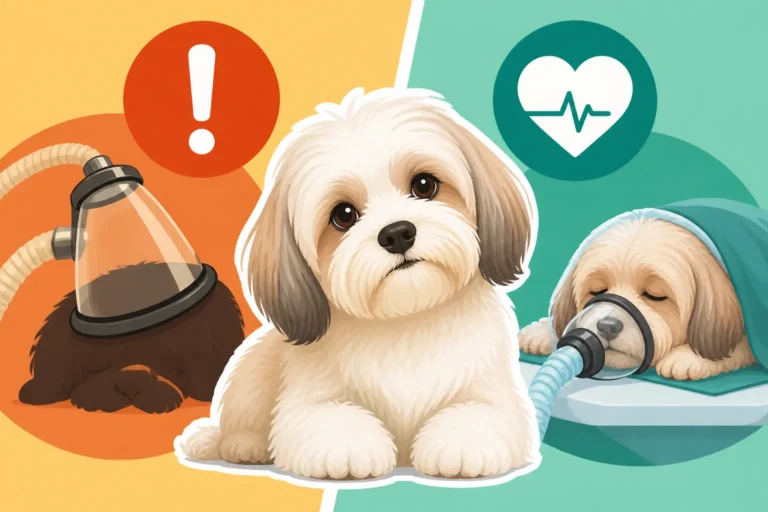
Anesthesia Considerations: It's important to discuss "Whether a Havanese Reacts Badly to Anesthesia" with your veterinary team. Due to their compromised liver function, puppies with shunts can be more sensitive to certain anesthetic drugs. A specialized anesthetic protocol, often involving drugs that are primarily metabolized by the kidneys rather than the liver, is crucial to ensure their safety during surgery. Careful monitoring before, during, and after the procedure is paramount.
Post-Surgical Care and Monitoring
The journey doesn't end after surgery; post-operative care is just as critical for a successful outcome. Your Havanese puppy will require careful monitoring and continued medical management for several weeks or months following the procedure.
Immediate Post-Op Monitoring: Immediately after surgery, your puppy will need intensive care. This includes pain management, fluid therapy, and close observation for any signs of complications, such as portal hypertension (which can manifest as abdominal discomfort, vomiting, or ascites) or lingering neurological symptoms. They will likely stay in the veterinary hospital for a few days to ensure they are stable.
Continued Medical Management: Even after surgery, it's common for puppies to remain on a liver-friendly diet, lactulose, and sometimes antibiotics for several weeks or even months. This helps to support the recovering liver and prevent any residual toxins from causing issues. Your vet will guide you on when and how to gradually reduce or discontinue these medications.
Follow-Up Bile Acid Tests: Regular follow-up bile acid tests are essential to monitor the effectiveness of the surgery. Typically, these tests are performed at specific intervals (e.g., 6-8 weeks, 3 months, 6 months post-op) to confirm that the shunt has closed completely and the liver is functioning properly. A significant drop in post-prandial bile acid levels indicates a successful outcome, showing that blood is now flowing through the liver as intended. This diligent post-operative care is key to ensuring "Whether a Havanese Lives Normally After Shunt Surgery" turns out to be a resounding yes.
Life After Diagnosis and Treatment: Managing Your Havanese's Health
For Havanese puppies who undergo successful treatment for a liver shunt, life can dramatically improve. However, it's not always a straight path, and some level of ongoing management and vigilance is often required. Understanding the long-term implications and how to best support your furry friend will make all the difference in their quality of life.
Long-Term Dietary Needs and Nutritional Support
Even after a successful surgical correction, many Havanese who have had a liver shunt often benefit from continued dietary management, though usually less strict than pre-surgery. The liver has been under stress, and it can take time to fully recover its function. Some dogs may have a slightly compromised liver for life, even if the shunt is fully closed.
Your veterinarian will advise on the most appropriate diet. This might mean continuing a high-quality, easily digestible protein diet, possibly with a slightly reduced protein content compared to a standard adult dog food, but less restrictive than the initial prescription diet. The goal is to provide adequate nutrition for energy and repair without overwhelming the liver with too much protein to metabolize. Some dogs may also benefit from supplements that support liver health, such as S-adenosylmethionine (SAMe) or milk thistle, though these should always be discussed with your vet. Regular monitoring of liver enzymes and bile acids will help your vet fine-tune the dietary plan, ensuring optimal health for your Havanese. It’s a misconception that "Whether Diet Alone Manages a Havanese's Shunt," as diet is usually supportive, not curative, for congenital shunts.
Monitoring for Complications and Recurrence
While surgical correction is often highly successful, it's important to remain vigilant for potential complications or, in rare cases, shunt recurrence. Sometimes, if the initial attenuation was only partial, other tiny, acquired shunts can develop over time as the body continues to try and relieve pressure if the main shunt doesn't fully close.
Owners should watch for any return of the original symptoms: lethargy, reduced appetite, vomiting, neurological signs like head pressing or disorientation, or a general decline in energy. These could indicate that the liver isn't functioning optimally or that a new shunt has formed. Regular follow-up appointments with your veterinarian, including periodic blood tests (liver enzymes, bile acids), are crucial for early detection of any issues. Maintaining an open dialogue with your vet about any subtle changes you observe in your Havanese is paramount to catching potential problems before they become severe.
Living a Full Life: Exercise, Play, and Quality of Life
With successful treatment and ongoing care, many Havanese puppies recover remarkably well from a liver shunt and go on to live full, happy lives. Their energy levels typically normalize, their appetite improves, and they can finally grow into the spirited, charming companions they were meant to be. It's truly wonderful to see a once-ailing puppy transform into a vibrant, playful dog.
You should still ensure your Havanese gets appropriate exercise and mental stimulation for the breed. Daily walks, engaging play sessions, and interactive toys are all important for their physical and mental well-being. While they may require a special diet or occasional medication, this typically becomes part of their routine, easily managed by dedicated owners. The key is consistent, attentive care, working closely with your veterinary team to provide the best possible quality of life. The initial struggle can be immense, but the reward of seeing your Havanese thrive after overcoming such a serious health challenge is immeasurable.
Preventative Measures and Breeder Responsibility in Havanese Liver Shunts
While a liver shunt diagnosis is often devastating, understanding its potential genetic component and breeder responsibilities can help future Havanese families. Although the exact mode of inheritance is still under investigation, evidence suggests a genetic predisposition in certain breeds, including Havanese. This places a significant ethical and practical responsibility on breeders.
The Role of Genetics and Heredity
The incidence of portosystemic shunts is higher in some purebred dogs, including the Havanese, which strongly suggests a genetic component. While it's not a simple dominant or recessive gene that can be easily screened for with a DNA test yet, the fact that it appears more frequently in certain lines or breeds indicates that genetics play a role. Responsible breeders are keenly aware of this and strive to make informed breeding decisions to reduce the likelihood of producing affected puppies.
Research is ongoing to identify specific genetic markers, but until then, breeders rely on health screening and careful pedigree analysis. It’s a complex issue because a dog can carry genes for a shunt without showing symptoms themselves, only passing it on to their offspring. This makes the selection of breeding pairs even more critical. Understanding that this is not just a random occurrence, but potentially linked to hereditary factors, empowers both breeders and prospective puppy owners to ask the right questions and demand thorough health clearances.
Breeder Screening and Ethical Practices
A responsible Havanese breeder plays a crucial role in minimizing the incidence of liver shunts. Ethical breeding practices extend beyond just providing a loving home for puppies; it involves comprehensive health screening of the parent dogs and careful management of breeding lines.
Health Testing: While there isn't a specific DNA test for liver shunts in Havanese, ethical breeders will often perform pre-breeding bile acid tests on their potential breeding stock to ensure their livers are functioning properly. They should also be transparent about the health history of their breeding dogs and their lineage, including any instances of shunts in previous litters or relatives. A reputable breeder will have all "The Health Tests Both Havanese Parents Should Have" readily available for prospective buyers.
Puppy Screening: Some breeders go a step further and perform screening bile acid tests on entire litters of Havanese puppies before they go to their new homes. This proactive approach can catch shunts early, allowing for timely intervention and preventing unsuspecting owners from facing a sudden, devastating diagnosis. While not universally required, this practice demonstrates a high level of commitment to the health of their puppies. "Whether a Havanese Breeder Should Bile Acid Test" their puppies is a question that highlights dedication to the breed's health.
Transparency and Communication: The hallmark of a responsible breeder is transparency. They should be willing to openly discuss health concerns, show you all health clearances for parent dogs, and explain their breeding philosophy aimed at producing healthy puppies. They should also be there to support you if a health issue, such as a liver shunt, arises. If a breeder is evasive about health testing, seems to have an abundance of puppies always available, or offers puppies at a price that seems too good to be true, these are significant red flags that could indicate a lack of ethical breeding practices and potentially higher health risks.
Coping Emotionally and Financially with a Havanese Liver Shunt Diagnosis
Discovering your precious Havanese puppy has a liver shunt is an incredibly stressful experience, impacting you not just emotionally, but financially as well. The complex nature of the condition, coupled with the specialized care required, can lead to significant costs. It's vital to be prepared for the journey ahead and to know what resources are available to help you navigate this challenging time.
The Emotional Toll on Owners
The emotional impact of a liver shunt diagnosis is profound. One moment you're dreaming of a lifetime of cuddles and adventures with your new Havanese puppy, and the next you're faced with a serious medical condition that requires extensive treatment. It's completely normal to feel a whirlwind of emotions: shock, sadness, fear, guilt, and even anger. You might blame yourself, the breeder, or simply feel overwhelmed by the unfairness of it all.
Watching your small puppy struggle with symptoms like lethargy, seizures, or developmental delays can be heartbreaking. The uncertainty of the prognosis, the stress of making complex medical decisions, and the worry about your puppy's pain can take a significant toll on your mental and emotional well-being. It's crucial to acknowledge these feelings and give yourself permission to grieve and process. Reaching out to support groups, online forums for Havanese owners with similar experiences, or even a therapist can provide much-needed emotional support during this difficult time. Remember, you're not alone in this, and taking care of your own mental health will enable you to better care for your beloved Havanese.
Understanding the Costs of Diagnosis and Treatment
Let's be realistic: diagnosing and treating a liver shunt in a Havanese puppy is a significant financial undertaking. This isn't a simple antibiotic prescription; it involves specialized tests, advanced imaging, potentially complex surgery, and ongoing post-operative care.
Diagnostic Costs: Initial vet visits, routine blood work, and the crucial bile acid test will be your first expenses. If these indicate a shunt, the next step is advanced imaging like an ultrasound or, more commonly, a CT angiography. A CT scan alone can cost anywhere from $1,500 to $3,000 or more, depending on your geographic location and the veterinary specialist. For example, "What a Bile Acid Test Costs on a Havanese Puppy" might be a few hundred dollars, but it's just the tip of the iceberg.
Surgical Costs: If surgery is pursued, this will be the most substantial cost. "What Shunt Surgery Costs a Havanese Owner" can range broadly from $3,000 to $8,000 or even higher, depending on the complexity of the shunt, the surgical technique used (ligation vs. ameroid constrictor/cellophane band), the length of hospital stay, and any complications. This figure usually includes the surgeon's fee, anesthesiologist's fee, facility costs, medications, and immediate post-operative care.
Long-Term Management Costs: Even after surgery, there are ongoing costs for specialized diets, medications like lactulose or antibiotics, and regular follow-up blood tests and vet visits. These can add up over time, even if individual expenses are smaller. Owners should budget for a few hundred dollars a month initially, tapering down over time. It's a significant commitment, but seeing your puppy recover and thrive makes it worth it for many families.
Financial Assistance and Pet Insurance Options
Given the high costs associated with liver shunt treatment, exploring financial assistance and pet insurance options is a prudent step for any Havanese owner. Proactive planning can make a world of difference when faced with such a diagnosis.
Pet Insurance: This is where pet insurance can be a lifesaver, if purchased before a diagnosis. Policies like those offered by Healthy Paws can cover a significant portion (often 70-90%) of eligible veterinary expenses for accidents and illnesses. However, it’s crucial to understand that pet insurance typically doesn't cover pre-existing conditions. This means if you purchase a policy after your Havanese puppy has been diagnosed or shown symptoms of a liver shunt, it's unlikely to be covered. This underscores the importance of considering pet insurance from the moment you bring your Havanese puppy home, as covered in "Insuring a Havanese Against Knees and Heart". While Healthy Paws, like other insurers, has its terms, many owners find it invaluable for unexpected major surgeries.
Payment Plans and Veterinary Credit Cards: Many veterinary hospitals understand the financial strain of extensive treatments and offer payment plans or work with third-party credit services like CareCredit. These options allow you to break down large veterinary bills into more manageable monthly payments.
Charitable Organizations and Breed-Specific Aid: There are often charitable organizations dedicated to helping pet owners with veterinary costs, and sometimes even breed-specific rescue groups or foundations that offer financial aid for specific health conditions. A quick online search for "veterinary financial aid" or "Havanese health assistance" might reveal resources in your area. Don't be afraid to ask your veterinary team for recommendations or information on available programs. Taking "Setting Money Aside for a Havanese's Vet Bills" is a smart move, but these options can provide crucial support when unexpected and major health crises arise.
Disclaimer
This article is for general informational purposes only and does not constitute professional advice. Laws, prices and regulations vary by location and change over time. Consult a qualified professional for guidance on your specific situation.