Why a Havanese Follows You Into Every Room
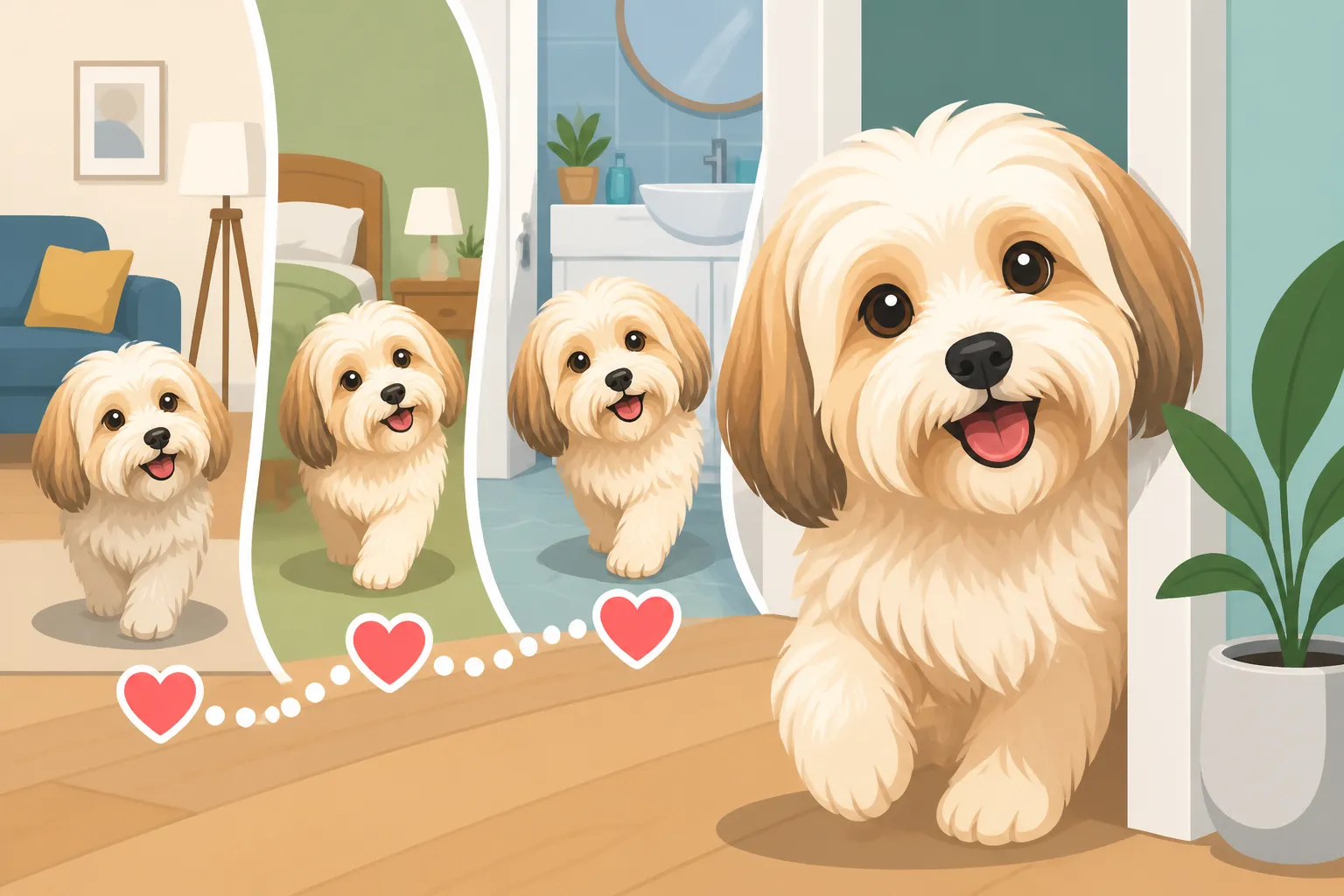
If you're a Havanese owner, you know the feeling: you stand up to go to the kitchen, and there's a little furry shadow right at your heels. You head to the bathroom, and a fluffy face is peeking around the door. This constant companionship is a hallmark of the breed, a delightful, if sometimes tripping-hazard-inducing, trait. This comprehensive guide will dive deep into why your Havanese has become your personal assistant, following you into every room, exploring the historical, behavioral, and emotional reasons behind this endearing habit.
The Historical Roots of the Havanese "Shadow" Behavior
To truly understand why your Havanese is so attached, we need to take a little trip back in time and explore their origins. These aren't just modern-day couch potatoes; their very existence is woven with the thread of human connection. They weren't bred for hunting, herding, or guarding; they were bred for pure, unadulterated companionship.
Bred for Constant Companionship
Imagine the grand homes of Cuban aristocracy centuries ago. Life was often slow-paced, filled with social gatherings, leisurely afternoons, and a distinct appreciation for the finer things in life. And right there, nestled in the laps of ladies and gentlemen, or trotting happily at their heels, was the Havanese. These dogs, descendants of the "Blanquito de la Habana," were specifically cultivated to be delightful, affectionate companions. Their job was, quite literally, to be with their people. They weren't meant to be out in a kennel or left alone for long stretches. Their entire purpose revolved around being a cherished member of the household, a constant, loving presence. This historical context is vital; it’s not just a quirk, it's an ingrained part of their genetic makeup, reinforced over generations. The expectation was always to be near, to be involved, to be adored.
A History of Human Centrality
The lifestyle of their original owners further cemented this behavior. In a time before television and widespread digital entertainment, dogs like the Havanese provided engaging, lively interaction. They were often treated like miniature royalty, privy to family conversations, and included in daily activities, whether it was a quiet afternoon reading or a bustling social event. This meant they learned from a very early age that their world revolved around their humans. Their safety, their food, their comfort, and their entertainment all came directly from their human companions. This profound reliance on people for every aspect of their well-being is deeply ingrained. So, when your Havanese follows you from the living room to the kitchen, they’re not just being nosy; they're fulfilling a centuries-old role of being intrinsically linked to their person's movements and activities. It's a testament to their heritage as devoted family dogs.
Understanding the Havanese's Innate Social Nature
Beyond their historical role, the Havanese possesses an inherent social drive that manifests in their shadow-like behavior. They are creatures of connection, thriving on interaction and belonging. This isn't just about love; it's about their fundamental psychological needs.
The Pack Mentality in a Small Package
Even though they're small, Havanese dogs often have a strong "pack" mentality. To them, you and your family are their pack. And what do pack members do? They stick together. They move as a unit. For your Havanese, being physically close to you is a way to reinforce their place within this important social structure. It’s their way of saying, "I'm with my people, I'm part of the group, and I'm safe." They want to monitor your movements, understand where you are, and be ready to engage or respond if needed. Think about a puppy following its mother; it's a natural instinct for security and belonging. While your Havanese isn't a puppy anymore, that deep-seated need to be part of the group, to feel secure in your presence, often translates into them being your constant companion. It gives them comfort and a sense of order in their world.
"Velcro Dog" Tendencies
The term "Velcro dog" was practically invented for breeds like the Havanese. It perfectly describes a dog that wants to be physically touching you or at least within arm's reach at all times. This isn't just a cute quirk; it's a deep-seated desire for connection and physical reassurance. For a Havanese, your presence is their world. They draw comfort from your scent, the sound of your breathing, and the subtle shifts in your body language. If you move, they move. If you sit, they'll find a way to sit beside you, on you, or at your feet. This intense desire for proximity means they often perceive any separation, even just walking into another room, as a significant event. They're not being manipulative; they genuinely feel more secure and content when they are physically connected to you. It's a beautiful, if sometimes overwhelming, expression of their devotion.
Communication and Connection: What Your Havanese Is Trying to Tell You
When your Havanese follows you from room to room, they're not just moving aimlessly. They are communicating, seeking information, and expressing their deep connection to you. Understanding these subtle cues can help you better appreciate their motivation.
Seeking Proximity for Reassurance
One of the primary reasons your Havanese might shadow you is for reassurance. They might be feeling a little unsure, perhaps there's a new sound outside, or a visitor is present, or even just a change in your routine. Your presence is their safe harbor, their anchor in an ever-changing world. By sticking close, they are seeking comfort and confirmation that everything is okay. It's like a child holding a parent's hand in a crowded place. They're looking to you to provide a sense of stability. This can be particularly true if they've had any past experiences that made them feel insecure, or if they are prone to being a bit nervous. Your close proximity signals to them that they are safe and loved.
The Desire to Participate
Let's be honest, Havanese dogs are incredibly social and curious. They have a profound desire to be involved in whatever you're doing. Whether you're doing dishes, folding laundry, or just scrolling through your phone, they want to be right there, observing, perhaps even offering a paw to "help." They are not content to be mere spectators from another room. Their keen intelligence and people-pleasing nature mean they constantly seek opportunities for interaction and mental engagement. They want to know what's happening, if they can join in, or if there's a chance for a quick pet or a game. This is why you'll often find them lying near your feet, watching your every move with an intense, curious gaze. They are simply trying to be active participants in the "human" world they share with you.
Anticipating Your Next Move
Havanese dogs are clever little cookies, and they learn your routines with remarkable speed. They notice the subtle cues: the jingle of keys, the picking up of a specific bag, or even just the way you shift your weight before standing up. When they follow you into every room, they are often trying to anticipate your next move. Are you heading to the fridge for a snack? Maybe a tiny piece will drop! Are you going to the front door for a walk? They certainly don't want to miss out! This anticipation stems from their desire to be involved and to capitalize on any potential opportunities for positive interaction – food, walks, play, or affection. They are constantly gathering information from your movements and habits. This keen observation is a testament to their intelligence and their deep connection to your daily life.
When Following Becomes a Concern: Distinguishing Normal From Anxious Behavior
While a Havanese being your shadow is usually charming, it's important to recognize when this behavior might cross the line from affectionate companionship to something more concerning, like anxiety. There's a subtle but significant difference.
The Fine Line Between Affection and Anxiety
A truly affectionate Havanese will happily follow you, but also feel comfortable settling down in a different room if you leave, or relax in their bed while you're busy nearby. They might check in on you but don't panic when you're out of sight. An anxious Havanese, however, exhibits a heightened state of distress when you're not immediately available. This isn't just about wanting to be close; it's about a genuine fear of being alone. They might start to show signs of panic as soon as they sense you preparing to leave, or even just move into another room. It’s crucial to observe the context and their overall demeanor. Is the following relaxed and curious, or tense and desperate? Understanding this distinction is the first step in addressing any underlying issues. A truly healthy bond allows for a degree of independence. You can read more about a related topic in How Many Hours a Havanese Can Be Left Alone.
Observing Body Language Cues
Your Havanese's body language is a window into their emotional state. A happy, content shadow dog might have a relaxed posture, a gently wagging tail, soft eyes, and calm breathing. They might lie down near you, or just observe. However, if their following behavior is driven by anxiety, you might observe different signals. These could include excessive panting (when not hot), pacing, whining, trembling, drooling, or a tucked tail. They might try to physically block your path, stare intently at you, or become destructive when left alone, chewing on inappropriate items (something you can learn more about in What an Anxious Havanese Chews). If you see these signs, especially when you're simply moving from one room to another, it's a red flag that their attachment might be veering into unhealthy separation anxiety. Sometimes, the need to follow becomes so strong that it overrides their natural curiosity or desire to play independently.
The Impact of Early Life Experiences
A Havanese's tendency to follow, and whether it leans more towards affection or anxiety, can be heavily influenced by their early life experiences. Puppies who were well-socialized and gradually introduced to short periods of alone time often develop a healthier sense of independence. On the other hand, puppies who were constantly held, never allowed to explore independently, or perhaps came from an environment where they felt insecure, might develop a stronger, more anxious attachment. A responsible breeder will start this process of building confidence from a young age. Likewise, how you handle their first few weeks and months in your home, which is covered in The First Year With a Havanese Puppy, can profoundly shape their behavior. For instance, if you always immediately pick up a crying puppy, they might learn that distress brings instant attention, reinforcing an anxious attachment pattern. It's about finding that balance between showering them with love and fostering their self-reliance.
Strategies for Managing the Constant Companionship
While their devotion is heartwarming, there are times when your Havanese's constant shadowing can be a bit much, or worse, hint at underlying anxiety. Thankfully, there are many strategies you can employ to gently encourage more independence without breaking their spirit.
Creating "Safe Spaces" for Independent Time
One of the most effective ways to foster independence is to create a designated "safe space" for your Havanese where they can feel secure and comfortable, even when you're not right beside them. This could be a cozy crate with a soft blanket, a special dog bed in a quiet corner, or a small section of a room gated off. The key is to make this space consistently positive. Offer high-value chew toys or puzzle toys (many excellent options are available on Amazon) when they go there. Practice having them settle in their safe space for short periods while you are still in the room, gradually increasing the time. Never use this space as punishment. The goal is for them to associate it with relaxation and positive experiences, so they see it as their personal sanctuary, not a place of isolation. This helps them understand that being separate from you doesn't mean being abandoned.
Gradual Desensitization to Departures
For Havanese dogs with strong "Velcro" tendencies, even your short absences can feel like an eternity. To help them cope, practice gradual desensitization. Start with very brief departures, perhaps just stepping behind a baby gate or into an adjoining room for a few seconds, then returning casually. Don't make a big fuss when you leave or return. The idea is to make your coming and going a normal, non-eventful part of life. Gradually increase the duration of your absences. You can leave them with a stuffed KONG or a favorite treat to distract them. If they start to show signs of distress, shorten the time and try again. This process teaches them that you always come back and that being alone for a short while is nothing to fear. Many online training programs, like those offered by BAXTER & Bella, include modules specifically designed to help with separation anxiety and building independence. Learning more about The Havanese That Cannot Be Left Alone can also provide valuable insights.
Engaging Independent Play and Mental Stimulation
A Havanese that is constantly following you might simply be under-stimulated and seeking engagement. Providing opportunities for independent play and mental stimulation can redirect their focus and build their confidence. Invest in a variety of puzzle toys that dispense treats, encouraging them to think and work for their rewards. Chew toys can also be a great outlet for energy and anxiety. Rotating these toys keeps them novel and interesting. Engage in short, focused training sessions that build their cognitive skills, which you can learn about in Teaching a Havanese Tricks It Will Perform All Day. These activities teach them that they can entertain themselves and find satisfaction even without your direct, constant involvement. It shifts their reliance from solely you to also finding joy in their own activities.
Enriching Your Havanese's Life Beyond Your Shadow
While their desire to be with you is sweet, a well-adjusted Havanese also needs a world that extends beyond your personal orbit. Encouraging a broader range of interests and skills can build their confidence and make them more resilient to the inevitable times when you can't be their shadow.
Training for Confidence and Independence
Training isn't just about obedience; it's about building confidence and a strong working relationship with your dog. Teaching your Havanese a variety of commands and tricks gives them a sense of accomplishment and purpose. Concepts like "stay" and "go to your mat/bed" can be invaluable in teaching them to settle independently. Positive reinforcement training, using treats and praise, makes learning fun and reinforces their trust in you. As they master new skills, their self-esteem grows, and they become less reliant on your constant physical presence for security. Consider an online puppy training course, such as those provided by BAXTER & Bella, which often emphasize confidence-building exercises. A dog that is confident in its abilities and understands expectations is less likely to cling out of insecurity.
Socialization with People and Other Dogs
A Havanese that has a rich social life beyond their immediate family tends to be more well-rounded and less prone to intense clinginess. Regular, positive exposure to a variety of people, sounds, sights, and other friendly dogs helps them understand that the world is a safe and interesting place, even without you constantly at their side. Puppy classes are excellent for this, as are structured playdates with other calm, vaccinated dogs. These experiences build their resilience and teach them appropriate social behaviors. While your Havanese might naturally gravitate towards you, a good socialization foundation ensures they can navigate different environments and interactions without becoming overly stressed. This is not about making them less attached to you, but about broadening their sense of security to include their wider environment.
The Role of Routine and Predictability
Dogs, and Havanese are no exception, thrive on routine and predictability. A consistent daily schedule helps reduce anxiety because they know what to expect. Regular feeding times, potty breaks, walks, and designated playtimes create a predictable rhythm to their day. When they know their needs will be met, they are often calmer and more able to relax. If your schedule is erratic, they might feel a greater need to constantly monitor you, wondering when their next meal, walk, or cuddle session might occur. Establishing a clear routine for when you're home and when you'll be briefly out of sight can significantly reduce their need to shadow your every move out of uncertainty.
| Behavior Trait | Normal Affectionate Following | Anxious Following (Potential Separation Anxiety) |
|---|---|---|
| Motivation | Curiosity, desire for interaction, companionship | Fear of being alone, insecurity, panic |
| Body Language | Relaxed, loose body, gentle tail wag, soft eyes | Pacing, panting, whining, trembling, tucked tail, tense posture |
| Response to Absence | Settles down quickly, may watch you go, relaxes | Barks/howls, destructive chewing, inappropriate urination/defecation, frantic attempts to follow |
| Comfort Level Alone | Can entertain self with toys, naps, or explores room | Unable to settle, constantly seeks you out, destroys items |
| Greeting Upon Return | Happy, excited, but calms relatively quickly | Overly enthusiastic, frantic, takes a long time to settle |
| Independent Play | Will engage with toys or other dogs without prompting | Reluctant to play alone, seeks constant human interaction |
| Interaction Level | Enjoys cuddles and play, but also "me time" | Demands constant attention, follows even to bathroom |
Embracing the Havanese Clinginess (When It's Healthy)
While managing excessive clinginess is important for your dog's well-being, it's equally important to appreciate and embrace the beautiful, devoted nature of the Havanese. When it's healthy, their desire to be near you is one of the most charming aspects of the breed.
The Joy of a Devoted Companion
Let's face it, one of the main reasons we choose a Havanese is for their incredible companionship. They are called "Velcro dogs" for a reason, and for many owners, this is precisely what they adore. The joy of having a tiny, warm presence always nearby, a furry head resting on your foot, or a soft nudge reminding you they're there, is unparalleled. This breed offers a profound sense of connection and unconditional love that can be incredibly fulfilling. When their following behavior comes from a place of secure attachment and contentment, rather than anxiety, it's a gift. They are simply expressing their deep affection and their happiness at being a part of your life. This devotion can be a wonderful source of comfort and joy.
Strengthening Your Bond Through Shared Experiences
Their natural inclination to follow you into every room also provides countless opportunities to strengthen your bond. Every time they choose to be near you, it's a chance for a gentle pat, a shared quiet moment, or a spontaneous game of tug. Use these moments to reinforce your connection. Talk to them, even if it's just narrating your actions ("Okay, I'm going to get a glass of water now, buddy!"). Include them in appropriate activities, like sitting with you on the couch while you read or resting at your feet while you work. Their desire to be involved means they are always eager to share experiences with you. This constant presence isn't just about them being your shadow; it's about building a rich tapestry of shared life moments that deepens the unique bond between you and your beloved Havanese.
Disclaimer
This article is for general informational purposes only and does not constitute professional advice. Laws, prices and regulations vary by location and change over time. Consult a qualified professional for guidance on your specific situation.