Keeping a Havanese’s Ears Dry
Oh, the Havanese ear! It's one of those charming features that also comes with its own unique set of challenges. If you've ever found yourself wondering why your furry friend is constantly shaking their head after a bath, or why there's a mysterious smell emanating from their ear flaps, you're not alone. The truth is, those beautiful, floppy ears are little havens for moisture, and when moisture settles in, trouble often follows. This guide is all about understanding why your Havanese's ears are prone to getting damp and, more importantly, how you can proactively keep them dry and healthy, preventing those common, uncomfortable ear infections.
Why a Havanese's Ears Are Prone to Moisture
The Havanese, with their flowing coats and sweet, expressive faces, possess ear characteristics that, while adorable, make them particularly susceptible to moisture retention. It's not just about getting wet; it's about how those ears are designed to hold onto that wetness.
The Anatomy of a Havanese Ear
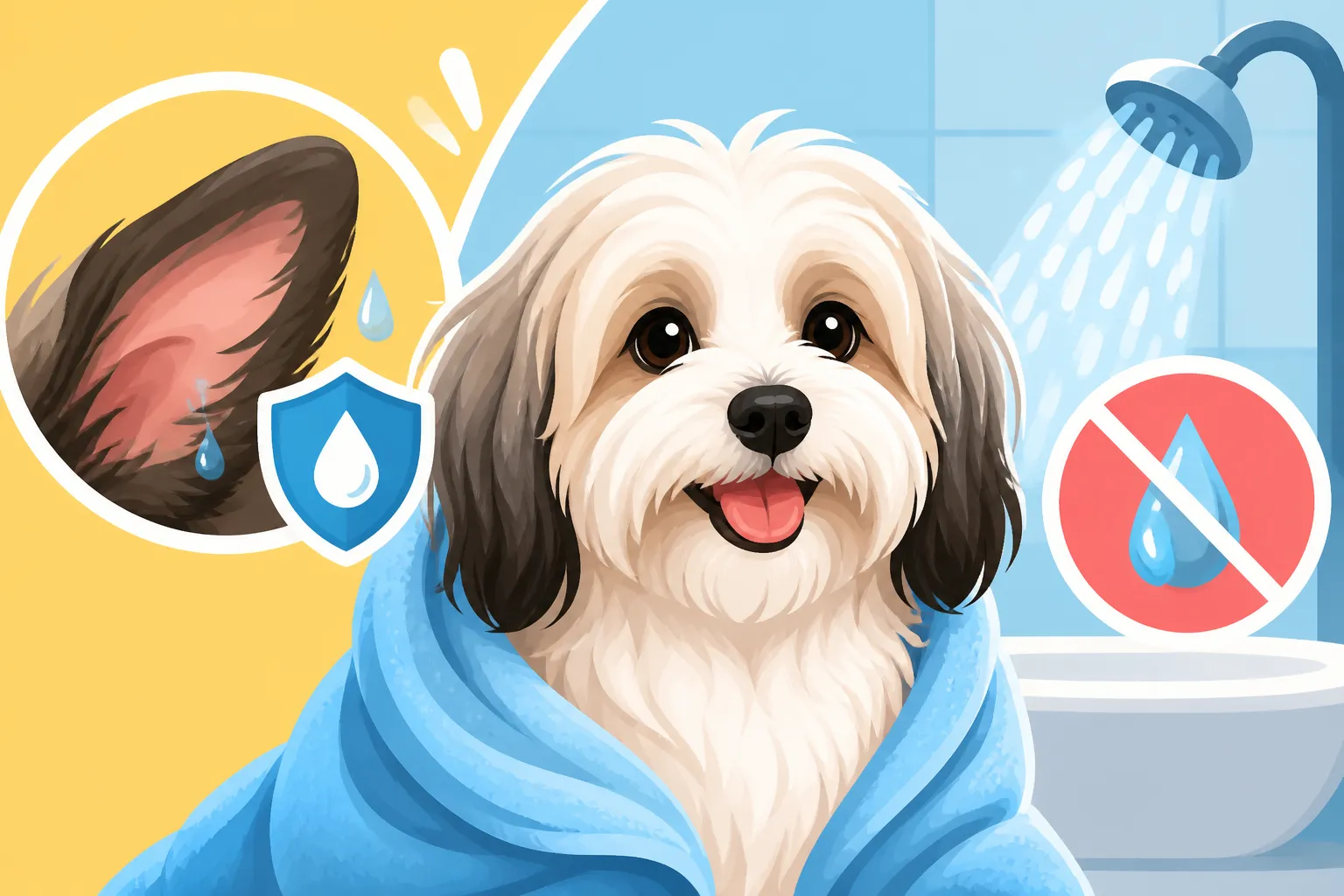
Imagine a warm, humid cave – that's often what the inside of a Havanese ear can feel like. Their ears are what we call "drop ears," meaning they hang down, covering the ear canal. This lovely feature immediately restricts airflow, creating a sealed-off environment. Add to that the dense hair that grows not just around the ear flap, but often deep inside the ear canal itself, and you have a perfect storm for trapping moisture. When air can't circulate freely, any water that enters the ear simply sits there, unable to evaporate quickly.
Think about a hot summer day. You might feel a little sticky, right? Now imagine that feeling inside a closed-off, hairy space. That's what your Havanese's ear experiences. This anatomical predisposition means that even a small amount of moisture can linger, turning the ear canal into an incubator for opportunistic microbes. It's a design quirk that requires a bit more vigilance from us, their human companions.
Common Scenarios Leading to Wet Ears
It's not always obvious how moisture gets into your Havanese's ears, but there are several common culprits that every owner should be aware of. The most obvious, of course, is bath time. No matter how careful you are, a splash or two can easily find its way into those vulnerable ear canals. Even if you manage to keep the inside dry during the wash, the dense hair around the ear flap itself can hold water, wicking it down into the canal later.
Beyond baths, think about your Havanese's love for outdoor adventures. A run through damp morning grass, a curious sniff around a dewy bush, or even just a walk in light rain can introduce enough moisture to cause issues. Some Havanese also love to "swim" – whether it's splashing in a shallow kiddie pool or enjoying a quick dip in a lake. While they might shake their heads vigorously afterward, that doesn't guarantee a dry ear canal. And let's not forget environmental factors: high humidity in the air can contribute to moisture buildup, as can drool, especially for dogs that might sleep in odd positions or have a habit of drooling. Each of these seemingly innocuous events can set the stage for a damp, problematic ear.
The Role of Ear Hair
The luxurious coat of a Havanese is one of its most defining features, but the hair inside and around the ears is a double-edged sword when it comes to ear health. This abundant hair acts like a wick, drawing moisture from the outer ear inwards, directly into the ear canal. It also forms a dense barrier, further preventing any trapped moisture from evaporating. Imagine trying to dry something through a thick, damp blanket – it's a slow and ineffective process.
Furthermore, this hair creates a perpetually warm, dark environment, which is exactly what yeast and bacteria thrive in. It reduces airflow, elevates temperature, and holds onto organic debris like ear wax, dead skin cells, and any trapped water, creating a veritable buffet for unwanted microbial guests. This is why many owners and groomers opt for managing this hair, either through careful trimming or plucking, to enhance ventilation and reduce the wicking effect. Understanding Whether Hair in a Havanese's Ear Canal Causes Infection is key to appreciating why this aspect of grooming is so vital.
The Dangers of Damp Ears: Understanding Ear Infections
Ignoring dampness in your Havanese's ears isn't just a minor oversight; it can quickly escalate into painful and recurring ear infections, which are unfortunately quite common in our beloved breed.
How Moisture Leads to Infections
When moisture becomes trapped in the warm, dark, and poorly ventilated environment of a Havanese's ear canal, it creates an ideal breeding ground for yeast and bacteria. These microorganisms are often naturally present in small numbers, but given the right conditions, they can multiply rapidly, leading to an infection. Yeast infections, caused by Malassezia pachydermatis, are particularly common and often result in a distinct, pungent, sweetish odor. Bacterial infections can be even more severe, causing significant discomfort and inflammation.
The excess moisture and subsequent microbial overgrowth lead to inflammation within the ear canal. This inflammation causes itching, redness, and swelling, which only makes the problem worse by further narrowing the ear canal and impeding airflow. Your Havanese might start scratching at their ears or shaking their head excessively, trying to relieve the irritation. This self-trauma can then break the delicate skin inside the ear, creating open wounds that become even more susceptible to deeper, more painful infections. It’s a vicious cycle that starts with a little bit of water and ends in significant discomfort for your pup.
Recognizing the Signs of an Ear Infection
Being vigilant and recognizing the early signs of an ear infection can save your Havanese a lot of pain and prevent the infection from becoming more severe or chronic. One of the most common signs you'll notice is increased head shaking. Your dog might vigorously shake their head, often favoring the infected side, as if trying to dislodge something uncomfortable. Persistent scratching at the ear, sometimes so intense that they rub raw patches behind the ear or on the ear flap, is another clear indicator.
When you lift your Havanese's ear flap, you might see redness or swelling inside the ear canal. There could be a noticeable discharge, which can range from yellowish to brownish, sometimes appearing waxy or pus-like. A distinct, unpleasant odor is also a major red flag – often described as yeasty, musky, or foul. Your Havanese might also show signs of pain when you touch their ear, flinching or crying out. They might even hold their head tilted to one side. If you notice any of these symptoms, it’s a strong sign that an ear infection has taken hold, and it's time for a trip to the vet. Knowing Whether a Havanese Gets Yeast in Its Ears specifically can help you understand the type of infection you might be dealing with.
Chronic Ear Issues and Their Impact
Unfortunately, if ear infections are left untreated or become a recurring problem, they can lead to far more serious, long-term consequences for your Havanese. Chronic inflammation and repeated infections can cause irreversible changes within the ear canal. The skin lining the canal can thicken and calcify, a condition known as hyperplasia, making the canal even narrower and more resistant to future treatment. This scarring permanently alters the ear's delicate structure, creating an even more challenging environment to keep clean and dry.
In severe cases, chronic infections can spread deeper into the middle or inner ear, leading to balance issues, hearing loss, or even neurological problems. The constant pain and irritation can also affect your Havanese's overall well-being and behavior. A dog in chronic pain might become withdrawn, irritable, or even aggressive when their ears are approached. It's a heartbreaking situation that can be largely prevented with diligent ear care. This highlights why understanding and addressing moisture in the ears proactively is so critical to their long-term health and happiness. What a Havanese Are Most Often Treated For often includes ear infections, underscoring their prevalence and impact.
Proactive Steps for Keeping Havanese Ears Dry
Preventing ear infections largely comes down to being proactive about managing moisture. It's about establishing routines and using the right techniques to keep those sensitive ear canals as dry as possible.
Post-Bath and Swim Routines
Bath time is often a big culprit for wet ears. To minimize water getting in, a simple yet effective trick is to gently place large cotton balls into your Havanese's ear canals before the bath begins. Make sure they are large enough not to get lost inside but snug enough to block water. Remember to remove them immediately after the bath! Once the bath is over, the real work of drying begins. Start by gently squeezing the ear flaps with a soft, absorbent towel. Don't rub vigorously, as this can create friction and irritation.
After towel-drying, use cotton balls or soft tissue to gently wipe the visible parts of the inner ear flap and the entrance to the ear canal. For the canal itself, a low-heat setting on a dog-specific force dryer, held a safe distance away and directed around the ear opening (not directly into it), can work wonders for evaporating residual moisture. If your Havanese tolerates it, a quick blast of cool air from a human hairdryer on the lowest setting can also help, but always be cautious about temperature and noise. Never use high heat or blast air directly into the ear canal, as this can cause damage. The goal is gentle evaporation. This routine is crucial, as Whether a Havanese's Ears Need Drying After a Bath is a resounding yes to prevent issues.
Managing Outdoor Exposure
Our Havanese love their outdoor romps, but the elements can quickly lead to damp ears. Rain, morning dew, or even just high humidity can introduce enough moisture to cause problems. On rainy days, consider a stylish dog raincoat with a hood, or simply plan shorter, more direct potty breaks. If your Havanese loves to sniff through dewy grass, a quick check and towel dry of their ears immediately upon coming inside can make a big difference.
For Havanese who enjoy playing in the snow, remember that snow can melt and create damp conditions just like rain. Post-snow adventures call for the same immediate ear drying routine. In areas with high humidity, even without direct water exposure, increased vigilance is needed. Consider using a very mild, vet-approved ear-drying powder (consult your vet first) if moisture is a constant battle. Some owners even use snoods – those fashionable ear covers – during walks in inclement weather or while eating to keep their long ear hair out of food and water bowls, indirectly helping to keep the ears drier. Whether a Havanese Feels the Cold might also influence your decision to use ear covers or snoods in winter, providing an added layer of warmth and protection.
Regular Ear Cleaning and Maintenance
Regular ear cleaning is not just about aesthetics; it's a vital part of keeping your Havanese's ears healthy and dry. This isn't about deep scrubbing, but gentle maintenance. Your veterinarian can recommend a high-quality, non-irritating ear cleaning solution designed for dogs. These solutions are formulated to help break down wax and debris without causing irritation, and some even have mild drying properties. You can often find excellent options on online retailers like Chewy or Amazon.
To clean, hold the ear flap up and gently squeeze the recommended amount of solution into the ear canal. Massage the base of the ear for about 30 seconds to help the solution work its way down and loosen debris. Let your Havanese shake their head – this helps to dislodge the gunk! Then, use a soft cotton ball or a clean piece of gauze wrapped around your finger to wipe out any visible dirt and excess solution from the outer ear and the entrance to the canal. Never use cotton swabs (Q-tips) inside the ear canal, as this can push debris deeper or even damage the eardrum. Aim for cleaning every 1-2 weeks, or as advised by your vet. Regular cleaning also gives you a chance to inspect the ears for any early signs of trouble. This routine aligns with recommendations on How Often a Havanese's Ears Should Be Cleaned.
The Role of Grooming in Ear Health
Grooming, specifically how you manage the hair around and within your Havanese's ears, plays a critical role in preventing moisture buildup and promoting good ear health. It's more than just looking tidy; it's about creating a healthier environment.
Trimming vs. Plucking Ear Hair
When it comes to the hair inside your Havanese's ears, owners often face a choice: trimming or plucking. Both have their merits and drawbacks.
Trimming involves using blunt-nosed scissors or a small clipper (like a Dremel for pet grooming) to carefully cut the hair around the ear canal opening. The goal is to open up the entrance to the ear, allowing for better airflow without irritating the sensitive skin deep inside. Trimming can be done more frequently and is generally less uncomfortable for the dog if done carefully. However, it doesn't remove the hair from deep within the canal, which might still wick moisture or trap debris.
Plucking, on the other hand, involves manually removing the hair from the ear canal. This is usually done with specific ear hair forceps or by hand, often after applying an ear powder to aid grip. The idea is to remove the hair from the root, providing a clear, hair-free pathway for air and preventing moisture and debris from getting trapped. While effective, plucking can be uncomfortable for some dogs, especially if not done correctly or too aggressively. It can also cause microscopic trauma to the hair follicles, potentially leading to inflammation if not kept clean afterward. Some vets now advise against routine plucking unless strictly necessary, as the minor irritation it causes might, for some dogs, predispose them to infection. It's best to discuss this with your vet or a professional groomer. Understanding Whether a Havanese's Ear Hair Should Be Plucked delves deeper into this debate.
Here's a quick comparison:
| Feature | Trimming Ear Hair | Plucking Ear Hair |
|---|---|---|
| Method | Scissors or small clippers for outer ear opening | Forceps or fingers to remove hair from canal |
| Comfort | Generally less uncomfortable if done carefully | Can be uncomfortable, especially if not practiced |
| Airflow | Improves airflow at the canal entrance | Maximizes airflow by removing internal hair |
| Moisture Wicking | Reduces it at the entrance | Eliminates it from within the canal |
| Frequency | Can be done more often (e.g., every few weeks) | Less frequent (e.g., monthly or as needed) |
| Risks | Accidental nicks if not careful | Irritation, inflammation if done aggressively |
Professional Grooming for Ear Care
Even if you're dedicated to home care, a professional groomer can be an invaluable asset in maintaining your Havanese's ear health. Groomers are experienced in handling all types of coats and temperaments, and they have the right tools and expertise to safely and effectively manage ear hair. They can assess the amount of hair in the ear canal and advise on the best approach for your individual Havanese, whether that's regular trimming or careful plucking.
A professional groomer will also be adept at performing thorough ear cleaning, ensuring all visible wax and debris are gently removed without causing harm. They can spot early signs of trouble, like redness, swelling, or an unusual odor, which you might miss, and advise you to consult your veterinarian. If your Havanese is particularly sensitive about ear handling, or if their ear hair is very dense and matted, a professional groomer can often do the job more efficiently and with less stress for your dog. They can help get your dog accustomed to the process, making home maintenance easier in the long run.
Tools and Supplies for Home Ear Care
Having the right tools at hand makes all the difference in establishing a consistent ear care routine. You don't need a professional grooming setup, but a few key items will be essential.
First and foremost, you'll need veterinarian-approved ear cleaning solution. As mentioned, these are formulated to be safe and effective for dogs, helping to dissolve wax and dry the ear canal slightly. You can usually find these in pet stores or easily order them online from places like Chewy or Amazon.
Next, cotton balls or large cotton pads are indispensable for wiping out the visible parts of the ear. Avoid cotton swabs for inside the canal, but for the outer nooks and crannies, they can be useful. If you opt for trimming, a pair of blunt-nosed grooming scissors is crucial for safety, ensuring you don't accidentally nick the delicate skin. For plucking, if advised by your vet or groomer, ear hair forceps (also known as hemostats) are designed for this specific task. Some owners also find ear powder helpful, especially before plucking, as it helps absorb moisture and gives a better grip on the hair. Always ensure any tools you use are clean and sterilized, and consider having a good headlamp or bright light to illuminate the ear canal during inspection and cleaning. This comprehensive approach to supplies contributes to a thorough and safe home grooming kit, as highlighted in What a Home Grooming Kit Costs a Havanese Owner.
When to Consult the Veterinarian
Even with the most diligent home care, sometimes an ear issue can arise that requires professional veterinary attention. Knowing when to escalate your concerns is crucial for your Havanese's well-being.
Persistent Symptoms
If you've been diligently cleaning and drying your Havanese's ears, but you're still noticing concerning symptoms, it's definitely time to call the vet. Persistent head shaking, continuous scratching that seems to be getting worse, or an odor that just won't go away are all red flags. If there's any visible discharge that's thick, discolored, or particularly foul-smelling, don't delay. Also, any signs of pain when you gently touch their ear, or if your dog is holding their head tilted for an extended period, indicates a deeper problem that needs medical diagnosis and treatment.
Trying home remedies for too long can sometimes delay proper treatment, allowing an infection to become more entrenched and harder to resolve. A veterinarian can accurately diagnose whether it's a bacterial, yeast, or mixed infection, or even something else entirely, and prescribe the appropriate medication, such as ear drops, oral antibiotics, or anti-fungals. They can also flush the ear canal properly, something that's difficult and potentially harmful to do at home if you don't know what you're doing.
Suspecting a Foreign Object or Injury
Sometimes, an ear issue isn't an infection but rather something physically lodged in the ear canal or an injury to the ear itself. Dogs, especially those who love to explore, can get grass awns, foxtails, or other small plant material stuck deep inside their ears. These foreign objects are incredibly irritating and can cause severe pain, leading to constant head shaking, pawing at the ear, and distress. If you suspect a foreign object, it's vital to get to the vet immediately, as these objects can migrate deeper and cause serious damage, including perforating the eardrum.
Similarly, an injury to the ear, perhaps from rough play, a scratch, or an insect bite, can also cause significant discomfort and mimic signs of an infection. Even vigorous scratching can sometimes lead to a hematoma (a blood blister) on the ear flap, which requires veterinary intervention. If you notice any sudden onset of severe pain, bleeding, or a visible wound, your vet should be your first call. They have the specialized tools and expertise to safely examine the ear canal, remove foreign bodies, and treat injuries without causing further trauma.
Preventative Vet Checks
Beyond immediate concerns, regular veterinary check-ups are a cornerstone of preventative ear health for your Havanese. During an annual examination, your vet will perform a thorough ear check using an otoscope, which allows them to visualize deep inside the ear canal and assess its health. This includes checking for excessive wax buildup, inflammation, early signs of infection, or any other abnormalities that might be missed during a casual home inspection.
These routine checks are particularly important for breeds like the Havanese, which are predisposed to ear issues. Your vet can catch problems before they become severe, offer advice tailored to your dog's specific ear anatomy and lifestyle, and recommend the best cleaning products or hair management techniques. Think of it as a proactive measure, catching potential issues when they're small and easily manageable, rather than waiting for a painful, full-blown infection to develop. These preventative visits are a key part of your Havanese's overall health strategy, and contribute to understanding What a Havanese's Yearly Checkup Costs and why it's so important.
Taking care of your Havanese's adorable, floppy ears is a small commitment that yields huge rewards in terms of their comfort and health. By understanding their unique anatomy, implementing consistent drying and cleaning routines, and knowing when to seek professional help, you can minimize the risk of painful ear infections and ensure your furry companion stays happy and healthy for years to come.
Disclaimer
This article is for general informational purposes only and does not constitute professional advice. Laws, prices and regulations vary by location and change over time. Consult a qualified professional for guidance on your specific situation.