Whether a Havanese’s Ears Need Drying After a Bath
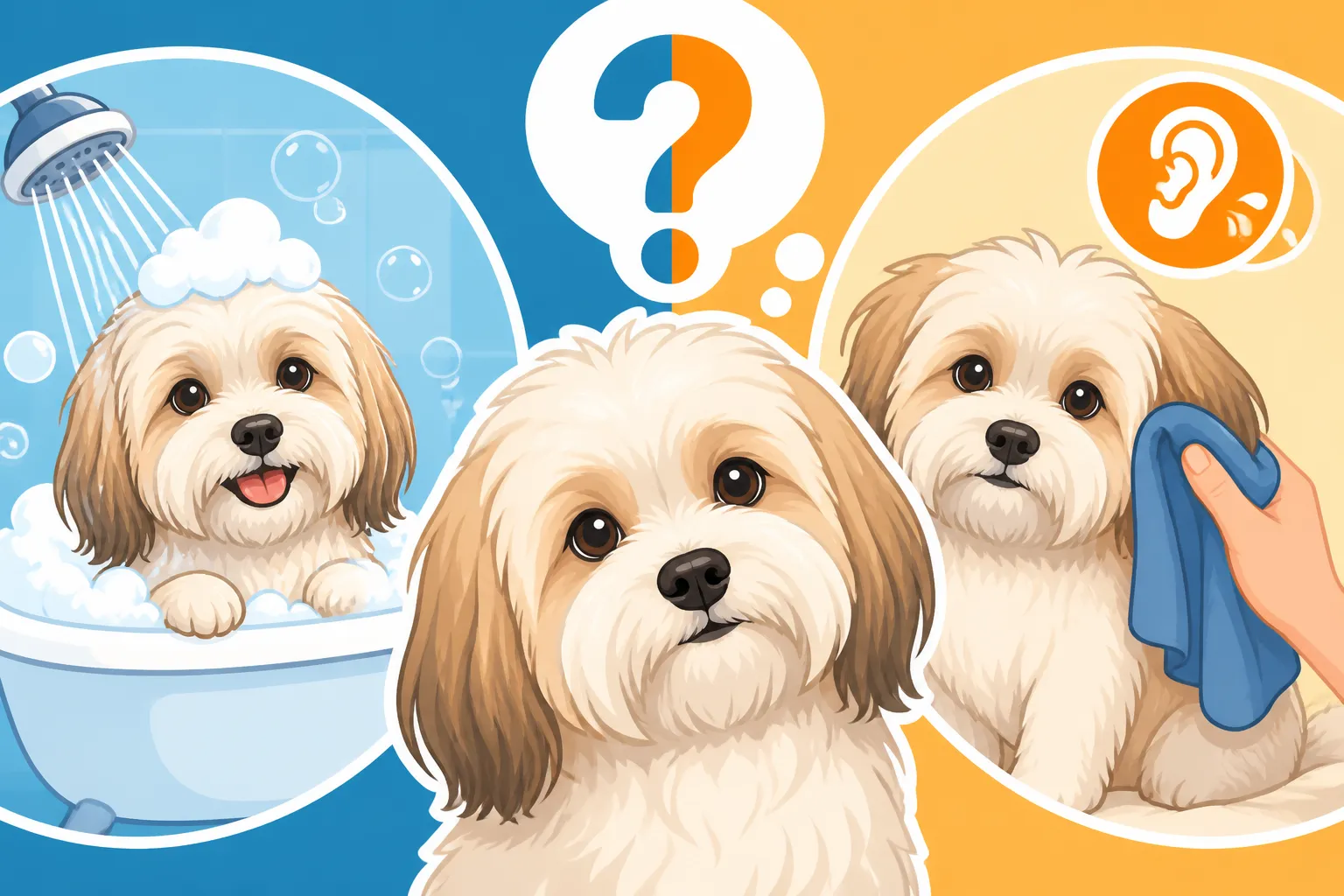
One of the most common and frustrating health issues Havanese parents face is the struggle with ear infections, often stemming from moisture trapped after a bath. It’s tempting to simply towel-dry your little one and let them shake off the rest, but for a Havanese, this oversight can lead to discomfort, pain, and costly vet visits. This comprehensive guide will walk you through why thoroughly drying your Havanese's ears after every bath is non-negotiable and how to do it effectively to safeguard their ear health.
Why Your Havanese's Floppy Ears Need Special Attention After a Bath
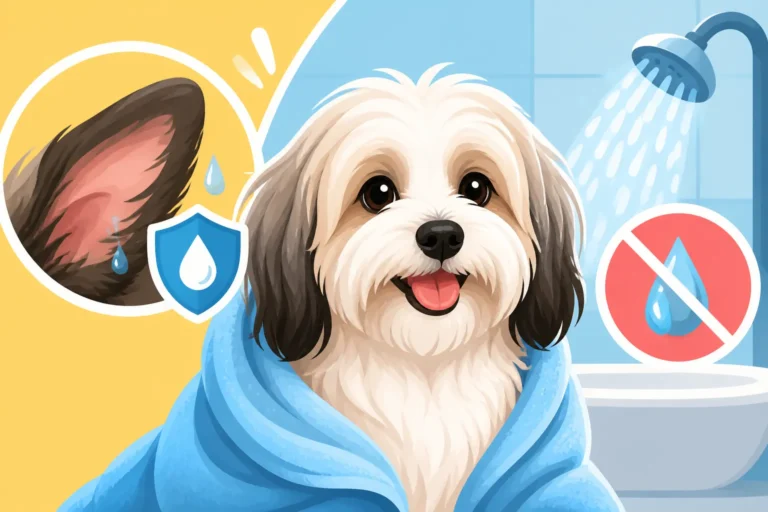
The adorable drop ears and luxurious coat of a Havanese are part of their charm, but they also create a unique environment that can be a breeding ground for problems if not managed correctly. Unlike dogs with upright ears, the Havanese's ears hang down, effectively sealing the ear canal and making it less exposed to air circulation. This anatomical feature, combined with their dense, silky hair, means moisture has a hard time escaping naturally.
The Anatomy of a Havanese Ear and Moisture Traps
Think of your Havanese's ear as a tiny, warm, dark cave, lined with fur. The ear canal itself is L-shaped, making it even more challenging for water to drain out once it gets in. When your Havanese enjoys a bath, water inevitably seeps into these cozy crevices. Because the ear flap covers the opening so completely, and the long hair around and inside the ear further traps everything in, that water just sits there. It creates a humid, ideal microclimate for opportunistic microbes to thrive. This isn't just about surface moisture; it's about water deep within the canal that can linger for hours, even days, if not actively dried.
The sheer volume of hair is another major factor. A Havanese boasts a glorious double coat, often growing long even within the ear canal itself. This internal hair acts like a sponge, soaking up moisture and holding it right against the delicate skin of the ear canal. You might dry the outer ear meticulously, but if that inner hair remains damp, you're still leaving your beloved Havanese vulnerable. It's a key reason why simply shaking their head isn't enough to dry them out properly.
The Hidden Dangers of Damp Ears: Infections and Discomfort
Leaving those ears damp after a bath is like rolling out the welcome mat for all sorts of nasty infections. The most common culprits are yeast and bacteria, which naturally exist on your dog's skin but explode in population when the conditions are just right – and damp, warm, dark ears are absolutely "just right." When these organisms multiply unchecked, your Havanese can develop painful and persistent ear infections. You'll likely notice a strong, often yeasty or sweet, odor emanating from their ears, excessive scratching, head shaking, and even a reddish discharge. It’s a miserable experience for them, and watching them suffer is heartbreaking for any pet parent.
Beyond the immediate discomfort, recurrent ear infections can lead to chronic issues. The inflammation and constant irritation can cause changes in the ear canal's structure, making future infections even more likely and harder to treat. In severe cases, the eardrum can even be damaged, potentially affecting their hearing. Treating these infections often requires veterinary visits, prescribed ear drops, and sometimes even oral medications, which can add up quickly in terms of both time and expense. It's truly a situation where an ounce of prevention is worth a pound of cure, especially when it comes to keeping your Havanese comfortable and healthy. You can read more about this in What Havanese Are Most Often Treated For and Whether a Havanese Gets Ear Infections.
Your Step-by-Step Guide to Drying Havanese Ears Safely
Drying your Havanese's ears doesn't have to be a dreaded chore. With the right tools and a calm, consistent approach, you can make it a positive part of their grooming routine. The key is to be thorough without being aggressive, and to always prioritize your dog's comfort and safety.
Gathering Your Grooming Arsenal
Before you even start the bath, make sure you have everything you need laid out. This will prevent you from scrambling mid-process and making your Havanese anxious.
First, you'll want several soft, absorbent towels, ideally microfiber ones, as they excel at wicking away moisture. A smaller, dedicated towel just for the ears can be helpful. Next, have plenty of cotton balls or cotton pads ready. Never use cotton swabs (Q-tips) inside your dog's ear canal, as you could push debris deeper in or damage the eardrum. For inner ear drying, a dog-specific ear drying solution or powder is invaluable. These products are formulated to gently absorb moisture and often contain ingredients that discourage microbial growth. You can find a great selection of these on reputable pet supply sites like Chewy or Amazon.
Finally, consider a low-heat, pet-specific force dryer or even a regular human hairdryer set to the lowest, coolest setting. Pet dryers are generally quieter and designed with lower heat settings, which is ideal for delicate areas like the ears. If using a human dryer, ensure it's always on cool or very low heat, and keep it moving constantly to prevent any hot spots. And don't forget the treats! High-value treats are your best friend for making this a positive experience for your furry companion.
The Gentle Drying Process, From Towel to Air
Once bath time is over and your Havanese is gently towel-dried all over, it's time to focus on those ears. Start by thoroughly blotting the outer ear flap with a soft towel, squeezing gently rather than rubbing. You want to absorb as much surface water as possible. Then, with a fresh, dry cotton ball, carefully wipe the visible parts of the ear canal opening. Remember, only go as far as your finger can comfortably reach; never force anything into the ear.
Now, for the critical step: using an ear drying solution or powder. Lift your Havanese's ear flap and apply a few drops of the solution into the ear canal, or a small pinch of powder. Gently massage the base of the ear for about 30 seconds to help the product distribute and work its way down. You might hear a squishing sound, which is normal. Let your Havanese shake their head a few times—this helps bring debris and moisture up and out. Use another clean cotton ball to wipe away any expelled moisture or wax. For a deeper dive into ear cleaning, check out How Often a Havanese's Ears Should Be Cleaned.
Finally, it’s time for the dryer. Set your pet dryer or hairdryer to the lowest, coolest setting. Hold the ear flap up and direct the airflow gently into the ear canal, keeping the nozzle several inches away from the ear. Use your free hand to gently ruffle the hair around the ear opening and inside the ear flap, helping to expose the damp areas to the air. Keep the dryer moving continuously, never concentrating the air in one spot for too long. This step is crucial for thoroughly drying the hair deep within the ear canal, ensuring no lingering moisture. The entire process should only take a few minutes per ear, but patience is key. For more tips on managing the grooming process, especially if your Havanese isn't a fan, read Whether a Havanese Struggles With Ear Cleaning.
Making it a Positive Experience for Your Havanese
If your Havanese isn't keen on ear drying, you're not alone. Many dogs find the sensation or sound of a dryer a bit unnerving. The trick is to start young, be patient, and make every session as positive as possible. Begin desensitizing them to the dryer by turning it on in another room while they’re relaxed, then gradually bringing it closer. Let them investigate it while it’s off, and reward them for calm curiosity. When you introduce the drying process, keep sessions very short initially, even if you only manage a few seconds per ear.
Use lavish praise and high-value treats throughout. Every time you touch their ears or bring out the dryer, follow it with a reward. If they tolerate a few seconds of drying, reward them. If they remain calm, reward them again. The goal is to build a positive association, so they learn that ear drying means good things happen. If you consistently struggle, consider consulting with a professional groomer or a positive reinforcement trainer for guidance. They can often offer specific techniques tailored to your dog's temperament, helping to transform ear care into a routine your Havanese accepts, or even enjoys.
Beyond the Bath: Ongoing Ear Health for Your Havanese
Maintaining healthy ears for your Havanese extends far beyond bath time. It's an ongoing commitment to regular checks, smart preventative measures, and knowing when to seek professional help. Their adorable floppy ears, while a breed hallmark, demand consistent vigilance to prevent common issues.
Regular Ear Inspections and Cleaning Schedules
Making ear checks a part of your weekly routine is paramount for a Havanese. Simply lift the ear flap and take a good look inside. What are you looking for? The inside of a healthy Havanese ear should be a pale pink color, clean, and free from any strong odor. There might be a small amount of light brown earwax, which is normal and helps protect the ear.
However, be on the lookout for red, inflamed skin, excessive dark brown or black waxy discharge, or any yellowish pus. A foul, yeasty, or sweet smell is a huge red flag, as is your Havanese persistently scratching at their ears, rubbing their head along furniture, or shaking their head more than usual. These are all signs that something might be brewing. If you notice these symptoms, it’s time for a vet visit. Regular visual checks allow you to catch potential problems early, often preventing them from escalating into full-blown, painful infections. For tips on managing everyday ear hygiene, consider our guide on Keeping a Havanese's Ears Dry.
Managing Hair in the Ear Canal: To Pluck or Not to Pluck?
One of the ongoing debates among Havanese owners and groomers is whether to pluck the hair from inside the ear canal. The Havanese breed standard allows for hair growth even deep within the ear. While some argue that plucking this hair improves air circulation and reduces moisture retention, others believe it can irritate the delicate skin of the ear canal, potentially leading to inflammation and making it more susceptible to infection. There's no single "right" answer that applies to every Havanese.
Generally, if your Havanese has very little hair deep in the canal and no history of ear infections, leaving it alone might be best. However, if your Havanese suffers from recurrent ear infections, especially bacterial or yeast infections, and has a dense mat of hair deep inside, selective plucking or trimming by a professional groomer or veterinarian might be recommended to improve airflow and facilitate cleaning. This is a conversation best had with your vet, as they can assess your individual dog's ear health and help you make an informed decision. They can also perform the plucking safely if needed. The goal is always to improve ear health, not cause further irritation, and this is especially relevant to Whether Hair in a Havanese's Ear Canal Causes Infection and Whether a Havanese Gets Yeast in Its Ears. For guidance on this, see Whether a Havanese's Ear Hair Should Be Plucked.
Environmental Factors and Preventing Moisture Accumulation
Beyond bath time, several other environmental factors can contribute to moisture accumulation in your Havanese's ears. Swimming, for instance, is a big one. While many Havanese love a good splash, water can easily get into those floppy ears. If your Havanese enjoys swimming, treat it like a bath: thoroughly dry their ears immediately afterward using the same gentle methods. Humidity in the air, especially in warmer climates, can also create a moist environment that encourages ear problems.
If you live in a particularly humid area or your Havanese is prone to ear issues, consider investing in a good quality ear cleanser or drying solution recommended by your vet. Regular use of such products, even between baths, can help maintain a healthy ear environment by keeping moisture and microbial growth at bay. Some owners even use light, breathable ear wraps or snoods to keep ears dry and clean, especially if their Havanese is particularly active outdoors in damp conditions. Proactive prevention is key to avoiding discomfort and costly vet visits.
Troubleshooting Common Ear Drying Challenges
Even with the best intentions and tools, you might encounter challenges when it comes to drying your Havanese's ears. It's a delicate area, and some dogs are naturally more sensitive than others. Understanding how to navigate these hurdles can save both you and your furry friend a lot of stress.
When Your Havanese Resists Ear Care
It's common for a Havanese to resist having their ears handled, especially if they've had a negative experience in the past or if the process is new to them. The sound of the dryer, the sensation of air in their ears, or even just having their head held still can be alarming. If your Havanese struggles, the first step is always patience and positive reinforcement. Try breaking down the ear-drying process into tiny, manageable steps and reward heavily for each successful step. For example, simply touching their ear, then giving a treat. Then lifting the ear flap, then a treat. Gradually introduce the dryer turned off, then on at a distance, and slowly bring it closer, always pairing it with treats and praise.
If despite your best efforts, your Havanese remains highly distressed or aggressive during ear care, it's a clear signal to seek professional help. A professional groomer experienced with Havanese can often work wonders, using gentle techniques and a calm demeanor. They can also advise on specific tools or strategies that might work for your particular dog. In some cases, extreme resistance might even indicate an underlying ear problem that makes handling painful, so a vet check-up might be warranted to rule out any medical causes for their aversion.
Here’s a quick guide to distinguishing between normal ear appearances and potential problems:
| Feature | Healthy Havanese Ear | Problematic Havanese Ear |
|---|---|---|
| Inside Color | Pale pink | Red, inflamed, swollen |
| Odor | Faint, clean, or no odor | Strong, foul, yeasty, or sweet odor |
| Discharge | Small amount of light brown wax | Excessive dark brown/black wax, yellow pus, green discharge |
| Behavior | No scratching, shaking, or rubbing | Persistent scratching, head shaking, rubbing head, pain when touched |
| Hair Growth | Soft, fine hair, minimal matting | Matted hair around the canal, excessive debris clinging to hair |
| Temperature | Matches body temperature | Noticeably warm to the touch |
Knowing When to Call the Vet
You're a vigilant pet parent, you're drying their ears diligently after every bath, you're doing your regular checks, but still, something feels off. This is precisely when you need to call your veterinarian. Don't wait for symptoms to worsen. If you notice any of the "problematic" signs listed in the table above, especially a strong odor, redness, significant discharge, or your Havanese is showing signs of pain like crying out when you touch their ear, get them to the vet.
Early intervention is crucial for ear infections. Left untreated, they can become more severe, lead to chronic conditions, or even cause damage to the ear structures. Your vet will perform an otoscopic examination to look deep into the ear canal, identify the type of infection (bacterial, yeast, or both), and prescribe the appropriate medication, which might include ear drops, oral antibiotics, or anti-inflammatories. They can also rule out other underlying causes like foreign bodies, allergies, or ear mites. Remember, you know your Havanese best, and if your gut tells you something isn't right, always trust that instinct and seek professional advice. After all, their comfort and well-being are what truly matter.
Disclaimer
This article is for general informational purposes only and does not constitute professional advice. Laws, prices and regulations vary by location and change over time. Consult a qualified professional for guidance on your specific situation.