Whether a Havanese Gets Yeast in Its Ears
Oh, the joy of a Havanese! These little bundles of fluff and affection bring so much happiness into our lives. But let's be real, beneath that gorgeous coat and those expressive eyes, there's a world of potential challenges. One of the most common, and frankly, most frustrating issues many Havanese parents grapple with are persistent ear problems, often stemming from pesky yeast infections. It’s an annoying cycle of head shaking, scratching, and that unmistakable "corn chip" smell that can make you feel like you're constantly battling something you can't quite get a handle on. This guide is here to shed some light on why your Havanese might be prone to yeast in their ears, how to recognize the signs, and, most importantly, how to tackle it head-on so your sweet pup can live more comfortably.
The Unique Anatomy of a Havanese Ear and Why It Matters
When you look at your Havanese's adorable, floppy ears, you might just see softness and charm. But from a veterinary perspective, these ears are a bit of a design flaw when it comes to warding off infections. Understanding this unique anatomy is the first step in comprehending why yeast can become such a recurring problem for our beloved companions.
The Flop and the Fur: A Perfect Storm for Yeast
Unlike breeds with upright, open ears where air can circulate freely, Havanese have pendulous ears that hang down, creating a natural seal over the ear canal. This in itself isn't a disaster, but when you combine it with their luxuriously long, often dense hair that grows not just around the ear flap, but inside the ear canal, you've got a recipe for trouble. This combination creates a warm, dark, and most importantly, moist environment.
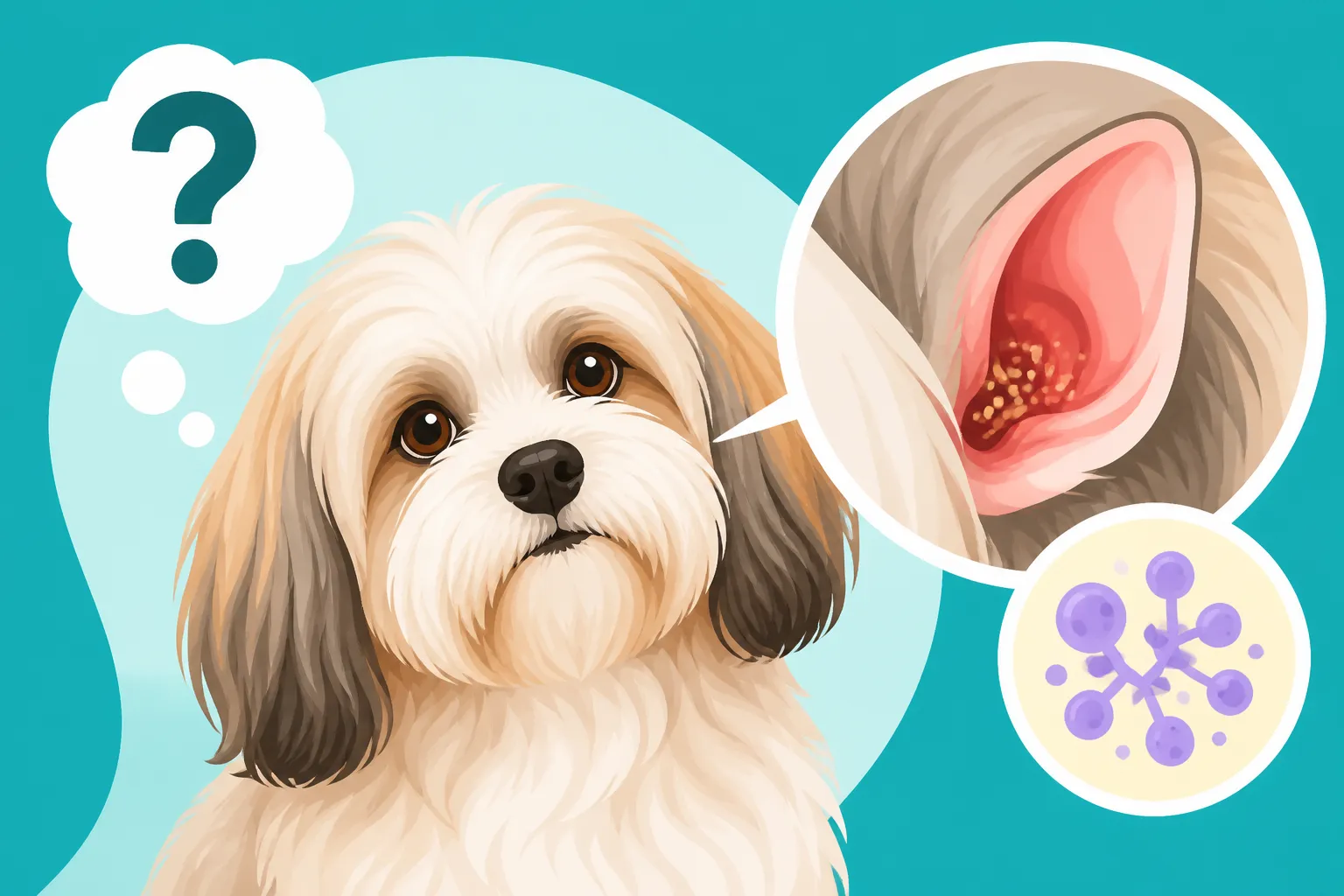
Imagine a tropical rainforest, humid and still. That's essentially what's happening inside your Havanese's ear. Yeast, particularly Malassezia pachydermatis, thrives in such conditions. It's a normal inhabitant of a dog's skin and ears, but in this inviting, damp microclimate, it can easily overgrow and lead to an infection. It's not a reflection of your cleaning habits; it's simply the hand nature dealt our Havanese with their beautiful, flowing ears. The frustration of trying to keep them healthy is very real, and you're not alone in feeling it.
Identifying Common Triggers for Ear Yeast
While the ear structure sets the stage, there are usually underlying factors that kick off a full-blown yeast party. Recognizing these triggers is crucial for effective prevention and treatment. For many Havanese, allergies are the silent culprit. Just like us, dogs can suffer from environmental allergies (pollen, dust mites, mold) or food allergies, and often, the first place these manifest is in the skin, which includes the lining of the ears. When the skin barrier is compromised by an allergic reaction, it creates an even more favorable environment for yeast to proliferate. You might notice other signs of Skin Trouble Under a Havanese Coat, which can be a huge hint.
Beyond allergies, moisture is another big trigger. If your Havanese loves a bath, a swim in the lake, or even just playing in the rain, and their ears aren't thoroughly dried afterward, that trapped moisture provides the perfect breeding ground. Think about how long a Havanese's coat takes to dry properly; the same goes for those floppy ears. Improper cleaning techniques can also be an issue; sometimes, well-meaning owners can push debris deeper into the canal, or use irritating solutions that disrupt the natural balance. Less commonly, but still important, other infections like bacterial overgrowth or ear mites can weaken the ear's defenses, allowing yeast to take hold as a secondary problem. Some owners also find that certain diets can contribute, especially if their Havanese reacts to specific ingredients, leading to inflammation that impacts ear health. If you suspect your Havanese reacts to its food, discussing dietary changes with your vet is a smart move.
Spotting the Scent and Signs of a Yeast Infection
Catching an ear infection early is key to quicker resolution and less discomfort for your Havanese. Sometimes, the signs are subtle at first, but with a keen eye (and nose!), you can usually pick up on the problem before it spirals out of control. It’s tough to see your happy-go-lucky Havanese suddenly looking miserable, constantly pawing at their ears.
The Distinctive Odor and Discharge
One of the most tell-tale signs of a yeast infection in a Havanese's ear is the smell. Many owners describe it as smelling like stale corn chips, old bread, or even a sweet, musty odor. Once you’ve smelled it, you rarely forget it. This distinct "yeasty" aroma comes directly from the Malassezia organisms themselves. If you gently lift your Havanese's ear flap and get a whiff of something other than a clean, neutral scent, it's definitely time to investigate further.
Along with the smell, you'll often notice a characteristic discharge. This typically appears as a brownish, waxy, or sometimes greasy buildup inside the ear canal. It can range in color from light tan to dark brown, often looking a bit like earwax but in excessive amounts and with that tell-tale odor. It’s important to differentiate this from other types of discharge. For instance, a bacterial infection might produce a more yellow or green, pus-like discharge, while ear mites often result in a dark, crumbly, "coffee grounds" appearance. If you're unsure, or if the discharge looks particularly severe or bloody, a vet visit is absolutely necessary.
Behavioral Cues and Physical Symptoms
Beyond the smell and discharge, your Havanese will likely give you plenty of behavioral clues that their ears are bothering them. Excessive head shaking is a classic sign; they're trying to dislodge the irritation. You might also see them constantly scratching at their ears with a back paw, sometimes so vigorously that they irritate the skin around the ear, leading to secondary issues like hair loss or scabs. Some dogs will rub their ears on furniture, the carpet, or even your leg, seeking relief. This persistent itch and discomfort can lead to a generally grumpy demeanor, as anyone with an incessant itch can attest!
Physically, if you carefully examine the inside of their ear flap and the visible part of the ear canal, you might observe redness or inflammation. The skin can look irritated, swollen, and sometimes even thicker than normal due to chronic inflammation. In severe cases, the ear canal itself might be swollen shut, making it difficult for ear drops to penetrate. Your Havanese might also become sensitive or even yelp in pain when you try to touch their ear, which is a clear sign of significant discomfort. They might also become withdrawn or less playful, as constant irritation takes a toll on their overall well-being. It's a good reminder of What a Havanese Needs Every Day – attentive observation and comfort.
Effective Treatment and Prevention Strategies
Dealing with ear yeast can feel like a never-ending battle, but with the right approach, you can bring relief to your Havanese and prevent future flare-ups. The key is a combination of professional diagnosis and consistent, diligent at-home care. Don't feel discouraged if it takes a little trial and error to find what works best for your specific dog.
Diagnosis and Veterinary Intervention
As soon as you suspect an ear infection, a trip to the veterinarian is non-negotiable. Self-diagnosing and treating can often do more harm than good, especially if you misidentify the type of infection. Your vet will perform a thorough examination using an otoscope to look deep into the ear canal, checking for foreign bodies, swelling, or ruptured eardrums. The most crucial step, however, is often a cytology — where a swab of the ear discharge is examined under a microscope. This allows the vet to definitively identify whether yeast, bacteria, or mites are present, and in what quantities. This crucial step ensures that the correct medication is prescribed.
If yeast is confirmed, your vet will likely prescribe antifungal ear drops, which usually contain ingredients like Miconazole or Clotrimazole, often combined with a steroid to reduce inflammation and discomfort. In severe, chronic, or recurrent cases, oral antifungal medications might also be necessary. It's vital to complete the entire course of medication, even if the ears appear to clear up quickly. Your vet will also discuss any underlying causes, such as allergies. They might suggest allergy testing or a food trial if they suspect Whether a Havanese Reacts to Its Food is playing a role, to address the root of the problem. For persistent issues, a specialist veterinary dermatologist might even be recommended. Keep in mind that repeat vet visits and medications can add up, which is where having a good pet insurance plan like Healthy Paws can be incredibly helpful for managing unexpected or chronic health costs.
At-Home Care and Ongoing Prevention
Once your vet has provided a diagnosis and treatment plan, a consistent at-home care routine becomes your superpower in keeping those Havanese ears healthy. Regular ear cleaning is paramount, but it needs to be done correctly. Use only veterinary-approved ear cleansers, as these are formulated to be gentle and effective. Your vet can show you the proper technique: gently filling the ear canal, massaging the base of the ear, and then allowing your dog to shake their head, before wiping away debris with a cotton ball or gauze. Avoid cotton swabs, which can push debris deeper or injure the eardrum. For an idea on frequency, you might be interested in How Often a Havanese's Ears Should Be Cleaned.
Perhaps the most critical preventative step is thorough drying. Every time your Havanese gets wet – after a bath, a swim, or even a damp walk – take the time to gently dry their ears, especially the inside of the ear flap and the opening of the canal, with a soft cloth or cotton ball. A low-setting hairdryer can also be used, held at a safe distance. Managing the hair around and inside the ear canal is also important. Many Havanese owners choose to have their groomer or vet trim the hair around the opening of the ear canal to improve airflow. While some suggest plucking ear hair, this can sometimes cause micro-traumas that ironically lead to more infections, so discuss this with your vet first to see if Whether Hair in a Havanese's Ear Canal Causes Infection is a factor for your particular dog.
If allergies are a suspected trigger, working with your vet on dietary changes or environmental controls (like regular vacuuming, using air purifiers, or special bedding) can make a huge difference. Consider supplements like omega-3 fatty acids, which can support skin and coat health, although always check with your vet before introducing new supplements. And finally, diligent daily monitoring of your Havanese's ears for any unusual smell, discharge, or signs of discomfort will allow you to catch potential issues early, before they become full-blown infections. Prevention truly is the best medicine when it comes to keeping those adorable Havanese ears happy and healthy. Investing in consistent preventative care now can save you a lot of heartache and vet bills down the line.
When Chronic Ear Issues Become a Way of Life
For some Havanese owners, ear infections, particularly yeast overgrowth, can feel like a relentless battle. You do everything right – cleaning, drying, medication – but the problem just keeps coming back. This can be incredibly disheartening and can lead to significant frustration, both for you and your furry friend. When ear issues become chronic, it often means digging deeper to uncover persistent underlying causes and developing a more long-term management strategy.
Managing Recurrent Infections
When you find yourself constantly battling recurrent yeast infections in your Havanese's ears, it's time to have a serious, in-depth conversation with your veterinarian. This isn't about blaming you; it's about acknowledging that for some dogs, standard treatments aren't enough because there's a stubborn underlying factor at play. The frustration of these repeated episodes is entirely valid. You might feel like you're caught in an endless loop of vet visits and ear drops, and it takes a toll. Sometimes, the problem is multi-faceted, involving a combination of allergies, ear structure, and perhaps even a developing resistance to certain medications if they haven't been consistently or appropriately used.
Your vet might suggest a more aggressive diagnostic approach, perhaps involving allergy testing (blood tests or intradermal skin tests), or trying a strict elimination diet to rule out food allergies. They might also recommend a referral to a veterinary dermatologist, who specializes in complex skin and ear conditions. These specialists have advanced diagnostic tools and a broader range of treatment options, including custom-compounded medications or immunotherapy for allergies. Long-term management might involve weekly preventative cleanings with specific medicated solutions, or even ongoing low-dose oral antifungals if deemed safe and necessary. The costs for managing chronic conditions can quickly add up, so having a robust pet insurance policy like those offered by Healthy Paws can be a lifesaver, covering a significant portion of these recurring expenses and giving you peace of mind to pursue the best possible care for your Havanese without financial strain.
The Link to Other Havanese Health Concerns
It’s important to remember that chronic ear infections are rarely just an "ear problem." They are often a symptom, a visible red flag indicating a broader systemic issue. For Havanese, this almost always points back to allergies. If your Havanese is experiencing recurrent yeast in their ears, it's highly probable that they also suffer from environmental or food allergies that affect their skin all over their body. You might notice other signs like Whether a Havanese Gets Itchy Skin, paw licking, or general redness and irritation on their belly or armpits. The ears are simply one of the most common and often first places these allergies manifest, thanks to their warm, moist environment.
A strong, healthy immune system is vital for keeping yeast in check. Anything that compromises the immune system – whether it's allergies, other illnesses, or even stress – can contribute to an overgrowth of yeast. Addressing the whole dog, not just the ears, is critical for long-term success. This holistic approach can involve careful diet management, environmental controls, appropriate exercise, and regular veterinary check-ups to monitor overall health, including comprehensive blood panels like Whether a Havanese Needs a Yearly Blood Panel. By tackling the root cause, you can often significantly reduce the frequency and severity of ear infections, improving your Havanese's quality of life dramatically. It’s a commitment, but one that ensures your cherished companion can live out their The Fourteen to Sixteen Years a Havanese Lives as comfortably and happily as possible.
| Symptom / Feature | Yeast Infection | Bacterial Infection | Ear Mites |
|---|---|---|---|
| Odor | "Yeasty" (corn chips, musty) | Foul, sometimes putrid | Usually no distinct odor, but secondary infection might smell |
| Discharge Color | Brownish, waxy, greasy | Yellow, green, pus-like | Dark, dry, crumbly ("coffee grounds") |
| Consistency | Waxy, oily | Creamy, liquid | Granular, powdery |
| Itchiness | Moderate to severe | Moderate to severe | Intense, persistent |
| Head Shaking | Common | Common | Very common, often vigorous |
| Redness/Swelling | Common | Common, often severe | Possible, but usually less pronounced |
| Pain | Possible, especially if chronic | Often painful | Less painful, more intensely itchy |
Disclaimer
This article is for general informational purposes only and does not constitute professional advice. Laws, prices and regulations vary by location and change over time. Consult a qualified professional for guidance on your specific situation.