Whether a Havanese Suddenly Starts Matting
Oh, the infamous "sudden matting" dilemma! It's a tale as old as time for many Havanese owners. You think you've got your brushing routine down, your sweet little fluffball is looking glorious, and then seemingly overnight, a hidden mat appears, or worse, a whole patch of them. This guide is all about demystifying why these tangles appear so abruptly, reassuring you that you're not alone, and equipping you with the knowledge to either prevent them or tackle them head-on.
Understanding the Havanese Coat: A Primer on Its Unique Nature
The Havanese coat is, without a doubt, one of its most defining and beloved features. It's a cascading, silky affair that can grow quite long, creating that distinctive, elegant look we all adore. But this beauty comes with a responsibility, and understanding the nuances of their fur is the first step in winning the battle against mats.
The Double Coat and Its Purpose
Unlike some breeds with single coats, your Havanese sports a beautiful double coat. This means they have an outer layer of longer, guard hairs and a softer, finer undercoat nestled beneath. This combination was originally designed to protect them from the elements in their native Cuba, shielding them from both sun and sudden cool breezes. The outer coat is often described as silky, sometimes with a slight wave or curl, and it's generally quite lightweight. The undercoat, however, is the sneaky culprit in many matting situations. It's denser and more prone to tangling, especially when shed hairs get caught within the live coat. While Havanese are often touted as "hypoallergenic" because they shed minimally, those loose hairs do need to be brushed out regularly, otherwise, they quickly become the foundation for a mat. Without proper attention, those shed hairs can weave themselves into a felted mess, pulling at the skin and causing discomfort. You'll find a deep dive into its characteristics in The Silky Double Coat a Havanese Grows to the Floor.
Puppy Coat vs. Adult Coat: The Transition Period
One of the most common reasons for what feels like "sudden" matting actually isn't sudden at all, but a predictable stage in your Havanese's development: the coat change. This period typically begins when your puppy is anywhere from 8 to 18 months old, though it can vary by individual. Up until this point, your Havanese puppy has likely had a relatively easy-to-manage, soft, wispy "baby" coat. You might have been brushing a few times a week, and things seemed fine. Then, almost like magic, it feels like every brush stroke hits a snag, and mats appear out of nowhere.
What's actually happening is that the finer, softer puppy coat is gradually being replaced by the denser, more mature adult coat. The puppy hairs are loosening and shedding out, but instead of falling to the floor, they're getting trapped within the emerging adult coat. This creates a perfect storm for matting, as these two different textures intertwine and felt together with incredible speed. Many owners report that this is the hardest period for grooming their Havanese, and it often feels like a constant uphill battle. You can read more about this specific challenge in Why a Havanese Mats at Eight Months and Not Before. It's crucial during this time to double down on your grooming efforts, even if it feels overwhelming, because neglecting it now can lead to painful, skin-tight mats that are very difficult to remove.
Factors Influencing Coat Texture and Growth
Beyond the natural coat change, several factors can influence your Havanese's coat texture and growth, making some more prone to matting than others. Genetics play a huge role; some Havanese naturally have a silkier, straighter coat, while others might have a denser, wavier, or even slightly cottony texture. The latter types often require more frequent and diligent grooming to prevent matting. A Havanese with a very thick undercoat, for example, will typically mat faster than one with a sparser undercoat, simply because there's more hair to trap and tangle.
Diet is another unsung hero in coat health. A high-quality diet rich in omega fatty acids can contribute to a healthier, stronger coat that is less prone to breakage and, consequently, less prone to matting. Conversely, a poor diet can lead to a dry, brittle coat that snags and tangles more easily. Even environmental factors, such as humidity (or lack thereof), can affect coat texture. Dry air can cause static, which makes hairs stand on end and tangle, while high humidity can make a coat feel heavier and more prone to clumping. Understanding these subtle variations in your Havanese's individual coat type can help you tailor your grooming approach.
Why Matting Happens: The Mechanics Behind Those Pesky Tangles
Mats don't just "suddenly" appear in a vacuum; there's always a reason, even if it feels like they sprung up overnight. It's often a combination of factors, a perfect storm of overlooked spots, environmental conditions, and sometimes, simply a busy week where brushing slipped your mind. Understanding the mechanics of matting can help you pinpoint problem areas and adjust your routine.
Common Areas for Matting on a Havanese
Havanese have certain "hot spots" where mats tend to form first and fastest. These are areas of high friction or where the coat is particularly fine and dense. Recognizing these common culprits can help you prioritize your brushing efforts:
- Behind the Ears: This is probably the number one spot for mats. The hair here is very fine, often silky, and gets a lot of friction from head movements, scratching, and even just sleeping. Plus, behind the ears is often forgotten in a quick brush-over.
- Armpits and Groin: These areas experience constant rubbing as your Havanese walks and moves. The hair here can be quite long and dense, making it prime real estate for mats to form quickly.
- Under the Collar or Harness: Any accessory worn regularly creates friction. Collars can rub at the neck hair, and harnesses, especially ill-fitting ones, can cause significant matting around the chest and under the legs. If your Havanese wears a harness for walks, it's vital to check and brush these areas diligently after every outing.
- Around the Tail Base: The tail often gets wagged and rubbed against furniture or your legs, leading to friction. The hair at the base can be quite dense, making it another high-risk zone.
- On the Hocks (rear legs) and Paws: These areas are constantly moving and are exposed to dirt, moisture, and friction from walking. Paw mats can be particularly uncomfortable and can even restrict movement or cause skin irritation between the toes.
- The Beard and Muzzle: While less about overall coat health, food and water can quickly make this area sticky and matted if not regularly cleaned. You might also notice tangles around the eyes if the topknot isn't consistently managed.
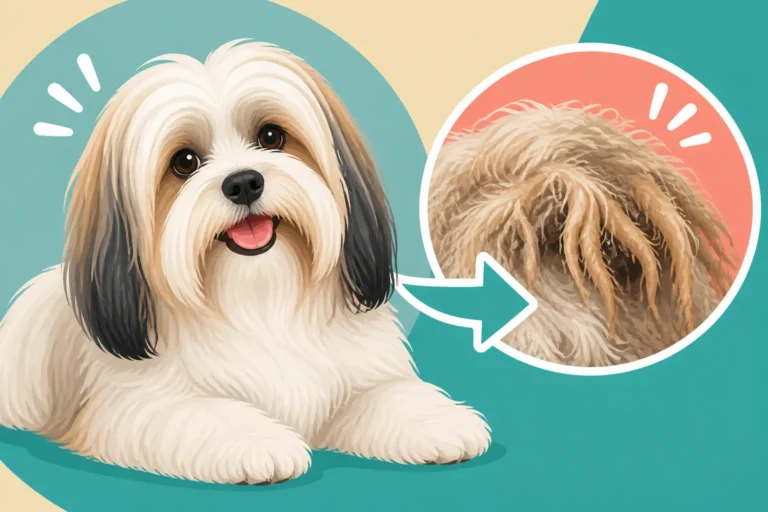
Ignoring these specific zones, even if you generally brush the rest of the body, is a surefire way to encounter a "sudden" mat. It often feels sudden because these hidden areas are out of sight, out of mind, until they become a painful, solid lump.
External Factors That Contribute to Matting
Beyond the natural tendency of their coat and specific friction points, several external factors can accelerate matting. Being aware of these can help you mitigate their impact:
- Moisture: A damp Havanese coat is a mat magnet. Rain, snow, humidity, or even incomplete drying after a bath can cause the hairs to clump together and felt. If your Havanese gets wet, it's crucial to dry them thoroughly, brushing as you go, to prevent mats from forming as the coat dries.
- Dirt and Debris: Burrs, twigs, mud, and even just dust can become entangled in the long Havanese coat, acting as anchor points for mats to form. A quick roll in the park can lead to an unexpected mat if not immediately addressed.
- Static Electricity: Especially prevalent in dry climates or during winter, static can cause hairs to fly apart and then tangle back into each other. Using a good detangling spray can help reduce static.
- Sleeping Habits and Play: If your Havanese loves to roll around on carpets, rough surfaces, or even just wrestle with other dogs, the friction generated can quickly lead to matting. Even a vigorous scratch with a hind leg behind an ear can initiate a tangle.
- Product Residue: Heavy conditioners or styling products not thoroughly rinsed out can leave a sticky residue that attracts dirt and causes hairs to clump, accelerating mat formation.
Considering these external elements helps you understand that matting isn't always a sign of neglect; sometimes, life just happens! However, knowing the risks allows you to be more vigilant in your post-adventure checks and grooming.
Grooming Gaps: The Sudden Onset of Mats
Let's be real: life gets busy. There are days when you're just too tired, or you're running late, and that daily brush-out gets skipped. For a Havanese, even a few missed days, especially during the dreaded coat change phase, can feel like a sudden explosion of mats. What seems like a minor oversight to us can translate into significant tangles for them. It's not necessarily that the mat suddenly appeared, but rather that the underlying conditions were already there, and the missed grooming session allowed them to coalesce into a noticeable problem.
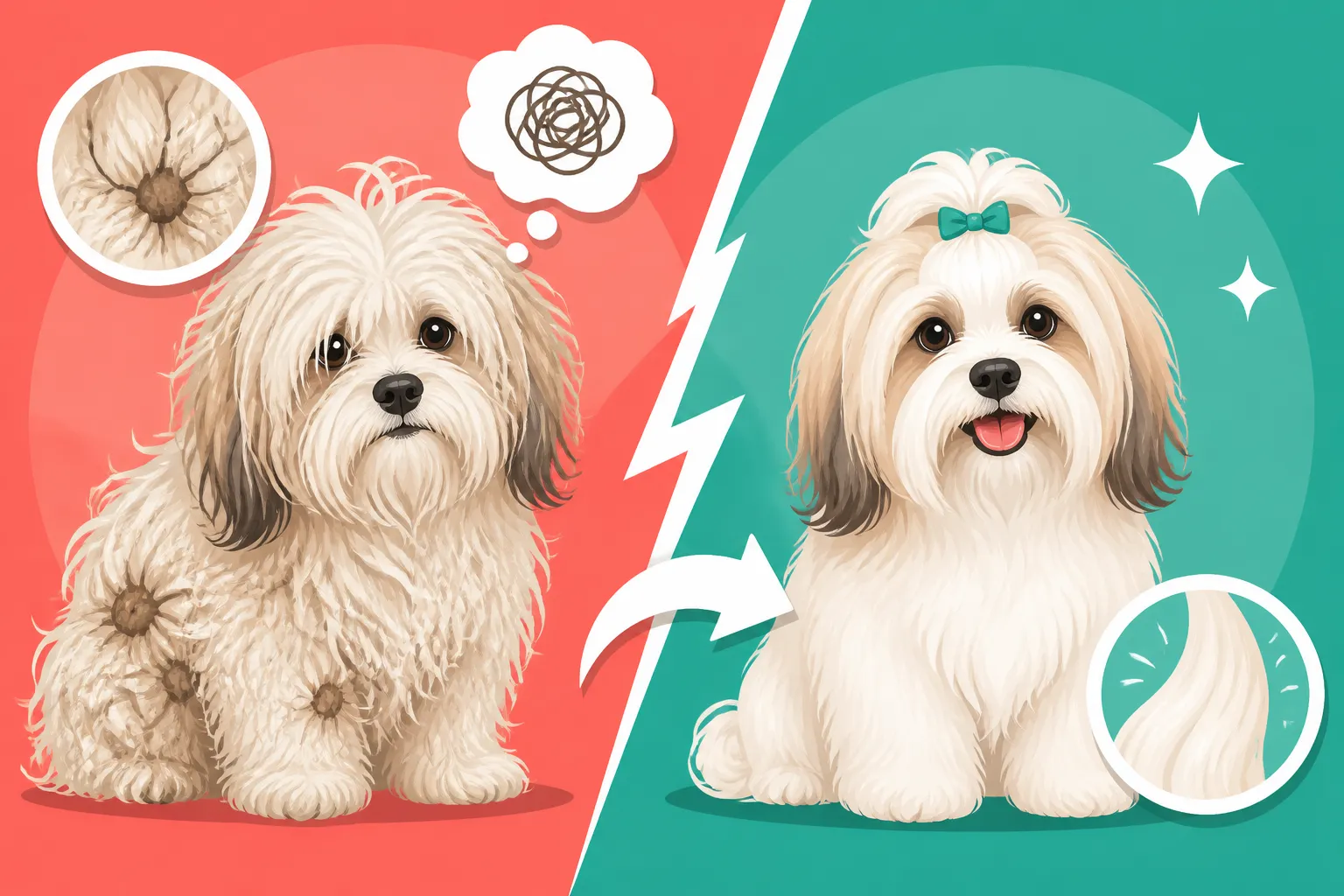
During the coat change, the process of puppy coat shedding and adult coat growing is continuous. If you miss a day or two of brushing, those loose puppy hairs don't just disappear; they get further embedded into the new coat. This layering creates a denser, more interwoven structure that quickly tightens into a mat. Think of it like a knot in yarn: one tiny snag might be easy to undo, but if you keep pulling and adding more strands without untangling, it quickly becomes an impossible mess. For a Havanese, consistency is truly key. A daily 15-20 minute session is far more effective and less painful than trying to tackle a week's worth of tangles in one marathon grooming session. The longer a mat is left, the tighter it becomes, often pulling at the skin and creating a painful situation that can even lead to skin irritation or hot spots beneath the felted fur. This often brings owners to the point of asking Whether a Matted Havanese Must Be Shaved.
Preventing Sudden Matting: A Proactive Approach
The best defense against sudden matting is a strong offense, meaning a consistent and knowledgeable grooming routine. While it might seem like a lot of work upfront, investing time daily will save you hours of struggle and potential vet visits in the long run.
Establishing a Consistent Grooming Routine
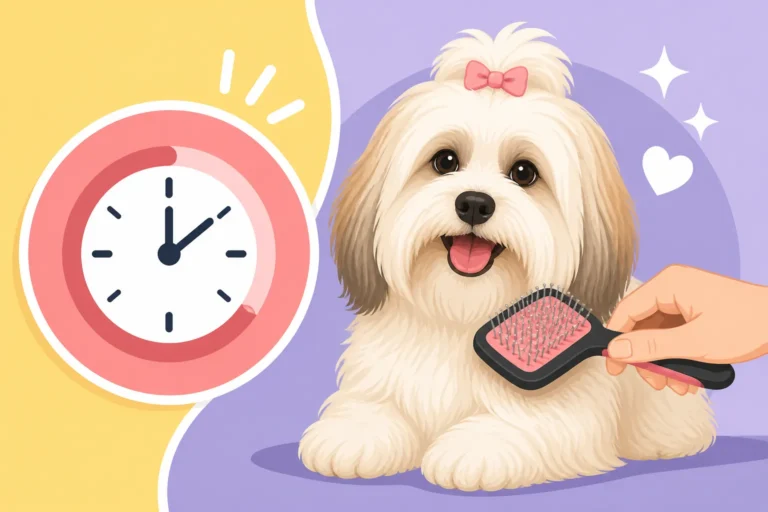
For a Havanese, "consistent" generally means daily. Yes, daily! Even if it's just a 10-15 minute session, it makes a world of difference, especially during the coat change when mats seem to sprout overnight. Think of it as a bonding ritual rather than a chore. Start by picking a time that works for both you and your Havanese when they are relaxed. Many owners find success brushing while watching TV or in the evening.
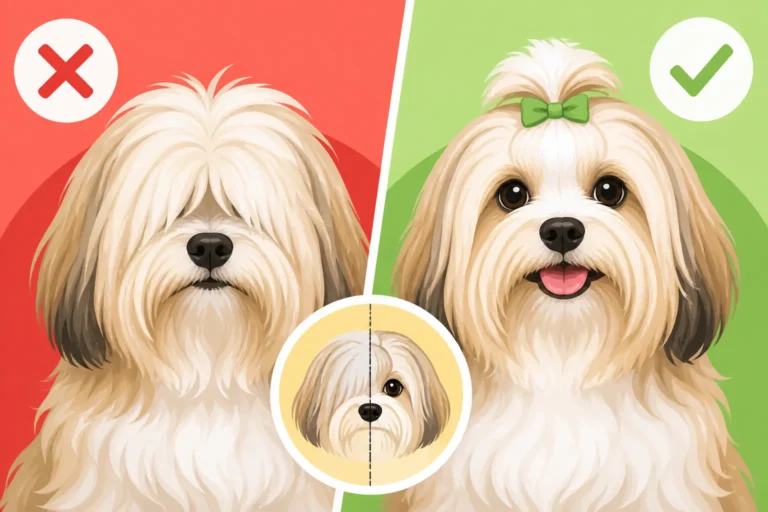
Your routine should involve more than just a quick run-through with a brush. It needs to be thorough, reaching all the way to the skin. This is where "line brushing" becomes your best friend. Instead of just brushing the top layer of hair, you need to systematically part the coat, layer by layer, starting from the bottom (e.g., the legs or belly) and working your way up. Hold the unbrushed hair up, exposing a line of skin, and brush downwards through that section, ensuring your brush and comb reach the skin. Once that section is tangle-free, drop a little more hair and repeat. This technique ensures you don't miss those hidden mats that form close to the body. Even a short session of diligent line brushing every day is significantly more effective than a lengthy, infrequent one. You can get a better idea of the time commitment in How Long Brushing a Havanese Takes Daily.
Essential Grooming Tools and Techniques
Having the right tools is half the battle when it comes to preventing mats. Don't skimp on quality; good tools will last longer and be more effective, making the process more comfortable for your Havanese.
Here’s what every Havanese owner should have in their grooming kit:
- Pin Brush: This is your primary tool for daily brushing. Look for one with long, smooth, rounded pins that can penetrate deep into the coat without scratching the skin.
- Slicker Brush: A slicker brush, with its fine, wire bristles, is excellent for working out smaller tangles and removing loose undercoat. Use it gently, with a flicking motion, to avoid "brush burn" on the skin. You can find excellent options on Chewy or Amazon.
- Metal Comb: A good quality, sturdy metal comb with both wide and fine teeth is absolutely essential. The wide teeth are for initial detangling, and the fine teeth are for checking your work and ensuring there are no hidden tangles, especially behind the ears and in the armpits. It should glide through the coat smoothly if there are no mats. Many people ask Whether a Comb Beats a Slicker on a Havanese, and the answer is usually that you need both!
- Detangling Spray: A high-quality detangling spray is a game-changer. Mist it lightly over the coat before brushing; it helps lubricate the hair, reduce static, and makes tangles easier to work through. This is particularly useful during the dry winter months.
- Scissors with blunt tips: For carefully trimming hair away from eyes and paws, or for safely cutting into a tight mat (never across it) to loosen it before combing.
- Nail Clippers and Styptic Powder: While not directly for matting, healthy paw care is part of overall grooming.
- High-Velocity Dryer (optional but highly recommended): If you bathe your Havanese at home, a force dryer can significantly reduce drying time and help "blow out" loose hair, which greatly minimizes matting. You can also explore options for grooming tables and other tools on Amazon.
When using these tools, remember to be gentle and patient. Always support the skin at the base of a mat when trying to comb it out to prevent pulling and pain. Teach your Havanese to enjoy grooming sessions from a young age with positive reinforcement and treats.
Diet and Hydration's Role in Coat Health
You might not think of food when you think of matting, but a healthy coat starts from the inside out. Proper nutrition and adequate hydration are fundamental to maintaining a strong, vibrant coat that is less prone to drying out, breaking, and matting.
- Quality Food: Feed your Havanese a high-quality dog food. Look for ingredients that support skin and coat health, such as omega-3 and omega-6 fatty acids (often found in fish oils or flaxseed). A diet lacking essential nutrients can lead to a dull, brittle coat that is more susceptible to tangles and damage. Brands like Ollie offer fresh, human-grade food that can significantly boost overall health, including coat condition, for many dogs. Even if you choose a kibble, ensure it's from a reputable brand with excellent nutrient profiles.
- Supplements: If your Havanese's coat seems dry or prone to matting despite a good diet, talk to your vet about adding a fish oil supplement. Omega fatty acids can improve coat luster and strength, making the hair smoother and less likely to snag. Always discuss supplements with your veterinarian before adding them to your dog's regimen.
- Hydration: Just like human hair, a dog's coat needs to be well-hydrated. Ensure your Havanese always has access to fresh, clean water. Good hydration contributes to healthy skin and hair follicles, which in turn leads to a healthier, more manageable coat. If a dog is even slightly dehydrated, its skin and coat can become dry, making it more prone to tangles.
By focusing on internal health as much as external grooming, you're giving your Havanese the best possible chance at a mat-free, beautiful coat.
Dealing with Existing Mats: When Prevention Fails
Even with the best intentions and a diligent routine, a mat can sometimes sneak up on you. Perhaps your Havanese rolled in something sticky, or you had an unexpectedly hectic week. When you find yourself face-to-face with a tangle, the key is to approach it with patience, the right tools, and a clear understanding of when to seek professional help.
Gentle Dematting at Home (and When Not To)
Small, loose mats can often be gently worked out at home. The absolute golden rule here is patience. Never try to yank or pull through a mat, as this will only cause pain and further damage to the coat and skin.
Here's how to approach it:
- Gather Your Tools: You'll need your metal comb, a slicker brush, a detangling spray, and potentially a blunt-tipped pair of scissors.
- Mist the Mat: Lightly spray the mat with a detangling spray. This helps to loosen the hair and reduce friction.
- Isolate the Mat: Gently separate the matted section from the surrounding coat. This prevents you from pulling on healthy hair.
- Work from the Outside In: Start by picking at the very edges of the mat with your fingers, trying to loosen individual strands. Then, using the wide-toothed side of your metal comb, gently tease at the very tip of the mat. Hold the mat firmly at its base, close to the skin, to prevent pulling on your Havanese's skin. This is crucial for their comfort.
- Small Sections at a Time: Work in tiny increments, literally a few hairs at a time. Once you've loosened a small section with the comb, you can use the slicker brush with a gentle flicking motion to further separate the hairs.
- Scissors as a Last Resort (for small mats): If a small mat is particularly stubborn, you can carefully use blunt-tipped scissors to cut into the mat (never across it). Make a few snips along the direction of hair growth, essentially breaking the mat into smaller, more manageable sections. This can help release the tension, making it easier to comb out. Be extremely careful not to cut the skin, which can be pulled tightly into a mat.
When NOT to Demat at Home: If the mat is large, tight, or close to the skin, especially if it's causing your Havanese pain or distress, stop immediately. Attempting to demat a severe tangle at home can be agonizing for your dog and can even cause skin injuries. It's simply not worth putting your furry friend through that. This is where professional help comes in. Dematting can be quite painful, so it's good to understand Whether Dematting Hurts a Havanese.
The Professional Groomer's Role
Professional groomers are skilled artists when it comes to dealing with challenging coats. If you encounter mats that you can't comfortably or safely remove at home, a groomer should be your next call.
- Assessment: A good groomer will first assess the extent and severity of the matting. They understand coat types and have specialized tools and techniques for dematting.
- Gentle Dematting (if possible): For less severe matting, a groomer may be able to carefully work out the tangles using professional products and tools. They are trained to do this as gently and efficiently as possible, prioritizing your dog's comfort. Be prepared that this service often comes with an extra charge because of the time and effort involved.
- Honest Evaluation: A responsible groomer will also be honest with you about whether dematting is a humane option. If the mats are too tight, too extensive, or too close to the skin, they will recommend shaving down the coat. They understand that prolonged pulling and pain during a dematting session can create a negative association with grooming, making future sessions even harder. It's important to remember that a groomer's priority is the dog's well-being. Knowing What a Full Havanese Groom Costs can help you budget for professional help.
The Last Resort: Shaving Down
Sometimes, despite all efforts, the matting is simply too severe to be safely and humanely brushed out. When mats are tight, extensive, or creating skin irritation, the kindest and safest option for your Havanese is often a full shave-down.
- Why Shave?: Mats that are close to the skin can restrict blood flow, cause painful pulling, hide skin infections, or even trap moisture leading to hot spots. Trying to brush out such severe mats can be excruciating for your dog and risks serious skin damage. A groomer will use clippers to get underneath the mats, essentially removing the felted coat entirely.
- The Look: Yes, a shave-down will drastically change your Havanese's appearance. Many owners are saddened by the loss of their dog's beautiful long coat, but it's important to remember that the coat will grow back. Often, a fresh start allows the coat to grow back healthier and easier to manage. You might opt for The Puppy Cut Most Havanese Owners End Up Choosing as it grows back.
- Aftercare: After a shave-down, your Havanese's skin will be exposed, so you'll need to protect them from sunburn and cold. It's also an excellent opportunity to establish a new, vigilant grooming routine from scratch as the new coat grows in. This experience can be a powerful motivator to prevent severe matting from happening again.
Remember, a shaved Havanese is a healthy, comfortable Havanese, and their happiness is what truly matters. It's a temporary cosmetic change for their long-term well-being.
Disclaimer
This article is for general informational purposes only and does not constitute professional advice. Laws, prices and regulations vary by location and change over time. Consult a qualified professional for guidance on your specific situation.