Whether Dematting Hurts a Havanese
It's a familiar scenario for any Havanese owner: you're enjoying a cuddle session or a routine brush, and suddenly your fingers hit a dense, sticky knot. The immediate thought is often a pang of dread – not just for the chore ahead, but for the discomfort or even pain your beloved Havanese might experience during the dematting process. This guide is here to walk you through exactly what mats are, why they can be painful, and most importantly, how to approach dematting your Havanese with the utmost care, minimizing distress for both of you.
Why Mats Form and the Discomfort They Already Cause
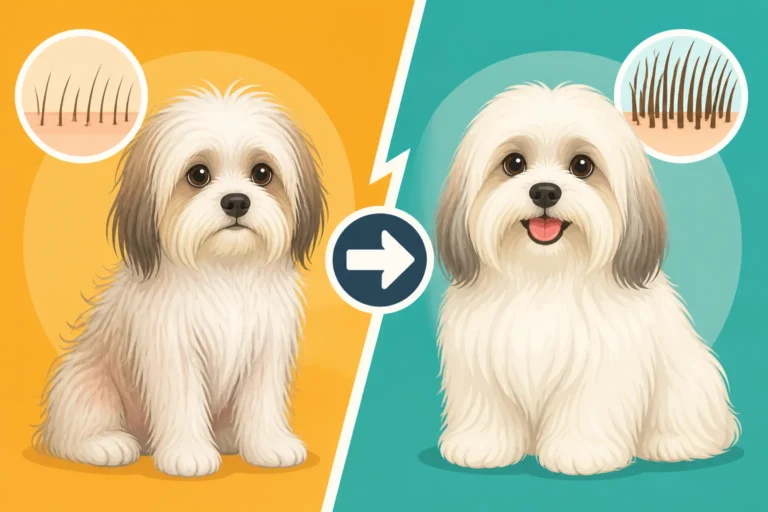
Before we even get to the act of dematting, it's crucial to understand that mats themselves are inherently uncomfortable, and often painful, for your Havanese. These aren't just simple tangles; mats are dense clumps of hair that have become hopelessly interwoven, often tightening closer and closer to the skin. Think of it like having your hair constantly pulled, or wearing a tight, uncomfortable garment that's digging in.
The Anatomy of a Havanese Mat
A Havanese coat is truly unique – it's a silky double coat that can grow quite long, sometimes right to the floor. This beautiful, flowing hair is also a magnet for mats if not meticulously maintained. Mats typically form when shed hair gets caught within the live coat, instead of falling out. Over time, friction from movement, collars rubbing, or even just sleeping can cause these trapped hairs to felt together, creating a tight, unyielding mass. They're often found in areas of high friction or behind the ears, under the armpits, on the belly, or around the base of the tail. These areas are constantly moving and rubbing, making them prime locations for tangles to escalate quickly into serious mats. The Silky Double Coat a Havanese Grows to the Floor offers more insight into this unique coat type.
How Mats Inflict Pain
The pain from mats isn't just during the removal process; it's a constant presence if left unchecked.
- Skin Pulling: As mats tighten, they pull on the underlying skin. This constant tension is akin to a perpetual hair pull, causing tenderness, irritation, and even bruising. Imagine having a patch of hair tightly tugged all day long – it's incredibly painful.
- Restricted Movement: Large mats, especially in the armpits or around the legs, can severely restrict your Havanese's natural movement. They might struggle to walk, run, or even lie down comfortably. This immobility leads to muscle stiffness and further discomfort.
- Skin Infections and Hot Spots: Mats create a breeding ground for bacteria and yeast. The trapped moisture and lack of air circulation under a mat can lead to skin irritation, sores, and nasty infections, often referred to as "hot spots." These are intensely itchy and painful, and hidden beneath the mat, they can go unnoticed until they become severe.
- Parasites: Mats can also conceal fleas, ticks, and other parasites, making detection and treatment incredibly difficult. These pests add another layer of irritation and potential health risks.
It's clear that addressing mats isn't just about aesthetics; it's a critical component of your Havanese's health and well-being. Letting them persist causes ongoing suffering.
The Truth About Dematting: When It's Painful (and Why)
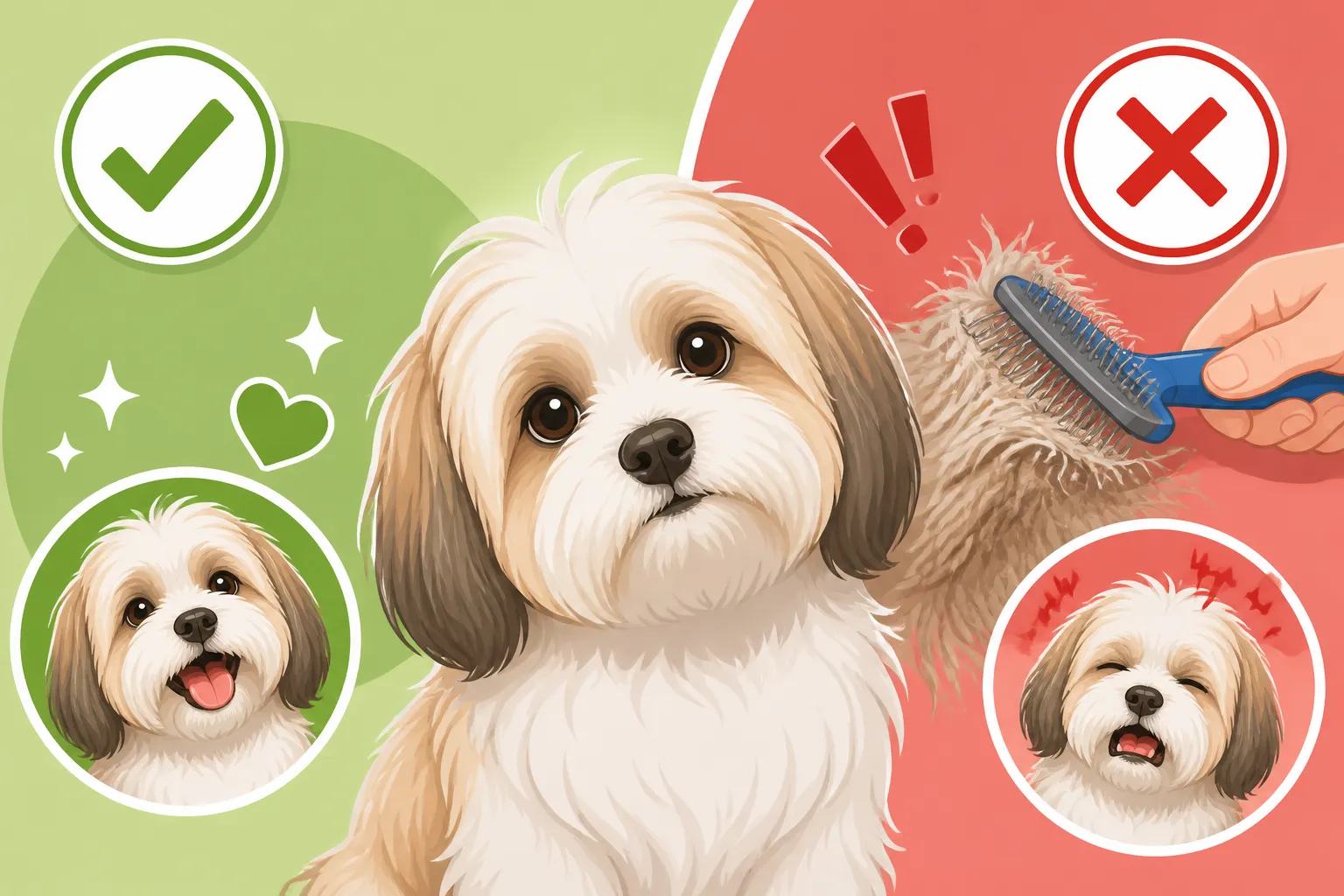
Let's be honest: dematting can absolutely hurt a Havanese, especially if the mats are severe, close to the skin, or if improper techniques are used. It’s not something to sugarcoat. The goal isn't to pretend it's painless, but to understand why it hurts and how to mitigate that pain.
Factors Increasing Dematting Discomfort
Several elements contribute to how much pain your Havanese might experience during dematting:
- Severity and Tightness of the Mat: A small, loose tangle is far less painful to remove than a dense, pelt-like mat that's felted tight against the skin. The tighter the mat, the more it pulls on the surrounding healthy hair and skin when you try to separate it.
- Location of the Mat: Mats in sensitive areas like behind the ears, in the armpits, or around the sanitary area are typically more painful to remove. The skin in these regions is thinner and more prone to irritation.
- Your Dog's Temperament and Pain Threshold: Just like people, some Havanese are more tolerant of discomfort than others. A sensitive or nervous dog will likely react more strongly to the pulling sensation. A puppy not yet used to grooming will also be more prone to fear and discomfort. Getting a Havanese Used to Brushing as a Puppy is crucial reading for new owners.
- Technique and Tools Used: Aggressive pulling, using the wrong type of brush, or trying to cut out mats with blunt scissors are surefire ways to cause pain and even injury. This is why proper technique and appropriate tools are paramount.
When Dematting Becomes a Cruel Endeavor
There's a point where dematting ceases to be a helpful grooming task and becomes outright cruel. This usually happens when the mats are so extensive and tight that they form a solid "pelt" over large areas of the body. Trying to comb out such a pelt would involve hours of excruciating pulling and tearing, causing immense pain, skin damage, and severe emotional trauma to your Havanese.
In these extreme cases, a responsible groomer or vet will strongly recommend shaving the dog down. Yes, it means losing that beautiful, flowing coat temporarily, but it's the most humane option. The relief your Havanese will feel from the removal of a full body pelt is immediate and profound. It allows their skin to breathe, heal, and for their natural movement to return. While it might feel sad to see their coat go, remember that their comfort and health come first. The hair will grow back, but the memory of pain can linger.
Gentle Dematting Techniques and Tools for Your Havanese
If you're dealing with minor tangles or small, loose mats, you can often address them at home with the right approach. The key is patience, gentleness, and using tools that minimize pulling.
Essential Dematting Tools
Having the correct tools on hand makes all the difference in preventing pain and effectively tackling mats. You can find many of these at online retailers like Chewy or Amazon.
- Slicker Brush: A good quality slicker brush is essential for daily maintenance and getting out small tangles before they become mats. Look for one with coated tips to be gentler on the skin.
- Metal Comb (Fine and Coarse Teeth): A sturdy metal comb with both wide and narrow-set teeth is your best friend for isolating and working through mats. The narrow teeth are great for checking for missed tangles after brushing.
- Mat Splitter/Dematting Rake: These tools have blades designed to safely cut through mats without pulling hair. They're excellent for breaking larger mats into smaller, more manageable sections. Use these with extreme caution, always pointing away from the skin.
- Blunt-Nose Scissors: Only use these for carefully cutting into a mat, never straight across or against the skin. They are for breaking up mats, not removing them completely. Again, extreme caution is needed.
- Detangling Spray: A good detangling spray can lubricate the hair, making it easier to separate and reducing static and breakage. Many brands offer excellent detangling formulas.
- High-Velocity Dryer (Optional but Recommended): While not for dematting itself, proper drying after a bath prevents mats from forming in the first place, and a force dryer can help separate hair to reveal hidden tangles. Drying a Havanese Properly is key to coat health.
| Tool Type | Primary Function | Best Use Case | How It Helps Minimize Pain |
|---|---|---|---|
| Slicker Brush | Daily brushing, removing loose hair, detangling | Small tangles, regular maintenance | Prevents mats from forming, gentle on skin |
| Metal Comb | Isolating mats, fine detangling, checking for mats | Working through small to medium mats, finishing | Precision work, less pulling on healthy hair |
| Mat Splitter | Cutting through dense mats | Large, tight mats, breaking them into sections | Reduces pulling, safer than regular scissors |
| Blunt-Nose Scissors | Safely cutting into small mats (with caution) | Isolating mat sections, creating smaller chunks | Prevents accidentally cutting skin |
| Detangling Spray | Lubricating hair, easing mat separation | All dematting, pre-brushing, post-bath | Reduces friction, makes hair easier to comb |
| Force Dryer | Drying efficiently, blowing out loose undercoat | After bathing, to prevent new mats from forming | Helps separate coat, reveals hidden mats |
Step-by-Step Gentle Dematting Process (for minor mats)
Remember, this is for minor mats. If it's severe, consult a professional.
- Assess the Mat: Gently feel the mat. How big is it? How close to the skin? Can you get your fingers underneath it?
- Spritz with Detangling Spray: Liberally apply a good quality detangling spray to the mat. Let it sit for a minute or two to penetrate the hair. This is where products from Chewy or Amazon can be very helpful.
- Isolate the Mat: Use your fingers to gently separate the mat from the surrounding healthy hair. Hold the hair close to the skin at the base of the mat with one hand. This prevents pulling on the skin as you work.
- Work from the Outside In: Never try to pull a comb straight through the entire mat. Start at the very edge of the mat, using just the tips of your metal comb. Work tiny sections at a time, picking and teasing the hairs apart.
- Use a Mat Splitter (If Needed): If the mat is too dense to pick apart, carefully insert a mat splitter or blunt-nose scissors into the mat, parallel to the skin, and make small cuts to break it into smaller segments. Always point away from the skin.
- Comb, Don't Pull: Use short, gentle strokes with your comb. As you work through a section, move the comb a tiny bit closer to the skin. If you encounter resistance, stop and go back to picking.
- Take Breaks: If your Havanese gets antsy or shows signs of discomfort, take a break. Offer praise and a small, soft treat. Make it a positive experience, even if challenging.
- Finish with Brushing: Once the mat is mostly out, follow up with your slicker brush and then the metal comb to ensure all tangles are gone and the coat is smooth. This also helps distribute the detangling spray.
For a deeper dive into general grooming practices, check out How Long Brushing a Havanese Takes Daily and Which Brush Suits a Havanese.
Prevention is Key: Avoiding Mats in Your Havanese's Coat
The absolute best way to prevent dematting from hurting your Havanese is to prevent mats from forming in the first place. This requires consistency and commitment, but it's far less painful and stressful for everyone involved.
Establishing a Regular Grooming Routine
- Daily Brushing: This is non-negotiable for a Havanese. A quick 10-15 minute session daily, where you line brush down to the skin, can prevent most mats. Whether a Havanese Mats Behind the Ears and Whether a Havanese Mats in the Armpits highlight common trouble spots to focus on.
- Weekly Baths and Conditioning: Regular bathing with a good quality shampoo and conditioner helps keep the coat clean and manageable. Always thoroughly brush out your Havanese before a bath to loosen any tangles, as water can tighten mats further. After bathing, use a force dryer to completely dry the coat while brushing to prevent new mats.
- Professional Grooming Schedule: Even with diligent home grooming, many Havanese owners benefit from professional grooming every 4-8 weeks. A professional groomer has the experience, tools, and often a more objective approach to tackle those hard-to-reach areas and ensure a thorough job. They can also advise on appropriate clips like a "puppy cut" which can significantly reduce matting. The Puppy Cut Most Havanese Owners End Up Choosing is a popular option.
Lifestyle Adjustments to Minimize Matting
- Proper Collar/Harness Fit: An ill-fitting collar or harness can cause significant matting around the neck and chest. Ensure collars are snug enough not to rub excessively but not so tight as to cause irritation. Consider a silk-lined collar or a well-designed harness that minimizes friction. Whether a Harness Mats a Havanese is a crucial consideration.
- Coat Management:
- Topknots: If your Havanese has long hair around their face, keeping it in a topknot can prevent it from falling into their eyes, where it can gather food debris and create mats. Whether a Havanese Needs a Topknot
- Sanitary Trims: Regularly trim the hair around your Havanese's sanitary area and paws. This not only keeps them cleaner but also prevents mats from forming where urine, feces, or mud can stick. Whether a Havanese's Sanitary Area Needs Trimming
- Keep it Dry: Always dry your Havanese thoroughly after walks in wet weather or after a bath. Damp hair mats much faster than dry hair. Whether a Damp Havanese Mats Faster
- Nutrition and Hydration: A healthy diet contributes to a healthy coat. Ensure your Havanese is getting appropriate nutrition. While not a direct matting prevention, a healthy, well-nourished coat is generally easier to maintain. Products like Ollie, or high-quality kibble available on Chewy, support overall health.
Recognizing When to Seek Professional Help
Sometimes, despite your best efforts, mats happen. Knowing when to call in a professional is key to avoiding unnecessary pain for your Havanese.
- Large or Tight Mats: If a mat is larger than a quarter or is very tight and close to the skin, it's often best left to a professional groomer. They have specialized tools and techniques to remove these safely.
- Multiple Mats: If your Havanese has several mats in different areas, tackling them all yourself can be overwhelming and traumatic for your dog. A groomer can do it efficiently.
- Dog's Discomfort: If your Havanese becomes overly stressed, vocalizes pain, or tries to bite during your dematting attempts, stop immediately. Pushing through will only make future grooming sessions harder and more frightening.
- Skin Irritation: If you notice any redness, swelling, or open sores beneath a mat, do not try to demat it yourself. This needs veterinary attention. A groomer may decline to work on a dog with skin issues and refer you to a vet first.
Ultimately, your Havanese relies on you to manage their care. While dematting can indeed hurt, understanding the process, using the right tools, and prioritizing prevention can minimize their discomfort and ensure they live a happy, tangle-free life.
Disclaimer
This article is for general informational purposes only and does not constitute professional advice. Laws, prices and regulations vary by location and change over time. Consult a qualified professional for guidance on your specific situation.