Whether a Havanese Mats in the Armpits
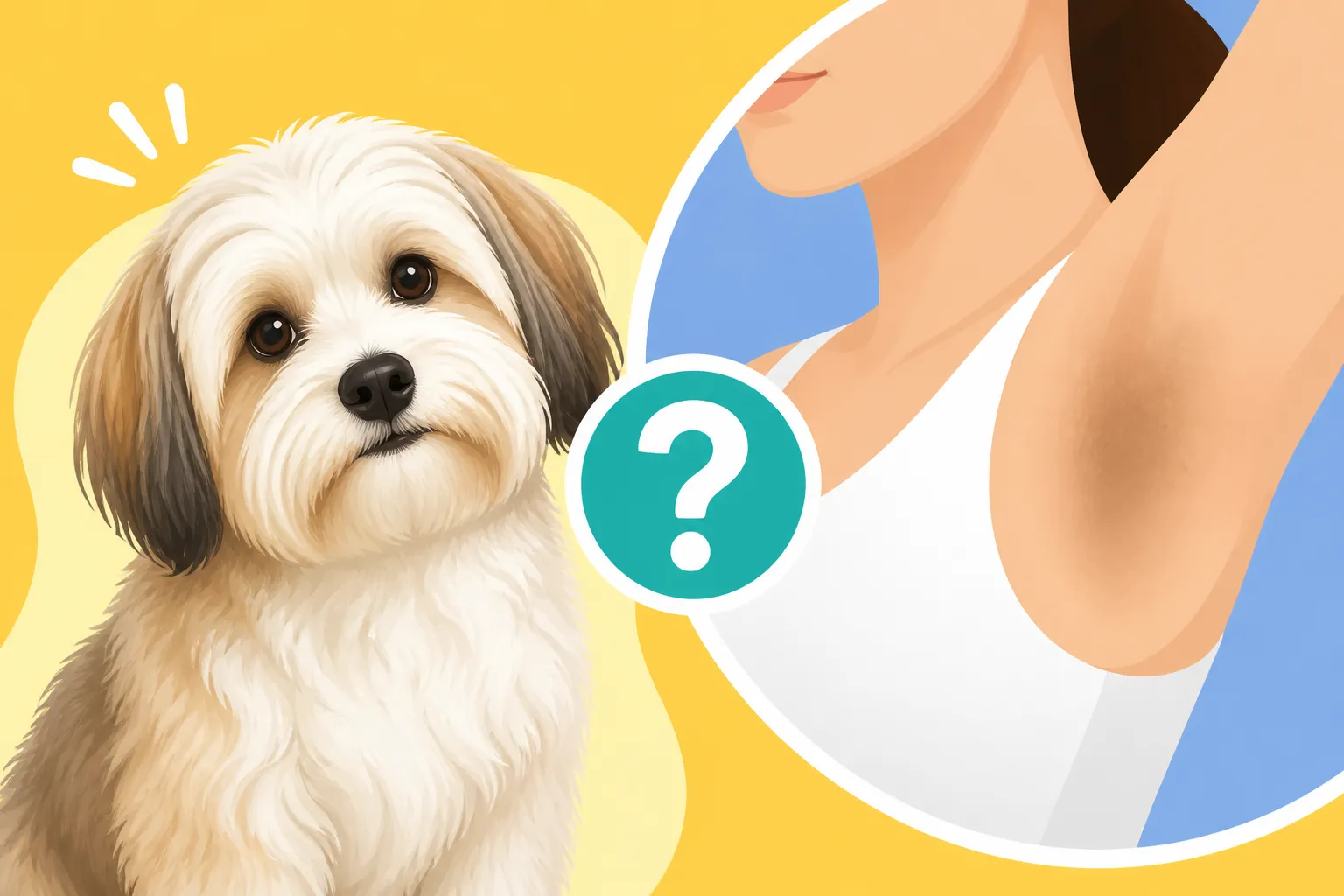
Oh, the dreaded armpit mat! If you're a Havanese parent, you know that sinking feeling when your fingers encounter a stubborn knot right where your sweet furball's leg meets their body. It's a truly common struggle, and it can feel overwhelming trying to keep up with these sneaky tangles. This comprehensive guide will dive deep into why these pesky mats form in such a sensitive area and, more importantly, provide you with actionable strategies to prevent and safely tackle them, ensuring your Havanese's beautiful coat remains healthy, comfortable, and mat-free.
Why the Armpits are a Mat Magnet for Your Havanese
It's a universal truth among Havanese owners: if there's a mat to be found, it's often lurking right in the armpit. This isn't just bad luck; it's a combination of your Havanese's specific coat characteristics and the mechanics of their daily life. Understanding these factors is the first step in winning the battle against armpit mats.
The Unique Coat Texture and Constant Friction
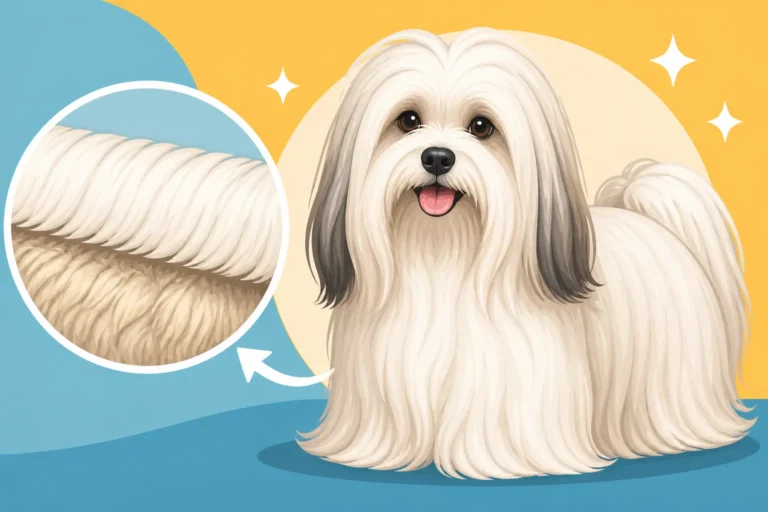
The Havanese boasts a glorious double coat, renowned for its silky texture, but this very silkiness, combined with a fine undercoat, is a prime culprit for matting. Unlike breeds with coarser hair, the Havanese's fine strands love to intertwine, especially when agitated. The armpit area is a zone of constant friction. Every step your Havanese takes, every time they lie down, stand up, or even just stretch, their front legs are rubbing against their body. This repetitive motion acts like a natural felting machine, pressing loose hairs and fine undercoat together, creating tight, uncomfortable mats right at the pivot point of their limbs. It's a high-traffic area for their coat, and the delicate hair simply can't always stand up to the constant rubbing without some help from us.
Think about it from your Havanese's perspective. They're just trying to live their best life, chasing a ball, greeting you at the door, or enjoying a good stretch after a nap. Meanwhile, their beautiful coat is undergoing a microscopic tug-of-war in their armpits. The fine, wispy hairs there are particularly prone to knotting, and because it's such a tucked-away spot, it can easily be missed during a quick brush-through. Owners often find themselves thinking, "I just brushed you yesterday!" only to discover a new, stubborn lump under the arm.
Movement, Moisture, and Daily Life
Beyond the constant friction, the armpit area is also subject to factors like moisture and general activity that accelerate mat formation. When your Havanese plays, goes for a walk, or even just gets excited, they sweat. While dogs don't sweat like humans, their skin can get damp, and damp fur is far more susceptible to matting than dry fur. A quick dash through dewy grass or a humid day can introduce enough moisture to make the fine hairs cling together, especially in areas where air circulation is limited, like the armpits.
Imagine your Havanese enjoying a vigorous play session. Their little legs are pumping, their body is moving, and those armpits are getting a serious workout. This isn't just about friction; it's about the increased dampness from body heat and limited airflow, coupled with the hair being constantly pushed and pulled. Furthermore, anything that comes into contact with the armpits – whether it's a harness, a sweater, or even just lying on a rough carpet – can contribute to matting. Even a slight dampness from a bath not being thoroughly dried can set the stage for a nasty mat to form within hours. That's why drying techniques are just as important as brushing, especially in these high-risk areas.
Proactive Prevention: Daily Habits and the Right Tools
The best defense against armpit mats is a good offense. Establishing a consistent grooming routine and equipping yourself with the correct tools are paramount. Don't wait until you find a mat; make prevention a daily ritual for your Havanese. It might feel like a lot of work initially, but a few minutes each day can save you hours of painful detangling later.
The Art of Sectioning and Line Brushing
When you're brushing your Havanese, especially in sensitive areas like the armpits, it's not enough to just glide a brush over the top coat. You need to get down to the skin. This is where "line brushing" comes in, and it's an absolute game-changer. Start by parting the hair near the armpit and holding the upper section of fur up with one hand. With your other hand, gently brush a small section of hair, working from the skin out, in short, soft strokes. Once that section is knot-free, drop a little more hair from the upper section and repeat. You're essentially working in horizontal lines, systematically clearing the hair from the bottom up.
This meticulous approach ensures you're not just brushing the surface but are truly reaching any potential tangles at their root. Pay extra attention to the very top and inner parts of the armpit, where the leg meets the chest, as this is where those sneaky little knots often begin. If you skip this step, you might feel like you're brushing thoroughly, but you could just be compacting the mats closer to the skin, making them harder to remove later. This technique might take a bit longer, but it's incredibly effective, and your Havanese will thank you for the gentle, thorough care. You might find a grooming table helpful for this, as it keeps your dog at a comfortable working height and can make the process easier on your back. Getting a Havanese Used to Brushing as a Puppy can make these daily sessions much smoother later on.
Essential Grooming Tools for Havanese Armpits
Having the right tools is half the battle. For Havanese coats, a good quality slicker brush, a metal comb, and a detangling spray are non-negotiable.
- Slicker Brush: This brush has fine, wire pins closely set together. It's excellent for working through tangles and removing loose undercoat. Always use it gently, starting with the ends of the hair and working your way up to the skin. For sensitive areas like the armpits, choose one with coated tips or a very soft action.
- Metal Comb: A sturdy metal comb with both wide and fine teeth is crucial. After using the slicker brush, run the comb through the hair to confirm there are no hidden tangles. The fine end is perfect for those really tricky, dense areas like the armpits. If the comb snags, you know you've found a mat that needs more attention.
- Detangling Spray: These sprays reduce friction and make the hair slicker, allowing tangles to loosen more easily without damage. Always mist the area before attempting to brush out any knots. You can find a variety of excellent options on platforms like Chewy or Amazon, many specifically formulated for long-haired breeds.
| Tool Type | Primary Use | Key Benefit | How to Use in Armpits |
|---|---|---|---|
| Slicker Brush | Loosening tangles, removing dead undercoat | Efficiently separates hair, gentle on skin | Soft strokes, layer by layer, from skin outwards |
| Metal Comb | Checking for hidden mats, fine detangling | Confirms mat-free status, precise | After slicker, gently comb through to the skin |
| Detangling Spray | Lubricating coat, easing mat removal | Prevents breakage, reduces pulling | Mist before brushing, let it soak briefly |
| Mat Splitter | Cutting through tight, flat mats (last resort) | Breaks apart felted mats | Carefully insert under mat, pull through. Use with extreme caution. |
| Blunt-Tip Scissors | Safely snipping very small, stubborn mats | Precise, minimizes skin injury risk | Point parallel to skin, cut away from body. Use with extreme caution. |
Remember that good quality tools last longer and perform better, ultimately making the grooming experience more comfortable for both you and your Havanese. Which Brush Suits a Havanese can offer more guidance on choosing the right tools for your dog's specific coat type.
The Critical Role of Bathing and Drying Techniques
Bathing your Havanese is a lovely way to keep their coat clean and fresh, but it can actually cause mats if not done correctly, especially in areas like the armpits. Never put a matted Havanese into the tub! Water tightens mats, making them nearly impossible to remove without shaving. Always ensure your Havanese is completely free of tangles before bathing. Use a good quality shampoo and conditioner designed for long-haired dogs. The conditioner is crucial as it smooths the hair cuticles, making them less prone to tangling. Many excellent brands are available, easily purchased from online retailers like Amazon.
After rinsing thoroughly, the drying process is just as important. Gently squeeze excess water from the coat with your hands, then blot (don't rub!) with a super-absorbent towel. Next, use a force dryer or a cool-to-lukewarm hairdryer on a low setting, always brushing as you dry. Line brush while drying the armpit area, ensuring that every strand of hair is completely dry, right down to the skin. Any residual dampness, particularly in the armpits, is an open invitation for mats to form once the dog starts moving around. If your Havanese tolerates it, Whether a Force Dryer Is Worth It for a Havanese can explain why these powerful dryers are a game-changer for thorough drying and mat prevention.
Safely Untangling and Removing Armpit Mats
Finding an armpit mat can be daunting, but with patience and the right approach, many can be removed without resorting to shaving. The key is to be gentle, take your time, and prioritize your Havanese's comfort. Rushing or pulling can cause pain and make your dog dread future grooming sessions.
Assessing the Mat: Detangle or Clip?
Before you even reach for a tool, take a moment to assess the mat. Is it small and relatively loose, sitting mostly on the surface? Or is it tight, dense, and close to the skin, feeling like a hard knot? The size and severity will dictate your approach.
- Loose, surface mats: These are often amenable to gentle detangling. They might feel soft to the touch and you can usually see some individual hairs within them.
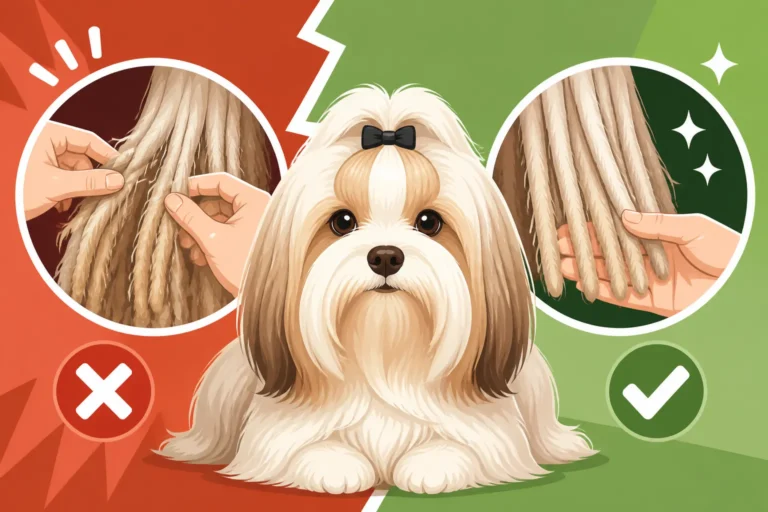
- Tight, dense, or "felted" mats: These are the trickier ones. If a mat is so tight it pulls at the skin, or if you can't get even the fine end of a comb underneath it, it might be too painful or even impossible to brush out safely. In such cases, clipping or carefully cutting the mat out is often the kindest option. Trying to brush out a truly felted mat can cause significant pain, skin irritation, and even bruising.
Remember, your Havanese's comfort comes first. If you're unsure, or if the mat is large and close to a sensitive area, a professional groomer is always the best choice. They have specialized tools and experience that can minimize stress and discomfort.
Step-by-Step Gentle Detangling Methods
If you've determined the mat is brushable, here’s a step-by-step approach:
- Gather your supplies: You'll need a slicker brush, a metal comb, a detangling spray (or a high-quality conditioner diluted with water), and some very tempting treats.
- Position your Havanese: Find a comfortable spot where your dog can relax, perhaps on your lap or a non-slip surface like a grooming table. Make sure they feel secure.
- Apply detangling spray: Liberally mist the mat with detangling spray, ensuring it saturates the entire knot. Gently work the spray into the mat with your fingers. Let it sit for a minute or two to allow the product to penetrate and lubricate the hair.
- Isolate the mat: Hold the hair above the mat with one hand to prevent pulling on the skin. This is crucial for minimizing discomfort.
- "Pick" at the mat: Using the very tips of your slicker brush or the wide teeth of your metal comb, start picking at the outermost edge of the mat, working small sections of hair free. Don't try to brush through the whole mat at once. Work from the outside in, or from the bottom (furthest from the skin) up towards the skin. It's like unraveling a tiny, stubborn ball of yarn.
- Brush, then comb: Once you've picked a few hairs free, use the slicker brush on those freed strands, then follow with the comb. Continue this process, gradually working through the mat. Give your Havanese breaks and reward them with treats and praise often.
- Final comb-through: Once you believe the mat is gone, run your metal comb through the entire armpit area from root to tip. If the comb glides smoothly, you've succeeded! If it snags, there's still work to do.
Patience is your biggest asset here. It might take several short sessions over the course of an hour or two to remove a stubborn mat, but it's far better than causing pain.
When to Seek Professional Grooming Help
There are definitely times when it's best to call in the professionals. If you encounter any of the following, don't hesitate to book an appointment with a reputable groomer:
- Large, dense, or "pelted" mats: These mats are often impossible to brush out without causing severe pain or injuring the skin. Trying to tackle them yourself can traumatize your Havanese and make future grooming sessions a nightmare.
- Mats close to the skin: Mats that are tight against the skin pose a higher risk of nicks or cuts if you try to clip them out with scissors. Groomers have specialized clippers and techniques to safely remove mats without harming the dog.
- Multiple mats or widespread matting: If your Havanese has more than a few small mats, or if the matting is extensive, a full professional groom, often including a shave-down, is the most humane option.
- Your Havanese is uncooperative or in pain: If your dog is showing clear signs of distress, growling, biting, or yelping when you try to brush, stop immediately. Forcing the issue will only create negative associations with grooming. A professional can often work with difficult dogs more safely and effectively.
A good groomer prioritizes the dog's comfort and will openly discuss the best course of action, even if it means clipping the coat short to start fresh. This might be a good time to consider Whether a Shorter Clip Cuts a Havanese's Bill in the long run.
Expanding Your Mat Defense: Other Vulnerable Spots and Holistic Care
While armpits are notorious, they're not the only places where mats love to hide. A comprehensive mat prevention strategy involves vigilance across the entire coat and understanding how overall health contributes to coat quality.
Common Matting Hotspots Beyond the Armpits
Your Havanese's beautiful coat has several other prime locations where mats can form. Being aware of these areas will help you refine your grooming routine and catch tangles before they become major problems:
- Behind the Ears: The fine, wispy hair behind the ears, combined with head movements, makes this a very common matting spot. These mats can be particularly painful if they get tight, pulling on the delicate skin.
- Under the Collar or Harness: Anything that rubs against the coat creates friction. Collars and harnesses, especially if ill-fitting or worn constantly, can rub the hair, compacting it and leading to mats. Consider removing collars when your dog is safely indoors and ensuring harnesses fit properly without chafing. Whether a Harness Mats a Havanese is a common concern among owners.
- Feathering on Legs and Tail: The longer hair on the back of the legs (feathering) and the plume-like tail are beautiful but prone to tangles from walking, sitting, and wagging.
- Sanitary Area and Groin: Urine, feces, and general moisture in these areas can quickly cause sticky, difficult mats. Regular trimming of the sanitary area is essential, and careful drying after any potty breaks, especially in wet weather, is critical.
- Chest and Underbelly: These areas rub against the ground when your Havanese lies down and can also get wet or dirty easily, leading to tangles.
Regular, thorough line brushing in all these areas, ideally daily, is your best defense. A quick run-through with a comb is not enough; you need to feel for those tiny knots that are just starting to form.
Lifestyle Adjustments to Minimize Matting Risk
Beyond daily brushing, a few lifestyle adjustments can significantly reduce the likelihood of your Havanese developing mats:
- Appropriate Grooming Schedule: Work with a professional groomer to establish a regular schedule, typically every 4-6 weeks, for baths, trims, and thorough de-matting if needed. Even if you groom at home, a professional eye can spot issues you might miss.
- Protective Clothing (when appropriate): While some clothing can cause mats, a light, silky onesie or coat can actually protect a long coat from friction when your Havanese is playing vigorously or in certain weather conditions, especially if you're dealing with Snow Balls Up in a Havanese's Coat. Just ensure it's not too tight and is made of a smooth material.
- Minimize Friction: If your Havanese wears a harness, ensure it fits well and isn't constantly rubbing. If possible, remove collars when they're not needed. For dogs that jump on and off furniture, providing Steps to the Bed Cost a Havanese Owner can reduce stress on joints and also prevent their belly and leg feathering from catching on fabrics.
- Clean Living Environment: Keep their bedding clean and free of debris that can get caught in their coat. Regular vacuuming helps reduce loose hair and environmental particles that can contribute to matting.
These seemingly small changes can add up to a significant reduction in matting issues, making your grooming routine much more manageable.
Nutritional Support for a Healthy Havanese Coat
While diet won't magically prevent every mat, good nutrition plays a vital role in overall skin and coat health. A healthy coat is stronger, less prone to breakage, and may be less likely to tangle severely. Look for dog foods that list high-quality animal protein as the first ingredient and contain essential fatty acids like Omega-3 and Omega-6. These fatty acids contribute to a shiny, supple coat and healthy skin.
Some Havanese owners choose to supplement their dog's diet with fish oil, which is rich in Omega-3s. Always consult your veterinarian before adding any supplements. While a fresh food diet from services like Ollie can certainly contribute to overall canine wellness and a vibrant coat, it's important to remember that such diets complement, but do not replace, diligent daily grooming for a breed like the Havanese. A well-nourished dog has a better chance of maintaining a resilient and beautiful coat, making the fight against mats a little easier. Whether a Havanese Needs Fish Oil for Its Coat is a common question and worth exploring further.
Disclaimer
This article is for general informational purposes only and does not constitute professional advice. Laws, prices and regulations vary by location and change over time. Consult a qualified professional for guidance on your specific situation.