Whether a Havanese Needs Its Teeth Brushed Daily
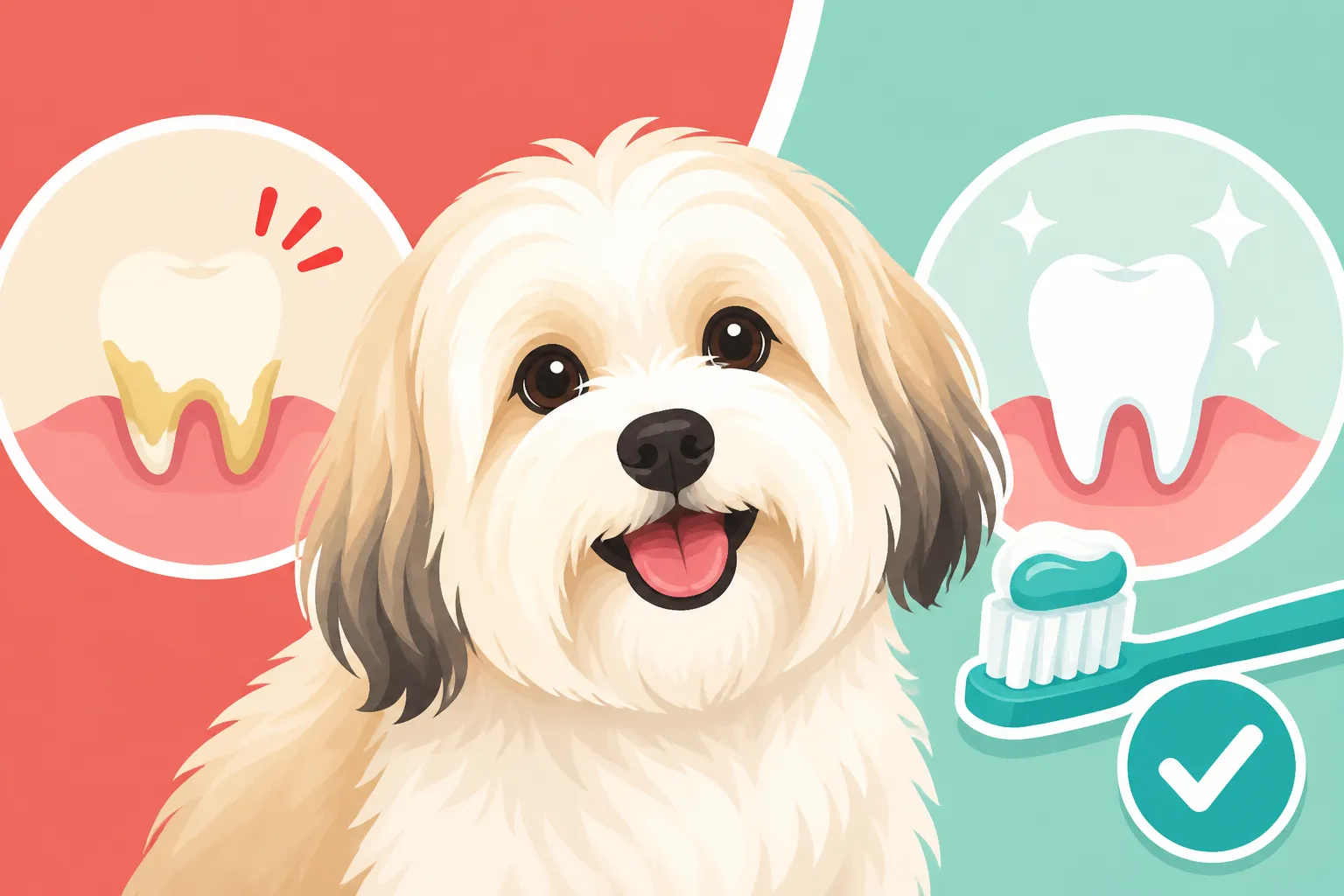
The struggle to keep your Havanese's teeth sparkling clean and their breath fresh is a very real one, and many owners feel a sense of guilt or frustration wondering if they're doing enough. It’s not just about aesthetics; poor dental hygiene can lead to significant health problems down the line for our beloved companions. This comprehensive guide will tackle the question of daily brushing, explore practical strategies, and reveal the truth about maintaining your Havanese's oral health for a long, happy life.
Why Your Havanese's Tiny Mouth Demands Daily Attention (or Close to It)
Let's be honest, those adorable little Havanese smiles come with some unique challenges, especially when it comes to dental health. Their small mouths and typically crowded teeth create the perfect storm for plaque and tartar buildup, which can quickly spiral into serious issues if left unchecked. It's not just a matter of "bad breath"; it's a doorway to inflammation, infection, and even systemic diseases that can impact their overall well-being.
The Anatomy of a Havanese Smile and Why It's Prone to Trouble
When you peek inside your Havanese's mouth, you'll notice their teeth are often packed quite closely together. This Dental Crowding in a Havanese Mouth is very common in smaller breeds. Imagine trying to clean between tightly packed books on a shelf – it's just harder to get into all those nooks and crannies where food particles and bacteria love to hide. This architectural reality means that plaque, a sticky film of bacteria, can accumulate rapidly. Within days, this plaque can harden into tartar, which is far more stubborn and requires professional intervention to remove.
The gums, too, are delicate. When plaque and tartar build up along the gum line, it irritates the gums, leading to gingivitis – a reversible inflammation. If gingivitis is ignored, it progresses to periodontal disease, where the gums start to recede, pockets form, and infection can attack the bone supporting the teeth. At this stage, it becomes incredibly painful for your Havanese, making eating a chore, and potentially leading to tooth loss. It's a sad reality that The Dental Work Every Havanese Needs by Six is often a major procedure, sometimes involving multiple extractions, precisely because of this rapid progression if home care isn't consistent.
The Ripple Effect of Poor Oral Hygiene on Overall Health
You might think dental problems are confined to the mouth, but they are far from it. The bacteria that thrive in an unhealthy mouth don't stay put. They can enter your Havanese's bloodstream through inflamed gum tissue and travel to vital organs like the heart, kidneys, and liver, causing secondary infections or exacerbating existing conditions. This systemic impact is why veterinarians take dental health so seriously. An infection brewing in the mouth can quietly undermine your dog's health without obvious signs until the problem is severe.
Moreover, a Havanese with painful teeth or gums won't tell you directly, but you might notice subtle changes. They might become pickier about their food, chew on only one side of their mouth, drool excessively, or become withdrawn and less playful. These are all signs of discomfort that could be traced back to their oral health. Understanding Why a Havanese Needs Dental Work Young can help prevent a lifetime of pain and costly procedures, underlining the importance of preventative care like daily brushing.
The Daily Brushing Routine: What It Looks Like in Reality
So, does your Havanese need its teeth brushed daily? Ideally, yes. Daily brushing is the gold standard for preventing plaque from hardening into tartar. However, if daily isn't feasible, aiming for every other day, or at least three times a week, is a realistic and highly beneficial goal. Consistency is truly the key here. Getting into a routine early on, ideally when they are puppies, makes a world of difference.
Setting the Stage for Success: Tools and Technique
Before you even think about brushing, gather your supplies. You'll need a dog-specific toothbrush and toothpaste. Never, ever use human toothpaste, as it contains ingredients like xylitol that are toxic to dogs. Pet toothpastes come in appealing flavors like poultry or peanut butter, which can make the experience much more pleasant for your Havanese. You can find excellent options from brands like Chewy or Amazon.
Here’s a step-by-step guide to daily brushing:
- Introduce the Paste: Start by letting your Havanese lick a tiny bit of the pet toothpaste off your finger. Make it a positive experience! Do this for a few days until they associate the taste with something good.
- Introduce the Brush: Once they're happy with the paste, put a small amount on the toothbrush and let them lick it off. Gently touch the brush to their teeth for a second or two, then praise and reward.
- Gradual Introduction to Brushing: Over several days or weeks, slowly increase the duration and coverage. Lift their lip gently to expose the outer surfaces of their teeth. Focus on the gum line, using small, circular motions. You don't need to scrub vigorously; a gentle action is sufficient to disrupt plaque.
- Target the Back Teeth: The molars and premolars at the back of the mouth are often where the most significant plaque accumulation occurs, so make sure to get there. It might take a little practice for your Havanese to allow you to reach these areas comfortably.
- Keep it Short and Sweet: Aim for 30-60 seconds total, focusing on the outside surfaces of the teeth. Most dogs don't tolerate brushing the inside surfaces, and thankfully, their tongues do a fair job of cleaning those areas.
- Praise and Reward: End every session with lavish praise, a favorite treat, or a quick game. You want your Havanese to see this as a positive interaction, not a chore.
Remember, consistency is more important than perfection. Even a quick brush is better than no brush at all.
Making it a Positive Experience: Tips for a Reluctant Havanese
Some Havanese take to brushing like ducks to water, while others resist. If your Havanese is a bit more reluctant, don't despair!
- Patience is a Virtue: Never force it. If your dog becomes stressed or fearful, stop and try again later, or the next day. Pushing too hard can create a negative association that's hard to break.
- Location, Location, Location: Choose a calm, quiet time and place where your Havanese feels secure. Sitting on the couch with them, or even having them on your lap, can help create a sense of comfort.
- Finger Brushes or Gauze: If a toothbrush is too intimidating at first, start with a finger brush or even a piece of gauze wrapped around your finger with toothpaste. This allows your Havanese to get used to the sensation without the hard bristles.
- Elevate the Experience: Some owners find a grooming table helps, as it puts the dog at a better height and can signal "grooming time." This ties into teaching them to Teaching a Havanese to Lie Still for Grooming.
- Early Start: The younger you begin, the easier it will be. Puppy teeth still need cleaning, and getting them used to the routine early sets them up for success.
A well-established brushing routine significantly reduces the need for frequent professional dental cleanings under anesthesia, which many owners prefer to avoid, especially given Whether Anesthesia Is Riskier on a Small Havanese.
Beyond the Brush: Other Tools and Strategies for Havanese Dental Health
While daily brushing is paramount, it's not the only tool in your dental care arsenal. A multi-pronged approach often yields the best results, especially for those busy weeks when daily brushing just doesn't happen. These supplementary strategies can help maintain oral health and are crucial considerations.
Dental Chews and Toys: The Power of Gnawing
Dental chews can be a fantastic addition to your Havanese's routine, but not all chews are created equal. Look for products specifically designed to reduce plaque and tartar, often carrying a Veterinary Oral Health Council (VOHC) seal. This seal indicates the product has met standards for effectiveness in plaque or tartar control. Brands like Greenies or VeggieDent (widely available on Chewy and Amazon) are popular choices and can help scrape away some plaque as your dog chews. Remember, these are supplements, not replacements for brushing.
Chew toys, especially those made of durable rubber or nylon with nubs and textures, can also help clean teeth. The act of chewing stimulates saliva production, which helps wash away food particles, and the abrasive action can mechanically remove some plaque. Always choose toys appropriate for your Havanese's size and chewing style to prevent choking hazards or dental fractures. Keep an eye on them during chew sessions to ensure they're not breaking off pieces they could ingest. If you're wondering Whether a Havanese Needs Dental Chews, the answer is often yes, as part of a broader strategy.
Water Additives and Oral Rinses: A Little Extra Help
Oral rinses and water additives contain ingredients designed to reduce bacteria in the mouth or break down plaque. Water additives are simply poured into your dog's drinking water, making them incredibly easy to administer. Oral rinses can be applied directly to the gums. These products can be particularly helpful for dogs who strongly resist brushing. Again, look for products with a VOHC seal for proven efficacy. They can certainly offer an extra layer of protection, but they do not replace the mechanical action of brushing, which is essential for dislodging plaque.
When considering these options, consult with your veterinarian. They can recommend specific brands and formulations that are safe and effective for your Havanese. It’s important to understand that these are supportive measures, not stand-alone solutions, especially for a breed prone to Dental Crowding in a Havanese Mouth.
Professional Dental Cleanings: A Necessary Foundation
Even with diligent home care, most Havanese will eventually need professional dental cleanings. This is where your veterinarian scales and polishes your dog's teeth under general anesthesia, much like a human dental visit. They can remove stubborn tartar above and below the gum line, probe for periodontal pockets, and address any other issues like Whether a Havanese's Baby Teeth Need Pulling if they are retained.
The frequency of these cleanings varies. Some Havanese might need them yearly, while others, with excellent home care, might go two or three years between procedures. Your vet will assess your dog's oral health during routine check-ups and advise you on the best schedule. It’s also crucial to remember What a Havanese Dental Cleaning Costs, as it's a significant expense that needs to be factored into their long-term care budget. These professional cleanings are not just cosmetic; they are vital to prevent progressive periodontal disease, pain, and systemic health problems.
Common Hurdles and How to Overcome Them When Brushing Your Havanese
Let's face it, getting a wiggly, sometimes opinionated Havanese to cooperate with a toothbrush isn't always a walk in the park. Many owners throw in the towel, feeling defeated by their dog's resistance or their own lack of time. But understanding these common hurdles and having strategies to overcome them can turn a dreaded task into a manageable routine.
The Time Crunch: Fitting Brushing into a Busy Schedule
One of the biggest reasons daily brushing falls by the wayside is simply a lack of time. Life gets busy, and adding another chore to the daily list can feel overwhelming.
- Integrate it into an existing routine: Think about when you already have dedicated quiet time with your Havanese. Is it during evening cuddles on the couch? First thing in the morning when they're still sleepy? Making it part of an established ritual, like after their last potty break at night or before their morning meal, can help it feel less like an extra task.
- Break it down: If 60 seconds feels like forever, aim for 20 seconds. Even a quick pass over the most plaque-prone teeth (the back molars and canines) is better than nothing. You can always work up to longer sessions.
- Consistency over perfection: Don't beat yourself up if you miss a day. Just pick up the brush the next day. The key is to avoid letting a missed day turn into a missed week or month.
Consider a shared responsibility if you live with others. Could a partner or older child take on brushing duties a few times a week? Dividing the task can make it much more sustainable.
Dealing with Resistance: When Your Havanese Just Won't Cooperate
A Havanese that clamps its mouth shut, pulls away, or even tries to nip can make brushing feel impossible. Their small size makes them easy to manipulate, but it's important not to resort to force, as this will only worsen their resistance.
- Go back to basics: If your Havanese starts resisting, scale back your efforts. Revisit the steps of simply letting them lick toothpaste off your finger, then off the brush, without even attempting to brush. Rebuild that positive association slowly.
- High-value rewards: What does your Havanese absolutely adore? Save that special treat, toy, or extra-long belly rub exclusively for after brushing. The reward needs to be compelling enough to outweigh the perceived discomfort of brushing.
- Change positions: Experiment with different ways of holding them or different positions. Some Havanese prefer to be standing, others on your lap, some on a raised surface like a counter (if done safely). Find what makes them feel most secure and allows you best access.
- Consider professional guidance: If you're truly struggling, talk to your veterinarian or a certified professional dog trainer. They might offer specific tips or demonstrate techniques that work for your dog's temperament. They can also advise on products if a particularly stubborn Havanese needs extra help.
Understanding the Cost of Neglect: Professional Cleanings and Extractions
While home brushing reduces the frequency of professional cleanings, it rarely eliminates the need for them entirely for a Havanese. Neglecting daily care almost guarantees more frequent and more extensive veterinary dental work down the line.
Look at this comparison:
| Dental Care Strategy | Typical Frequency | Primary Benefit | Potential Cost Implication (Relative) |
|---|---|---|---|
| Daily Brushing | Daily | Prevents plaque buildup, maintains gum health | Low (toothpaste, brush) |
| Dental Chews/Additives | Daily/As directed | Supplements brushing, mild plaque reduction | Moderate (regular purchase of products) |
| Professional Cleaning | Every 1-3 years (ideally) | Removes hardened tartar, addresses sub-gumline issues | High (anesthesia, scaling, polishing, potential X-rays) |
| Extractions | As needed (due to severe disease) | Removes diseased teeth causing pain and infection | Very High (specialized surgery, medications) |
As you can see, investing time in daily brushing is the lowest cost, highest benefit preventative measure. When periodontal disease advances, not only does it cause immense pain for your Havanese, but the costs associated with What Extractions Add to a Havanese Dental can be significant. Removing teeth, performing root canals, or undergoing other advanced procedures are far more invasive and expensive than preventative care.
Ultimately, while "daily" is the ideal, consistent effort, even if it's every other day or three times a week, combined with vet check-ups and supplementary aids, will go a long way in ensuring your Havanese has a healthy, pain-free smile throughout their life. It's a commitment, but one that pays dividends in their comfort and longevity.
Disclaimer
This article is for general informational purposes only and does not constitute professional advice. Laws, prices and regulations vary by location and change over time. Consult a qualified professional for guidance on your specific situation.