The Eye Diseases a Havanese Inherits
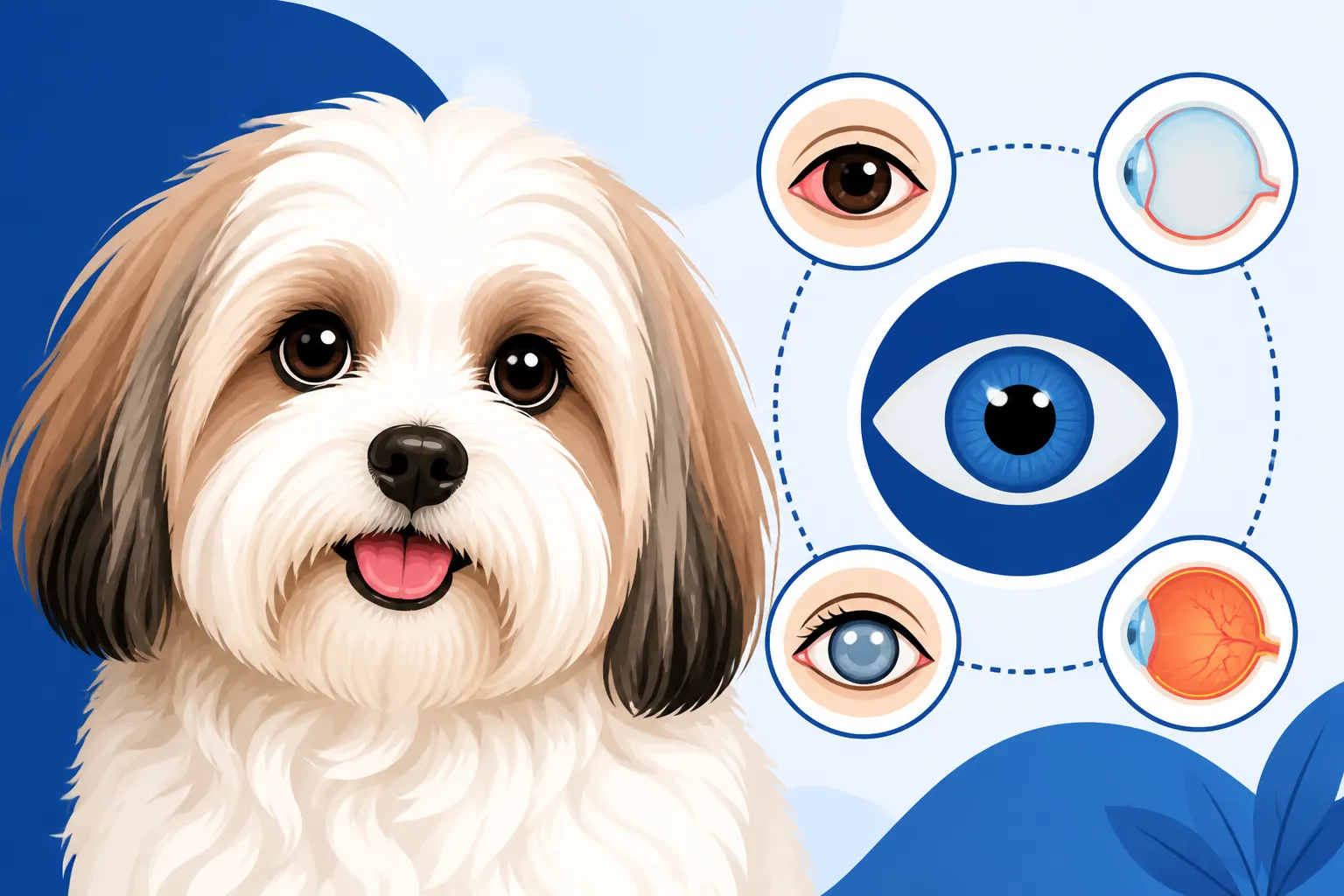
It's heartbreaking to imagine our beloved Havanese losing their precious sight, whether slowly over time or suddenly due to an unforeseen condition. As Havanese parents, we often worry about the delicate nature of their eyes, especially with their long, flowing hair, but it's crucial to understand that some eye issues go deeper than external irritation. This comprehensive guide will delve into the various inherited eye diseases that can affect Havanese, helping you recognize symptoms, understand diagnostic approaches, and explore management strategies to ensure your furry family member enjoys the best possible vision and quality of life.
Understanding Genetic Predisposition in Havanese Eye Health
Just like us, Havanese dogs can inherit certain traits and predispositions from their parents, and unfortunately, this sometimes includes a vulnerability to specific health conditions, particularly those affecting their eyes. It's not about blaming a particular dog or breeder, but rather understanding the genetic tapestry that makes each Havanese unique and identifying potential patterns that can inform better care and breeding practices. Knowing these genetic links helps us be proactive rather than reactive when it comes to their health.
The Importance of Responsible Breeding and Health Screening
Responsible breeding is truly the cornerstone of mitigating inherited health issues in any breed, and Havanese are no prime exception. A conscientious breeder goes above and beyond to understand the lineage of their dogs, meticulously studying pedigrees and, most importantly, conducting comprehensive health screenings. This isn't just a formality; it's a vital step to ensure that potential breeding dogs are free from known genetic diseases that could be passed down to their puppies. When you hear about breeders performing various health tests, they're not just showing off; they're demonstrating a deep commitment to the future health of the breed.
These health screenings often involve specialized examinations by veterinary ophthalmologists, who are experts in animal eye health. They look for any signs of inherited eye conditions before a dog is bred, helping to break the cycle of passing on detrimental genes. Asking a breeder if they screen their dogs for conditions like cataracts or progressive retinal atrophy, and if they can show you the official certifications from organizations like the Orthopedic Foundation for Animals (OFA) or the Canine Eye Registration Foundation (CERF), is absolutely essential. Don't be shy about asking to see those results, including the OFA Eye Certification.
How Genes Influence Eye Development
The development and function of a Havanese's eyes are intricate processes, dictated by a complex interplay of many different genes. When a specific gene carries a mutation or a particular combination of genes is inherited, it can lead to structural abnormalities or functional impairments in the eyes. For instance, some genes might be responsible for the clear development of the lens, and a defect in that gene could lead to cataracts. Others might be crucial for the health of the retina, and a mutation there could result in conditions like progressive retinal atrophy.
These genetic influences mean that even if a Havanese appears perfectly healthy, they might carry a recessive gene for an eye disease that could manifest in their offspring if bred with another carrier. This is why understanding genetics and thorough screening are so important – they help breeders make informed decisions that promote eye health for generations. It's a bit like a puzzle; each gene is a piece, and if a few pieces are mismatched, the whole picture of healthy vision can be affected.
Hereditary Cataracts: The Clouding Truth
One of the most commonly discussed inherited eye diseases in dogs, including our charming Havanese, is hereditary cataracts. When you hear the word "cataracts," you might immediately think of older age, but hereditary cataracts can strike much younger, sometimes even in puppyhood, and they're a completely different beast from the age-related kind. It's a frustrating diagnosis because it feels unfair for such a young, vibrant dog to face vision impairment.
Recognizing the Early Signs of Cataracts
The hallmark sign of a cataract is a clouding or opacity in the lens of the eye, which sits behind the iris and pupil. In the early stages, this might just look like a tiny, almost imperceptible speck or a slight haziness in the pupil that only a veterinary ophthalmologist can truly spot. As the cataract progresses, the cloudiness becomes more pronounced, eventually giving the pupil a grayish-white or bluish appearance. You might notice your Havanese bumping into furniture, especially in dim lighting, or becoming more hesitant to jump off the bed.
Sometimes, owners initially mistake the cloudy look for "blue eyes" or just a natural reflection, but it's important not to dismiss it. Early detection is key, not just for treatment options but also for understanding the progression. Observe your Havanese in different lighting conditions; sometimes, the cloudiness is more obvious when light catches it a certain way. If you suspect anything, even a tiny change, a prompt visit to your vet is definitely in order.
Diagnosis and Treatment Options for Havanese Cataracts
Diagnosing hereditary cataracts typically begins with a thorough eye examination by your regular veterinarian, who might then refer you to a veterinary ophthalmologist for specialized assessment. The ophthalmologist will use various tools, including an ophthalmoscope, to get a clear view of the lens and assess the size, location, and density of the cataract. They can confirm if it's indeed a cataract and often distinguish between hereditary and age-related types based on the dog's age and the cataract's characteristics.
For significant cataracts that impair vision, the primary treatment option is surgical removal. This is a specialized procedure where the cloudy lens material is broken up and removed, often replaced with an artificial intraocular lens to restore clear vision. The decision for surgery depends on several factors, including the severity of the cataract, the dog's overall health, and the potential for a positive outcome. It's an investment, but for many Havanese, it can dramatically improve their quality of life.
Managing Vision Loss and Post-Surgical Care
If surgery isn't an option or if the cataracts are mild and non-progressive, managing vision loss becomes the focus. This can mean making simple adjustments around the house, like keeping furniture in consistent locations, using baby gates to block off stairs, and ensuring clear pathways. Your Havanese is incredibly adaptable, and their other senses, especially smell and hearing, will step up to compensate. Living with a deaf Havanese or one with vision impairment requires patience and understanding, but they can still lead full, happy lives.
Post-surgical care for cataract removal is critical for success. It typically involves a strict regimen of eye drops—sometimes multiple types given several times a day—to prevent infection and control inflammation. Your Havanese will also likely wear an Elizabethan collar (the "cone of shame") to prevent them from rubbing or scratching their eyes. Follow your vet's instructions precisely, as skipping doses or removing the cone too soon can jeopardize the surgical outcome. Regular follow-up appointments with the ophthalmologist will be necessary to monitor healing and adjust medication.
Progressive Retinal Atrophy PRA: A Gradual Loss of Sight
Progressive Retinal Atrophy, or PRA, is a group of inherited degenerative diseases that cause the photoreceptor cells in the retina (rods and cones) to gradually deteriorate. Unlike cataracts, which affect the lens, PRA targets the light-sensing part of the eye, leading to progressive vision loss that eventually culminates in blindness. It's a particularly cruel condition because it often starts subtly, making it hard for owners to notice until significant vision is already lost.
Differentiating PRA Types and Their Onset
There isn't just one type of PRA; it's a family of disorders, and the specific genetic mutation determines the exact type and how it progresses. Some forms are "early-onset," meaning they appear in puppies or young dogs, while others are "late-onset," with symptoms not becoming apparent until middle age or even later. For Havanese, like many breeds, there are specific genetic tests available to identify carriers or affected individuals for certain known PRA mutations. This genetic screening is a powerful tool for responsible breeders to avoid passing on the disease.
The varying onset makes it tricky because a Havanese could be a carrier and appear perfectly healthy for years, then suddenly start showing signs, or produce affected puppies if bred. This highlights why understanding the full genetic picture, not just the observable health, is so vital for the breed's future. It’s a silent condition until it’s not, and by then, the damage is already done.
Identifying PRA Symptoms in Your Havanese
Recognizing the signs of PRA can be challenging because of its gradual progression. Often, the first noticeable symptom is "night blindness," where your Havanese becomes hesitant in dimly lit rooms, bumps into objects in the dark, or struggles to find their way outside at dusk. This is because the rod cells, responsible for low-light vision, are usually affected first. As the disease advances, day vision also deteriorates, and your dog's pupils may appear more dilated than usual, with their eyes having a reflective, "glowing" appearance due to changes in the retina.
You might also observe changes in their behavior, such as increased startle responses, reluctance to navigate new environments, or a general hesitancy in their movements. Since the disease is painless, your Havanese won't show signs of discomfort, just increasing uncertainty as their world dims. If you notice your Havanese struggling in low light or exhibiting any new signs of clumsiness, it's time for a veterinary visit to investigate what's going on.
Living with a Havanese Affected by PRA
Receiving a PRA diagnosis can be devastating, but it's important to remember that many Havanese adapt remarkably well to blindness. They rely heavily on their other senses, especially their incredible sense of smell and hearing, to navigate their world. Your primary role will be to provide a safe, consistent environment. This means avoiding moving furniture, keeping pathways clear, and potentially using scented markers or different textures on floors to help them orient themselves.
While there is currently no cure for PRA, supporting your Havanese involves maintaining a predictable routine, continuing with regular walks (on a leash, of course), and engaging them in games that use scent or sound. Many owners find that Living With a Deaf Havanese offers helpful parallel strategies for managing sensory loss. Pet insurance providers like Healthy Paws can often provide coverage for diagnostic testing and supportive care for such conditions, helping to alleviate some financial burdens as you adapt to their new needs.
Retinal Dysplasia: Developmental Eye Abnormalities
Retinal dysplasia is another inherited eye condition that affects the retina, but it's different from PRA in that it's a developmental abnormality, meaning the retina doesn't form correctly from the start. It's not a progressive degeneration like PRA; instead, it's a structural flaw present from birth or early development. For Havanese, understanding this distinction is important, as it impacts how the condition is diagnosed and managed.
Forms of Retinal Dysplasia and Their Severity
Retinal dysplasia can manifest in various forms, ranging from mild to severe. The mildest form is multifocal retinal dysplasia, characterized by small folds or rosettes in the retina. These usually don't significantly impair vision and may only be detectable upon a thorough ophthalmologic examination. The moderate form, geographic retinal dysplasia, involves larger, irregularly shaped areas of retinal folding and detachment, which can cause noticeable vision problems.
The most severe form is total retinal detachment, where the entire retina separates from the underlying tissue. This almost always results in complete blindness in the affected eye or eyes. The severity of retinal dysplasia depends on the extent of the abnormal development and how much of the retina is involved. Some Havanese might live with mild forms without any outward signs, while others suffer profound vision loss very early in life.
Diagnosing Retinal Dysplasia in Puppies
Because retinal dysplasia is a developmental condition, it's often diagnosed in puppies during their initial veterinary eye examinations, sometimes as young as 6-12 weeks old. A veterinary ophthalmologist can detect the characteristic folds, rosettes, or detachments in the retina using an ophthalmoscope. This early diagnosis is crucial for breeders, as it allows them to identify affected lines and make informed decisions about future breeding pairs, thereby working to eradicate the condition from the breed.
Genetic testing is also becoming increasingly available for specific forms of retinal dysplasia in some breeds, further aiding in early detection and prevention. For owners, an early diagnosis means you can prepare for and adapt to any visual impairment your Havanese puppy might experience. It also means you can discuss the implications thoroughly with your breeder, who should be transparent about such health concerns.
Impact on Vision and Long-Term Management
The impact of retinal dysplasia on a Havanese's vision depends entirely on the severity and extent of the condition. Dogs with multifocal retinal dysplasia might have perfectly normal vision, or very slight deficits that they easily compensate for. Those with geographic retinal dysplasia will likely experience more noticeable vision impairment, while total retinal detachment leads to complete blindness in the affected eye.
Unfortunately, there is no surgical or medical cure for retinal dysplasia itself, as it's a structural abnormality. Management focuses on adapting to the dog's vision level and providing a safe, predictable environment, much like for dogs with PRA. For dogs with complete blindness, consistency in their surroundings and routines is paramount. Regular check-ups with an ophthalmologist are still important to monitor any secondary issues, even if the primary condition can't be treated.
Dry Eye Keratoconjunctivitis Sicca KCS in Havanese
Dry eye, medically known as Keratoconjunctivitis Sicca (KCS), is a common and often frustrating eye condition that can affect Havanese, causing significant discomfort if left untreated. While not strictly "inherited" in the same direct genetic pathway as cataracts or PRA, there is often a genetic predisposition in certain breeds, including the Havanese, due to immune-mediated factors. It's not about what you see inside the eye, but what you don't see enough of: tears.
Causes and Symptoms of KCS
KCS occurs when the tear glands in your Havanese's eyes don't produce enough watery tears to keep the surface of the eye moist and healthy. Tears are essential for lubrication, flushing away debris, and providing oxygen and nutrients to the cornea. Without adequate tears, the eye becomes dry, inflamed, and irritated. This can be caused by immune-mediated destruction of the tear glands (the most common cause in Havanese), certain medications, nerve damage, or chronic infections.
Symptoms are often quite noticeable and include red, inflamed eyes, thick, yellowish or greenish discharge accumulating in the corners, and frequent blinking or squinting due to discomfort. You might notice your Havanese pawing at their eyes or rubbing their face more often. Over time, chronic KCS can lead to corneal ulcers, pigmentation of the cornea (melanin migrating onto the clear surface), and even vision impairment if not managed effectively. The constant irritation can be genuinely miserable for them.
Diagnostic Tests for Dry Eye
Diagnosing KCS is relatively straightforward and involves a simple, quick test called the Schirmer Tear Test (STT). This test measures tear production by placing a small strip of filter paper inside the lower eyelid for one minute. The amount of moisture absorbed onto the paper indicates how many tears the eye is producing. Low readings confirm a diagnosis of KCS. Your veterinarian will also perform a full eye exam to check for any secondary complications like corneal ulcers or inflammation.
It's a relief when a diagnosis is something treatable, and KCS often is. The key is early and consistent treatment. Don't try to guess if your Havanese has dry eye; only a vet can accurately measure tear production and rule out other causes of similar symptoms. Ignoring these signs can lead to much more serious and painful complications for your furry friend.
Treatment and Ongoing Care for KCS
The good news is that KCS is usually treatable, although it often requires lifelong management. The primary goal of treatment is to stimulate tear production and provide lubrication. Medications like cyclosporine or tacrolimus eye drops are commonly prescribed. These are immunomodulators that help to suppress the immune attack on the tear glands, allowing them to produce more tears. They can take a few weeks to show full effect, so patience is key.
In addition to tear-stimulating medications, artificial tear drops or gels may be used to provide immediate lubrication and comfort, especially in the initial stages or during flare-ups. Regular eye cleaning to remove discharge is also important. In severe cases unresponsive to medication, surgical options like parotid duct transposition (rerouting a salivary gland duct to the eye) might be considered, though this is less common. Consistency in administering drops as prescribed is paramount; missing doses can quickly lead to a relapse of symptoms. Just like managing Skin Trouble Under a Havanese Coat, which also often involves consistent care, KCS management is a daily commitment.
Other Less Common but Significant Eye Conditions
While cataracts, PRA, and retinal dysplasia are among the more recognized inherited eye conditions, Havanese can also be susceptible to other, perhaps less common but equally impactful, ocular issues. It's important for Havanese owners to be aware of these possibilities, as early detection can often make a significant difference in management and outcome. These conditions often require specialized care from a veterinary ophthalmologist.
Glaucoma: The Silent Thief of Sight
Glaucoma is a painful and potentially blinding disease characterized by increased pressure within the eye. In Havanese, primary glaucoma (inherited) is a serious concern, where the drainage angle of the eye is structurally abnormal, preventing fluid (aqueous humor) from flowing out properly. This fluid buildup leads to a rapid increase in intraocular pressure, which can quickly damage the optic nerve and retina, causing irreversible blindness within a matter of hours or days if not treated immediately. It's truly an emergency.
Symptoms can include a red, painful, cloudy, and often enlarged eye. Your Havanese might squint, rub their eye, seem lethargic, or have a decreased appetite due to the intense pain. Because of the urgency, if you ever suspect glaucoma, it's critical to seek emergency veterinary care immediately. Delaying even a few hours can mean the difference between saving or losing your Havanese's sight in the affected eye. Whether a Havanese Gets Glaucoma is a question many owners ponder, and unfortunately, the answer can be yes.
Distichiasis and Ectopic Cilia: Irritating Eyelash Issues
These conditions involve abnormally growing eyelashes that can cause chronic irritation and pain. Distichiasis refers to eyelashes that grow from an abnormal location on the eyelid margin, often from the ducts of the meibomian glands. These extra lashes typically rub against the surface of the eye, leading to redness, tearing, squinting, and corneal irritation or ulcers. It's like having a tiny, constant poking sensation with every blink.
Ectopic cilia are even more problematic. These are individual eyelashes that grow through the conjunctiva (the lining of the eyelid) and directly protrude onto the surface of the cornea. Because they are stiff and constantly rub against the sensitive cornea, they cause severe pain and are a very common cause of corneal ulcers. Both conditions can be inherited, and while not life-threatening, they significantly impact your Havanese's comfort and eye health. Treatment usually involves surgical removal or cryosurgery (freezing) of the offending lashes or their follicles.
Cherry Eye Prolapsed Gland of the Third Eyelid
"Cherry eye" is a condition where the gland of the third eyelid (also known as the nictitating membrane) prolapses or pops out, appearing as a red, swollen mass in the inner corner of the eye. While not exclusively inherited, some breeds, including the Havanese, have a genetic predisposition due to weak connective tissue that normally holds the gland in place. It might not look painful, but it certainly can be uncomfortable and, more importantly, the exposed gland is prone to drying out and inflammation, which can impair its tear-producing function.
Unlike some other eye issues, cherry eye is often quite visually striking, presenting as a distinct red "cherry" in the corner of the eye. It's important not to confuse it with other forms of eye irritation. The treatment for cherry eye is surgical repositioning of the gland back into its normal pocket, often using a technique called the "pocket technique." Removing the gland is generally avoided, as it can lead to KCS (dry eye) later in life, and that's a problem we certainly want to avoid for our Havanese.
Proactive Eye Care and Prevention Strategies
Being a Havanese parent means being proactive, especially when it comes to their health. While we can't change genetics once they're present, we can certainly implement strategies to minimize risks, detect problems early, and ensure the best possible outcomes for our furry companions. Proactive eye care goes beyond just keeping their glorious long hair out of their eyes; it's about understanding the deeper health aspects.
The Role of Regular Veterinary Eye Exams
Even if your Havanese seems perfectly healthy, regular veterinary check-ups should always include a thorough examination of their eyes. Your general practitioner can spot early signs of issues that might not be obvious to you, such as changes in tear production, corneal cloudiness, or early inflammation. These regular exams are crucial because many eye conditions, especially in their initial stages, are painless and only detectable by a trained professional. Think of it as preventative maintenance for their vision.
Beyond routine vet visits, it's often recommended for Havanese, particularly those from breeding lines, to have periodic examinations by a board-certified veterinary ophthalmologist. These specialists have advanced training and equipment to perform comprehensive eye screenings that can detect subtle genetic conditions that a general vet might miss. Whether a Havanese Needs a Yearly Eye Exam by an ophthalmologist is a question often debated, but for breeds with known predispositions, it’s a wise investment in their long-term health.
The Benefits of OFA Eye Certification and Breeder Screening
For anyone considering bringing a Havanese puppy into their home, or for current Havanese owners, understanding the value of breeder screening is paramount. The Orthopedic Foundation for Animals (OFA) Eye Certification Registry, previously known as CERF, involves a certified veterinary ophthalmologist examining dogs for specific inherited eye diseases. Dogs that pass are given an OFA Eye Certification number, indicating they are free of detectable inherited eye diseases at the time of the exam. This certification typically needs to be renewed annually.
A responsible Havanese breeder will not only screen their breeding dogs, but they will be transparent about the results and educate prospective owners on the importance of these screenings. They will prioritize breeding only dogs with clear eye certifications to minimize the risk of passing on genetic conditions like cataracts, PRA, or retinal dysplasia to future generations. This diligent approach is one of the most effective prevention strategies we have for these inherited conditions. Always ask to see those certificates; they are a sign of a truly dedicated breeder.
Supporting Your Havanese's Eye Health at Home
Beyond professional screenings, there's plenty you can do at home to support your Havanese's eye health. Firstly, keeping their facial hair clean and trimmed, especially around their eyes, is essential to prevent irritation and matting that can lead to infections. Regularly cleaning away any crusts or discharge with a soft, damp cloth can also help. Just be gentle and use a separate clean cloth or cotton ball for each eye to prevent cross-contamination.
Maintaining a healthy diet rich in antioxidants can also generally support eye health. While diet won't prevent genetic diseases, good nutrition contributes to overall wellness. If your Havanese is prone to Whether a Havanese Gets Tear Staining, keeping the area dry and clean can prevent skin irritation. Always be observant: if you notice any redness, discharge, squinting, cloudiness, or changes in vision, don't hesitate to contact your vet. Early intervention often leads to better outcomes, and remember that resources like pet insurance from Healthy Paws can help manage the financial aspects of unexpected vet bills for eye conditions.
Conclusion
Navigating the world of inherited eye diseases in Havanese can feel overwhelming, but armed with knowledge, you become your Havanese's best advocate. From understanding the complexities of hereditary cataracts and progressive retinal atrophy to being vigilant about conditions like dry eye and glaucoma, proactive care and informed decisions are truly life-changing. Always remember that the deep bond you share with your Havanese means you're their eyes and ears in a world that can sometimes be challenging for them. By working closely with responsible breeders and your veterinary team, you can help ensure your cherished Havanese enjoys a lifetime of clear vision and boundless joy.
Disclaimer
The information provided in this article is for general informational purposes only and is not a substitute for professional veterinary advice. Always consult with a qualified veterinarian or veterinary ophthalmologist regarding any medical conditions or before making any decisions about your Havanese's health and treatment.