Whether a Havanese Settles in a Carrier
It's a common worry for Havanese parents: how on earth do you get your beloved, velcro-dog Havanese to actually like their carrier, or at least tolerate it without a fuss? These little companions are bred to be by our side, which often makes the idea of confinement, even for a short trip to the vet or a visit to Grandma's, feel like a betrayal. This guide will dive deep into why your Havanese might resist the carrier and offer practical, empathetic strategies to transform that dreaded box into a comfortable, safe space your furry friend can accept, and maybe even love.
Understanding the Havanese Temperament and Carrier Use
Havanese are known for their delightful, outgoing personalities and their deep attachment to their families. They thrive on companionship and are often described as "Velcro dogs" because they stick so closely to their people. This wonderful trait, however, can make carrier training a unique challenge. It’s not just about getting them to physically be in the carrier; it’s about managing their emotional response to being separated, even temporarily.
The Havanese Need for Proximity and Security
Think about it from your Havanese's perspective. One moment they're nestled on your lap, the next they're being placed into a confined space, often away from you. This can trigger their natural instinct to be close to their "pack." For a breed so devoted, separation can feel distressing, even if it's just for a car ride. They don't understand that the carrier is for their safety or convenience; they just know they're not with you.
This innate desire for closeness means that a Havanese might express their discomfort through whining, barking, or even trying to chew their way out. It’s not defiance; it's often anxiety. They simply want to be where you are, doing what you're doing. Acknowledging this fundamental aspect of their personality is the first step in approaching carrier training with patience and understanding.
Why Early Introduction Matters So Much
The sooner you introduce the carrier to your Havanese puppy, the better. A young puppy is more open to new experiences and can form positive associations much more easily than an older dog who has already developed negative feelings about it. Imagine trying to convince an adult dog that broccoli is delicious after years of hating it versus introducing it during puppyhood as a fun new discovery. The same principle applies here.
If your Havanese is already an adult and has a history of disliking carriers, don't despair! It just means your approach will need to be even more gradual and consistent, focusing on counter-conditioning and building new, positive memories. Regardless of age, the goal remains the same: to make the carrier a low-stress, even pleasant, part of their routine. This process also ties into general comfort with confinement, similar to how one might approach Whether a Havanese Should Be Crate Trained for Toileting or How Many Hours a Havanese Can Be Left Alone.
Making the Carrier a Safe Haven, Not a Prison
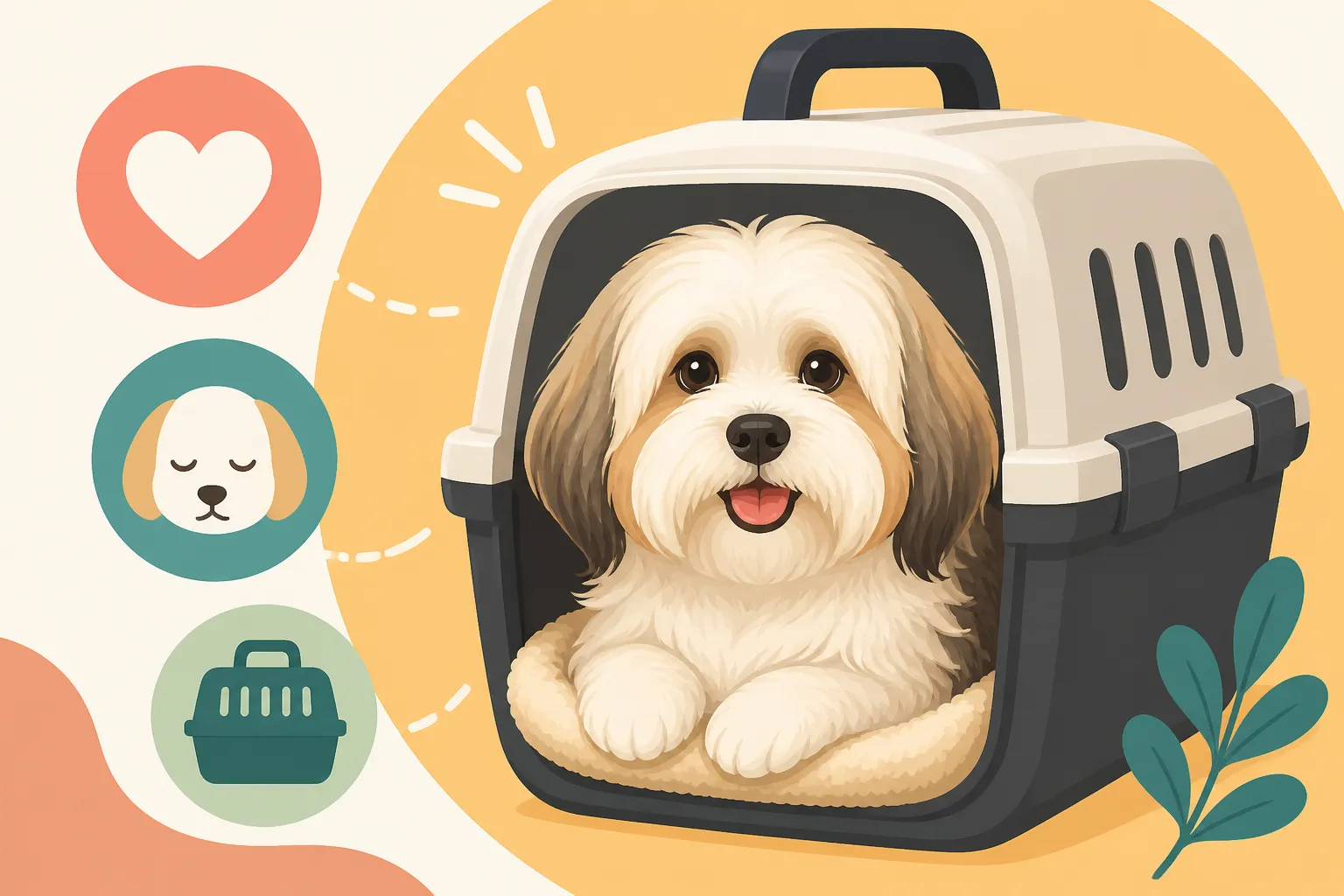
The key to success with carrier training lies in perception. We want our Havanese to see the carrier as their personal den, a cozy and secure spot, rather than a scary box. This takes time, patience, and a lot of positive reinforcement.
Choosing the Right Carrier for Your Havanese
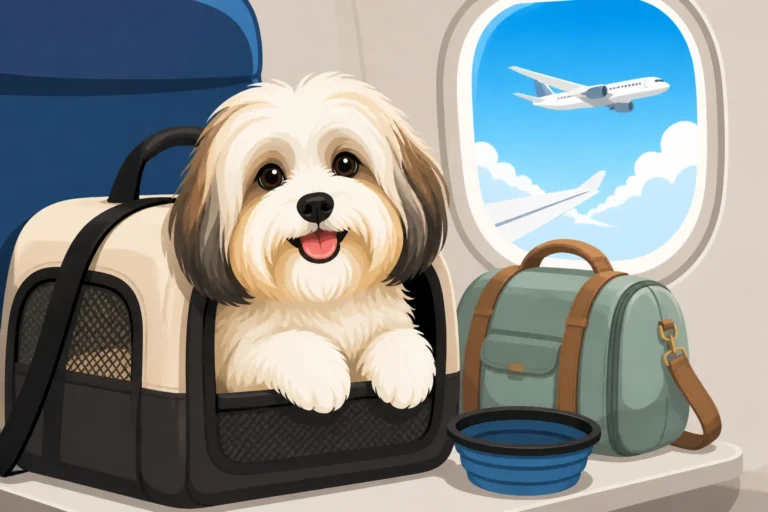
Not all carriers are created equal, especially for a small breed like the Havanese. You'll want one that's appropriately sized—large enough for them to stand up, turn around, and lie down comfortably, but not so big that they feel insecure or are tossed around during travel. For air travel, make sure to check airline-specific dimensions if you plan on your Havanese flying in the cabin with you. You can find a wide variety of suitable carriers on platforms like Chewy or Amazon, offering everything from soft-sided bags to sturdy hard crates.
Consider features like ventilation, comfortable bedding, and ease of cleaning. A soft-sided carrier can feel more den-like and less intimidating for some Havanese, offering a cozy retreat. For car travel, a carrier that can be securely buckled in is essential for their safety. The right carrier can make a huge difference in their comfort level, which in turn influences how well they settle. What a Carrier for a Havanese Costs can vary greatly, but remember that investing in a good quality carrier is an investment in your Havanese's comfort and safety.
Creating Positive Associations with the Carrier
This is where the magic happens. Never force your Havanese into the carrier. Instead, make it an inviting space. Place it in a high-traffic area of your home, with the door open, so it becomes a normal part of the furniture. Fill it with soft blankets, a favorite toy, and irresistible treats. High-value treats, like those from Ollie, or tiny pieces of chicken or cheese, work wonders here.
Start by simply placing treats just inside the carrier, encouraging them to poke their head in. As they get more comfortable, place treats further inside until they are stepping fully in on their own. Don't close the door yet! Let them go in and out freely, associating the carrier solely with good things. This gradual process helps to dismantle any existing apprehension and build trust.
Comfort Items and Familiar Scents
Just like a child might cling to a beloved blanket, your Havanese will find comfort in familiar scents and items. Place a blanket or towel that smells like you (or another household pet they are bonded with) inside the carrier. This familiar scent provides a sense of security and reduces anxiety. Their favorite soft toy can also be a wonderful addition, giving them something to snuggle with.
Some owners even use a specific type of calming spray (always check with your vet for safety) on the bedding to help promote relaxation. The goal is to make the carrier feel like a little piece of home they can take with them, whether it's for a vet visit or a longer journey. This familiarity can be especially helpful if your Havanese is prone to separation anxiety, a common trait that owners often struggle with, much like when dealing with The Havanese That Cannot Be Left Alone.
Practical Training Steps for Carrier Acceptance
Once your Havanese is comfortable entering and exiting the carrier voluntarily, you can begin the more structured training steps. Remember, consistency and patience are your best friends throughout this process.
Gradual Door Closure and Short Stays
After your Havanese is happily going in and out, start closing the carrier door for very short periods. Begin with just a few seconds while they are eating a treat or playing with a toy inside. Immediately open the door before they show any signs of distress. As soon as the door opens, give another treat and praise. The goal is to make them associate the door closing and opening with positive outcomes.
Gradually increase the duration. A minute, then five minutes, then ten. Stay in the room at first, then step out of sight for a few moments, returning before they get anxious. Always reward calm behavior. If they start to whine or scratch, don't open the door until there's a brief moment of quiet, even just a second. This teaches them that calm behavior gets them out, not distressed behavior. This method mirrors successful strategies for broader confinement training.
Introducing Movement and Travel
Once your Havanese is comfortable with longer stays in a stationary carrier, it’s time to introduce movement. Start by simply picking up the carrier (with your Havanese inside) and moving it a few feet, then setting it down. Reward lavishly for calm behavior. Next, try carrying it around the house for a minute or two. The sensation of being carried can be new, so go slowly.
When they are okay with being carried indoors, move to the car. Place the secured carrier in the car, give them a treat, and simply sit in the driver's seat for a few minutes. Don't even start the engine initially. Just build the association that being in the car with the carrier is a normal, non-threatening event. Gradually, introduce short car rides, always keeping them positive with treats and praise upon arrival. This builds up their tolerance for what might be a necessary trip, like a visit to the groomer, which also involves confinement in new surroundings.
Making Car Rides Enjoyable
For many Havanese, car rides are the primary use for their carrier. To make these trips as pleasant as possible, always ensure the carrier is secure so it doesn't slide around. This reduces motion sickness and injury risk. You might consider an elevated car seat or a booster seat if your Havanese prefers to see out the window, but always prioritize safety with proper restraints.
Consider playing soft music or talking to your Havanese in a calm, reassuring voice during drives. You can also offer a favorite chew toy or a puzzle toy to keep them occupied and associate the ride with something enjoyable. A good quality carrier from a brand like Amazon, designed for vehicle use, can make all the difference in stability and comfort. Remember, the journey itself can be part of their enrichment, not just a means to an end. This is especially true for trips that involve longer periods, akin to considering Whether a Havanese Needs a Car Seat.
Troubleshooting Common Carrier Challenges
Even with the best intentions and consistent training, you might run into a few bumps along the road. It's important to remember that every Havanese is an individual, and some will take longer to adjust than others.
Dealing with Whining, Barking, and Anxiety
If your Havanese starts whining or barking in the carrier, it's crucial not to immediately let them out while they are making noise. This inadvertently teaches them that barking is how they get what they want. Instead, wait for a brief moment of quiet, even if it's just a pause for a breath, before opening the door. This reinforces the idea that calm behavior earns their release.
For true anxiety, consider consulting with your veterinarian or a professional dog trainer. They might suggest calming supplements, specific training techniques, or in some cases, medication for severe anxiety. Sometimes, the anxiety isn't just about the carrier itself, but the anticipation of separation or an unknown destination. Addressing the underlying anxiety is key. Resources are available from places like Chewy that offer a range of calming products.
Preventing Destructive Chewing
Some Havanese, when feeling anxious or bored, might try to chew on the carrier itself. This can be dangerous if they ingest parts of the material, and it's certainly not ideal for the carrier's longevity. Ensure the carrier material is durable and free from easily detachable parts. Providing appropriate chew toys inside the carrier can redirect this behavior. Look for durable, safe chew toys from reputable pet suppliers.
If chewing is a persistent problem, it usually points back to anxiety or a lack of mental stimulation. Make sure your Havanese has had sufficient exercise and mental engagement before being placed in the carrier. A stuffed Kong or a long-lasting chew can be a great distraction, turning the carrier experience into a rewarding one. This also relates to how a Havanese might act when left alone, as discussed in What an Anxious Havanese Chews.
Havanese Who Hate Entering the Carrier
If your Havanese still resists entering the carrier even with treats, you might need to go back to basics. Make the carrier even more appealing. Try feeding them their meals inside the carrier, placing the food bowl at the very back. This makes entering a necessity for something they truly value. You can also use a trail of irresistible treats leading into the carrier.
Another technique is to play "the shell game" with treats. Hide a treat under a cup inside the carrier, then let them find it. Make it a fun game, not a chore. If they still seem hesitant, ensure there are no negative past associations lingering. Have you ever used the carrier as punishment? If so, you'll need to work extra hard to rebuild trust.
| Carrier Type | Pros | Cons | Best for |
|---|---|---|---|
| Soft-Sided | Lightweight, collapsible, often cozy, good for cabin travel. | Less protective in accidents, easier to chew through, harder to clean. | Air travel, short trips, dogs who like a den. |
| Hard-Sided | Durable, easy to clean, good ventilation, more protective in cars. | Heavier, bulky, can feel less inviting, not collapsible. | Car travel, vet visits, long-term crate training. |
| Backpack/Sling | Hands-free carrying, keeps Havanese close, great for public transport. | Limited space, less ventilation, not suitable for long periods. | Short outings, urban environments, very small puppies. |
Remember, the goal is not just compliance, but comfort. A Havanese that settles in their carrier is a Havanese whose world you can expand, making trips to the park, visits to friends, or even just relaxing quietly beside you during an errand, much more feasible.
Disclaimer
This article is for general informational purposes only and does not constitute professional advice. Laws, prices and regulations vary by location and change over time. Consult a qualified professional for guidance on your specific situation.