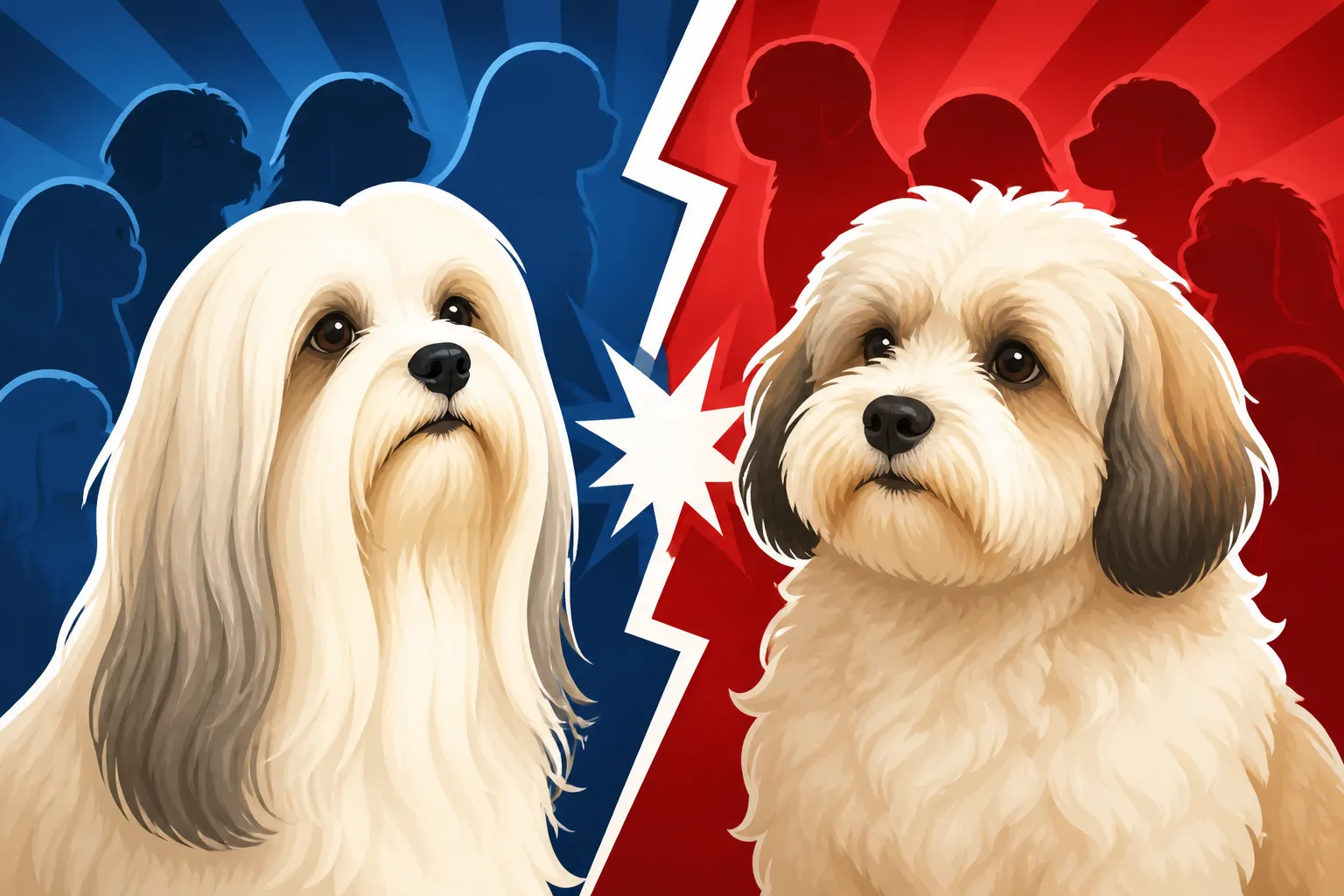
The Havana Silk Dog Argument That Split the Havanese
As a Havanese lover, you might have heard hushed conversations or stumbled upon online debates about something called the "Havana Silk Dog." It can be utterly confusing, feeling like you've walked into a secret club where everyone knows the handshake but you. The truth is, this isn't just a quirky name; it represents a significant historical argument that profoundly shaped the Havanese breed we know and love today, leaving some lasting questions and different interpretations of what the "ideal" Havanese truly is. This guide will walk you through that fascinating story, helping you understand the origins of the debate and what it means for the Havanese.
The Roots of the Havanese: A Shared History
Before we dive into any arguments, it's crucial to understand where our delightful Havanese came from. Their history isn't just a quaint tale; it’s the very foundation of the debate we're exploring. The breed has a rich, albeit turbulent, past that ties directly into how different interpretations of its "true" form arose.
From Blanquito to Bichon Havanais
Our story begins in Cuba, where the ancestors of the Havanese arrived centuries ago with Spanish traders and settlers. These were small, charming companion dogs, often referred to as "Blanquito de la Habana" (little white dog of Havana). They were the pampered pets of the Cuban aristocracy, living lives of luxury and companionship. Over time, these Blanquitos interbred with other European Bichon-type dogs, and possibly even some Poodles, brought to the island. This mingling of bloodlines gradually led to the development of a distinct Cuban breed, one that embraced a wider array of colors and a slightly more robust build than its purely white forebears. This emerging breed became known as the Bichon Havanais, or as we affectionately call them today, the Havanese.
These dogs weren't just lap warmers; they were integral parts of family life, known for their playful intelligence and their ability to perform tricks. They were often referred to as "Havana Silk Dogs" even back then, a nod to their characteristic, flowing coats that felt like fine silk to the touch. The name itself reflects a deep historical connection to their native land and a prized physical trait. The early descriptions of these dogs speak of a spirited companion with a unique gait and a captivating presence, traits that breeders would later strive to preserve.
It's easy to romanticize this period, imagining these charming dogs prancing through grand Cuban estates. But this historical backdrop is vital because it establishes the baseline—the original "type" that later generations would refer back to when trying to define what a Havanese should be. Understanding that early form, before outside influences further shaped it, is key to grasping the core of the Havana Silk Dog argument.
The Cuban Revolution and Near Extinction
The idyllic life of the Cuban Havanese came to an abrupt halt with the Cuban Revolution in 1959. As many aristocratic families fled the island, they were often forced to leave their beloved dogs behind. It was a heartbreaking situation, a mass exodus that scattered families and, tragically, nearly wiped out the Havanese breed in its homeland. For years, the breed teetered on the brink of extinction.
Thankfully, a few determined individuals managed to bring some Havanese with them when they left Cuba, often under incredibly difficult circumstances. These precious few dogs, sometimes as few as a dozen or even less according to some accounts, became the foundation stock for the breed's eventual revival in the United States and other countries. Imagine the responsibility resting on the shoulders of those early refugees, carrying not just their personal belongings but the genetic future of an entire breed. It's a testament to the enduring love for these dogs that any survived at all.
This period of near-extinction is incredibly significant to the Havana Silk Dog debate. With such a tiny gene pool, genetic diversity was severely limited. The dogs that survived and were brought out of Cuba naturally carried a somewhat random selection of traits from the broader historical population. Rebuilding a breed from such a small foundation inevitably leads to questions about what was lost and what was truly representative of the original type. The Refugee Dogs Every American Havanese Descends From delves deeper into this fascinating, yet challenging, aspect of their history.
The Resurgence and Rebuilding of the Havanese
Once these few precious Havanese arrived in the United States, the arduous task of rebuilding the breed began. It was a labor of love, dedication, and sometimes, intense disagreement about the path forward. This rebuilding phase directly contributed to the later "Havana Silk Dog" argument.
Dorothy Goodale's Legacy
One name stands paramount in the story of the Havanese revival: Dorothy Goodale. She was instrumental in collecting the remaining Havanese dogs in the United States during the 1970s and worked tirelessly to establish a breeding program that would preserve the breed. It was a massive undertaking, requiring meticulous research, travel, and a deep understanding of genetics and breed standards. Her vision was clear: to bring the Havanese back from the brink and establish it as a recognized and cherished breed.
Goodale and other dedicated breeders faced immense challenges. With such a small number of foundation dogs, careful breeding decisions were paramount to avoid inbreeding depression and to ensure the genetic health and viability of future generations. They had to make tough choices about which dogs to breed, always aiming to preserve the core characteristics of the Havanese as they understood them from historical records and the surviving dogs. Dorothy Goodale and the Rebuilding of the Havanese offers a more in-depth look at her incredible efforts.
Her work laid the groundwork for the modern Havanese breed. She helped establish the first breed clubs and worked towards formal recognition with major kennel clubs like the American Kennel Club (AKC). This process involved defining a written breed standard – a detailed description of the ideal Havanese. While essential for guiding breeders, any written standard is an interpretation, and it was this interpretation that would eventually become a point of contention.
Early Challenges and Variances in Type
Even with Dorothy Goodale's tireless efforts, rebuilding a breed from such limited stock presented inherent challenges. The initial foundation dogs themselves exhibited some natural variations in appearance, coat texture, and size. Imagine trying to create a consistent breed look when your starting material is a handful of dogs that weren't necessarily uniform. Breeders had to make decisions, consciously or unconsciously, about which traits to emphasize and which to breed away from, based on their understanding of the "ideal" Havanese.
As the breed slowly gained popularity, more people became involved, each bringing their own perspectives and preferences. Some preferred a more robust build, others a finer bone structure. Some championed a denser, more profuse coat, while others leaned towards a lighter, silkier texture. These variations, while natural in a developing breed, began to create a spectrum of "type" within the Havanese population. This diversity, while generally healthy for a gene pool, also sowed the seeds of discord, as different groups began to argue over which "type" most truly represented the historical Havanese.
These early years were a period of dynamic evolution for the Havanese in America. Breeders were passionate, dedicated, and deeply invested in the future of these charming dogs. However, without a universally agreed-upon definitive blueprint of the "original" Havanese, individual interpretations flourished, setting the stage for the formal disagreements that would emerge later.
The Emergence of the "Havana Silk Dog" Concept
The Havanese breed, through the dedication of its founders, steadily grew in popularity and achieved recognition. However, as the breed evolved and its population increased, a counter-movement began to gain traction, fueled by a desire to preserve what some believed was the original Havanese type, distinct from the direction the recognized breed was heading.
A Desire for the Original Type
The heart of the "Havana Silk Dog" argument stemmed from a fervent belief among some breeders and enthusiasts that the mainstream Havanese, as standardized by major kennel clubs, had drifted too far from its historical Cuban roots. They felt that the dogs being recognized and bred were becoming heavier-boned, larger, and developing a denser, more profuse coat than the original "Blanquito" or "Havana Silk Dog" that had charmed the Cuban aristocracy. For these individuals, it wasn't just about minor differences; it was about the very essence and character of the breed.
They often looked back at historical accounts, old photographs, and even the few original dogs that had survived the Revolution, interpreting these sources as evidence of a more refined, elegant, and indeed, "silky" dog. Their frustration grew from a feeling that the quest for robustness and a showier, more profuse coat in the recognized Havanese was sacrificing the delicate beauty and unique physical attributes that they believed defined the true Cuban companion dog. They yearned for a return to what they saw as authenticity, a dog that embodied the grace and unique gait of its ancestors.
This movement wasn't about disrespecting the hard work of those who rebuilt the Havanese; it was born out of a deep passion for what they perceived to be the breed's true heritage. They believed that while the Havanese had been saved from extinction, its soul, in terms of its unique physical and perhaps even temperamental traits, was being subtly altered. This desire to preserve a specific historical "type" became the driving force behind their decision to advocate for a separate identity.
Key Differences Advocated
The proponents of the Havana Silk Dog identified several key characteristics that they believed set their ideal apart from the mainstream Havanese. These differences weren't always dramatic at first glance but were significant enough in their eyes to warrant a separate designation. At the forefront was the coat: they argued that the original Havana Silk Dog had a truly fine, single, silky coat, less voluminous and less prone to matting than the denser, wavier double coat often seen in the AKC-recognized Havanese. They felt the emphasis on a profuse "show coat" had led to a departure from this historical ideal.
Beyond the coat, they often described the Havana Silk Dog as having a more refined bone structure, a slightly longer leg, and a more square body proportion compared to the slightly longer-than-tall Havanese standard. They envisioned a dog that moved with exceptional grace and lightness, almost floating across the ground, embodying an aristocratic elegance rather than a more sturdy, compact build. What the Blanquito de la Habana Looked Like offers a historical perspective on these physical ideals.
Furthermore, some proponents also emphasized subtle differences in temperament. While both types are undeniably intelligent and loving companions, the Havana Silk Dog was sometimes described as being a bit more reserved, sensitive, and observant, perhaps reflecting a less boisterous, more refined demeanor. These aren't necessarily drastic changes, but when you're a passionate breeder dedicated to a specific vision, even subtle shifts can feel like a profound divergence from the breed's soul. It was these accumulated perceived differences that fueled the belief that the "Havana Silk Dog" deserved to be recognized as a distinct entity, or at least that the original type needed dedicated preservation.
The Great Divide: Standards and Registries
The growing divergence in opinion eventually led to a formal split, where those advocating for the Havana Silk Dog sought to establish their own standards and registries, separate from the established Havanese community. This created a complex situation for breeders and owners alike.
The AKC Standard for the Havanese
The American Kennel Club (AKC) officially recognized the Havanese breed in 1996, a culmination of decades of work by dedicated breeders like Dorothy Goodale. This recognition came with a detailed breed standard, which is essentially the blueprint for the ideal Havanese. This standard describes everything from the dog's size, weight, and coat texture to its gait, temperament, and overall conformation. For example, the AKC standard describes the Havanese coat as "soft and silky, wavy, double-coated" and notes that the body is "slightly longer than tall." It specifies a weight range and height at the shoulder, emphasizing a lively, springy gait.
This standard became the guiding document for breeders looking to produce Havanese that would excel in the show ring and be recognized as conforming to the breed's agreed-upon characteristics. It provided a clear target for breeding programs, promoting consistency and helping to solidify the breed's identity within the broader canine world. For many, this standard represented the successful preservation and development of the Havanese breed after its near-extinction. It allowed judges to evaluate dogs fairly and gave prospective owners a clear idea of what to expect from a well-bred Havanese.
However, it was precisely this formalized standard that became the focal point of the Havana Silk Dog argument. Those who felt the breed had strayed from its historical type viewed the AKC standard as a deviation rather than a faithful representation. They believed it encouraged traits that were not true to the original "Havana Silk Dog," leading to the eventual formation of their own clubs and standards to preserve their vision.
Forming New Registries
Feeling that the established Havanese breed standards, particularly those promoted by the AKC, did not accurately reflect the original Cuban "Silk Dog" type, a dedicated group of enthusiasts decided to forge their own path. They formed organizations like the Havana Silk Dog Association of America (HSDAA), specifically to preserve and promote what they believed was the authentic historical type. This was not a move taken lightly; it represented a deep commitment to their vision and a willingness to operate outside the mainstream kennel club system.
These new registries developed their own distinct breed standards, emphasizing the traits they believed were being lost in the mainstream Havanese. Their standards typically called for a finer, genuinely silky single coat, a more elegant and square body, longer legs, and a more refined head structure. They aimed to breed dogs that looked and moved more like the historical accounts suggested, focusing on grace and delicacy over the more robust and profuse-coated Havanese that was gaining popularity in the show ring. It was a conscious effort to differentiate their dogs and carve out a niche for what they considered a purer form of the breed.
The formation of these separate registries created a fascinating, albeit sometimes contentious, split within the Havanese community. Owners and breeders now had to decide which "type" they were interested in—the AKC-recognized Havanese or the Havana Silk Dog. This choice impacts everything from breeding goals and show participation to simply understanding the lineage and physical characteristics of their beloved companion. It effectively meant there were two distinct paths for those passionate about this Cuban treasure.
What Are the Perceived Differences Today?
If you're new to the Havanese world, you might still be wondering, "But what's the real difference I'd notice?" While both Havanese and Havana Silk Dogs are charming, intelligent companions, the proponents of the Havana Silk Dog emphasized distinctions that, to them, defined the very essence of the breed.
Coat and Structure
One of the most significant and visible points of contention between the two "types" lies in the coat. The mainstream Havanese, as recognized by the AKC and other major kennel clubs, is characterized by a "soft, silky, wavy double coat" that can be quite profuse and reach the floor. This luxurious coat, while beautiful, requires significant grooming, as any Havanese owner who battles mats can tell you! We often rely on tools from places like Chewy to keep these coats in tip-top shape. This profuse coat, to some, was a sign of deviation from the original, historical "silk dog."
In contrast, proponents of the Havana Silk Dog advocated for a coat that was truly "silky," often described as a single coat or a much less dense double coat. Their ideal coat was finer, lighter, and supposedly less prone to matting, reflecting what they believed was the historical Cuban dog's original covering. They felt this finer texture allowed for the unique, light-footed movement that defined the breed. Structurally, the mainstream Havanese is typically described as being "slightly longer than tall," a rectangular shape. The Havana Silk Dog ideal, however, often leaned towards a more square body, with slightly longer, more elegant legs and a more refined overall appearance, harkening back to descriptions of the Blanquito. Whether a Havanese Is Meant to Have Short Legs explores some of these structural discussions further.
These distinctions, while sometimes subtle to the untrained eye, were paramount to the Havana Silk Dog advocates. They believed the shift towards a denser coat and a slightly longer body in the mainstream Havanese altered the breed's authentic silhouette and overall presentation, making it less distinct from other Bichon-type breeds. The very name "Silk Dog" emphasized this prized, historical coat characteristic that they felt was being diluted.
Size and Temperament
Beyond coat and structure, there were also perceived differences in ideal size and even temperament that contributed to the split. The AKC standard for the Havanese specifies a height range, typically between 8.5 to 11.5 inches at the shoulder, with weights usually falling between 7 and 13 pounds. This range allows for some variation while still maintaining the toy breed designation. This size range, for some, was already on the larger side compared to what they imagined the original Cuban dogs to be.
Havana Silk Dog proponents often favored dogs on the smaller, more delicate end of the spectrum, or even slightly outside the mainstream Havanese's typical range, believing that the original dogs were more petite and refined. They argued that the emphasis on a slightly larger, more robust Havanese in the show ring had moved the breed away from its historical dainty charm. This preference for a smaller, more delicate stature was part of their overall vision for a dog that exuded aristocratic elegance.
In terms of temperament, both Havanese and Havana Silk Dogs are renowned for their intelligence, affectionate nature, and strong bond with their families. However, Havana Silk Dog advocates sometimes characterized their ideal dog as being a bit more reserved, sensitive, and alert compared to the often outgoing, boisterous, and mischievous mainstream Havanese. While both are highly trainable and eager to please, the subtle difference in energetic expression or initial wariness around strangers might have been a distinguishing factor for some. It's truly about nuanced interpretations of what defines the ultimate companion dog. Why the Havanese Sticks to One Person highlights the strong bond characteristic of the breed, a trait found in both interpretations.
Health Considerations in a Narrow Gene Pool
Any discussion about breed development, especially one born from a critically small gene pool, inevitably circles back to health. The initial rebuilding of the Havanese involved careful management to mitigate the risks associated with such a limited number of ancestors. When a breed is effectively split, even by differing interpretations of a standard, it raises concerns about further narrowing already restricted gene pools.
Proponents of the Havana Silk Dog often argued that their focus on a specific, historically accurate type might inherently lead to healthier lines, assuming that a return to original forms would naturally breed out some of the genetic predispositions that may have crept into the larger, more diversified Havanese population. However, conversely, creating a separate breeding pool, even if intended to preserve specific traits, can sometimes unintentionally create a new bottleneck or increase the risk of perpetuating certain genetic conditions if not managed with extreme diligence and a wide enough foundation. Whether a Havanese From a Small Gene Pool Is Riskier explores this critical topic.
Ultimately, both Havanese and Havana Silk Dog breeders are dedicated to producing healthy dogs. Regardless of the specific "type" one prefers, responsible breeding practices, including rigorous health testing for conditions common in the breed like luxating patellas, eye diseases, and cardiac issues, remain paramount. Whether you choose a Havanese or a Havana Silk Dog, always ensure you're working with a breeder who prioritizes health and transparency, irrespective of their specific adherence to one standard or the other. You can often find great quality supplies and information to support your dog's health at trusted retailers like Chewy.
Implications for Breeders and Owners
The Havana Silk Dog argument wasn't just an academic debate; it had very real-world consequences for those involved in the breed, from the dedicated individuals striving to continue a lineage to the families looking to welcome a new furry member into their home.
Navigating Two Paths
For breeders, the emergence of the Havana Silk Dog concept presented a significant decision point. They essentially had to choose which "path" to follow: continue breeding according to the established AKC/FCI Havanese standard, or align with the Havana Silk Dog movement and its distinct standard. This choice wasn't merely aesthetic; it involved a philosophical commitment to a particular interpretation of the breed's history and future. Breeders adhering to the AKC standard continued to show their dogs in sanctioned events, working to produce animals that fit that specific description, often with an emphasis on the profuse, silky coat and lively gait.
On the other hand, breeders who identified with the Havana Silk Dog ideal dedicated their efforts to producing dogs with the finer coat, squarer body, and often more refined appearance they believed represented the original Cuban dogs. These breeders typically registered their dogs with the specific Havana Silk Dog registries and participated in their own events, if available. This meant different breeding strategies, different show rings (or no show rings in the mainstream sense), and a different community of fellow enthusiasts. It also meant a narrower market, as the Havana Silk Dog was not, and is still not, recognized by major all-breed kennel clubs.
This split created challenges. It could be difficult to find suitable mates for breeding if one's preferred "type" had a limited gene pool, and it required clear communication with prospective puppy buyers about which type of dog they were getting. It was a commitment to a vision, often requiring more effort to educate the public about the distinctions and the history behind them.
Understanding Your Puppy's Heritage
For prospective owners, this historical argument adds an extra layer of complexity when searching for a Havanese puppy. It's not always as simple as just asking for a "Havanese." If you've been doing your research, you might encounter breeders who identify strongly with one side of this historical debate, even if they don't explicitly use the "Havana Silk Dog" terminology. They might simply emphasize certain traits as being "true to type" or "old Cuban type."
It's absolutely vital to communicate openly with any potential breeder about their breeding philosophy, what traits they prioritize, and which breed standard they adhere to. Ask about the physical characteristics of their dogs – their coat texture, body proportions, and overall size. A responsible breeder will be transparent about their lines and happy to discuss these aspects. You'll want to ensure that the puppy you bring home aligns with your expectations for appearance and care. For instance, if you're picturing a dog with an incredibly profuse, long, wavy coat, you'll want to make sure the breeder you're working with aims for that trait in their Havanese. Conversely, if you're drawn to a finer, perhaps less demanding coat, asking about their breeding focus becomes even more important. The Health Tests Both Havanese Parents Should Have is an excellent resource for discussing critical health considerations with any breeder, regardless of their preferred type.
Ultimately, both "types" of Havanese are wonderful companions. The distinction often comes down to personal preference for specific aesthetic traits that developed as the breed was rebuilt and interpreted. Understanding this heritage allows you to make an informed choice and appreciate the rich, multifaceted history of these captivating little dogs.
The Current Landscape: Coexistence or Continued Separation?
The Havana Silk Dog argument is a fascinating chapter in the breed's history, but where do things stand today? Has the divide healed, or do the two interpretations continue to exist as separate entities?
Acceptance and Recognition
Despite the passionate efforts of its proponents, the Havana Silk Dog has not gained widespread recognition as a separate breed by major international kennel clubs like the AKC (American Kennel Club), FCI (Fédération Cynologique Internationale), or The Kennel Club (UK). While dedicated Havana Silk Dog registries and clubs continue to exist and promote their vision, their dogs are typically not eligible to compete in the mainstream conformation events that recognize the Havanese breed. This means that if a breeder is primarily focused on the Havana Silk Dog standard, their dogs will primarily be shown and recognized within their own specific, smaller community.
This lack of broader recognition doesn't diminish the dedication of Havana Silk Dog breeders or the quality of their dogs, but it does mean they operate in a more niche environment. For the vast majority of the public, and for most Havanese owners, the term "Havanese" refers to the breed as recognized by these large, established organizations. The Havanese breed, under the AKC standard, has seen remarkable growth in popularity, becoming a beloved family pet and a strong competitor in dog sports and conformation.
It's a testament to the differing visions that both paths have continued, illustrating the depth of passion within the canine fancy. While the "official" world has largely settled on one standard for the Havanese, the historical arguments and the alternative interpretation of the "Silk Dog" persist for those who cherish that specific ideal.
The Ongoing Discussion
Even if the "Havana Silk Dog" isn't a widely recognized separate breed, the underlying discussions and preferences that fueled its emergence are still very much alive within the Havanese community. You'll still hear breeders and owners discuss "type" – some preferring a more profuse, wavy coat, others a lighter, silkier texture. Some appreciate a slightly more compact build, while others favor a more elegant, refined structure. These aren't necessarily framed as a "Havanese vs. Havana Silk Dog" argument anymore, but rather as individual preferences within the broader Havanese breed itself.
This ongoing discussion highlights the subjective nature of breed standards and the constant interplay between history, genetics, and personal aesthetics in shaping a living breed. It reminds us that while a written standard provides a guideline, the interpretation and expression of that standard can vary. Many Havanese breeders today, while adhering to the AKC or FCI standard, are still mindful of the breed's historical roots and strive to produce dogs that combine the best of both worlds – healthy, stable temperaments, and beautiful coats, while perhaps leaning into certain structural or textural preferences. You might even find diverse offerings available through reputable pet supply sites like Chewy that cater to different coat types, from detangling sprays for profuse coats to gentle shampoos for finer hair.
The "Havana Silk Dog argument" serves as a powerful reminder of the breed's remarkable journey from near extinction to global popularity, and the passionate individuals who have shaped its destiny. Whether you admire the recognized Havanese or appreciate the vision of the Havana Silk Dog, one thing is certain: these delightful little dogs, with their captivating history and charming personalities, continue to steal hearts worldwide. What a Havanese Actually Weighs and Every Color a Havanese Is Allowed to Be are good resources for understanding the variety and standards you'll find in the Havanese breed today.
A Comparative Look: Havanese vs. Havana Silk Dog (Proponents' Ideal)
To help visualize the distinctions that were at the heart of the "Havana Silk Dog" argument, here's a comparative overview of the traits typically emphasized by the established Havanese standard versus the ideal envisioned by Havana Silk Dog proponents. It's important to remember that the "Havana Silk Dog" represents a specific interpretation, not a universally recognized separate breed.
| Feature | Havanese (Current AKC/FCI Standard) | Havana Silk Dog (Proponents' Ideal) |
|---|---|---|
| Origin Concept | Rebuilt breed from limited Cuban refugees, standardized. | Preservation of the "original" historical Cuban type. |
| Coat Texture | Silky, soft, wavy, double coat. Can be profuse. | Finer, truly "silky" texture, often described as a single coat or much less dense double coat. Less volume. |
| Body Proportions | Slightly longer than tall (rectangular). | More square-bodied, with a more elegant, leaner build. |
| Leg Length | Moderately short, proportionate to body. | Longer, more refined legs, contributing to an elegant appearance. |
| Head & Muzzle | Moderately broad skull, well-defined stop, medium length muzzle. | More refined, narrower head with a more delicate muzzle. |
| Overall Size | Typically 8.5-11.5 inches at shoulder, 7-13 lbs. | Often sought to be on the smaller, more delicate end of the spectrum, or slightly smaller overall. |
| Gait | Springy, distinctive, active. | Graceful, light, with a more effortless flow. |
| Temperament | Outgoing, intelligent, mischievous, social, eager to please. | Often described as more reserved, alert, sensitive, and observant. |
Disclaimer
This article is for general informational purposes only and does not constitute professional advice. Laws, prices and regulations vary by location and change over time. Consult a qualified professional for guidance on your specific situation.