Whether Spanish Traders Brought the First Havanese Ancestors
It's quite natural to wonder about the origins of our beloved Havanese companions. With their rich history and unique charm, many of us find ourselves tracing back through time, asking who first brought these delightful dogs to Cuba. This guide will dive deep into the fascinating journey of the Havanese's earliest ancestors, exploring the significant role Spanish traders played in shaping the breed we cherish today.
The Historical Voyage of the Bichon Type Dogs
Before we can pinpoint the Havanese's arrival in Cuba, we need to understand the broader context of a group of dogs known as "Bichon type" dogs. These small, often white, companion dogs were popular across Europe for centuries, particularly in the Mediterranean region. Imagine bustling ports in Spain, Italy, and France, filled with merchants, sailors, and adventurers. It was common for these seafaring folk to bring small dogs along on their voyages. These dogs served multiple purposes: companionship on long, lonely journeys, a touch of luxury for wealthy passengers, and sometimes even as pest control on ships, though that role was more often filled by terriers.
The Mediterranean climate, with its warm breezes and vibrant coastal cultures, was a perfect breeding ground for these affectionate little dogs. They were seen as symbols of status and comfort, adorning the laps of nobility and the homes of affluent families. As trade routes expanded and new lands were discovered, it was only a matter of time before these charming canines would embark on longer journeys across the Atlantic. The Spanish Empire, with its vast colonial reach, played a pivotal role in connecting the Old World with the New, and it's within this historical framework that we find the threads of the Havanese story. You can learn more about their European roots in Where the Bichon Type Dogs Reached Cuba From.
Spanish Traders and the Cuban Connection
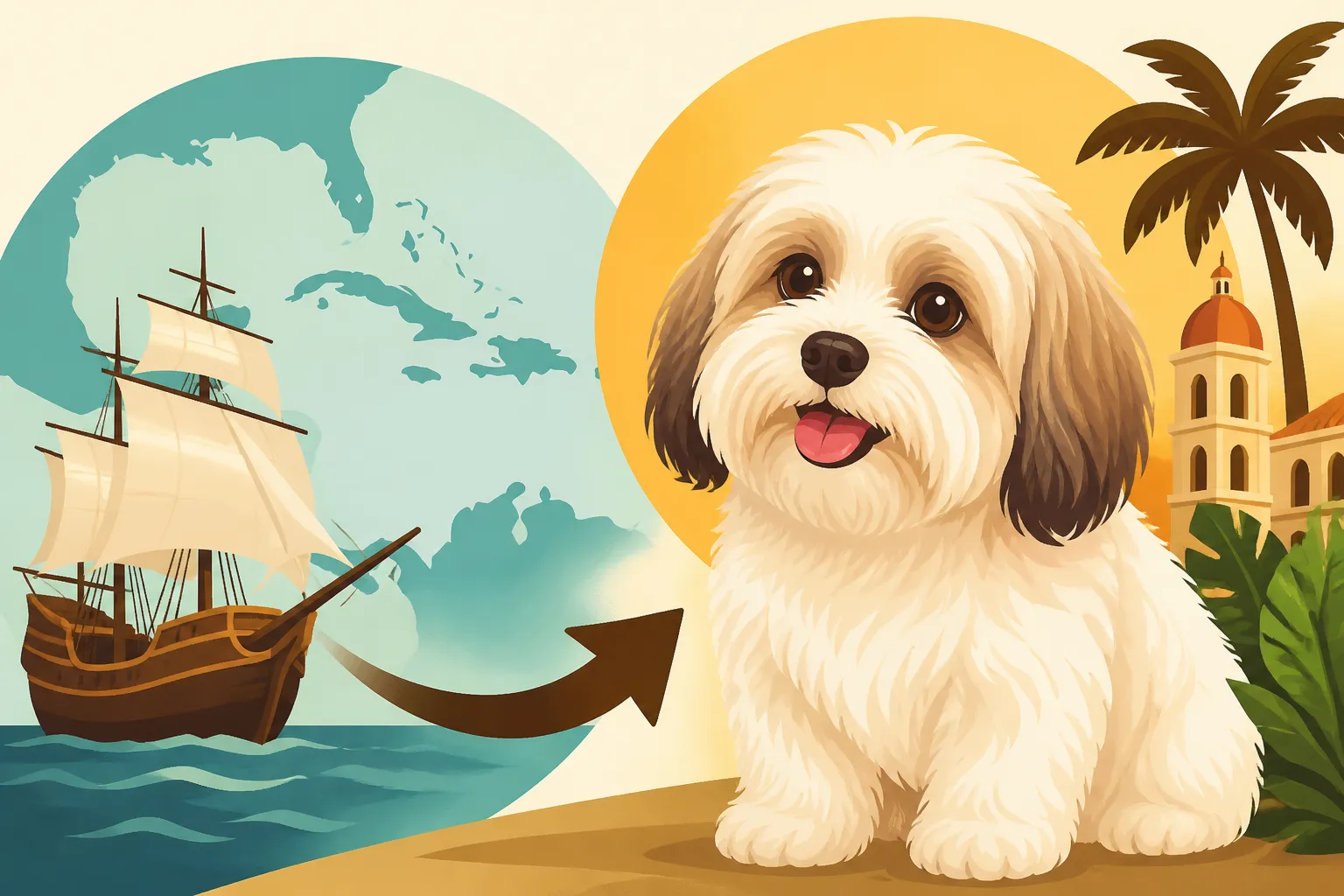
So, did Spanish traders bring the first Havanese ancestors to Cuba? The answer is a resounding yes. During the 16th, 17th, and 18th centuries, Cuba became a crucial hub for Spanish trade in the Americas. Ships laden with goods, people, and, yes, animals, regularly sailed between Spain and its Caribbean colonies. Among the possessions brought by Spanish colonists and merchants were their cherished companion dogs, often of the Bichon type. These dogs weren't just cargo; they were part of the domestic fabric that settlers sought to recreate in their new homes.
Think of a Spanish merchant family making the arduous journey across the ocean. They would bring their household goods, their servants, and, naturally, their beloved lapdogs. These animals offered a sense of continuity and comfort in an unfamiliar world. As these dogs settled in Cuba, they adapted to the unique environment and culture of the island. The isolation of island life, combined with selective breeding by the Cuban aristocracy, allowed these early Bichon types to evolve into a distinct breed. The initial gene pool was likely small, creating a foundation for the unique traits that would eventually define the Havanese. It was a time when dog breeding was less formalized, driven more by practicality and personal preference, but the groundwork for a truly Cuban dog was being laid. This unique lineage began with what was known as the Blanquito de la Habana, or "little white dog of Havana," which you can explore further in The Blanquito de la Habana the Havanese Came From.
The Blanquito de la Habana: Cuba's Original Companion
The Blanquito de la Habana was the direct ancestor of the modern Havanese, and its development is intrinsically linked to the Spanish presence in Cuba. These dogs were particularly favored by the wealthy sugar planters and aristocratic families on the island. They were bred primarily for companionship, becoming integral members of Cuban households. Unlike their European counterparts, the Blanquitos thrived in the tropical climate, developing a coat that was suitable for the warmer temperatures while still offering protection.
The relative isolation of Cuba meant that these dogs weren't constantly being crossbred with other European breeds. This allowed for a natural selection and refinement of traits that were unique to the Cuban environment. The Blanquito was known for its lively intelligence, affectionate nature, and distinctive silky coat. They were small, agile, and full of personality, perfectly suited to a life of leisure in grand Cuban estates. While their name suggests a predominantly white coat, they likely exhibited a range of colors, though white was highly prized. Imagine these dogs frolicking through sun-drenched courtyards or curled up at the feet of their owners during a siesta. Their easy-going temperament and trainability made them ideal companions, whether for a quiet evening or engaging in playful antics. Owners would treat them to the finest care, perhaps even ordering special grooming tools or the best quality food from a reputable source like Chewy to keep them healthy and happy, ensuring their cherished companions had everything they needed. You can get a clearer picture of their appearance by reading What the Blanquito de la Habana Looked Like. The remarkable thing is that The Havanese Is the Only Breed Cuba Ever Produced from these very beginnings.
Here's a simplified look at the ancestral journey:
| Era | Key Players | Location | Dog Type / Development | Significance for Havanese |
|---|---|---|---|---|
| 15th-16th Century | European Traders | Mediterranean | "Bichon Type" Dogs begin spreading | Origin of core genetics |
| 16th-18th Century | Spanish Colonists/Traders | Spain to Cuba | Introduction of Bichon Types to Cuba | First Havanese ancestors arrive |
| 18th-19th Century | Cuban Aristocracy | Cuba (isolation) | Development of the "Blanquito de la Habana" | Unique breed formation on the island |
| Mid-19th Century | European Travelers | Cuba to Europe | Blanquito introduced to European high society | International recognition begins |
| Late 19th Century | – | Cuba & Europe | Introduction of Poodles and other breeds | Diversification of Havanese traits (colors, size) |
Evolution and the European Influence: Beyond the Blanquito
While the Spanish traders certainly brought the first Havanese ancestors, the story doesn't end there. Over the centuries, particularly in the 19th century, other European influences came into play. As Cuba opened up more to international trade and travel, French and German visitors also brought their own small companion dogs, including various Poodle types. These new arrivals occasionally interbred with the Blanquitos, introducing new colors, coat textures, and perhaps even strengthening certain genetic lines.
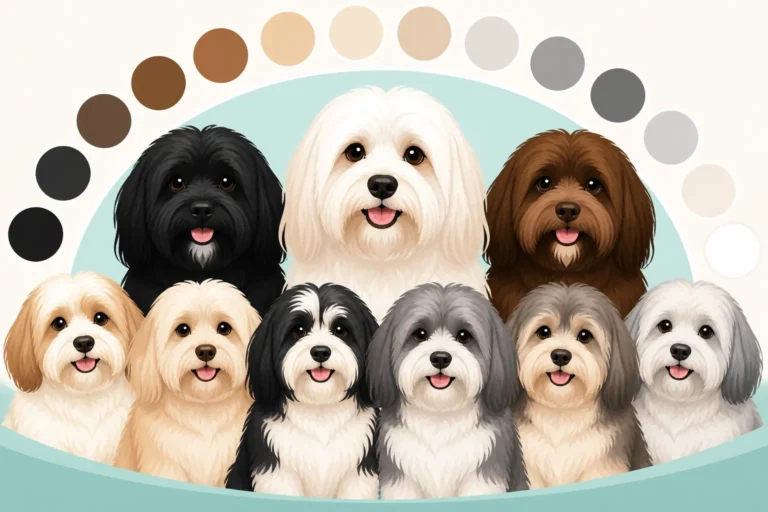
This blending of bloodlines is what ultimately led to the Havanese we recognize today, a dog with a rich tapestry of European and uniquely Cuban heritage. The silky, flowing coat, often seen in a myriad of colors, is a testament to this diverse ancestry. Some of these later influences helped diversify the breed beyond the pure white of the original Blanquitos. For instance, you might notice that modern Havanese come in an incredible range of hues and patterns, a far cry from a purely "little white dog." If you’ve ever browsed the selection of toys and accessories on Chewy, you'd know how diverse modern dog breeds are, each with their own unique needs and traits, much like how the Havanese evolved its distinct characteristics. The introduction of Poodles, for example, is thought to have contributed to the Havanese's renowned intelligence and trainability, making them the delightful "Velcro dogs" we know. To delve deeper into how these changes occurred, you might find How Poodles Changed the Blanquito and Whether Poodle Crossing Gave the Havanese Its Colors particularly insightful. Even the particular feel of their beautiful coats is a legacy, as discussed in Whether the Havanese Kept the Blanquito's Silky Coat.
The initial Spanish influence was foundational, providing the very first dogs from which the breed would sprout. Without those early voyages and the accompanying companion animals, Cuba might never have developed its national dog. It's a tale of exploration, settlement, and the enduring bond between humans and their canine friends, a bond that continues to this day when we look for the perfect organic dog shampoo or a new interactive puzzle toy for our Havanese on Chewy. So, the next time your little Havanese nudges your hand for a treat or settles into your lap, remember the long journey their ancestors took, sailing across an ocean to a new world, all thanks to those intrepid Spanish traders.
Disclaimer
This article is for general informational purposes only and does not constitute professional advice. Laws, prices and regulations vary by location and change over time. Consult a qualified professional for guidance on your specific situation.