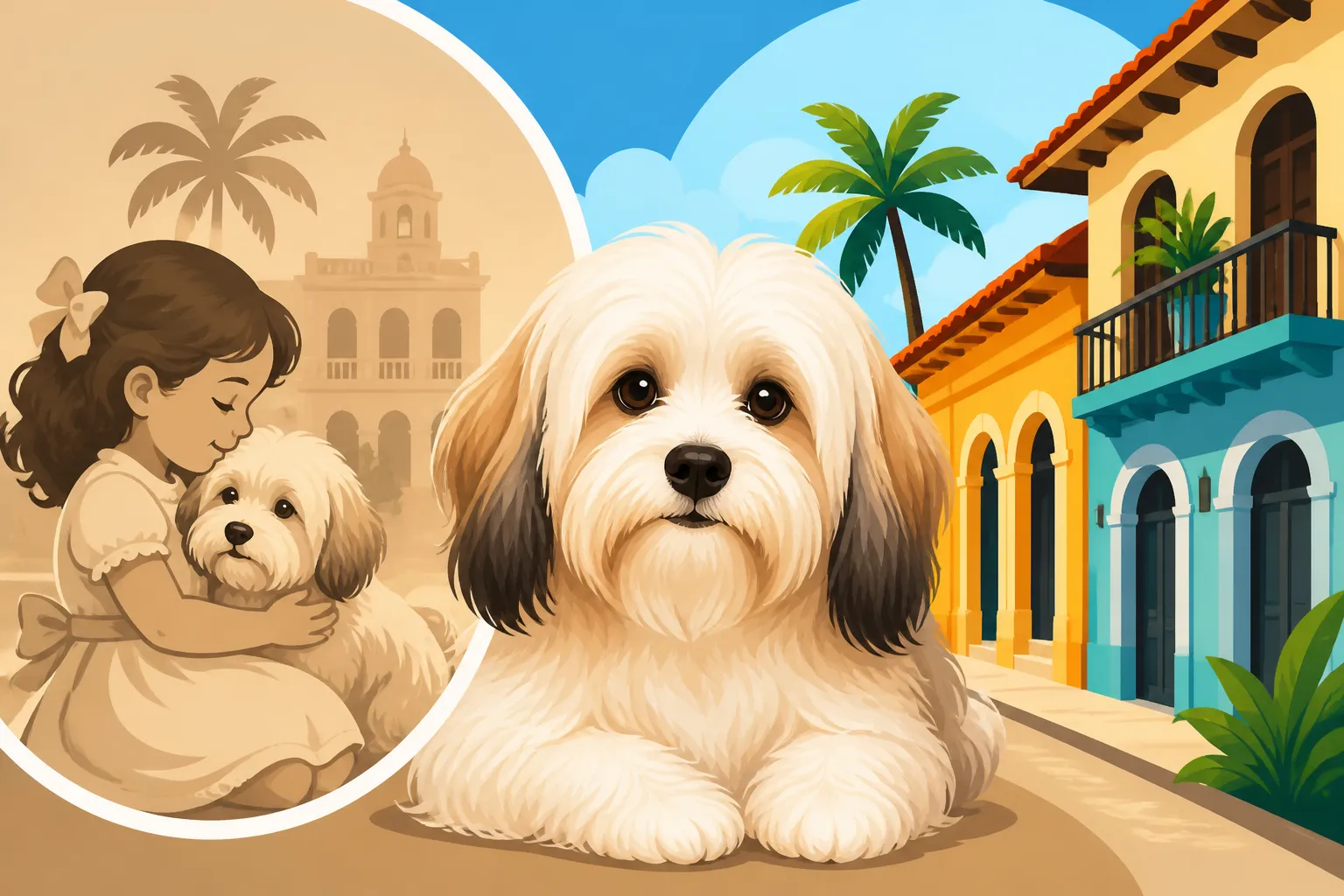
Whether the Havanese Was a Child’s Dog in Cuba
Many aspiring Havanese owners often envision these charming little dogs as natural playmates for children, perhaps assuming their small size and joyful demeanor made them perfect companions for kids throughout history. However, the true historical role of the Havanese, particularly in its native Cuba, tells a slightly different, more nuanced story. This guide will delve into the historical context of the Havanese in Cuba, exploring whether they were truly considered "children's dogs" or if their purpose was more aligned with adult companionship and status, and how this compares to their role in modern families.
The Historical Role of the Havanese in Cuban Society
When we look back at the origins of the Havanese, it’s easy to romanticize their past, imagining them frolicking with children in sun-drenched Cuban courtyards. The reality, however, often points to a more aristocratic and adult-focused companionship. The Havanese, descended from the "Blanquito de la Habana," a type of Bichon dog brought to the island, were primarily dogs of leisure and status.
More Lapdog than Playmate
The ancestors of the Havanese were companions to the wealthy families of Cuba, often referred to as the "Cuban aristocracy." These were not working dogs, nor were they typically bred for rough-and-tumble games with children. Instead, they were cherished lapdogs, often adorning the laps of ladies and accompanying their owners on social calls. Their delicate appearance and gentle nature made them suitable for this role, providing comfort and affection in a more sedate manner. You can learn more about their unique heritage in The Havanese Is the Only Breed Cuba Ever Produced.
The environment of these colonial estates or elegant urban homes was one of refinement, where a small, silken-coated dog added to the ambiance rather than providing boisterous entertainment for youngsters. Think of them as living, breathing pieces of art or beloved family members, but primarily for the adults who appreciated their quiet charm and unwavering devotion.
A Status Symbol, Not a Child's Toy
In historical contexts, especially among the affluent, pets often served as symbols of status and wealth. The Havanese, with its exotic origins and beautiful coat, fit this description perfectly. Owning such a charming and well-cared-for dog showcased a family's prosperity and good taste. While children in these households would undoubtedly have interacted with the dogs, their primary function wasn't to be a child's devoted playmate in the way we might think of a modern family dog today.
Their value came from their companionship, their ability to brighten a room with their cheerful disposition, and their role as a living accessory. The concept of a "child's dog" in that era was often less about mutual play and more about the child being taught how to properly and gently interact with a valuable family pet. Their historical role was far more intertwined with adult leisure and a reflection of social standing. For a deeper dive into their early appearance, consider reading What the Blanquito de la Habana Looked Like.
Havanese Temperament and Its Implications for Children
Understanding the Havanese temperament helps us discern why their historical role might have been more adult-centric, and how that translates to their suitability with children today. Their personality is a blend of intelligence, affection, and a playful spirit, but also a certain sensitivity.
Gentle Nature, But Not Necessarily Child-Proof
Havanese are renowned for their affectionate and gentle nature. They bond deeply with their families and thrive on companionship. This makes them wonderful family pets, but it also means they need to be treated with respect and care, especially by children. They aren't the kind of dog that can typically withstand rough handling or endless tug-of-war games without potentially becoming stressed or defensive.
A Havanese is quite small, even the larger ones, and can be fragile if dropped or stepped on. Their sensitive dispositions mean that loud noises, sudden movements, or overly enthusiastic play from children can overwhelm them. This isn't to say they are inherently "bad with children," but rather that their gentle nature necessitates a more supervised and respectful interaction. It's about teaching children how to be gentle and understanding of a small dog's boundaries.
Intelligence and the Capacity for Interaction
Despite their delicate size, Havanese are intelligent and eager to please, making them quite trainable. This trait, often seen in their "circus dog brain," means they can certainly learn to interact appropriately with children, and children can learn to interact appropriately with them. They love to learn tricks and enjoy engaging activities that stimulate their minds. If a child is taught how to play gently, throw a ball, or engage in quiet training sessions, a Havanese can be a delightful companion. Teaching a Havanese Tricks It Will Perform All Day offers a glimpse into their training potential.
The key lies in mutual respect and clear boundaries. The Havanese wants to be involved in family life, and they thrive on attention. When properly introduced and managed, they can form strong, loving bonds with children, becoming a furry shadow that follows them from room to room. Their desire for closeness is one of their most endearing traits, and they can certainly find joy in being near a calm, respectful child.
The Modern Havanese in Families with Children
Fast forward to today, and the Havanese is a beloved family pet in homes across the globe. Their adaptability and charming personality make them suitable for a variety of living situations, including those with children. However, bridging the gap between their historical role and their modern family integration requires thoughtful planning and realistic expectations.
Temperament Traits That Favor (or Challenge) Children
Havanese generally possess several traits that make them excellent companions for children:
- Affectionate: They adore their people and crave attention, often wanting to be right in the middle of family activities.
- Playful: They retain a puppy-like exuberance well into adulthood, enjoying games and playtime.
- Intelligent: This allows them to learn household rules and polite interactions, especially when consistent training is applied.
- Small Size: While this can be a challenge for very young children who might accidentally harm them, it also means they don't pose a physical threat to a child, unlike some larger breeds.
However, some traits can present challenges:
- Sensitivity: They can be startled by loud noises, sudden movements, or rough play, potentially leading to fear-based reactions if not managed.
- Potential for Resource Guarding: Like any dog, if not properly socialized and trained, a Havanese might guard its favorite toys, food, or even its human from a perceived threat, which could include an approaching child.
- Separation Anxiety Tendencies: Their intense bond with humans means they don't do well being left alone for long periods, which can be a factor if children are at school and parents are at work.
For a family considering this breed, understanding A Havanese in a House With Children is crucial. It’s not about the breed being inherently good or bad, but about the specific dog’s personality and the family's commitment to training and supervision.
Creating a Harmonious Home
Successful integration of a Havanese into a home with children hinges on education and supervision. It's less about the dog inherently being a "child's dog" and more about how the family manages the interactions.
Here are key strategies:
- Educate Children: Teach children how to interact gently and respectfully with the Havanese. Show them how to stroke the dog, recognize signs of stress (like lip licking or turning away), and understand that the dog needs quiet time. Emphasize never disturbing the dog while it's eating or sleeping.
- Supervise All Interactions: Especially with very young children or toddlers, direct adult supervision is non-negotiable. An accidental fall or rough grab can injure a small Havanese, and a fearful dog might snap. This supervision period is vital for both child and dog to learn appropriate boundaries. Whether a Havanese Is Safe With Toddlers discusses this dynamic further.
- Provide a Safe Space for the Dog: The Havanese needs a retreat where children cannot follow, such as a crate or a bed in a quiet room. This allows the dog to decompress and feel secure. Many owners find great crates and comfy beds on sites like Chewy.
- Consistent Training: Early and consistent training for the Havanese, focusing on basic commands and polite manners, is essential. This includes teaching them not to jump on people, to come when called, and to "leave it." Positive reinforcement works wonders with this intelligent breed. Using small, palatable training treats, which you can easily find on Chewy, can make training sessions more engaging and successful.
- Socialization: Expose the Havanese puppy to a variety of sounds, sights, and gentle interactions with well-behaved children from a young age, always under strict supervision. This helps them grow into confident, well-adjusted adults.
Here's a quick comparison of the historical and modern roles of the Havanese with children:
| Feature | Historical Role (Cuba) | Modern Role (Today) |
|---|---|---|
| Primary Companionship | Adults, especially aristocratic women | Entire family, including children |
| Social Status | High-value symbol of wealth and refinement | Beloved family member, often seen as a companion for all |
| Interaction with Kids | Limited, supervised, expected to be gentle | Varied, with emphasis on mutual respect and training |
| Physical Demands | Lapdog, minimal vigorous activity | Moderate play, walks, indoor games, mental stimulation |
| Fragility Concerns | Yes, due to small size | Yes, requires careful handling by children |
| Training Focus | Manners, obedience for adult settings | Basic obedience, tricks, appropriate social behavior |
Debunking the "Child's Dog" Myth and Embracing Reality
The idea that the Havanese was historically a "child's dog" in Cuba is largely a romanticized notion, rather than a factual account. While children certainly would have been part of the household where these dogs resided, the dogs themselves were prized for different qualities.
Romanticized Past vs. Factual History
Often, the narratives surrounding popular dog breeds get simplified or embellished over time. For the Havanese, their charming looks and affectionate nature make it easy to imagine them as perfect childhood companions from the get-go. However, historical records and the context of their development suggest a more sophisticated role. They were companions, yes, but for adults who valued their calm presence and beauty. The rigorous concept of health screening and responsible breeding practices to ensure a dog's suitability for children is a much more modern development.
The breed's survival itself is a testament to dedicated adult enthusiasts. For example, How the Havanese Nearly Died Out After 1959 highlights how a handful of refugee dogs, brought to the United States by adults, formed the foundation of the modern Havanese breed, driven by a passion for preserving their unique qualities, not necessarily for their child-friendliness.
Responsible Ownership for All Ages
Today, the Havanese has indeed found its place as a wonderful family dog, often delighting children with its playful antics and cuddly nature. However, it's crucial for prospective owners to understand that no dog is born a "child's dog." It's the responsibility of the adults in the family to ensure that both the dog and the children are taught how to coexist safely and happily.
This involves providing the Havanese with proper training, socialization, and a secure environment. It also means actively teaching children about dog body language, boundaries, and gentle interactions. For instance, ensuring your Havanese has plenty of appropriate, durable toys (many excellent options available on Chewy) can redirect playful energy away from hands or clothing, teaching them appropriate play. What a Havanese Needs Every Day covers many of these daily requirements.
Ultimately, a Havanese can absolutely thrive in a family with children, becoming a loyal and loving member of the household. But this success stems from a clear understanding of the breed's sensitive nature and a proactive commitment from parents to manage the interactions. It's about building a bond based on respect and understanding, creating a joyful experience for everyone involved, from the youngest child to the oldest Havanese. The First Year With a Havanese Puppy is particularly important for establishing these foundational habits.
Disclaimer
This article is for general informational purposes only and does not constitute professional advice. Laws, prices and regulations vary by location and change over time. Consult a qualified professional for guidance on your specific situation.