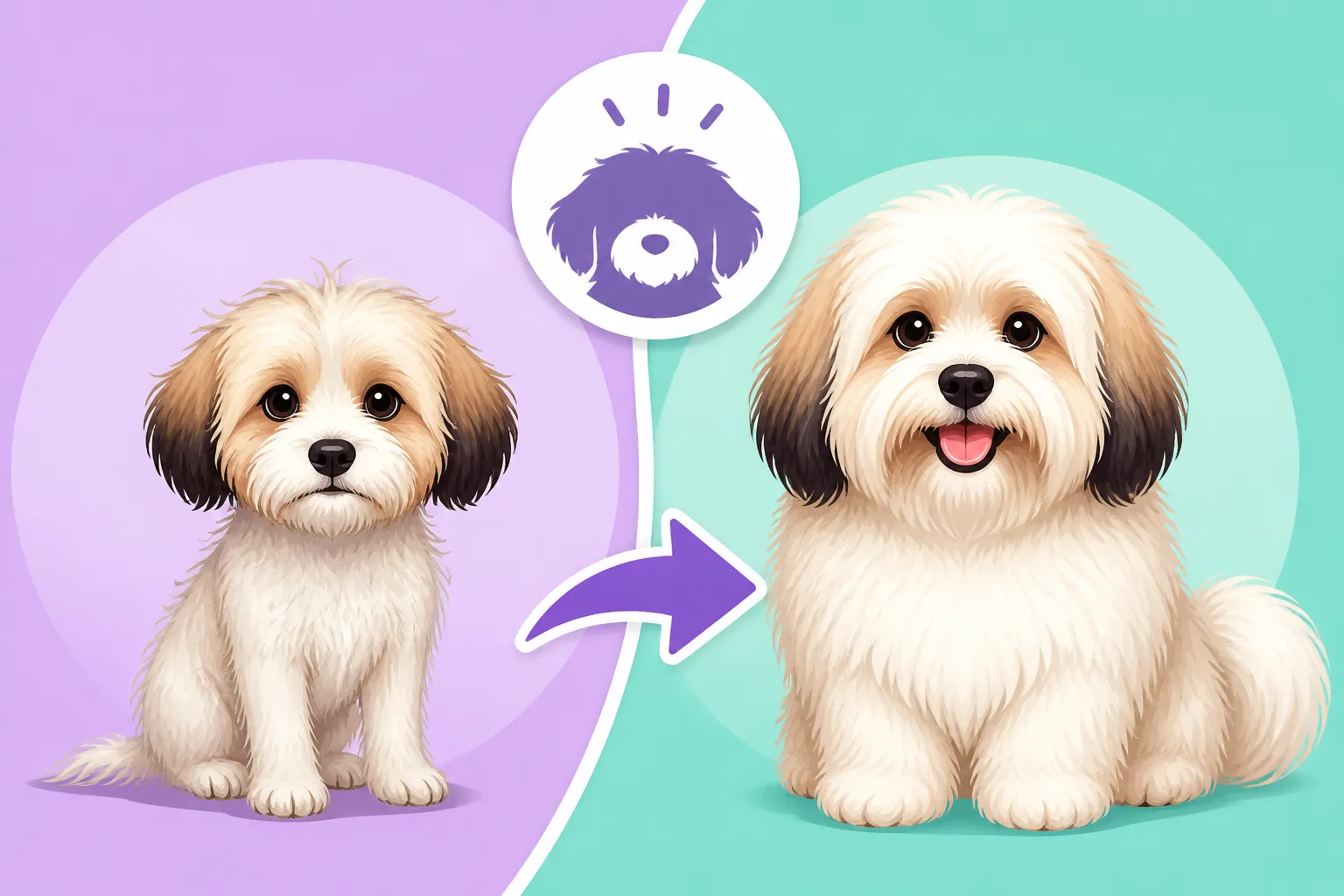
Whether a Havanese Fills Out After a Year
It’s a common question, and one I get all the time from loving Havanese parents: "My little one just hit their first birthday, and while they're definitely not a tiny puppy anymore, I'm wondering if they're really done growing, or if there's more 'filling out' to come?" It’s natural to wonder, especially with a breed so famous for its charming, cuddly size, what the final form will be. This guide will walk you through what to expect in terms of your Havanese's physical development once they've passed that first crucial year.
The Growth Journey: What "Filling Out" Means for Your Havanese After Their First Birthday
When we think about puppies, we often picture rapid growth—those daily changes where they seem to sprout inches overnight. With Havanese, that initial surge of growth is pretty much concentrated in their first year. By the time they blow out that first candle, most of the major growth in terms of height and length has already occurred. But "filling out" is a slightly different concept, and it's where the subtle, yet significant, changes can still unfold.
Understanding Peak Growth and Maturation Milestones
For a Havanese, the bulk of their vertical growth, meaning how tall they stand at the shoulder, is usually complete by around 9 to 12 months of age. Think of those gangly, all-legs phases during puppyhood – those are the big growth spurts happening! They’re reaching for their adult height with remarkable speed. So, if you've been meticulously measuring your pup against the kitchen cabinet, you'll likely notice the measurements don't change much after that first year mark. This aligns with what we know about The Age a Havanese Reaches Full Size.
However, reaching full height isn't the same as reaching full maturity. Just like human teenagers, Havanese puppies might hit their height early, but their bodies still have some maturing to do. The bone plates, particularly in the longer bones of their legs, typically close around 12 to 14 months of age. This means that while they won't get taller, their skeletal structure is still solidifying. Owners often report that their Havanese still look a bit "leggy" or less substantial at one year, prompting the question of whether they will ever look more robust.
Beyond Height: The Nuances of Body Development
So, if they're not getting taller, what is "filling out"? For a Havanese, this term primarily refers to a few key areas: muscle development, a slight widening or deepening of the chest and rib cage, and the full maturation of their luxurious coat. It's less about a sudden size increase and more about a subtle rounding and strengthening of their existing frame. They're transitioning from a puppy's slender, sometimes lanky, build to the more compact, sturdy appearance of an adult Havanese.
Imagine a young sapling compared to a mature tree. The sapling might be tall, but the mature tree has a thicker trunk, more established branches, and a denser canopy. Similarly, your Havanese will develop more muscle mass with consistent exercise, their chest might deepen ever so slightly, and their rib cage can expand a bit, giving them a more "solid" feel. This isn't a dramatic transformation, but a gradual process that can continue up to two years of age, sometimes even a little beyond, especially as their adult coat comes in and creates the illusion of greater volume. It's all part of becoming the beautiful, well-proportioned Havanese we adore.
Key Factors Shaping Your Havanese's Post-Puppy Physique
It's easy to assume that once a dog reaches a certain age, their body development is purely genetic, but that's not entirely true. While genetics certainly lay the blueprint, several external factors play a crucial role in how your Havanese "fills out" and maintains their adult physique after their first birthday. Understanding these can help you support your furry friend in achieving their optimal, healthy form.
The Unseen Influence of Genetics and Breed Standard
First and foremost, your Havanese's genetic heritage is the primary determinant of their potential size and bone structure. Just like people, Havanese come in a range of sizes within the breed standard. Some lines are naturally more delicate, while others tend to be a bit more substantial, often reflecting the build of their parents and grandparents. If your Havanese comes from parents who were on the smaller or daintier side of the breed standard, it's unlikely they will suddenly develop into a larger, more heavily boned dog after their first year. The breed standard, for instance, typically calls for a Havanese that is small but sturdy, not fragile.
Knowing your dog's pedigree and the typical build of their ancestors can offer significant clues. A reputable breeder will often be able to show you pictures of the parents and sometimes even grandparents, giving you an idea of the genetic potential. While you can't change genetics, understanding them helps manage expectations. If your Havanese is within the healthy weight range for their height, as outlined in articles like What a Havanese Actually Weighs and How Tall a Havanese Stands, and is active and healthy, then their unique build is simply a reflection of their lineage, and that's perfectly normal.
The Critical Role of Continued Nutrition and Activity
Even after your Havanese transitions from puppy food to adult formula, their diet and exercise regimen remain incredibly important for how they "fill out" and maintain their adult body condition. Proper nutrition provides the building blocks for muscle development and overall health. A diet that is balanced and appropriate for their age, activity level, and small breed needs will ensure they have the energy and nutrients to develop strong muscles and a healthy coat. Remember, just because they're not growing in height doesn't mean their body isn't still changing internally.
Consider discussing with your veterinarian if your Havanese might benefit from a specific adult small-breed formula. Brands available on platforms like Chewy offer a wide variety of high-quality options tailored to different needs. Ensuring they get the right amount of food, not too much to become overweight and not too little to prevent muscle development, is key. Check out resources like How Much an Adult Havanese Eats Daily for general guidelines, but always tailor it to your individual dog. Alongside nutrition, regular exercise is vital. Activities like daily walks, playtime in the yard, and interactive indoor games help build and maintain lean muscle mass. A well-exercised Havanese will naturally develop a more toned and "filled out" appearance compared to one who is more sedentary. Think about engaging them in activities that are fun but also physically stimulating; even short bursts of play can make a difference. These activities also contribute to their mental well-being, which is just as important as physical health. For more on their exercise needs, you might find How Much Exercise a Havanese Needs helpful.
Hormonal Shifts and Their Subtle Effects
The timing of spaying or neutering can also have subtle, though often debated, effects on a dog's physical development, including how they "fill out." When a Havanese is spayed or neutered, their sex hormones (estrogen and testosterone) are no longer produced. These hormones play a role in the closing of growth plates in bones. Generally, if a dog is spayed or neutered very early, before their growth plates have fully closed, there's a possibility that the bones, particularly the long bones in the legs, might grow slightly longer than they would have otherwise. This can result in a somewhat taller, lankier appearance in some breeds, rather than a more compact, "filled out" look.
For Havanese, who are already a small breed, these effects are usually not dramatic, and the overall "filling out" is more influenced by muscle and coat development. However, hormonal changes can also impact metabolism. Some owners notice a tendency for their spayed or neutered Havanese to gain weight more easily, which can contribute to a "filled out" appearance, though not always in the healthiest way. It’s important to monitor their food intake and exercise carefully after the procedure to prevent unhealthy weight gain, which is different from healthy muscle development. Discussing the optimal timing for spay/neuter with your vet, considering both health and developmental factors, is always a good idea.
Practical Expectations: Observing Your Havanese's Maturing Form
So, you're past the first birthday. What tangible changes can you actually expect to see in your Havanese's physical form? It's often not the dramatic growth spurts of puppyhood, but rather a more gradual refinement and maturation that defines this stage. Understanding these subtle shifts will help you appreciate your dog's developing adult physique.
The Evolution of the Havanese Coat and Overall Appearance
One of the most significant changes you'll notice in your Havanese after their first year is the full development of their magnificent coat. Often, around 8-12 months, Havanese enter what many lovingly call the "puppy uglies" phase. This is when their soft, fluffy puppy coat starts to shed out, making way for the dense, silky adult double coat. During this transition, their coat can become incredibly matted and unruly, and they might look a bit scraggly. It's a challenging time for grooming, for sure! You can learn more about this transition in When a Havanese Puppy Coat Changes.
However, by the time they are 18 months to two years old, that adult coat will generally be much more established, dense, and flowing. This full, lush coat adds considerable volume and can make your Havanese appear much more "filled out" and substantial than they did as a lanky one-year-old with a transitioning coat. This isn't true body mass, but it certainly contributes to their overall adult aesthetic. It's a hallmark of the breed, a beautiful The Silky Double Coat a Havanese Grows to the Floor, and takes time to reach its full glory. Regular grooming and good nutrition will help ensure it grows in thick and healthy.
Building and Maintaining Healthy Muscle Tone
While your Havanese might not gain significant height or length after their first birthday, they absolutely can, and should, continue to develop and maintain healthy muscle tone. This is a key aspect of "filling out" that often goes underestimated. Strong muscles support their joints, contribute to their overall athleticism, and give them a more robust, athletic appearance. This development comes from consistent, appropriate exercise. It doesn't mean hours of intense running, but rather regular opportunities for active play and walks.
Think about daily walks around the neighborhood, playful sessions in the park where they can scamper and chase, or even engaging in short, fun training sessions that involve movement. These activities gradually build lean muscle over time, making their legs look sturdier and their body more defined. A Havanese that is regularly active will feel more solid and substantial than a sedentary one, even if they weigh the same. They might also appear more confident and agile. If you're looking for ways to keep them active, considering two shorter walks a day can be beneficial, as discussed in Whether a Havanese Needs More Than One Walk. Good quality food, like those found on Chewy, coupled with activity, contributes to this muscle development.
Recognizing When to Consult Your Veterinarian About Development
While subtle changes are normal and expected, it's also important for owners to know when a lack of "filling out" or unusual body changes might warrant a veterinary visit. If your Havanese seems unusually thin, fails to gain any weight, or appears to be losing muscle mass despite adequate food and exercise, it's always best to consult your vet. Sometimes, underlying health issues can affect a dog's ability to maintain a healthy weight and build muscle.
Conditions such as dental problems making it painful to eat, parasitic infections, or more serious conditions like certain metabolic disorders or even a congenital liver shunt could impact a dog's growth and ability to thrive. While these are rare, especially in a dog past its first year, persistent failure to gain weight or develop muscle warrants investigation. You can also monitor for signs that indicate unhealthy weight, which is the opposite of healthy filling out, as discussed in Signs a Havanese Is Carrying Too Much Weight. For example, if you suspect something is amiss with a younger puppy's development, understanding things like The Liver Shunt a Havanese Puppy Shows Before Six Months can offer context. Don't hesitate to reach out to your vet if you have any concerns about your Havanese's health or development; they are your best resource for personalized advice.
Disclaimer
This article is for general informational purposes only and does not constitute professional advice. Laws, prices and regulations vary by location and change over time. Consult a qualified professional for guidance on your specific situation.