Whether a Havanese Shunt Can Be Repaired
It’s truly heartbreaking to learn that your sweet Havanese might be facing a liver shunt. This diagnosis can feel overwhelming, plunging you into a whirlwind of worry and questions about your beloved companion's future. This comprehensive guide is here to walk you through understanding what a liver shunt means for your Havanese, the treatment options available, and crucially, whether surgical repair is a viable path to give them a healthy, happy life.
What Exactly is a Liver Shunt in Havanese?
A liver shunt, also known as a portosystemic shunt (PSS), is a congenital or acquired condition where blood bypasses the liver, failing to be detoxified before circulating throughout the body. For Havanese owners, hearing this diagnosis can be terrifying because the liver is essential for filtering toxins, metabolizing nutrients, and producing vital proteins. When blood skips this crucial processing step, toxins accumulate, leading to a range of severe health problems. It’s a complex issue, but understanding the basics is the first step toward finding the right solution.
Understanding the Portosystemic Anomaly
Normally, blood from the intestines, stomach, spleen, and pancreas flows through the portal vein system directly into the liver. The liver then acts as a sophisticated filtration plant, removing harmful substances, processing nutrients, and sending purified blood back to the heart. In a Havanese with a portosystemic shunt, an abnormal blood vessel, or "shunt," diverts this blood away from the liver and directly into the main circulatory system. This means toxins like ammonia and other metabolic waste products aren't filtered out, leading to them building up in the bloodstream and affecting various organs, especially the brain.
This anomaly can be inside the liver (intrahepatic) or outside the liver (extrahepatic), with extrahepatic shunts being more common in smaller breeds like the Havanese. The location of the shunt significantly impacts the complexity and approach to potential repair. Knowing "What a Congenital Liver Shunt Does to a Havanese" can help you grasp the full scope of this condition. It's a fundamental flaw in the circulatory system that, left untreated, can severely compromise your dog's health and quality of life.
Congenital vs. Acquired Shunts in Havanese
Most liver shunts seen in Havanese are congenital, meaning your puppy was born with it. These are typically single, well-defined shunts that are often amenable to surgical correction. This type of shunt usually becomes apparent when the puppy is young, often between weaning and six months of age, as their system struggles with the increased metabolic load from solid food. It’s particularly common in certain toy breeds, including our beloved Havanese.
Acquired shunts, on the other hand, are much rarer and usually develop as a complication of another severe liver disease, such as cirrhosis or severe chronic hepatitis. In these cases, the liver itself is so damaged that blood flow is obstructed, causing pressure to build up in the portal vein system. The body then tries to compensate by forming new, abnormal blood vessels (shunts) to relieve this pressure, essentially creating a workaround for the failing liver. These acquired shunts are usually multiple and diffused, making them far less suitable for surgical repair compared to their congenital counterparts.
Recognizing the Signs of a Liver Shunt
One of the hardest parts about a liver shunt is that the symptoms can be vague and easily mistaken for other issues. It often feels like you’re constantly guessing what’s wrong, which is incredibly frustrating when you just want your furry friend to feel better. Early recognition is key, as is a thorough understanding of the subtle and not-so-subtle cues your Havanese might be giving you.
Common Neurological and Gastrointestinal Symptoms
The build-up of toxins, especially ammonia, in the bloodstream directly affects the brain, leading to a condition called hepatic encephalopathy. This is where you might see some of the most alarming symptoms. Your Havanese might seem disoriented, confused, or even stumble as if they're drunk. You might notice unusual behaviors like staring blankly, circling, or pressing their head against a wall, as discussed in "Whether a Havanese Circles or Presses Its Head." Seizures are also a serious possibility, particularly after meals when toxin levels are at their highest. These neurological signs can come and go, often worsening after eating protein-rich foods.
On the gastrointestinal front, symptoms can include vomiting and diarrhea, which are common but persistent. Your Havanese might also have a poor appetite or develop excessive thirst and urination. Some dogs with shunts might even produce orange-brown urine due to the abnormal metabolism of certain waste products. These digestive issues, combined with neurological quirks, are significant "The Signs a Havanese Puppy Has a Shunt" that should prompt an immediate visit to your vet.
Growth Stunting and Other Subtle Indicators
Beyond the more dramatic neurological and GI signs, there are often subtle indicators that can go unnoticed or be attributed to other puppy quirks. Many Havanese puppies with shunts fail to thrive, remaining noticeably smaller than their littermates, a common observation highlighted in "Whether a Havanese Puppy With a Shunt Is Small." They might be underweight, have a dull, poor coat quality, and generally lack the robust energy of a healthy puppy.
Another subtle sign can be prolonged recovery from anesthesia, which can be a red flag. As discussed in "Whether a Havanese Reacts Badly to Anesthesia," dogs with shunts have impaired liver function, making it difficult for them to metabolize anesthetic drugs effectively. This can lead to a longer, more complicated recovery. Owners might also notice a general weakness or lethargy that doesn’t quite fit a typical puppy's boundless energy. If you've been grappling with a puppy that just isn't flourishing, despite your best efforts, a liver shunt should definitely be on your vet's diagnostic radar.
Diagnosing a Liver Shunt: The Road to Confirmation
Getting a definitive diagnosis for a liver shunt can sometimes feel like a long and winding road, especially given the non-specific nature of many symptoms. You might go through several tests and consultations, which can be emotionally and financially draining. However, a precise diagnosis is absolutely crucial for determining the best course of action for your Havanese.
Initial Bloodwork and Urinalysis Clues
The first steps usually involve routine blood tests and urinalysis, which can offer important clues. A complete blood count (CBC) might show anemia, while a chemistry panel could reveal abnormalities in liver enzymes, although these aren't always definitive. More telling indicators often appear in specialized liver function tests, such as the pre- and post-prandial (before and after eating) bile acid test. This test measures how well the liver processes bile acids, and elevated levels are a strong indicator that blood is bypassing the liver.
Another crucial blood test is the ammonia level. High ammonia levels are a hallmark of a portosystemic shunt, as the liver isn't removing this toxin effectively. Urinalysis might reveal ammonium biurate crystals, which are also suggestive of a shunt. While these tests are highly indicative, they don't pinpoint the exact location or type of shunt. For that, more advanced imaging is necessary. For many concerned owners, ensuring "Whether a Bile Acid Test Belongs on a Havanese Puppy" is a critical question to discuss with their veterinarian.
Advanced Imaging Techniques for Definitive Diagnosis
Once initial bloodwork points to a shunt, your vet will likely recommend advanced imaging to definitively locate and characterize the abnormal vessel. The gold standard for diagnosis is typically a portogram, which involves injecting a contrast dye into a vessel that feeds the portal system and then taking X-rays. This procedure visually highlights the blood flow and the shunt itself. However, it's an invasive procedure and often performed by a specialist.
Less invasive, but still highly effective, imaging techniques include abdominal ultrasound performed by an experienced veterinary radiologist. Ultrasound can often visualize the shunt, especially extrahepatic ones, and assess the size of the liver, which is typically smaller than normal in dogs with shunts. More advanced options like CT angiography (CTA) or MRI are also incredibly powerful. These provide detailed, 3D images of the vascular system, offering the most precise information about the shunt's location, size, and relationship to surrounding structures. These advanced diagnostics are vital for planning surgical intervention, if that becomes the chosen path.
Surgical Repair Options for Havanese Liver Shunts
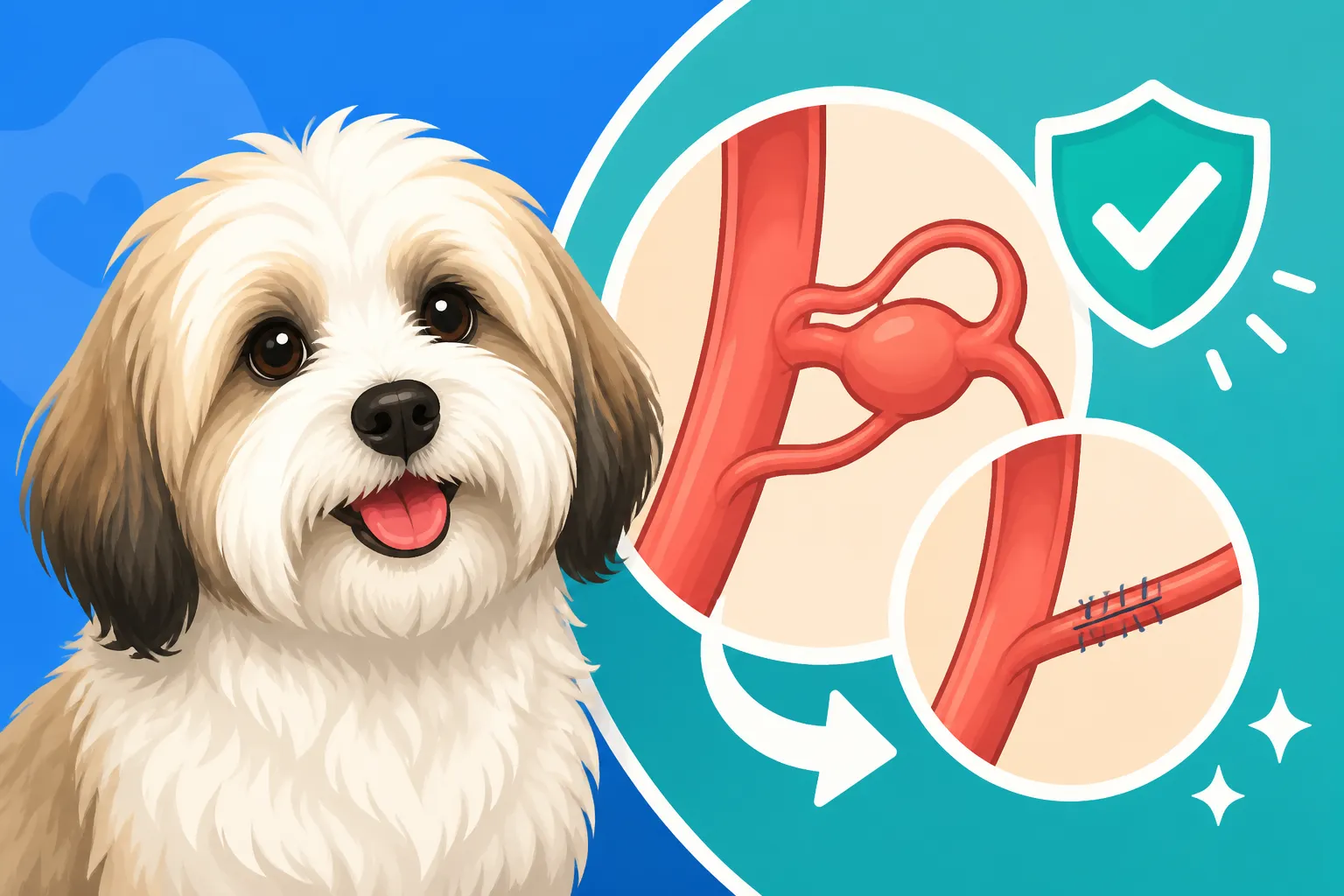
The big question, the one that keeps you up at night: "Can a Havanese shunt be repaired?" The answer is often a hopeful yes, especially for congenital extrahepatic shunts. Surgical repair is generally considered the best treatment option for a good long-term prognosis, as it addresses the root cause of the problem. However, it's a major surgery requiring specialized veterinary expertise and careful post-operative management.
Traditional Open Abdominal Surgery and Ligation
The most common surgical approach for congenital extrahepatic shunts involves open abdominal surgery to ligate, or tie off, the abnormal shunt vessel. The goal is to gradually or completely close the shunt, forcing blood to flow through the liver as it should. Complete ligation in one go can be risky, as it might suddenly increase blood pressure in the portal system, leading to dangerous complications. Because of this, surgeons often opt for a partial ligation, or they may use devices that slowly constrict the shunt over time.
One popular method is the placement of an ameroid constrictor. This small, ring-like device is placed around the shunt vessel during surgery. The constrictor contains a caseinhydrophilic material that slowly absorbs body fluids and swells, gradually closing the shunt over several weeks. This allows the liver to adapt to the increased blood flow at a more controlled pace, reducing the risk of portal hypertension. This method has a high success rate for the right candidates. Remember that this is a significant procedure, and discussing "What Shunt Surgery Costs a Havanese Owner" with your vet and considering pet insurance like Healthy Paws can help you prepare.
Minimally Invasive Techniques: Coil Embolization and Interventional Radiography
In recent years, advancements in veterinary medicine have introduced less invasive options for certain types of shunts, particularly intrahepatic shunts (those located inside the liver). One such technique is transvenous coil embolization, performed by a veterinary interventional radiologist. This procedure involves guiding a catheter through a vein (usually in the neck or leg) directly into the shunt. Small coils, typically made of platinum, are then deployed into the shunt vessel. These coils encourage clot formation, which gradually blocks the shunt and redirects blood flow through the liver.
This interventional radiography approach offers several advantages, including smaller incisions, less pain, and potentially faster recovery times compared to traditional open surgery. However, it requires highly specialized equipment and expertise, meaning it’s only available at certain referral centers. It's not suitable for all types of shunts, and the decision between traditional surgery and a minimally invasive approach will depend on the shunt's location, size, and the veterinary team's experience. Both options aim for the same outcome: to close the shunt and restore normal liver function.
The Role of the Surgeon and Veterinary Specialist
Successfully repairing a liver shunt, whether through traditional surgery or advanced interventional techniques, heavily relies on the skill and experience of the veterinary team. This is not a procedure for a general practitioner; it requires a board-certified veterinary surgeon or a veterinary interventional radiologist. These specialists have extensive training and experience in delicate abdominal surgery and vascular procedures.
They will carefully review all diagnostic imaging, determine the best surgical approach, and manage the anesthesia and post-operative care. It’s absolutely critical to find a specialist whom you trust implicitly and who has a proven track record with Havanese or other small breeds undergoing shunt repair. Don't hesitate to ask about their experience, success rates, and what to expect during and after the procedure. Your vet may refer you to a specialty center, and while this adds another layer of complexity, it greatly increases the chances of a successful outcome for your furry family member.
Here's a comparison of the main surgical approaches for congenital liver shunts:
| Feature | Traditional Open Ligation (Ameroid Constrictor) | Minimally Invasive Coil Embolization (Interventional Radiography) |
|---|---|---|
| Typical Shunt Type | Extrahepatic (outside liver) | Intrahepatic (inside liver) |
| Procedure Type | Open abdominal surgery | Catheter-based, less invasive |
| Shunt Closure | Gradual (ameroid constrictor) or immediate (suture) | Gradual (coils induce clotting) |
| Incision Size | Larger abdominal incision | Small incision at catheter insertion site |
| Recovery Time | Typically longer | Potentially shorter |
| Specialization Needed | Board-certified Veterinary Surgeon | Board-certified Veterinary Interventional Radiologist |
| Availability | More widely available at specialty vet hospitals | Limited to highly specialized referral centers |
| Anesthesia Risk | Similar, careful monitoring required due to liver function | Similar, careful monitoring required due to liver function |
Medical Management When Surgery Isn't an Option
While surgery offers the best chance for a full recovery for many Havanese with shunts, it’s not always feasible. Some shunts might be too complex, or the dog's overall health might not allow for anesthesia and surgery. In these cases, or as a temporary measure before surgery, medical management becomes the primary focus. This approach aims to minimize the clinical signs by reducing toxin production and absorption, thereby making your Havanese as comfortable as possible. It's a daily commitment, but it can significantly improve their quality of life.
Dietary Modifications and Protein Restriction
The cornerstone of medical management for a liver shunt is strict dietary control, specifically limiting protein intake. Protein, when digested, produces ammonia and other toxins that the shunting liver cannot properly process. By feeding a specially formulated low-protein diet, you can significantly reduce the amount of toxins entering the bloodstream. Your vet will likely recommend a prescription diet designed for liver support, such as Royal Canin Hepatic or Hill's Prescription Diet l/d. These diets provide high-quality, easily digestible proteins in controlled amounts to minimize waste product formation while still meeting your Havanese's nutritional needs.
It's not just about protein, though; these diets are also often supplemented with branched-chain amino acids, which can help support brain function, and include lower levels of certain minerals like copper, which can accumulate in liver disease. Treats will also need to be carefully chosen, and table scraps should be strictly avoided. This dietary discipline is crucial and can make a world of difference in managing symptoms. For some, "Whether Diet Alone Manages a Havanese's Shunt" is a very real question, and while it helps, it's rarely a complete solution on its own.
Medications to Reduce Toxin Buildup
In addition to diet, several medications are commonly used to further reduce toxin levels in the body and manage symptoms. Lactulose is perhaps the most important. It's a synthetic sugar that works in two ways: first, it acidifies the colon, which traps ammonia ions and prevents their absorption into the bloodstream; second, it acts as a mild laxative, speeding up the passage of waste and thus reducing the time toxins have to be absorbed.
Antibiotics like metronidazole or amoxicillin may also be prescribed. These target specific bacteria in the gut that produce ammonia and other toxins. By reducing the number of these bacteria, the overall toxin load on the body is decreased. Anti-seizure medications might be necessary if your Havanese experiences seizures, even with dietary and lactulose management. Your vet will tailor a medication regimen based on your dog's specific symptoms and response to treatment. While medical management is a lifelong commitment, it can provide significant relief and improve comfort for Havanese who cannot undergo surgery.
Life After Liver Shunt Repair: Prognosis and Care
For those Havanese lucky enough to undergo successful shunt repair, the outlook is generally very positive. It's a huge relief to know that your furry companion can return to a more normal, healthy life. However, the journey doesn't end with surgery; careful post-operative care and ongoing monitoring are essential to ensure the best long-term outcome.
Post-Operative Recovery and Monitoring
The immediate post-operative period is critical. Your Havanese will require close monitoring in the veterinary hospital, often for several days, to manage pain, ensure proper hydration, and watch for any complications. This includes monitoring for signs of portal hypertension, which is a rare but serious complication where blood pressure in the portal system becomes dangerously high. Blood tests will be performed regularly to track ammonia levels and liver enzyme function.
Once your Havanese is discharged, the recovery continues at home. This typically involves strict rest, limiting activity, and administering prescribed medications, which often include antibiotics and a special liver support diet for a transitional period. Gradually, over several weeks to months, as the liver regenerates and takes over its full function, the diet can often be slowly transitioned back to a regular, high-quality dog food, and medications may be tapered off under veterinary guidance. The commitment to this recovery plan is paramount to achieving the best results and seeing your Havanese thrive.
Long-Term Outlook and Potential Complications
The good news is that for Havanese with successfully repaired congenital shunts, the long-term prognosis is excellent. Many dogs go on to live full, normal lives with no recurrence of symptoms. The liver is an amazing organ with significant regenerative capabilities, and once normal blood flow is established, it can often recover fully. It's truly wonderful to see a once-ailing puppy transform into a vibrant, energetic companion. You might be surprised to see "Whether a Havanese Lives Normally After Shunt Surgery" is very much a reality for many.
However, it's important to be aware that even after successful surgery, some dogs may require lifelong dietary management or medications, particularly if the shunt could only be partially closed or if the liver sustained significant damage prior to surgery. Potential complications, though rare, can include scar tissue formation, persistent mild hepatic encephalopathy, or in some cases, the development of acquired shunts if the initial surgery was not entirely successful in restoring normal flow. Regular follow-up appointments with your vet, including blood work and potentially bile acid tests, will be crucial to monitor your Havanese's liver function and overall health for years to come. Remember, unforeseen health issues can always arise, so "Setting Money Aside for a Havanese's Vet Bills" is always a wise decision, and having a pet insurance plan like Healthy Paws can provide immense peace of mind.
Disclaimer
The information provided in this article is for general informational purposes only and is not a substitute for professional veterinary advice, diagnosis, or treatment. Always seek the advice of your veterinarian or other qualified animal health provider with any questions you may have regarding a medical condition.