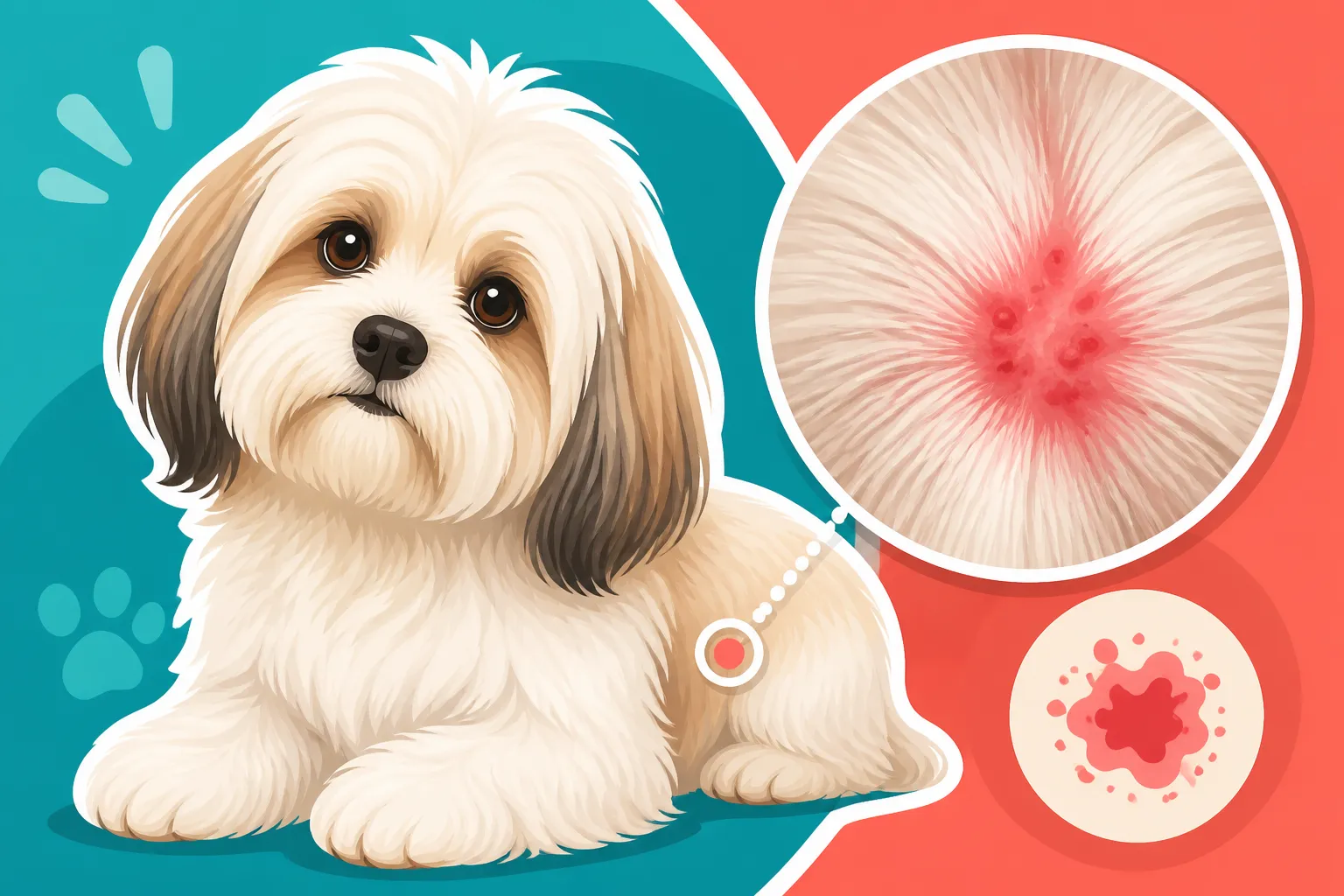
Whether a Havanese Gets Hot Spots Under Its Coat
It’s truly disheartening to notice a matted, raw patch of skin hidden beneath your beloved Havanese's beautiful, flowing coat. Hot spots, those angry, inflamed lesions, seem to appear out of nowhere, causing intense discomfort for our furry friends and major worry for us. This guide is here to walk you through everything you need to know about these frustrating skin conditions, from why your Havanese might be prone to them, to effective treatment, and most importantly, how to prevent them from cropping up in the first place.
Understanding Hot Spots in Havanese
Hot spots, medically known as acute moist dermatitis, are a nightmare for any Havanese owner. One day your pup is fine, the next they're scratching or licking incessantly at a spot that quickly turns red, oozy, and quite painful. It’s a vicious cycle that can escalate rapidly, leaving you feeling helpless.
What Exactly Is a Hot Spot?
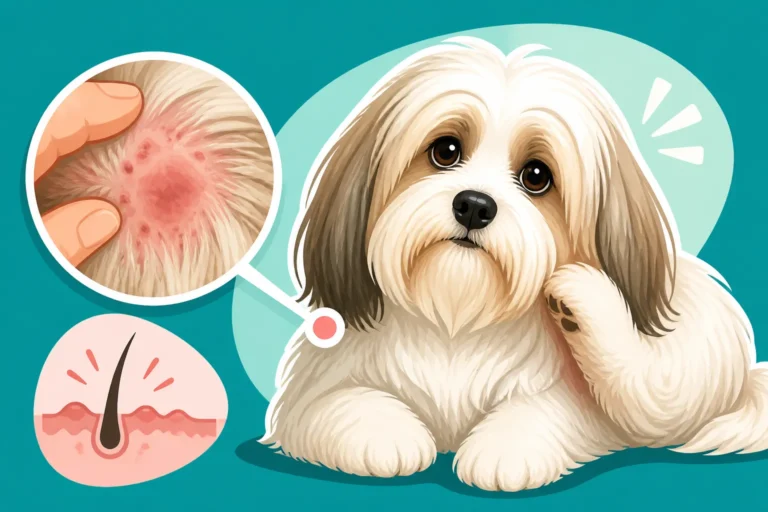
Imagine a small scratch or an insect bite. For most dogs, it's a minor irritation. But for a Havanese, with their dense, luxurious double coat, that tiny irritation can quickly spiral out of control. A hot spot isn't a primary disease itself; rather, it's a secondary skin infection that explodes when bacteria, often Staphylococcus, takes advantage of a compromised skin barrier. The dog scratches, licks, or chews at an itch, breaking the skin. Then, because the Havanese coat traps moisture and warmth against the skin, a perfect breeding ground for bacteria is created. The self-trauma from licking and scratching exacerbates the inflammation, causing the lesion to spread rapidly, often in a matter of hours. The area becomes hot to the touch, painful, and often exudes pus or serum, matting the surrounding fur. It's a localized infection that can grow surprisingly large, surprisingly fast, and it’s always distressing to witness.
Why Havanese Are Particularly Prone
Our Havanese companions are known for their stunning, abundant coats, which are truly a hallmark of the breed. However, this very feature, while beautiful, is also a significant factor in their susceptibility to hot spots. The dense, silky double coat, if not meticulously maintained, can easily trap moisture from baths, humidity, or even just a damp patch of grass after a morning dew. This trapped moisture, combined with the natural warmth of their body, creates an ideal, humid environment for bacteria to thrive. Think of it like a miniature greenhouse right on their skin. Furthermore, their hair is so fine and long that matting can occur quickly, especially in areas of friction like behind the ears, armpits, or around the tail. These mats can pull on the skin, creating micro-abrasions, and even hide tiny skin irritations that would otherwise be easily noticed on a shorter-coated breed. The air circulation to the skin is also naturally reduced by such a thick coat, impeding the skin's ability to dry out and breathe. It's a constant battle against moisture and hidden irritants that many Havanese owners know all too well.
Common Triggers for Hot Spot Development
It’s often a combination of factors that sets the stage for a hot spot. It’s rarely just one thing, which is why prevention can sometimes feel like whack-a-mole! One of the most common culprits is allergies. Just like people, Havanese can suffer from environmental allergies (pollen, dust mites), flea allergies, or even food allergies. When an allergen triggers an itchy reaction, your Havanese will naturally scratch, chew, or lick to relieve the discomfort, directly initiating the hot spot cycle. If you've ever noticed your Havanese experiencing general itchiness, this can often be a precursor to a hot spot. Check out our detailed guide on whether a Havanese gets itchy skin for more insights into this issue.
Another major trigger is parasites, especially fleas and mites. Even a single flea bite can be enough to set off an intense allergic reaction in a sensitive Havanese, leading to relentless scratching. Similarly, mites, though often microscopic, can cause severe irritation. Don't assume your Havanese is parasite-free just because you don't see anything; regular preventative treatment is key.
Poor grooming practices also play a huge role. Infrequent brushing allows mats to form, which can pull at the skin, trap dirt and moisture, and create areas ripe for infection. Similarly, incomplete drying after a bath or a swim can leave their dense undercoat damp for hours, inviting bacterial growth. If you’re struggling with proper grooming, you might find our article on why a Havanese mats at eight months and not before incredibly helpful.
Lastly, irritants and injuries can spark a hot spot. This includes anything from a minor cut, a bug bite (think mosquitoes, ticks, or even ants), contact dermatitis from certain plants or chemicals, or even ear infections that cause your Havanese to scratch excessively around their ears. A particularly bothersome ear infection can lead to a hot spot directly behind the ear, so addressing issues like whether a Havanese gets yeast in its ears is crucial for overall skin health. Even simple boredom or stress can lead to excessive licking as a self-soothing behavior, which can then irritate the skin enough to start a hot spot.
Recognizing and Responding to Hot Spots
Catching a hot spot early is your best defense. The faster you act, the less it spreads and the less painful it is for your furry companion. It's tough because their beautiful coat can hide so much!
Visible Signs and Early Detection
Because a Havanese's coat is so thick, hot spots often go unnoticed until they're quite advanced. However, there are subtle clues if you know what to look for. The most obvious sign is excessive licking, chewing, or scratching at a specific area. Your Havanese might suddenly become obsessed with their hip, thigh, side, or behind an ear. You might notice them doing this more often than usual, perhaps even in their sleep. They may vocalize discomfort when you try to touch the area, indicating pain.
If you part the fur, you’ll typically find a circular or irregularly shaped patch of red, inflamed skin. The area will often feel warm or hot to the touch, which is where the "hot" in hot spot comes from. There might be matted hair around the lesion due to the sticky, serous fluid or pus oozing from the raw skin. This fluid often dries and forms crusts, making the area even more uncomfortable. The hair loss might not be obvious at first, but as the lesion progresses, the fur in the affected area will often fall out or be licked away, revealing the raw, angry skin beneath. The size can range from a dime to several inches in diameter. Regular, thorough grooming sessions, as discussed in our article on how often a Havanese must be brushed , are the perfect opportunity to inspect your Havanese's skin for any abnormalities before they become full-blown hot spots.
Initial First Aid at Home
Once you spot a hot spot, your immediate goal is to stop the self-trauma and dry out the lesion. This is where your inner calm and a good pair of clippers come in handy.
- Gently Clip the Area: This is probably the most crucial first step. You must carefully trim away the fur around and beyond the hot spot. Use electric clippers (a #10 or #15 blade works well) and be incredibly gentle, as the skin is very tender. You need to create a wide margin of clipped skin around the lesion to allow air circulation and to prevent trapped moisture. This also lets you properly assess the size and severity and apply topical treatments effectively. Trying to treat a hot spot hidden under long fur is like trying to put out a fire with a blanket — it just smothers it without truly addressing the problem. Many Havanese owners opt for a shorter clip on their dogs, especially in summer, which can make these areas easier to spot and manage. Consider whether a Havanese should be clipped for summer for more insights.
- Cleanse the Area: Once clipped, gently clean the hot spot with a mild, antiseptic solution. A chlorhexidine-based wipe or spray (available at pet stores or your vet's office) is excellent for this. Diluted povidone-iodine (Betadine, diluted to a weak tea color) can also work. Avoid harsh rubbing; just gently dab to remove any crusts, pus, or debris. The goal is to clean without further irritating the raw skin. Pat the area dry with a clean cloth.
- Apply a Topical Treatment (Carefully): Your vet might recommend an over-the-counter drying agent or a mild antibiotic cream if it’s a small, very early hot spot. Products containing hydrocortisone can reduce inflammation and itchiness. However, be cautious: some topical products can worsen the problem if the infection is deep, and many dogs will just lick off whatever you apply. An Elizabethan collar (e-collar, "cone of shame") or a recovery suit is often essential to prevent your Havanese from licking the treatment off and continuing to irritate the area.
- Prevent Further Licking: This cannot be stressed enough. If your Havanese continues to lick, scratch, or chew, the hot spot will not heal. An e-collar is often non-negotiable for a few days, especially overnight. While they may look miserable, it’s for their own good and speeds up recovery immensely.
Remember, these are initial first aid steps. Hot spots can quickly become serious, and veterinary intervention is often necessary.
When to Seek Veterinary Care
While home first aid can be a great initial response, it's crucial to know when to call in the professionals. Don't hesitate if:
- The hot spot is large or rapidly growing: If it's bigger than a quarter or expands significantly within a few hours, it's time for the vet.
- The hot spot is extremely painful or deep: If your Havanese is yelping or snapping when you try to clean it, or if the skin looks deeply eroded or ulcerated, a vet visit is in order.
- There are multiple hot spots: Several lesions might indicate a more widespread underlying issue that needs veterinary diagnosis.
- Home treatment isn't working after 24-48 hours: If the area isn't drying out, the redness isn't subsiding, or your dog is still intensely licking despite an e-collar, get to the vet.
- Your Havanese seems generally unwell: If they are lethargic, have a fever, or aren't eating, these are signs of a more severe infection that requires immediate attention.
Your veterinarian can properly diagnose the extent of the infection, often prescribing oral antibiotics, anti-inflammatory medications (like steroids), or stronger medicated topical sprays. They might also investigate the underlying cause, such as fleas, allergies, or other irritants, to prevent future occurrences. Sometimes a systemic approach with medication is the only way to truly stop the infection from spreading, especially under such a dense coat. Pet insurance providers like Healthy Paws can be invaluable in helping to manage these unexpected vet costs, ensuring you can provide the best care without financial strain.
Prevention Strategies for Havanese Hot Spots
Prevention is truly the name of the game when it comes to hot spots in Havanese. It’s about being proactive and consistent, addressing their unique coat and potential sensitivities.
Meticulous Grooming and Coat Maintenance
This is arguably the most important line of defense against hot spots in Havanese. Their glorious coats are a responsibility, not just a beauty feature.
- Regular Brushing: You need to brush your Havanese daily, or at least every other day, to prevent mats and tangles. Mats create an environment where moisture and bacteria can thrive unseen. Use a good quality pin brush and a metal comb to ensure you're getting all the way down to the skin. Line brushing is a technique where you part the hair and brush small sections at a time, making sure no knots are left behind. Our guide on the silky double coat a Havanese grows to the floor stresses just how vital this routine is.
- Professional Grooming: Even if you're diligent at home, regular professional grooming is highly recommended, ideally every 4-6 weeks. A skilled groomer can give your Havanese a thorough bath and dry, check for any skin issues, and clip problem areas like paws, sanitary areas, and armpits. Many Havanese owners opt for a shorter "puppy cut" to make daily maintenance easier and reduce the risk of matting and hot spots. This topic is deeply explored in the puppy cut most Havanese owners end up choosing .
- Proper Bathing and Drying: When bathing your Havanese at home, use a gentle, pH-balanced shampoo designed for dogs. Rinse thoroughly to ensure no shampoo residue is left behind, as this can irritate the skin. The most critical step is drying. Their dense undercoat can hold moisture for hours. Use a force dryer if possible, or a cool-setting hairdryer, ensuring every layer of their coat and the skin beneath is completely dry. Pay extra attention to the base of the tail, armpits, and behind the ears. This thorough drying is a non-negotiable step to prevent that warm, moist environment hot spots love. For more tips on this, refer to how often a Havanese should be bathed .
- Sanitary Trims: Keeping the hair around their private areas and paw pads trimmed short is essential. This prevents urine or feces from clinging to the fur, which can lead to irritation and infection. It also keeps their paws cleaner and reduces the likelihood of them tracking in allergens or irritants.
Addressing Underlying Allergies and Irritants
Since allergies are a huge trigger, taking steps to manage them can significantly reduce hot spot occurrences.
- Flea Prevention: This is non-negotiable, even if you don't see fleas. Use a veterinarian-recommended flea and tick preventative year-round. Products like Bravecto, NexGard, or Simparica are highly effective oral medications that can prevent fleas from ever biting your Havanese, thus eliminating a major hot spot trigger. Remember, some Havanese are extremely sensitive, and one bite is all it takes.
- Environmental Allergy Management: If your Havanese seems to suffer from seasonal itching, it might be environmental allergies. Discuss this with your vet. They might suggest antihistamines, allergy shots (immunotherapy), or other medications like Apoquel or Cytopoint to manage the itch. Keeping your home clean, using air purifiers, and wiping down your Havanese's paws after walks can help reduce exposure to outdoor allergens.
- Food Allergy Consideration: Food allergies can also manifest as skin issues. If environmental measures don't help, your vet might recommend an elimination diet to identify potential food triggers. This involves feeding a novel protein or hydrolyzed protein diet for several weeks to see if skin symptoms improve. It’s a commitment but can be life-changing for dogs with food sensitivities. Our article on whether a Havanese reacts to its food delves deeper into this often-complex topic.
- Identifying Contact Irritants: Pay attention to where your Havanese spends time. Are there certain plants in your yard they rub against? Are you using harsh cleaning products on your floors? Sometimes a simple change in laundry detergent for their bedding or switching to a hypoallergenic shampoo can make a world of difference.
Environmental Management and Lifestyle Tips
Beyond grooming and direct allergy management, your Havanese’s daily environment and routine play a part in preventing hot spots.
- Humidity Control: In very humid climates, consider running a dehumidifier in the areas your Havanese spends most of their time. Reducing ambient moisture can help keep their skin and coat drier.
- Cooling in Warm Weather: Havanese, with their thick coats, can get quite warm. Ensure they have access to cool, shady spots, especially during summer. Overheating can lead to increased licking and discomfort. While their coat provides some insulation, in extreme heat, a shorter clip might be beneficial.
- Mental Stimulation: Sometimes, excessive licking can stem from boredom or anxiety. Ensure your Havanese gets enough mental enrichment through puzzle toys, training sessions (check out our guide on teaching a Havanese tricks it will perform all day ), and interactive play. A tired dog is less likely to engage in compulsive licking.
- Regular Exercise: While Havanese don't need miles of running, consistent daily walks and playtime are important for their overall well-being. A healthy, active Havanese is generally a happier Havanese, and less prone to stress-induced behaviors like incessant licking. Our guide on what a Havanese needs every day covers a holistic approach to their daily care.
Long-Term Management and Recurrence Prevention
Living with a Havanese means being vigilant about their skin health, but it doesn't have to be a constant battle. By implementing a comprehensive long-term strategy, you can drastically reduce the chances of hot spots becoming a recurring problem.
Dietary Considerations for Skin Health
Nutrition plays a profound role in the health of your Havanese's skin and coat. A high-quality diet provides the building blocks for strong skin and a healthy immune system, making them less susceptible to inflammatory conditions.
- Balanced, High-Quality Food: Start with a premium dog food that lists a quality meat source as the first ingredient. Avoid foods with excessive fillers, artificial colors, or preservatives, as these can sometimes trigger sensitivities in susceptible dogs. Look for foods that are specifically formulated for small breeds, as they often contain appropriate nutrient ratios and kibble sizes.
- Omega-3 Fatty Acids: These are superstar nutrients for skin health. Omega-3s, typically from fish oil (like salmon or sardine oil), have powerful anti-inflammatory properties that can help reduce general itchiness and improve the skin barrier function. This can make your Havanese less reactive to irritants and more resilient against hot spot development. Many high-quality dog foods include omega-3s, but your vet might recommend a supplement if your Havanese has chronic skin issues.
- Probiotics and Gut Health: A healthy gut often translates to healthy skin. Incorporating probiotics, either through supplements or fermented foods, can support a balanced gut microbiome, which in turn can bolster the immune system and reduce inflammatory responses that contribute to skin problems.
- Hydration: Always ensure your Havanese has access to fresh, clean water. Good hydration is essential for overall health, including skin elasticity and function.
The Role of Supplements and Medicated Products
Sometimes, diet alone isn't enough, and specific supplements or medicated products can provide an extra layer of protection.
- Skin and Coat Supplements: Beyond omega-3s, there are various supplements designed to support skin health. These often contain a blend of vitamins (like Vitamin E), minerals (zinc), and other fatty acids that contribute to a strong skin barrier. Always consult your veterinarian before adding any new supplements to your Havanese's routine, as too much of a good thing can sometimes be harmful.
- Medicated Shampoos and Sprays: If your Havanese has a history of hot spots or sensitive skin, your vet might recommend using a medicated shampoo, perhaps one containing chlorhexidine or benzoyl peroxide, for routine bathing. These can help keep the bacterial load on the skin in check. Similarly, specific topical sprays can be used proactively on areas prone to irritation, especially after a swim or in humid weather, to help keep the skin dry and healthy.
- Antihistamines (Vet-Approved): For Havanese with known environmental allergies that cause itching, your vet might suggest an appropriate antihistamine. While not a cure, they can help manage the itch response, breaking the cycle before a hot spot can form. Always use pet-specific formulations and dosages recommended by your vet, as human medications can be toxic to dogs.
- Wipes for Quick Clean-ups: Keeping pet-safe antiseptic wipes on hand for quick clean-ups after walks, especially on paws and around the mouth area, can help remove allergens and dirt before they cause irritation. This is particularly useful for preventing skin trouble under a Havanese coat .
Regular Health Checks and Proactive Care
A watchful eye and regular veterinary visits are critical components of long-term hot spot prevention.
- Routine Vet Visits: Regular check-ups allow your veterinarian to catch subtle signs of skin issues or underlying health problems before they escalate. They can also offer tailored advice based on your Havanese's individual needs and history. This is also a good opportunity to ask your vet about any lumps worth checking on a Havanese , ensuring you're addressing all potential health concerns.
- Seasonal Vigilance: Be extra vigilant during seasons when allergies or humidity are high. In spring and summer, environmental allergens are rampant, and the heat can make a Havanese's coat feel even denser. In fall, changing humidity and dying plant matter can also trigger issues. Adjust your grooming routine and outdoor activities accordingly.
- Monitor for Other Health Issues: Sometimes, a hot spot can be a symptom of a larger problem, such as hypothyroidism or even stress. If your Havanese is experiencing recurrent hot spots, your vet might recommend blood tests or other diagnostics to rule out systemic illnesses. Conditions like skin trouble under a Havanese coat can often be a clue to deeper health concerns.
- Invest in Pet Insurance: Unexpected health issues can be costly, and recurrent hot spots requiring vet visits, medications, and specialized treatments can add up. Pet insurance, like that offered by Healthy Paws, can provide peace of mind and help cover these expenses, ensuring you never have to compromise on your Havanese's care due to financial concerns. This allows you to proactively address any health issues without hesitation.
| Prevention Category | Key Actions for Havanese Owners | Why It Helps Prevent Hot Spots |
|---|---|---|
| Grooming & Coat Care | Daily brushing, professional grooming (4-6 weeks), thorough drying after baths/swims. | Prevents mats, improves air circulation, removes irritants, eliminates moist environments for bacteria. |
| Allergy & Parasite Control | Year-round flea/tick prevention, vet-managed environmental allergy treatment, food trials. | Eliminates primary itch triggers that lead to self-trauma and infection. |
| Dietary Support | High-quality dog food, Omega-3 fatty acids, probiotics. | Strengthens skin barrier, reduces inflammation, supports overall immune health. |
| Environmental Management | Humidity control, cooling in warm weather, regular exercise, mental stimulation. | Reduces moisture on skin, prevents overheating, minimizes stress-related licking. |
| Proactive Health Checks | Routine vet visits, seasonal vigilance, monitor for underlying health issues, pet insurance. | Early detection and treatment of issues, provides financial safety net for comprehensive care. |
By being attentive to your Havanese's specific needs, maintaining their beautiful coat, and working closely with your veterinarian, you can significantly reduce the likelihood of those frustrating hot spots appearing. It's all about consistency, care, and a little bit of proactive planning!
Disclaimer
The information provided in this article is for general informational purposes only and is not intended as a substitute for professional veterinary advice. Always consult with a qualified veterinarian for any health concerns or before making any decisions related to your pet's health and treatment.