Knowing When an Old Havanese Has Had Enough
It’s one of the hardest parts of sharing your life with a beloved Havanese: facing their senior years and eventually, their final chapter. Knowing when an old Havanese has had enough isn't a simple question with an easy answer, and the guilt, fear, and uncertainty that come with this decision can be truly overwhelming. This comprehensive guide aims to help you navigate this incredibly emotional journey, offering practical insights and compassionate advice for assessing your senior Havanese’s quality of life.
Spotting the Early Warning Signs Your Havanese is Slowing Down
Watching your once-spunky, playful Havanese begin to slow down is a bittersweet experience. We all want our furry companions to live forever, full of zest and mischief, but age eventually catches up with even the most vibrant of pups. The key is to notice these changes early, not to panic, but to understand what’s happening and how you can support them. It’s a transition, not an immediate crisis, and recognizing the subtle shifts will help you provide the best possible care.
Subtle Changes in Behavior and Energy Levels
You know your Havanese better than anyone. You've seen their zoomies, their specific way of greeting you at the door, their preferred spot for a nap, and their insistence on bringing you a toy when they want attention. When these familiar patterns start to waver, pay close attention. Often, the earliest signs of aging aren't dramatic medical emergencies, but rather a gentle fading of their usual vibrancy.
Perhaps your Havanese isn't as excited for that morning walk as they once were, or maybe they just can't keep up with the younger dogs at the park. They might start spending more time napping in their bed rather than following you from room to room. A decrease in enthusiasm for playtime, a favorite toy, or even mealtime can be a subtle indicator. You might find them less inclined to engage in their usual antics, preferring quiet companionship over active play. Sometimes, they might even seem a bit more withdrawn, less interested in cuddles, or conversely, clingier than usual. These emotional and energy shifts are important. We cover more about these natural age-related shifts in The Signs a Havanese Is Getting Old. As your Havanese crosses the threshold into its golden years, typically around the age of eight or nine, you might notice these subtle changes beginning. To learn more about this stage, you can refer to The Age a Havanese Counts as Senior.
Physical Indicators of Discomfort or Illness
Beyond the behavioral changes, there will inevitably be physical signs that your Havanese is aging. These are often the more concrete indicators that something might be amiss, or that they are experiencing discomfort. Keep a watchful eye for things like a stiff gait, reluctance to jump onto the couch, or difficulty navigating stairs. Many senior Havanese develop arthritis, leading to pain and reduced mobility. You might notice them limping after a walk, or struggling to get up after lying down for a while. If you've got an older Havanese, chances are you're already familiar with the possibility of Arthritis in a Havanese at Twelve. To make their life more comfortable, consider providing supportive bedding, like those discussed in Beds That Suit an Arthritic Havanese.
Changes in appetite or thirst are also critical red flags. A sudden refusal to eat, or a significant increase in water intake, warrants a vet visit. Weight loss, despite eating normally, could indicate an underlying issue, as could unexplained weight gain. Increased panting, even when not exerting themselves, or a persistent cough, might suggest heart problems, which are not uncommon in older small breeds. You can read more about this in The Heart Murmur an Older Havanese Develops. Incontinence, whether it's small leaks or full accidents indoors, is another sign that needs addressing, both for your dog's dignity and your home's cleanliness. Don't forget their dental health; senior dogs are prone to significant dental disease, which can cause pain and affect their overall health.
Cognitive and Sensory Decline
Just like humans, Havanese can experience cognitive decline as they age. This might manifest as disorientation, where they seem confused about where they are even in a familiar home. They might stare blankly at walls, get stuck in corners, or struggle to find the door to go outside. Changes in their sleep-wake cycle are also common; they might pace restlessly at night and sleep more during the day, disrupting your own sleep patterns.
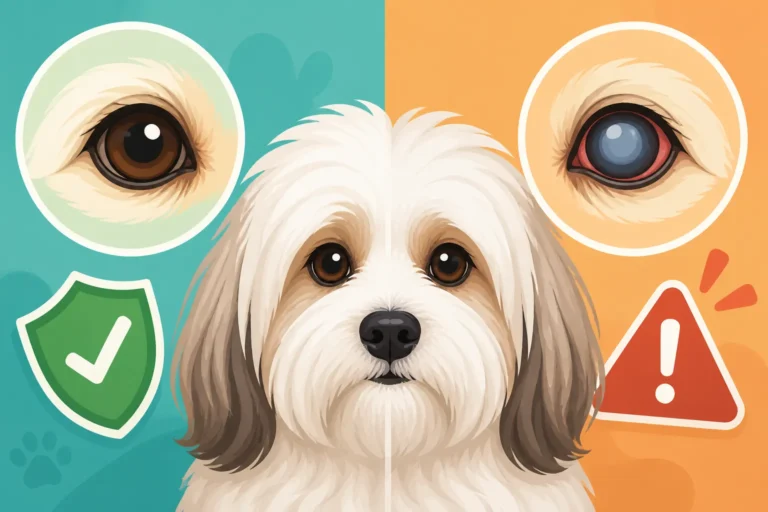
One of the most heartbreaking aspects of this decline is when they start to not recognize familiar family members, or they seem confused by new situations. This can make you wonder, Whether an Old Havanese Gets Confused. Additionally, their senses can dull. You might notice they don't respond to their name as readily, indicating hearing loss. Their vision might also decline, causing them to bump into furniture or become more hesitant in unfamiliar environments. It's common for older Havanese to experience some degree of visual impairment, and understanding Whether an Old Havanese Goes Blind can help you adapt your home to keep them safe and comfortable. These sensory and cognitive changes require patience and understanding, as your Havanese navigates a world that's becoming increasingly unfamiliar to them.
Assessing Your Havanese's Quality of Life: More Than Just Physical Health
Once you've started noticing these changes, the next crucial step is to objectively assess your Havanese's overall quality of life. This isn't just about whether they are physically sick; it's about their happiness, their comfort, and their ability to engage with the world in a way that brings them joy. It’s a deeply personal evaluation, and one that requires you to put their needs first, even when it’s incredibly painful for you.
The "Good Days vs. Bad Days" Ratio
One of the most compassionate ways to assess your Havanese's quality of life is by tracking their "good days" versus "bad days." This isn’t a scientific measure, but it's an invaluable tool for understanding their current state. Take a moment each day, or even several times a day, to observe. What constitutes a "good" day for your Havanese? It might be enjoying their breakfast, having a short, comfortable sniff-walk in the yard, asking for a cuddle, or showing a flicker of their old playful self with a favorite toy.
A "bad" day, conversely, might involve noticeable pain despite medication, refusal to eat or drink, significant lethargy, continuous panting, or just a general sense of unease or withdrawal. Some people find it helpful to keep a simple journal or mark a calendar with a plus or minus for each day. If the bad days start to consistently outnumber the good ones, or if the good days become fewer and farther between, it’s a strong indicator that their quality of life is significantly diminished. This ratio can provide some much-needed objectivity when your emotions are running high.
Assessing Basic Needs and Joy
Beyond the good-to-bad ratio, consider the fundamental aspects of your Havanese's life. Can they still perform basic functions without significant pain or distress? Are they able to eat and drink comfortably, without choking or showing severe nausea? Can they relieve themselves without struggling, or are they experiencing frequent, uncomfortable accidents? Their dignity in these basic acts is important.
More importantly, do they still experience joy? Does your Havanese still light up when you come home, even if it's a slower greeting? Do they still show interest in things they once loved, like a game of fetch (even a modified one), a car ride, or simply curling up next to you for a quiet evening? If your Havanese, who once adored chasing a ball, now ignores it completely, or if they no longer greet you with their characteristic tail wag, it's worth noting. While Whether an Old Havanese Still Wants to Play is a common question, a complete lack of interest in any form of engagement can be a troubling sign.
Pain management is crucial here. Are they on medication that effectively controls their discomfort, or are the side effects (like excessive sedation or gastrointestinal upset) worse than the pain itself? Sometimes, despite our best efforts, the physical toll of chronic conditions becomes too much to manage without significant compromise to their happiness. Managing the costs associated with ongoing palliative care can also be a concern for many owners. Having pet insurance, like Healthy Paws, can alleviate some of this financial stress by helping to cover eligible veterinary expenses, allowing you to prioritize your Havanese's comfort and care without undue financial burden.
Consulting Your Veterinarian
Your veterinarian is your most important ally in this difficult time. They can offer an objective assessment of your Havanese’s physical condition and prognosis. Be open and honest about what you're observing at home, as you spend far more time with your dog than they do. Don't be afraid to ask direct questions: "Is my Havanese in pain?" "Are we truly managing their discomfort effectively?" "What is the likelihood of improvement with further treatment?"
Veterinarians often use quality of life scales or questionnaires that can help you evaluate various aspects of your dog’s well-being systematically. They can also discuss palliative care options, which focus on comfort rather than cure, and help you understand when these options may no longer be sufficient. For example, if your Havanese has been diagnosed with a serious condition, understanding What Actually Kills Most Havanese can sometimes provide clarity on the natural progression of their illness. It’s a conversation that can feel incredibly heavy, but your vet can provide medical context and support, helping you see the situation more clearly. They understand the bond you share and want what's best for your beloved Havanese, even if that means making an agonizing decision.
Here is a helpful Quality of Life Checklist you can use with your veterinarian:
| Criteria | 0 (Poor) | 1 (Fair) | 2 (Good) |
|---|---|---|---|
| Pain | Constant, unmanageable | Present but managed with medication | Minimal to none, easily managed |
| Appetite | Refuses food, severely underweight | Picky, eats sporadically, losing weight | Eats well, maintains healthy weight |
| Hydration | Dehydrated, reluctant to drink | Drinks some, can be reluctant | Drinks normally, well-hydrated |
| Hygiene | Frequent incontinence, severe matting | Occasional accidents, some self-care | Clean, continent, maintains self-care |
| Happiness/Joy | No interest in surroundings/interaction | Some moments of joy, often withdrawn | Engages, shows interest, enjoys life |
| Mobility | Cannot stand/walk, severe weakness | Struggles, needs assistance | Moves comfortably, enjoys short walks |
| Good Days | Bad days far outweigh good days | Equal good and bad days | Good days far outweigh bad days |
Score interpretation (as a general guide):
- 0-5: Severe decline, poor quality of life.
- 6-10: Compromised quality of life, further intervention or difficult decisions may be needed.
- 11-14: Acceptable to good quality of life, continue monitoring and supportive care.
Navigating the Difficult Conversation with Your Vet and Family
The moment you realize that your Havanese might be nearing the end of their journey is devastating. It's a conversation you dread, both with your vet and potentially with family members, especially if everyone holds a different perspective or is at a different stage of acceptance. It’s vital to approach these discussions with honesty, empathy, and a clear focus on your Havanese's well-being.
The Weight of the Decision
Making the choice to say goodbye to your Havanese is arguably one of the most agonizing decisions a pet owner will ever face. The immense weight of this responsibility can lead to profound guilt, second-guessing, and emotional turmoil. You might replay scenarios in your head, wondering if you've done absolutely everything, if there's one more treatment, one more medication, one more specialist. This internal struggle is completely normal and a testament to the deep love you have for your companion.
It's crucial to remember that deciding to end suffering is an act of profound love and compassion. It’s not giving up; it’s recognizing that you are the only one who can make this ultimate sacrifice to spare them further pain or distress when all other avenues have been exhausted. No one wants to make this choice too soon, but waiting too long can prolong suffering. Trust your gut feelings, trust your vet’s advice, and know that you are making the most loving decision you can under incredibly difficult circumstances. Remember, you have been Caring for a Havanese Past Twelve years, and this final act of care is the hardest, but most important, one.
Planning for Their Peaceful Passage
Once the decision has been made, the next step is to plan for a peaceful and dignified passage for your Havanese. Discuss with your veterinarian the options available. Many vets offer at-home euthanasia services, which can provide a calm, familiar environment for your Havanese's final moments, away from the stress of a clinic. This allows them to be surrounded by their loved ones, perhaps in their favorite bed or spot in the garden.
Consider who should be present. Do you want the whole family there, or just a few key individuals? If you have other pets, especially other Havanese, you might want to consider allowing them to be present before and/or after to understand what has happened, which can help with their own grieving process. Ensure you understand the process itself: what will happen, how long it will take, and what to expect. Knowing these details in advance can help ease some of the anxiety on the day. This preparation, while painful, ensures that your Havanese’s last moments are as comfortable and serene as possible. It's a final gift of peace.
Grieving and Honoring Their Memory
The grief that follows the loss of a Havanese can be as intense and profound as losing a human family member. Do not minimize your feelings or allow others to do so. Your Havanese was a cherished part of your life, a constant source of joy and companionship, and their absence leaves a huge void. Allow yourself to grieve fully and without shame.
There are many ways to honor their memory and cope with the loss. Consider creating a memorial: a special photo album, a paw print, a piece of custom jewelry, or planting a tree in their honor. Some people find solace in writing letters to their departed Havanese or sharing stories with friends and family who understand. If you're struggling intensely, please know that pet loss support groups and counseling services are available. Organizations like the Association for Pet Loss and Bereavement offer resources and online communities where you can connect with others who understand your pain. Remembering the happy times, the silly antics, and the unconditional love your Havanese brought into your life can eventually help heal the deepest wounds.
Caring for an Old Havanese: Practical Considerations
Before you reach the heartbreaking point of having to make final decisions, there are many practical ways to enhance the quality of life for your senior Havanese. These considerations focus on comfort, safety, and adapting their environment to meet their changing needs, ensuring their golden years are as enjoyable as possible.
Adapting the Home Environment for Comfort and Safety
As your Havanese ages, their physical capabilities will naturally diminish. They might struggle with stairs, slip on hard floors, or have difficulty getting onto their favorite furniture. It's time to become their personal accessibility expert! Consider placing ramps or steps next to beds and sofas so they can still enjoy their preferred cuddle spots without risking injury. Even though Whether Jumping Off the Bed Hurts a Havanese is a concern for younger dogs, it becomes even more critical for seniors. Non-slip rugs or runners on hard flooring can prevent dangerous slips and falls, especially if they are experiencing weakness or arthritis.
Elevated food and water bowls can make eating and drinking more comfortable, reducing strain on their neck and joints. If their vision is fading, avoid rearranging furniture frequently to prevent disorientation. Keep pathways clear and consider nightlights for nighttime navigation. A comfortable, orthopedic bed, like the ones discussed in Beds That Suit an Arthritic Havanese, is essential to support their aging joints and provide restful sleep. These small adjustments can make a world of difference in their daily comfort and confidence.
Nutritional Needs and Dietary Adjustments for Seniors
Just like with people, a Havanese's nutritional needs change as they age. They often become less active, which means they might require fewer calories to maintain a healthy weight. However, some senior dogs might actually struggle to maintain weight due to underlying health issues or decreased appetite. High-quality senior dog food formulas are often designed with lower calorie content, increased fiber for digestive health, and added joint-supporting supplements like glucosamine and chondroitin.
If your Havanese is becoming a picky eater or experiencing dental issues, wet food or a softened kibble might be more appealing and easier to chew. For more specific guidance on this, check out Feeding an Old Havanese That Has Slowed. Always ensure they have access to fresh water. If they are drinking significantly more or less than usual, consult your vet, as this can be a sign of kidney disease or diabetes. Monitoring their weight regularly is crucial to catch any concerning trends early. Supplements like omega-3 fatty acids can also benefit their coat, skin, and joint health, but always discuss these with your vet before introducing them.
Maintaining Grooming and Hygiene
Grooming might become more challenging for an older Havanese, but it remains incredibly important for their comfort and health. Their coat, which may have once been a breeze, can become more prone to matting if they're not moving as much or if their skin oils change. Gentle daily brushing, as detailed in Whether an Old Havanese Still Needs Daily Brushing, can prevent painful mats and also serves as a bonding experience. If brushing becomes too difficult, consider a shorter "puppy cut" to make maintenance easier for both of you, a topic explored in Whether an Old Havanese Should Be Kept Clipped.
Keep their nails trimmed short to prevent discomfort and aid in better traction. Regular bathing with a mild, moisturizing shampoo can help with dry or sensitive skin. Pay close attention to their ears and eyes, cleaning them gently as needed. If they are prone to tear staining, maintaining cleanliness around their eyes is even more important. Senior Havanese might also struggle with bladder or bowel control, so a clean sanitary trim and prompt clean-up of accidents are vital for their dignity and to prevent skin infections. Regular vet check-ups will help you stay on top of any potential health issues that can be managed, such as Whether a Havanese Gets Hypothyroidism or other age-related conditions.
Final Thoughts on a Havanese's End-of-Life Journey
The journey with a Havanese, from their bouncy puppyhood to their dignified senior years, is filled with immeasurable love and joy. Witnessing their decline and making the ultimate decision about their end-of-life care is undeniably the most profound challenge a pet parent faces. It's a time fraught with emotion, guilt, and deep sadness. But remember, this difficult choice, when made with compassion and their well-being at its heart, is the final, most loving gift you can give your cherished companion. You are their advocate, their protector, and the one who must ensure their last moments are peaceful and free from suffering. Trust your instincts, lean on your veterinarian for support, and know that your love guided them every step of the way, right to the very end.
Disclaimer
This article is intended for informational purposes only and does not constitute medical advice. Always consult with a qualified veterinarian for any health concerns or before making any decisions about your Havanese's care, especially concerning end-of-life options.