Whether a Havanese Coughs From Its Heart
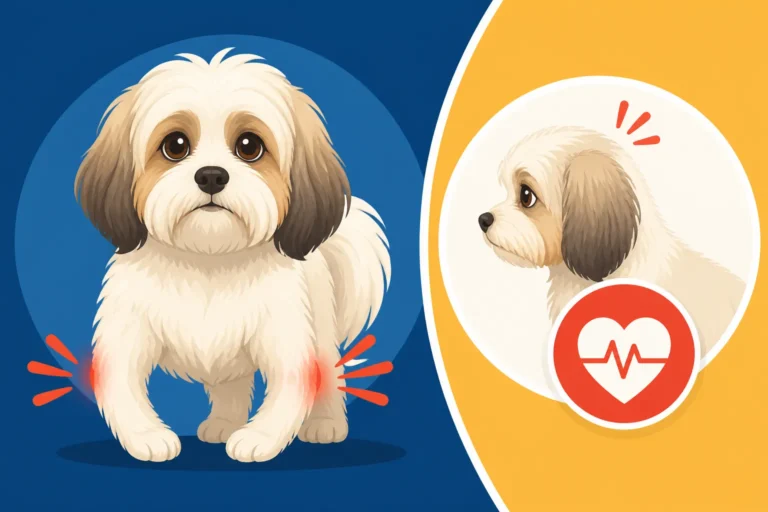
It’s truly alarming and heartbreaking to hear your beloved Havanese suddenly develop a cough, especially when it sounds persistent or unusual. As Havanese parents, we’re attuned to every little sound our furry companions make, and a cough can quickly send us down a rabbit hole of worry, wondering if it's just a simple irritation or something much more serious hiding beneath that adorable, fluffy exterior. This guide is here to walk you through understanding why a Havanese might cough from their heart, what signs to look for, and how you and your vet can navigate this challenging situation.
Understanding Canine Coughs: More Than Just a Kennel Cold
When your Havanese starts coughing, the first thought that often pops into our heads is "kennel cough," or maybe they swallowed something funny. And honestly, often, that's precisely what it is! Just like us, dogs can get irritations in their throats, minor infections, or even react to dust or allergens in the air. But as a responsible Havanese owner, it’s crucial to understand that not all coughs are created equal, and some can be a symptom of a deeper, more serious health concern, particularly involving the heart. Ignoring a persistent cough, especially in an older Havanese, could mean missing vital signs of a progressive condition.
Differentiating Cough Types: What to Listen For
Before we even consider the heart, let’s talk about the sounds themselves. The nature of the cough can offer important clues. A cough can be dry and hacking, wet and gurgly, or even sound like a goose honk.
- Dry, Hacking Cough: This is often what people associate with kennel cough (Bordetella bronchiseptica), a highly contagious respiratory infection. It can sound like your Havanese is trying to clear something from their throat, often ending in a retch or gag. While kennel cough is a common culprit, a dry cough can also be caused by irritation from smoke, allergies, or even something lodged in their throat. It might also be indicative of a collapsing trachea, a condition where the cartilage rings in the windpipe weaken and flatten, common in small breeds like our Havanese. You might notice this cough becoming worse during excitement, exercise, or when pulling on their leash.
- Wet, Gurgly Cough: If the cough sounds wet or produces phlegm, it suggests there's fluid or mucus in the lungs or airways. This kind of cough often comes with a sound that makes you think of liquid being moved around. This can be a sign of pneumonia, bronchitis, or, critically, fluid accumulation in the lungs due to heart disease. When a Havanese gets heart failure, fluid can back up into the lungs, leading to this wet, sometimes bubbly, cough.
- Soft Cough, Often at Night: This is a particularly concerning type of cough that often points directly to a cardiac issue. It might be subtle at first, perhaps just a little throat clearing while they're resting, but it tends to worsen when they lie down or at night. The reason for this nighttime increase is often gravity – when lying flat, fluid can more easily collect in the lungs, making breathing difficult and triggering a cough.
It’s worth noting that some Havanese might also reverse sneeze, which can be mistaken for a cough. A reverse sneeze is a sudden, rapid inhalation, often sounding like snorting or gagging. While alarming, it's usually benign and often caused by irritation in the nasal passages or throat. However, knowing the difference is key to accurately describing symptoms to your vet.
When a Cough Isn't Just a Cough: Red Flags
While a sporadic cough might not be an immediate cause for alarm, there are certain accompanying signs that should make you pick up the phone to your vet without delay. These are red flags that could indicate a more serious underlying condition, potentially involving the heart or other vital organs.
- Persistent or Worsening Cough: If the cough doesn't resolve within a few days or seems to be getting worse, especially if it progresses from occasional to almost constant, it warrants a professional check-up.
- Difficulty Breathing: This is perhaps the most critical red flag. If your Havanese is struggling to breathe, showing rapid shallow breaths, excessive panting without exertion, or if their gums appear bluish or purplish (cyanosis), this is an emergency. They might seem anxious, unable to settle, or stand with their elbows out trying to expand their chest.
- Lethargy and Weakness: A Havanese that’s suddenly much less active, showing reduced stamina, or appears weak and uninterested in their usual activities could be experiencing a significant health problem. Heart disease can limit their ability to get enough oxygen and nutrients to their body, leading to profound tiredness.
- Loss of Appetite or Weight Loss: Any sudden, unexplained change in eating habits or a noticeable decrease in weight should always be investigated by a vet, as it can be a sign of various illnesses, including advanced heart disease.
- Fainting or Collapsing: This is an unmistakable emergency. If your Havanese faints or collapses, even for a brief moment, it suggests a severe problem with their heart or circulatory system, where the brain isn't receiving enough blood flow.
- Swelling: Noticeable swelling in the abdomen (ascites) or limbs can indicate fluid retention, a common symptom of congestive heart failure.
- Restlessness or Inability to Lie Down: Dogs with severe heart or lung issues might find it difficult to get comfortable, especially when lying down, because it exacerbates their breathing difficulties. They might pace, constantly shift positions, or prefer to sit or stand.
If you observe any of these symptoms in conjunction with a cough, don't wait. A prompt veterinary examination could be life-saving. It’s always better to be overly cautious when it comes to your Havanese’s health.
The Heart-Lung Connection in Havanese
Our Havanese, like all dogs, have a delicate and intricate system where the heart and lungs work in perfect synchrony. The heart pumps blood to the lungs to pick up oxygen, and then sends that oxygen-rich blood out to the rest of the body. When one part of this system isn't functioning correctly, the other is inevitably affected, often manifesting as a cough.
For small breeds like the Havanese, heart conditions, particularly those that affect the valves, are unfortunately not uncommon as they age. Understanding this connection is crucial to recognizing when a cough might indeed be coming from the heart.
How Heart Issues Lead to Respiratory Symptoms
When the heart isn't pumping blood efficiently, it can cause a domino effect throughout the body, with the lungs being a primary casualty. Here's a breakdown of how heart problems can lead to that worrying cough:
- Fluid Accumulation (Pulmonary Edema): This is perhaps the most direct way heart disease causes a cough. When the left side of the heart, specifically the mitral valve, becomes weak or leaky, it struggles to pump blood effectively out to the body. This causes blood to back up into the left atrium and, consequently, into the pulmonary veins, leading to increased pressure in the tiny blood vessels of the lungs. This pressure forces fluid out of the blood vessels and into the lung tissue (pulmonary edema), making it incredibly difficult for your Havanese to breathe. The body's natural response to this irritation and fluid is to cough, trying to clear the lungs. This often results in a wet, gurgly cough.
- Enlarged Heart Pressing on Airways: Over time, a struggling heart often works harder to compensate, leading to enlargement. The heart sits right beneath the trachea (windpipe) and main bronchi (airways to the lungs). If the heart becomes significantly enlarged, particularly the left atrium due to conditions like Mitral Valve Disease, it can physically press against these airways. This constant pressure irritates the sensitive tissues of the trachea and bronchi, triggering a dry, hacking cough. This type of cough can often be confused with a collapsing trachea, but the root cause is entirely different.
- Reduced Oxygen Exchange: Even without significant fluid buildup or direct airway compression, an inefficient heart means less oxygenated blood reaches the body's tissues. This includes the respiratory muscles, which need oxygen to function optimally. A lack of oxygen can lead to rapid, shallow breathing, which might not be a cough itself, but can certainly accompany and exacerbate existing respiratory distress related to heart issues.
These mechanisms highlight why a cough isn't always just a cough. It can be a vital warning sign that your Havanese's heart is struggling to keep up with its essential work.
Common Heart Conditions in Havanese That Cause Coughing
While Havanese are generally a healthy toy breed, they are predisposed to certain heart conditions, especially as they get older. Recognizing these conditions and their potential to cause coughing is key to early intervention.
- Mitral Valve Disease (MVD): This is by far the most common heart condition in small breed dogs like the Havanese, and it's a primary reason why an older Havanese might develop a cough. MVD occurs when the mitral valve, which separates the left atrium and left ventricle, degenerates and becomes leaky. Instead of blood flowing only forward, some blood flows backward into the atrium with each heartbeat.
- Progression and Symptoms: Initially, MVD might present as a subtle The Heart Murmur an Older Havanese Develops, which a vet can detect during a routine check-up long before any outward symptoms appear. As the disease progresses, the heart works harder, leading to enlargement of the left side of the heart. This enlargement can then cause fluid to back up into the lungs, leading to pulmonary edema, or the enlarged heart itself can press on the trachea. Both scenarios result in a cough – often a soft, persistent cough that worsens at night or when resting. You might also notice exercise intolerance or lethargy. It’s why understanding Mitral Valve Disease in an Older Havanese is so important for Havanese owners.
- Dilated Cardiomyopathy (DCM): While less common in Havanese than MVD, DCM can occur. In DCM, the heart muscle becomes thin and weak, and the chambers, particularly the ventricles, enlarge. This reduces the heart's ability to pump blood effectively. Although more prevalent in larger breeds, it can affect any dog. The inefficient pumping can lead to fluid buildup in the lungs and abdomen, triggering coughing and other signs of heart failure.
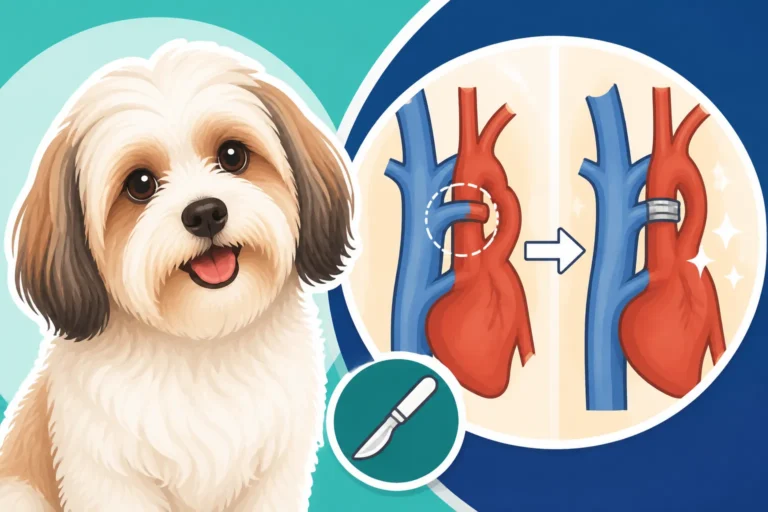
- Patent Ductus Arteriosus (PDA): This is a congenital heart defect, meaning puppies are born with it. The ductus arteriosus is a blood vessel that bypasses the lungs in the fetus. Normally, it closes shortly after birth. If it remains open (patent), it causes an abnormal blood flow, forcing the heart and lungs to work much harder. This increased workload can lead to heart enlargement and congestive heart failure early in life, causing symptoms like coughing, stunted growth, and exercise intolerance. While not typically a disease of older Havanese, it’s a critical heart condition that can manifest with coughing.
When discussing the long-term health of your Havanese, especially as they enter their The Fourteen to Sixteen Years a Havanese Lives, being aware of these heart conditions and their potential for causing a cough is paramount. Regular veterinary check-ups are your best defense, allowing your vet to detect murmurs or other early signs before they progress to severe symptoms. Many pet insurance providers, like Healthy Paws, offer coverage for chronic conditions like MVD, which can be a huge relief given the potential costs of long-term medication and diagnostics.
Diagnosing Heart-Related Coughs in Your Havanese
Discovering that your Havanese’s cough might be related to their heart can be incredibly distressing. The good news is that veterinary medicine has advanced tremendously, offering various diagnostic tools to pinpoint the exact issue. Understanding the process can help you feel more prepared and less overwhelmed during your vet visits.
The Vet Visit: What to Expect
When you bring your Havanese in for a cough, your veterinarian will start with a thorough history and physical examination. This is often the most critical part, as your observations at home provide invaluable clues.
- Detailed History: Be prepared to answer lots of questions! Your vet will want to know:
- When did the cough start?
- What does it sound like (dry, wet, hacking, soft)?
- How often does it occur?
- Does it happen more at certain times (e.g., at night, after exercise, when excited)?
- Are there any other symptoms (lethargy, changes in appetite, breathing difficulty, fainting)?
- Has your Havanese been exposed to other dogs (kennel cough risk)?
- What medications, if any, is your Havanese currently taking?
- When was your Havanese’s last heartworm test?
The more detailed information you can provide, the better. It might even be helpful to take a video of your Havanese coughing at home, as they often "forget" to cough at the vet's office!
- Physical Examination: Your vet will perform a complete physical exam. Key components will include:
- Auscultation of the Heart and Lungs: This is where your vet listens carefully to your Havanese's heart for any Whether a Havanese Develops a Heart Murmur or irregular rhythms. They'll also listen to the lungs for abnormal sounds like crackles or wheezes, which could indicate fluid or inflammation. For an older Havanese, detecting even a new or changing murmur is a significant finding.
- Palpation: Your vet will feel your Havanese's abdomen for any fluid accumulation or organ enlargement.
- Assessment of Mucous Membranes: Checking the color of your Havanese’s gums can give clues about their oxygenation and circulation.
If the vet suspects a heart problem based on the history and physical exam, they will recommend further diagnostic tests to confirm the diagnosis and determine the severity of the condition.
Diagnostic Tools: From X-rays to Echocardiograms
Once a heart-related cough is suspected, specific tests are needed to get a clear picture of what's happening inside. These tools help differentiate between respiratory causes and cardiac causes, or often, how they are intertwined.
- Chest X-rays (Radiographs): This is usually the first line of defense after the physical exam. Chest X-rays allow the vet to visualize the size and shape of the heart and lungs.
- What they reveal: An X-ray can show if the heart is enlarged, which specific chambers are affected, and if there’s fluid in the lungs (pulmonary edema) or around the lungs (pleural effusion). It can also help rule out other causes of coughing, such as lung infections, tumors, or a collapsing trachea. While a great screening tool, an X-ray can show an enlarged heart but can't tell you why it's enlarged or how well it's functioning.
- Echocardiogram (Cardiac Ultrasound): This is considered the gold standard for diagnosing heart disease in dogs. If your vet hears a significant murmur or sees an enlarged heart on an X-ray, they will likely recommend an echocardiogram.
- What it reveals: An echo is a non-invasive ultrasound of the heart that provides real-time images of the heart's structure and function. It allows a veterinary cardiologist to:
- Measure the size of each heart chamber.
- Assess the thickness and movement of the heart muscle.
- Visualize the heart valves and detect any abnormalities, such as leaky (regurgitant) mitral valves in MVD.
- Measure blood flow velocity and direction, which can indicate the severity of valve leakage or other defects.
An echocardiogram gives a precise diagnosis and helps stage the heart disease, which is crucial for determining the best treatment plan. It’s definitely a test you'll want to ask your vet about, especially if they’re suggesting Whether a Havanese Needs an Echocardiogram.
- What it reveals: An echo is a non-invasive ultrasound of the heart that provides real-time images of the heart's structure and function. It allows a veterinary cardiologist to:
- Electrocardiogram (ECG/EKG): An ECG measures the electrical activity of the heart.
- What it reveals: While not directly diagnosing valve issues or enlargement, an ECG can detect arrhythmias (irregular heartbeats) that might accompany heart disease. It helps assess the electrical health of the heart and guides certain treatment decisions.
- Blood Tests:
- NT-proBNP: This is a blood test that measures a hormone released when the heart muscle is stretched or stressed. Elevated levels can indicate significant heart disease, even before clinical signs appear, and can help differentiate between a cardiac and respiratory cause of coughing.
- Comprehensive Blood Panel: This can assess overall organ function, including kidney and liver, which is important before starting certain heart medications. It also checks for anemia or infection.
Navigating these diagnostic steps can feel daunting, both emotionally and financially. This is where having pet insurance, such as through Healthy Paws, can be incredibly beneficial, helping to cover the costs of these specialized tests and ensuring your Havanese gets the best possible diagnosis without financial strain becoming a barrier. Remember, a definitive diagnosis is the first step towards effective management and improving your Havanese's quality of life.
| Symptom Feature | Dry/Hacking Cough | Wet/Gurgly Cough | Soft, Nighttime Cough |
|---|---|---|---|
| Sound | Harsh, goose-honk, unproductive, often ends in retch | Moist, bubbling, phlegmy, productive | Subtle throat clearing, quiet, persistent |
| Timing | Often during excitement, exercise, leash pulling | Any time, but often worse after rest or lying down | Primarily at rest, especially at night or when lying down |
| Associated Signs | Gagging, difficulty breathing (sometimes) | Labored breathing, lethargy, reduced appetite, fluid in abdomen | Lethargy, exercise intolerance, fainting, pale gums |
| Possible Causes | Kennel cough, collapsing trachea, allergies, irritation | Pneumonia, bronchitis, congestive heart failure (pulmonary edema) | Early congestive heart failure (MVD), enlarged heart pressing on airways |
| Urgency | Monitor, vet if persistent or worsening | Vet visit promptly, potentially emergency | Vet visit promptly, often indicative of heart issue |
Managing a Havanese With a Heart-Related Cough
Receiving a diagnosis of heart disease for your Havanese is a lot to process. It’s natural to feel overwhelmed, but remember that many heart conditions, especially when caught early, can be effectively managed. The goal isn't necessarily a "cure," but rather to slow the progression of the disease, alleviate symptoms, and maintain a good quality of life for as long as possible.
Treatment Options: Medications and Lifestyle Adjustments
Managing heart disease in a Havanese often involves a multi-pronged approach tailored to their specific condition and its severity. Your vet, or a veterinary cardiologist, will devise a plan combining medication and crucial lifestyle adjustments.
- Medications: For conditions like Mitral Valve Disease progressing to congestive heart failure, several medications are commonly used:
- Diuretics (e.g., Furosemide): These are vital for removing excess fluid from the body, particularly from the lungs (pulmonary edema) and abdomen. By reducing fluid, diuretics help ease breathing and relieve the wet cough associated with heart failure.
- ACE Inhibitors (e.g., Enalapril, Benazepril): These medications help relax blood vessels and reduce the workload on the heart, making it easier for the heart to pump blood. They can help slow the progression of heart disease.
- Pimobendan (e.g., Vetmedin): This is a true game-changer for many dogs with heart disease. Pimobendan has a dual action: it strengthens the heart's contractions and dilates blood vessels, further reducing the heart's workload. Studies have shown it can significantly extend the lifespan and improve the quality of life for dogs with MVD.
- Beta-Blockers (e.g., Atenolol): Sometimes used to control heart rate and rhythm, particularly if arrhythmias are present.
- Other Medications: Depending on the specific heart condition and any secondary issues, your vet might prescribe other drugs like anti-arrhythmics or bronchodilators.
It's important to understand that Whether Heart Medication Extends a Havanese's Life is often a complex question, but these medications undeniably play a critical role in managing symptoms and improving prognosis. Consistency in administering medication, exactly as prescribed, is key to their effectiveness.
- Dietary Modifications:
- Low-Sodium Diet: Reducing sodium intake can help manage fluid retention. Your vet might recommend a prescription cardiac diet or advise on commercially available low-sodium foods. Avoiding table scraps, especially processed human foods, is crucial.
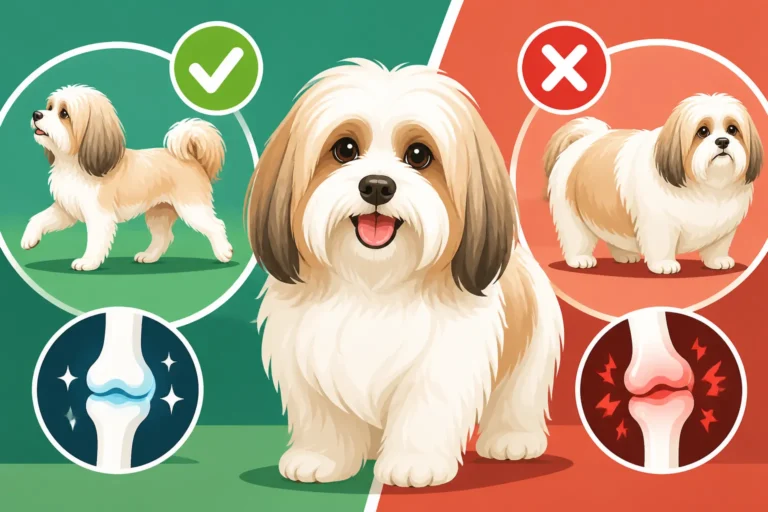
- Weight Management: Keeping your Havanese at a healthy weight is incredibly important, as obesity puts extra strain on the heart. If your Havanese is overweight, your vet will help you develop a safe weight loss plan. This ties into the broader advice of Whether a Havanese Should Be Kept Slim for Its Joints, but it's even more critical for heart health.
- Exercise Adjustment: While exercise is generally good for dogs, a Havanese with heart disease needs a modified routine. Strenuous exercise should be avoided. Instead, opt for short, gentle walks appropriate for their energy levels. The goal is gentle activity, not exertion. Monitor them closely for any signs of fatigue or increased coughing during or after walks.
- Stress Reduction: Stress can put additional strain on the heart. Creating a calm, predictable environment for your Havanese can be beneficial.
Regular check-ups will be crucial to monitor the effectiveness of medications and adjust dosages as needed. This usually involves repeat physical exams, blood tests to check kidney function (especially with diuretics), and sometimes follow-up X-rays or echocardiograms. For many Havanese owners, the cost of these ongoing medications and vet visits can be substantial, making pet insurance from providers like Healthy Paws a wise investment to help manage expenses.
Supporting Your Havanese at Home
Beyond vet visits and medication, your daily care and attention play an enormous role in your Havanese’s comfort and well-being. Living with a Havanese with a heart condition requires vigilance and a loving touch.
- Monitoring Breathing: Learn to count your Havanese’s resting respiratory rate. A normal rate for a resting dog is typically between 15-30 breaths per minute. An increase, especially when resting or sleeping, can be an early indicator of fluid building up in the lungs and may warrant a call to your vet. You can often count breaths by observing their chest movements for 15 seconds and multiplying by four.
- Comfortable Sleeping Arrangements: Provide a comfortable, elevated bed that supports good breathing. Some dogs with heart failure prefer to sleep with their head elevated. Keep their sleeping area quiet and free from disruptions.
- Temperature Regulation: Dogs with heart disease can be more sensitive to temperature extremes. Ensure your Havanese doesn't overheat in summer or get too cold in winter.
- Consistent Routine: A predictable daily routine can help reduce stress. Regular, gentle potty breaks are important.
- Observation for Worsening Signs: Be hyper-vigilant for any of the red flag symptoms mentioned earlier: increased coughing, more difficulty breathing, lethargy, loss of appetite, or fainting. Prompt action can make a critical difference. Caring for a Havanese Past Twelve often involves navigating these health changes with extra care and observation.
- Emotional Support: Your Havanese relies on you for comfort and reassurance. Spend quality time with them, offer gentle affection, and keep their spirits up. Their emotional well-being is intertwined with their physical health.
- Grooming Adaptations: If your Havanese is struggling to stand for long periods, consider modifying their grooming routine. Shorter clips might be easier to maintain, and breaking grooming sessions into shorter, more frequent intervals can help. Grooming an older Havanese that cannot stand long is a common challenge, and understanding their physical limitations is paramount.
- Regular Vet Communication: Don't hesitate to call your vet if you have questions or concerns. Building a strong relationship with your veterinary team is essential for managing a chronic condition. They are your partners in providing the best possible care for your beloved Havanese.
It's a journey, undoubtedly, but with proper veterinary care and your unwavering dedication at home, your Havanese can continue to live a happy and comfortable life, even with a heart-related cough.
Disclaimer
The information provided in this guide is for general informational purposes only and does not constitute veterinary medical advice. Always consult with a qualified veterinarian for any health concerns or before making any decisions related to your Havanese's medical care.