Whether Hair in a Havanese’s Eyes Causes Damage
It’s a common worry for Havanese parents: that beautiful, flowing hair around their eyes. While it’s certainly a hallmark of the breed, many of us fret about whether those long strands are constantly poking and irritating our furry friend's delicate peepers, potentially causing real damage. This guide is here to unravel that mystery, delve into the potential problems, and arm you with practical strategies to protect your Havanese’s precious eyesight.
The Havanese Coat: A Blessing and a Challenge for Eye Health
The Havanese is renowned for its stunning, silky double coat that often cascades to the floor. It's truly a thing of beauty, a characteristic that draws many of us to the breed. But let's be real, while it adds to their charm, this luscious coat, especially the hair around their face, can also present some unique challenges, particularly when it comes to eye health. It’s a constant battle for many owners to keep that facial hair tamed and out of the way.
The Unique Havanese Coat Around the Eyes
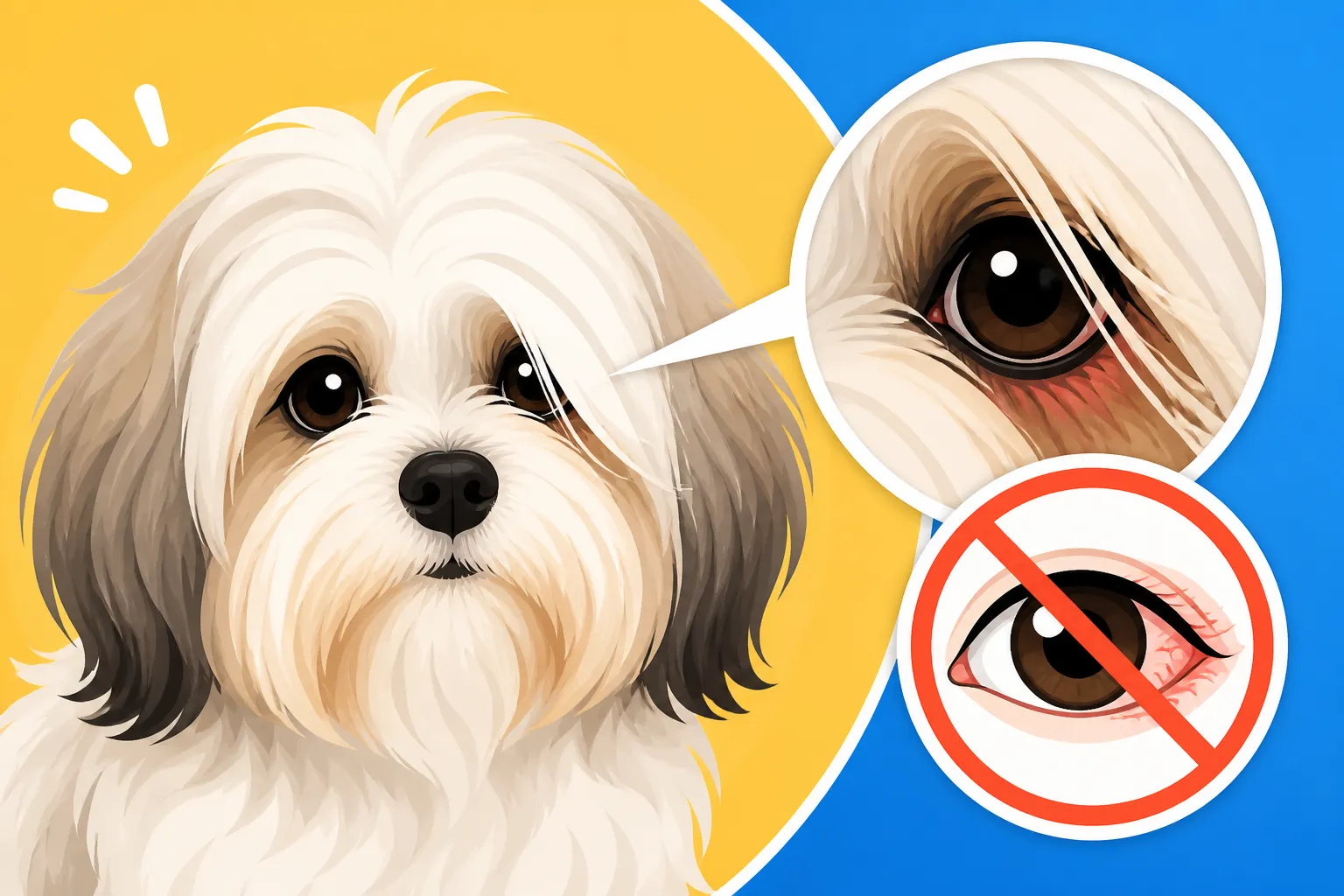
Unlike some breeds with shorter, coarser hair, the Havanese boasts a long, soft, and often wavy or curly coat that grows continuously. This means the hair around their eyes, if left untrimmed, can become quite long, often extending past the eyes themselves. Think of it like a beautiful veil that, unfortunately, can become a hazard. This isn't just a cosmetic concern; the texture and length of this hair are directly linked to potential eye issues. Imagine trying to see clearly with strands constantly brushing against your eyeballs – that’s often what our Havanese experience if their facial hair isn’t managed.
Natural Eye Protection Mechanisms
Normally, our dogs have several natural defenses to protect their eyes. Eyelashes act as a first line, catching dust and debris. The blink reflex is incredibly fast, closing the eyelid to shield the eye from sudden threats. Tears continually wash the eye, clearing away irritants and keeping the surface moist. However, with the Havanese's abundant facial hair, these natural mechanisms can be compromised. The long hair can sometimes act like a wick, drawing tears away from the eye or, conversely, trapping moisture and debris directly against the eye surface or surrounding skin, creating a less-than-ideal environment for healthy eyes.
How Untrimmed Eye Hair Can Cause Problems
The concern about hair in a Havanese’s eyes isn't just anecdotal; there are genuine risks that can range from mild annoyance to serious medical conditions. Many owners mistakenly believe that the hair naturally protects the eyes, but often, the opposite is true, especially if that hair becomes stiff or matted. The key is understanding these potential pitfalls so you can take proactive steps.
Irritation and Corneal Abrasions
Perhaps the most direct and pressing concern is the physical irritation and potential damage those long, errant hairs can inflict upon the eye itself. Imagine a stiff piece of hair, perhaps made rigid by dried tears or debris, constantly poking or rubbing against the delicate surface of the cornea. This isn't just uncomfortable for your Havanese; it can lead to chronic irritation, redness, and excessive tearing. In more severe cases, persistent rubbing can cause corneal abrasions – essentially scratches on the surface of the eye. These abrasions are painful and, if left untreated, can progress to corneal ulcers, which are much more serious and can even impair vision if deep enough. I’ve seen countless Havanese come into the vet with squinting eyes and a reluctance to open them fully, all because a stubborn strand of hair was causing havoc.
Tear Staining and Skin Issues
While perhaps not direct damage to the eyeball itself, the constant presence of hair around the eyes can significantly contribute to unsightly and unhealthy tear staining. The Havanese, like many light-colored breeds, is prone to tear staining, which manifests as reddish-brown discoloration of the fur beneath the eyes. This isn't just a cosmetic issue. The persistent moisture trapped by the hair creates a damp environment perfect for bacteria and yeast to thrive. This leads to a host of secondary skin problems, including dermatitis (skin inflammation), irritation, and a distinct, often unpleasant odor. You might notice your Havanese constantly pawing at their face or rubbing it on furniture, trying to relieve the itchiness caused by this damp, irritated skin. Learning about Cleaning the Tear Marks Under a Havanese's Eyes is crucial for maintaining good hygiene in this area.
Secondary Infections
When the delicate skin around the eyes is constantly wet, irritated, or abraded by hair, it becomes an open invitation for opportunistic infections. Bacteria and yeast, which are naturally present on the skin, can multiply rapidly in this compromised environment. This can lead to various eye and skin infections:
- Conjunctivitis: Often called "pink eye," this is an inflammation of the conjunctiva, the membrane lining the eyelids and covering the white part of the eyeball. Symptoms include redness, swelling, discharge (which can be clear, mucous-like, or even greenish-yellow), and discomfort. The trapped hair exacerbates this by preventing proper airflow and trapping bacteria closer to the eye.
- Blepharitis: This is an inflammation of the eyelids themselves, often stemming from chronic irritation or infection of the skin around the eye. The eyelids might appear red, swollen, and crusty, and your Havanese might rub them incessantly.
- Bacterial Skin Infections: Beyond the eyelids, the constantly wet and irritated fur beneath the eyes can develop into full-blown bacterial skin infections, requiring antibiotic treatment. These can be painful and can sometimes spread, making your dog miserable.
These secondary infections are not only uncomfortable but can become chronic if the underlying issue of untrimmed hair and persistent moisture isn't addressed. It’s a vicious cycle that owners need to actively interrupt with diligent care.
Essential Strategies for Eye Hair Management and Prevention
The good news is that preventing hair-related eye damage in your Havanese is entirely within your control. It requires consistent effort, but the payoff is a healthier, happier, and more comfortable pup. Proactive grooming and diligent eye care are your best defenses against irritation and infection.
Regular Grooming and Trimming Techniques
This is your number one weapon against eye hair issues. Regular grooming is paramount, and it doesn’t have to be daunting. You can either learn to do it yourself or rely on a professional groomer.
- Daily Brushing: Even if you keep the hair shorter, daily brushing around the eyes, face, and muzzle is essential to prevent mats from forming. Mats are rigid and can pull on the delicate skin around the eyes, or even poke the eye itself. Use a small, fine-toothed comb or a slicker brush designed for delicate areas.
- Safe Trimming: For most Havanese, keeping the hair trimmed short around the eyes is the most effective solution. This typically involves a "face trim" or "puppy cut" style where the hair is kept away from their eyes.
- Tools: Always use blunt-nosed scissors designed for pets. This drastically reduces the risk of accidentally poking your dog's eye if they suddenly move. Some owners prefer small electric clippers with a fine blade (#10 or #15) for a very short, clean trim.
- Technique: Have your Havanese sitting calmly. Hold their muzzle gently but firmly. Use a fine-toothed metal comb to lift the hair away from the eye, then carefully trim just the tips that fall over the eye or touch the eyeball. Always trim away from the eye, never towards it. If you're nervous, try placing the comb between the hair and the eye, then trim against the comb. Remember, it's better to trim a little at a time than too much. I highly recommend researching Whether Hair Should Be Kept Out of a Havanese's Eyes for more specific instructions and tips.
- Professional Groomers: If DIY trimming feels intimidating, a professional groomer is an invaluable resource. They have the experience and specialized tools to safely and effectively trim the hair around your Havanese's eyes, giving them a tidy, functional "puppy cut." They can also advise on the best frequency, which might be every 4-6 weeks, depending on how fast your Havanese's hair grows. You might be interested in knowing What a Face Trim Costs on a Havanese to help budget for professional care.
Maintaining Overall Eye Health
Beyond just trimming, a holistic approach to eye health will keep your Havanese comfortable and bright-eyed.
- Daily Eye Wipes: Make it a habit to gently wipe your Havanese's eyes daily with a soft, damp cloth or a pet-specific eye wipe. This removes tear residue, crusts, and any loose hairs that might be near the eye. Always wipe away from the eye and use a fresh part of the cloth or a new wipe for each eye to prevent spreading any potential infection.
- Check for Foreign Objects: After outdoor play, especially in windy conditions or areas with long grasses, quickly check your Havanese's eyes for any foreign objects like grass seeds or dust. Their curious noses and lower stature mean they often encounter these things. If you spot something, try to gently flush it with a pet-safe saline solution. If it doesn't come out easily or your dog is in pain, it's time for a vet visit.
- Diet and Hydration: A balanced diet and plenty of fresh water can contribute to overall health, which includes eye health. Sometimes, dietary factors or even the mineral content in your tap water can influence tear staining. Discuss any persistent tear staining with your vet to rule out underlying issues or explore dietary changes.
- Environmental Factors: Consider allergens in your home environment, such as dust, pollen, or certain cleaning products, which can also contribute to eye irritation and tearing. Regular vacuuming and using air purifiers can sometimes make a difference.
Safe Products and Tools
Choosing the right products can make a big difference in maintaining your Havanese's eye health.
- Blunt-Nosed Scissors or Fine Clippers: As mentioned, safety is paramount. Blunt-nosed scissors prevent accidental pokes, and small, quiet clippers can offer a clean, precise trim.
- Pet-Specific Eye Wipes/Solutions: Avoid using human eye drops or harsh chemicals. Stick to products specifically formulated for dogs, which are pH-balanced and non-irritating. Many brands offer wipes designed to help break down tear stains safely.
- Fine-Toothed Comb: A small metal "flea comb" is often ideal for gently combing through the hair around the eyes to ensure it's free of tangles and to lift hair for trimming.
- Good Quality Shampoo and Conditioner: During baths, use a gentle, tearless shampoo around the face. Regular bathing with a good conditioner will help keep the coat soft and less prone to matting or becoming stiff, reducing the chances of irritation.
Recognizing When to Seek Veterinary Care
Even with the most diligent care, sometimes issues can arise, or what seems like simple irritation might be something more serious. Knowing when to call your veterinarian is crucial for safeguarding your Havanese’s vision and overall well-being. Early intervention can prevent minor problems from escalating into chronic conditions.
Recognizing Warning Signs
Your Havanese can’t tell you in words that their eye hurts, so it’s up to us, their devoted parents, to recognize the subtle (and not-so-subtle) signs of eye trouble. Don't hesitate to contact your vet if you observe any of the following:
- Excessive Redness: Beyond a slight pinkness, if the whites of the eyes (sclera) or the inner lining of the eyelids are noticeably red and inflamed, it’s a red flag.
- Persistent Squinting or Holding the Eye Shut: This is a clear indicator of pain or severe irritation. A healthy dog’s eyes should be wide open and comfortable.
- Paw-Rubbing or Scratching at the Face: If your Havanese is constantly rubbing their face on furniture or pawing at their eye, they're trying to tell you something is bothering them.
- Abnormal Discharge: While some clear tearing is normal, thick, cloudy, yellow, or greenish discharge is a strong sign of infection.
- Cloudiness or Change in Eye Appearance: Any cloudiness over the cornea, a change in pupil size, or a hazy appearance could indicate serious underlying issues like corneal ulcers, glaucoma, or even cataracts. It's a good idea to ensure your Havanese gets Whether a Havanese Needs a Yearly Eye Exam to catch such issues early.
- Sensitivity to Light (Photophobia): If your Havanese squints or shies away from bright light, it suggests pain or inflammation within the eye.
- Visible Swelling: Swelling around the eyelids or the eye itself is a definite cause for concern.
- Sudden Changes in Vision: Bumping into objects, hesitation on stairs, or being easily startled might indicate vision impairment. This could be related to conditions like Hereditary Cataracts in a Havanese or Progressive Retinal Atrophy.
It’s always better to be overly cautious when it comes to eye health. A quick call to your vet can often ease your mind or lead to prompt treatment that saves your Havanese from unnecessary pain or long-term damage.
Professional Diagnosis and Treatment
When you take your Havanese to the vet for an eye concern, they’ll conduct a thorough examination to get to the root of the problem. This isn't just a casual glance; it's a careful diagnostic process:
- Ophthalmic Exam: The vet will use a special light and magnification to carefully inspect all parts of the eye, including the eyelids, conjunctiva, cornea, and sometimes even the structures inside the eye.
- Fluorescein Stain Test: This is a common and vital test for suspected corneal abrasions or ulcers. A special orange dye is applied to the eye; if there’s a break in the cornea, the dye will stick to it and appear green under a blue light. This quickly confirms the presence and size of any corneal damage.
- Schirmer Tear Test: If dry eye (Keratoconjunctivitis Sicca or KCS) is suspected, a small strip of paper is placed in the lower eyelid to measure tear production. Dry eye can exacerbate issues caused by hair irritation. More on this can be found in Whether a Havanese Gets Dry Eye.
- Pressure Test (Tonometry): To check for glaucoma, a condition characterized by increased pressure within the eye, the vet may use a tonometer.
- Culture and Sensitivity: If an infection is present, your vet might take a swab of discharge to determine the specific type of bacteria or yeast involved, allowing them to prescribe the most effective antibiotic or antifungal medication.
Once a diagnosis is made, treatment will be tailored to the specific condition. This might include:
- Topical Medications: Eye drops or ointments containing antibiotics, anti-inflammatory drugs, or lubricants are common.
- Oral Medications: In some cases, oral antibiotics or anti-inflammatories may be prescribed.
- E-Collar (Cone of Shame): Often, your vet will recommend or require an Elizabethan collar to prevent your Havanese from rubbing or scratching their eye, which could worsen the injury or infection.
- Surgery: In rare, severe cases, such as deep corneal ulcers that aren't responding to medication, surgery might be necessary.
It’s important to remember that unexpected vet visits, especially for specialized treatments like those for eye conditions, can add up. Many Havanese owners find peace of mind with pet insurance plans from providers like Healthy Paws. Such coverage can help ease the financial burden if your beloved companion faces a serious eye issue, allowing you to focus on their recovery without added stress. Understanding The Eye Diseases a Havanese Inherits can also help you be prepared for potential breed-specific conditions.
| Symptom | Potential Cause | Recommended Action |
|---|---|---|
| Redness, mild tearing, rubbing | Hair irritation, minor dust/allergen | Gentle cleaning, trim hair, monitor closely, consider Whether a Havanese Needs Its Muzzle Trimmed Short |
| Persistent squinting, pain | Corneal abrasion/ulcer, foreign object, infection | Immediate veterinary visit |
| Green/yellow discharge | Bacterial eye infection | Veterinary visit for diagnosis and antibiotics |
| Brown/red tear staining | Poor hygiene, blocked tear ducts, yeast build-up | Regular cleaning with pet-safe wipes, veterinary consult |
| Cloudiness, vision changes | Cataracts, glaucoma, deep ulcer | Immediate veterinary visit |
| Swelling of eyelids | Blepharitis, allergic reaction, infection | Veterinary consult |
Disclaimer
The information provided in this guide is intended for educational purposes only and should not be considered a substitute for professional veterinary advice. Always consult with a qualified veterinarian for any health concerns or before making any decisions related to your Havanese's medical care.